Succulent
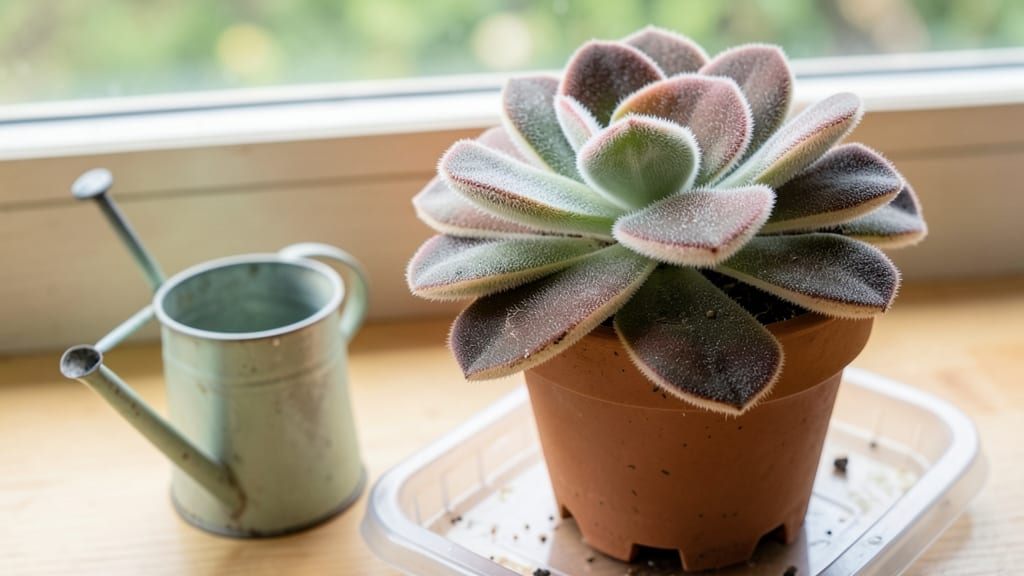
Your panda plant’s sad, mushy stems and yellowing leaves don’t mean it’s a lost cause—this is a classic overwatering crisis, and we’ve fixed dozens just like it. 🌱 The good news? Three simple adjustments can bring it back from the brink, even if the roots are already struggling.
I’ve nursed plants back from worse, and the key starts with cutting back on water right now—no waiting for "better" conditions.
First, stop watering entirely for 7-10 days to let the roots dry out. Then, gently repot into fresh, fast-draining cactus/succulent mix—panda plants hate soggy feet. Snip off any black, mushy roots (they’re rotten) and trim yellowing leaves at the base.
Most people skip this step and wonder why the plant doesn’t bounce back—trust me, it makes all the difference.
Within 2-3 weeks, you’ll see new growth pushing through those fuzzy stems, and the leaves will firm up again. The secret? Water only when the top 1-2 inches of soil are bone-dry, and use a pot with drainage holes—no excuses.
Once recovered, these plants thrive on neglect, so you’ll spend less time worrying and more time admiring their velvety foliage.
This works for container gardens, sunny windowsills, or even office desks—anywhere your panda plant lives. The same rules apply whether it’s a tiny 4-inch pot or a larger container.
Just remember: panda plants are desert survivors, not rainforest dwellers. Let’s get that soil dry and watch it come back to life.
Root Rot’s Silent Invaders
When your panda plant—Kalanchoe tomentosa—starts looking more like a soggy sponge than a thriving succulent, overwatering is usually the culprit. But why does this happen so easily?
The answer lies in a mix of environmental mismatches, root biology, and even human habits. Let’s break down the science behind the soggy soil syndrome.
Panda plants are succulents, meaning they’ve evolved to store water in their leaves and stems—not their roots. Yet, many growers unknowingly recreate a waterlogged environment by using containers without proper drainage. Here’s why this backfires:
- Clay or plastic pots without holes act like sealed jars, preventing excess water from escaping. Even if you think you’re watering "just enough," the moisture lingers around the roots for days.
- Compacted or dense soil (like garden soil or poorly amended mixes) doesn’t allow air or water to flow freely. Roots suffocate, and oxygen—critical for respiration—gets cut off.
- Terracotta vs. plastic trade-offs: While terracotta wicks moisture, it can dry out too quickly if the plant isn’t adapted. Plastic, on the other hand, holds moisture longer, creating a perfect storm for rot if overwatered.
💡 Pro Tip: Always use a cactus/succulent mix (50% mineral grit, 30% coco coir, 20% perlite) and a pot with drainage holes. If repotting, add a layer of pumice or lava rocks at the bottom to boost aeration.
One of the most common mistakes is sticking to a rigid watering calendar instead of assessing the plant’s actual moisture levels. Panda plants are drought-tolerant, but their water needs shift with:
- Seasonal changes: In winter, growth slows, and roots need far less water—sometimes none for weeks. Yet, many water monthly regardless of temperature.
- Humidity levels: High humidity (like in bathrooms or kitchens) means the soil stays damp longer, tricking you into thinking it’s "thirsty" when it’s not.
- Light exposure: Low light = slower evaporation = soggy soil. A panda plant in a dim corner may need water half as often as one basking in sunlight.
✨ Actionable Fix: Use the finger test: Stick your index finger 1–2 inches into the soil. If it’s dry, water; if it’s damp, wait. Adjust your schedule based on these cues, not a clock.
Even with perfect watering habits, external factors can turn a "normal" watering routine into a disaster. Here’s how:
| Factor | How It Worsens Overwatering | Solution |
|---|---|---|
| Cold temperatures (<50°F/10°C) | Slows root activity, so water sits instead of being absorbed. Roots can’t "breathe" and rot faster. | Move to a warmer spot (60–75°F/15–24°C) or reduce watering by 50%. |
| Direct sunlight + wet soil | Sunlight heats the pot, causing water to evaporate unevenly. Roots at the bottom stay waterlogged while topsoil dries. | Water in the morning so excess evaporates by night. Use a self-watering pot with a moisture meter. |
| Fungal/bacterial hitchhikers | Wet soil is a breeding ground for Phytophthora (a water mold) or Pythium, which attack stressed roots. | Sterilize soil with hydrogen peroxide (3% solution, 1 part to 10 parts water) before repotting. |
🔥 Warning: If your panda plant’s leaves turn yellow and mushy (not just dry), it’s a red flag for root rot. Act fast—trim affected roots and let the soil dry completely before watering again.
Understanding these root causes is your first step to reviving your panda plant. Next, we’ll cover how to diagnose the damage and fix it in 3 simple adjustments—without losing your plant to the soggy grave.
Revive Your Panda Plant Now
Overwatering can turn your lush panda plant (Kalanchoe tomentosa) into a sad, soggy mess—but don’t worry! With the right adjustments, you can nurse it back to health and prevent future waterlogging.
Below are practical, step-by-step solutions tailored to the root causes of overwatering, plus pro tips to keep your plant thriving.
Cause: Saturated soil suffocates roots, leading to rot. Fix: Act fast to remove excess moisture and improve airflow.
- 🔥 Pull and Inspect Gently remove the plant from its pot and shake off excess soil. Check the roots:
- Healthy roots are firm, white, or light tan.
- Rotten roots are mushy, black, or smell foul. Trim these with sterilized scissors (dip in rubbing alcohol).
- 🍳 Rinse (If Needed) If the soil is compacted or salty, rinse the roots under lukewarm water to flush out buildup. Let them air-dry for 30–60 minutes before repotting.
- 👨🍳 Repot with Fresh Mix Use a well-draining succulent mix (cactus/succulent soil + perlite/pumice, 60/40 ratio). Choose a pot with drainage holes—terracotta is ideal for airflow.
Cause: Overzealous watering or poor drainage traps moisture. Fix: Adjust your schedule and technique.
- ⏰ Wait Before Watering Again
- Newly repotted? Hold off for 5–7 days to let roots recover.
- Established plant? Water only when the top 1–2 inches of soil are bone-dry (stick your finger in to test).
- 🥘 Water Deeply, Less Often
- Method: Water until it drains completely from the bottom. Empty the saucer afterward to avoid soggy roots.
- Frequency: Every 2–3 weeks in spring/fall; once a month in winter (succulents dormancy!).
- 🌡️ Monitor Humidity & Temp
- Panda plants hate humidity. Keep them in bright, indirect light (east/west windows) and away from bathrooms/showers.
- Ideal temps: 60–75°F (15–24°C).
Cause: Stress from root rot weakens the plant. Fix: Optimize its environment for a strong comeback.
- 💡 Light Therapy
- Move to a sunny spot (but avoid harsh midday sun, which can scorch stressed leaves).
- Grow lights work if natural light is lacking—12–14 hours/day.
- 🎯 Fertilize Lightly (If Needed)
- Wait 4–6 weeks after repotting before fertilizing.
- Use a balanced, diluted succulent fertilizer (half-strength) once in spring/summer.
- ✨ Prune for Airflow
- Trim yellow or mushy leaves with clean scissors. This redirects energy to healthy growth.
- 💡 Pot Upgrade: Use smaller pots—overly large containers hold excess moisture.
- 🌡️ Soil Check: Refresh soil every 1–2 years to prevent compaction.
- 🎯 Self-Watering Hack: Try a moisture meter to avoid guesswork.
- 🍃 Mulch Lightly: Sprinkle perlite or gravel on top of soil to slow evaporation (but don’t bury the stem).
Pro Tip: 🌱 If your panda plant’s leaves start puckering or turning red, it’s a sign of thriving—not distress! Just keep the care routine consistent.
With these fixes, your panda plant should bounce back in 4–6 weeks. Stay patient, and soon you’ll have a happy, plump succulent that’s the star of your collection!
Frequently asked questions about reviving an overwatered panda plant
How do I know if my panda plant is overwatered vs. underwatered?
Check the leaves and soil: Overwatered panda plants have yellow, mushy leaves that feel soft to the touch, often with blackened stems. The soil will smell sour or damp even days after watering. Underwatered plants, however, have wrinkled, dry leaves that pull away from the stems, and the soil feels completely dry. Pro tip: Gently tug on a leaf—if it falls off easily, it’s underwatered; if it stays attached but looks sad, it’s overwatered.
Can I save a panda plant with black roots?
Yes, but you must act fast! Trim all black, mushy roots with sterilized scissors, then repot in fresh, fast-draining cactus mix. Let the soil dry completely for 5-7 days before watering again. Healthy roots are firm and white—if you’ve lost most of them, propagate the remaining healthy stems in dry soil instead. Patience is key: recovery takes 3-4 weeks with proper care.
Why does my panda plant keep getting overwatered in winter?
Succulents like panda plants enter dormancy in winter, slowing their growth and water needs by 75% or more. Cold temperatures (<60°F/15°C) reduce evaporation, so soil stays damp longer. The fix? Water only once a month in winter, and move the plant to a warmer spot (65-75°F/18-24°C) if possible. A moisture meter helps avoid guesswork—wait until the soil reads completely dry before watering again.
Is it better to use terracotta or plastic pots for panda plants?
Terracotta pots are ideal because they wick moisture away from roots, but they dry out too quickly in hot climates. Plastic pots retain moisture longer, which can worsen overwatering if not monitored. The best solution? Use a small terracotta pot with drainage holes, or a plastic pot with a moisture meter to track soil dryness. For extra protection, add a layer of pumice or perlite at the bottom to improve drainage.
How long does it take for an overwatered panda plant to recover?
With proper care, you’ll see new growth in 2-3 weeks, but full recovery can take up to 6-8 weeks. Focus on these milestones:
- Stop watering immediately for 7-10 days,
- Repot in fresh soil with drainage, and
- Resume watering only when soil is bone-dry. Avoid fertilizing until you see 2-3 new leaves—this shows the roots are healing.