
Watering
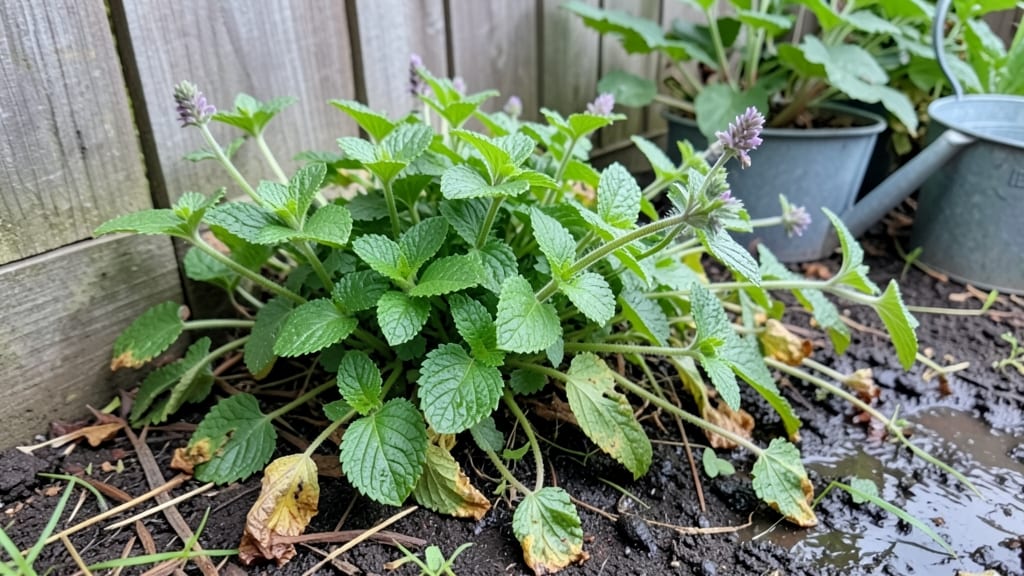
Your mint plant drowning in its own pot—yellow leaves, limp stems, and that sad, soggy look? 🌱 I’ve nursed more overwatered herbs back to life than I’d like to admit, and the fix is simpler than you’d think.
The key isn’t just cutting back on water but giving roots room to breathe and stopping the rot before it spreads.
First, stop watering entirely and let the soil dry out completely—this can take 5-7 days depending on humidity. Then, repot your mint into a container with drainage holes and a fresh mix of potting soil blended with perlite or sand.
The goal is well-draining soil that mimics what mint thrives in: moist but never soggy.
Once repotted, trim away any blackened stems or mushy leaves with clean scissors, then place your plant in bright, indirect light. Within 2-3 weeks, you’ll see fresh green growth pushing through, and those minty leaves will be back in business.
The secret? Water only when the top inch of soil feels dry to the touch.
This method works for any overwatered herb—basil, thyme, or rosemary—and prevents future soggy soil. Keep a finger in the soil to check moisture, and your mint will reward you with lush, fragrant foliage all season long.
Root Causes Of Overwatered Mint
Mint plants may seem hardy, but they’re not drought-tolerant—so when you overwater them, their roots suffocate, leading to yellowing leaves, wilting, and even rot. Let’s break down the real reasons this happens, so you can fix it fast.
Mint thrives in well-draining soil, but when planted in heavy clay, compacted garden beds, or containers without drainage holes, water pools around the roots instead of draining away. Over time, this creates an anaerobic (oxygen-free) environment where beneficial microbes can’t break down excess moisture.
- Why it’s deadly: Roots need both water and oxygen. Without drainage, they drown—even if the soil feels damp on the surface.
- Actionable fix: Test your soil’s drainage by filling a container with water and timing how long it takes to drain. If it takes more than 30 minutes, amend with perlite, sand, or coconut coir.
Mint plants don’t follow a rigid watering calendar—they respond to environmental conditions. If you water based on a fixed routine (e.g., every Tuesday), you might ignore factors like:
- Humidity levels (high humidity = slower evaporation = soggy soil)
- Temperature shifts (hotter days = faster drying; cooler nights = slower drainage)
- Rainfall (overwatering after a downpour doubles moisture stress)
- Why it backfires: Consistency without observation leads to chronically wet roots, inviting fungal diseases like Pythium or Phytophthora.
- Pro tip: Stick your finger 1–2 inches deep into the soil. If it’s damp, wait. If it’s dry, water slowly until it runs out the drainage holes.
Mint spreads aggressively via rhizomes (underground stems). When roots fill a pot completely, they compete for oxygen in the same small soil volume. Overwatering in this scenario is like holding your breath in a tiny room—suffocation happens fast.
- Signs of rootbound mint:
- Leaves turn yellow or purple (nutrient uptake fails).
- Soil stays wet for days after watering.
- Roots circle the pot or grow out of drainage holes.
- Solution: Repot into a container 2–3 inches larger with fresh, airy potting mix. Divide the plant if roots are tightly packed.
Mint’s water needs shift with the seasons:
- Spring/Fall: Moderate watering (soil should dry slightly between waterings).
- Summer: More frequent watering (but never let it sit in water).
- Winter: Reduce watering by 50%—mint grows slowly and needs less moisture.
- Mistake: Assuming summer watering rules apply year-round. Overwatering in cool, damp winters is a common killer.
- Fix: Adjust your watering every 6–8 weeks based on weather and plant activity.
Key takeaway: Overwatered mint isn’t just about "too much water"—it’s about poor drainage, inconsistent habits, root stress, or seasonal mismatches. Once you identify the root cause (pun intended), revival becomes straightforward. 🚀
Revive Your Soggy Herbs Today
If your mint plant is looking more like a swamp than a spicy herb garden, don’t panic—it’s time to take action! Overwatering can turn your vibrant mint into a sad, mushy mess, but with the right steps, you can bring it back to life.
Below, we’ve mapped out the best fixes based on the root cause of the problem (yes, pun intended). Plus, we’ll share some pro tips to keep your mint thriving long-term.
If your mint is sitting in a pool of water or the soil feels like a soggy sponge, stop watering right now. Overwatered mint suffocates because its roots can’t breathe—too much moisture cuts off oxygen, leading to root rot and yellowing leaves.
What to Do:
✅ 🔥 Move to a Dry Spot – Relocate your pot to a shady, well-ventilated area (like a windowsill or balcony) where excess water can evaporate faster. ✅ 🍳 Check the Soil – Stick your finger 1–2 inches into the soil.
If it’s damp, wait another 2–3 days before watering again. ✅ 👨🍳 Drain the Pot – If your container has no drainage holes, tip it upside down to let water escape, or place it in a shallow tray to catch runoff.
💡 Pro Tip:
> "Mint loves moisture but hates soggy feet! A good rule of thumb: Water when the top inch of soil feels dry—no exceptions."
Yellow, wilted, or mushy leaves? It’s time for a hard prune. Removing the affected foliage helps the plant redirect energy to healthy growth and prevents further rot.
What to Do
✅ 🔪 Snip the Sad Leaves – Use clean scissors to cut off any yellow, brown, or mushy leaves at the base.
Don’t worry—mint grows back fast! ✅ 🌿 Check the Roots (If Possible) – If your plant is in a pot, gently remove it and inspect the roots. Healthy roots are firm and white; rotten ones are dark and mushy.
Trim away any blackened roots with sterilized scissors. ✅ 🌱 Repot if Needed – If root rot is severe, transfer your mint to a fresh pot with well-draining soil (more on that below).
✨ Prevention Tip:
> "Prune regularly! Trimming mint every 4–6 weeks encourages bushier growth and reduces the risk of overwatering-related stress."
Now that your mint is drying out, it’s time to rewrite the watering rules. Mint is drought-tolerant once established—it just needs the right balance.
What to Do:
✅ 💧 Water Less, But Deeply – Instead of light, frequent watering, give your mint a slow, deep drink every 5–7 days (adjust based on humidity and pot size). ✅ 🌡️ Use the Right Soil – If your current mix holds too much water, amend it with:
- Perlite or sand (20–30%) for drainage
- Coco coir or peat moss (for moisture retention without suffocation)
✅ ⏰ Time It Right – Water in the morning so excess moisture evaporates during the day.
🎯 Long-Term Care Hack:
> "Group your mint with other herbs (like thyme or oregano) in the same pot—they all hate soggy soil and will thank you with better growth!"
Once your mint is back on track, keep these non-negotiable rules to avoid another waterlogged crisis:
| Problem | Solution | Prevention Tip |
|---|---|---|
| No drainage holes | Repot in a container with holes | Always choose pots with drainage! |
| Overcrowded roots | Divide and repot every 6–12 months | Trim roots when transplanting for airflow. |
| Heavy, clay soil | Mix in perlite or vermiculite | Test soil moisture—if it stays wet >48 hrs, fix it. |
| Ignoring leaf signals | Check leaves weekly for color changes | Yellow? Wait to water. Brown? Too much sun. |
With these fixes, your mint should bounce back in 1–2 weeks. Keep an eye on it, adjust as needed, and soon you’ll be harvesting fresh, vibrant leaves for your favorite teas and cocktails. And remember—when in doubt, let it dry out! 🌿
Frequently asked questions
How do I know if my mint plant is truly overwatered?
Look for yellowing leaves, especially starting from the bottom, and stems that feel soft or mushy when touched. If the soil stays wet for more than 48 hours after watering or smells foul, that’s a clear sign of overwatering. Check the roots too—healthy ones are firm and white, while rotten roots are dark and slimy.
Can I save my mint plant if the roots are rotting?
Yes, but act fast! Trim away all blackened or mushy roots with clean scissors, then repot in fresh, well-draining soil with perlite or sand mixed in. Give it a bright spot with indirect light and hold off on watering for 3-5 days to let the roots recover. New growth should appear within 2 weeks if the damage wasn’t severe.
Why does my mint plant keep getting overwatered even when I think I’m being careful?
Mint thrives in moist but never soggy conditions—soil type and pot size matter more than you think. If your pot lacks drainage holes or uses heavy garden soil, water pools instead of draining. Test your setup: Fill a spare pot with water and time how long it takes to drain. If it takes more than 30 minutes, amend your soil with 20% perlite or switch to a container with holes.
What’s the best way to water mint plants to prevent overwatering?
Use the finger test: Stick your finger 1-2 inches deep into the soil. If it feels dry, water thoroughly until it runs out the drainage holes. Water in the morning so excess moisture evaporates during the day, and avoid misting the leaves—mint prefers moisture at the roots, not the foliage. In winter, reduce watering by 50% since growth slows dramatically.
Can I use my overwatered mint leaves for cooking or tea?
Only if the damage is mild! Trim away any yellow or mushy leaves, but healthy green ones are still safe to use. However, avoid leaves from severely rotted plants—they may taste bitter or off. For best results, wait until your mint fully recovers (usually 2-3 weeks) before harvesting for cooking or tea to ensure peak flavor and safety.