
Companion Plants
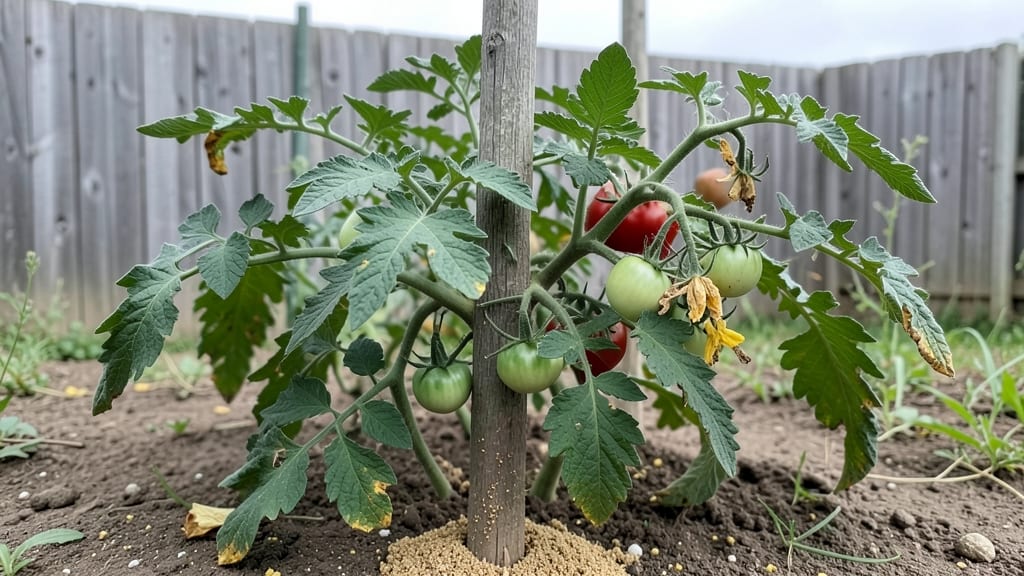
My tomato plants looked like they were burning from the inside out—yellowing leaves, crispy edges, and fruit that refused to ripen. 🌱 Overfeeding tomato plants happens more often than gardeners realize, and the damage isn’t always obvious until it’s too late.
The good news? You can reverse it with the right steps, and I’ll show you exactly how.
The root cause is almost always too much nitrogen or synthetic fertilizers pushed too hard. Plants can’t process excess salts, and the soil becomes toxic, blocking water and nutrients. My mistake? Following package instructions without checking my soil first—turns out, my raised beds already had plenty of organic matter.
The fix starts with flushing the soil to wash away buildup, then balancing nutrients with compost or worm castings.
Within two weeks of adjusting, my plants perked up—new growth emerged, and the leaves stopped looking like they’d been singed. The key is patience and testing your soil every season. A simple DIY test or local extension office kit can save you from repeating my blunders.
You’ll know you’ve nailed it when your tomatoes start coloring up properly and the vines grow strong, not leggy.
This works for container-grown tomatoes too—just scale down the flushing process. The same principles apply whether you’re dealing with backyard beds or patio pots. Let’s get your soil back in balance before the next harvest.
Root Causes Of Over-Feeding
Overfeeding tomato plants—whether with synthetic fertilizers, compost, or even too much organic matter—can turn your lush garden into a nutrient-burned wasteland faster than you think. 🌱💥 The problem stems from a few key missteps, often tied to well-intentioned (but overzealous) gardening habits.
Let’s break down the real culprits behind this common issue, so you can spot them before your plants protest with wilted leaves or bitter fruit.
Tomatoes thrive on a balanced diet of nitrogen (N), phosphorus (P), and potassium (K), but too much of any single nutrient—or an imbalance—disrupts their ability to absorb water and nutrients efficiently. Here’s how it happens:
- Nitrogen Overload: Too much nitrogen (common in fresh manure, blood meal, or high-N fertilizers) promotes leafy growth at the expense of fruit production. The plant prioritizes foliage over flowers and tomatoes, leaving you with a bushy green monster instead of a harvest. Worse, excess nitrogen acidifies soil, locking out other essential nutrients like calcium and magnesium.
- Salt Accumulation: Synthetic fertilizers (especially those with high ammonium or nitrate content) leave behind salt residues in the soil. These salts draw moisture out of plant roots via osmosis, causing physiological drought—even when the soil looks wet. Think of it like drinking saltwater: you’re thirstier afterward, not hydrated.
- Micronutrient Starvation: Overfeeding with broad-spectrum fertilizers can displace micronutrients (zinc, iron, manganese) by altering soil pH or competing for root uptake sites. Tomatoes show signs of deficiency (e.g., yellowing between leaf veins) even when the soil is "fed."
Pro Tip: 💡 Test your soil’s electrical conductivity (EC) or salt levels with a cheap meter (under $20). Readings above 2.0 dS/m indicate potential salt stress—time to flush the soil!
Tomatoes are heavy feeders, but they don’t need constant snacks—they prefer slow, steady nutrition. Miscounting application timing leads to overfeeding in two ways:
- Pre-Planting Overload: Adding too much compost, fertilizer, or aged manure before transplanting creates a nutrient "time bomb." Roots absorb what they can, but excess salts or nutrients linger, burning tender new roots as they establish.
- Mid-Season Binge: Fertilizing during flowering or fruiting (when tomatoes shift from vegetative to reproductive growth) can shock the plant. High nitrogen at this stage delays fruit set or triggers blossom end rot by disrupting calcium uptake.
Key Insight: Tomatoes need most of their nutrients in the first 6–8 weeks after transplanting. After that, light, frequent feedings (every 2–3 weeks) with a low-nitrogen, high-potassium formula (e.g., 5-10-10) support fruit development without overloading.
Water and nutrients go hand-in-hand—without proper hydration, excess fertilizer becomes a toxic cocktail. Here’s how watering habits contribute:
- Inconsistent Watering: Tomatoes need 1–2 inches of water per week. If you overwater after fertilizing, nutrients leach deep into the soil, washing away what the plant can’t absorb immediately. If you underwater, concentrated salts near the root zone burn roots like a chemical burn.
- Drip Irrigation Overuse: Automated systems can deliver fertilizer-laden water too frequently, especially if using liquid fertilizers. Roots become desensitized to nutrient uptake, leading to luxury consumption (absorbing more than needed) and waste.
- Hard Water Interference: If your tap water is high in calcium or magnesium, it can precipitate with fertilizers (e.g., phosphorus), forming insoluble compounds that roots can’t access. This creates a false nutrient deficit even when soil tests show plenty of fertilizer.
Fix It: 🌡️ Use a moisture meter to check soil hydration before fertilizing. Aim for consistent moisture—never soggy or bone-dry—and water deeply (6–8 inches) to encourage root growth into nutrient-rich zones.
Gardeners often assume that if a little fertilizer helps, a lot will help more. But tomatoes are sensitive to excess, especially when it comes to:
- Synthetic Fertilizer Burn: Granular or spike fertilizers (like Osmocote) release nutrients in predictable bursts. If applied too close to roots or in high concentrations, they disrupt root cell membranes, causing fertilizer burn (brown, crispy root tips).
- Organic Matter Overload: Fresh manure, grass clippings, or uncomposted greens can rob soil of nitrogen as microbes decompose them, creating a nitrogen sink. This leaves tomatoes starved for N while other nutrients flood the system.
- Compost Tea Gone Wrong: While beneficial, overbrewed compost tea (especially anaerobic batches) can release ammonia in toxic levels, bleaching roots and halting nutrient uptake.
Rule of Thumb: ✨ Start with half the recommended dose of fertilizer, especially with synthetics. Organic amendments should be well-aged (composted for 6+ months) before use. When in doubt, less is more—tomatoes reward patience with bigger, tastier fruit.
Fixing Overfed Tomato Plants in 3 Steps
Overfeeding your tomato plants can feel like a gardening disaster—but don’t worry! With the right adjustments, you can nurse your plants back to health and prevent future mishaps. Below, we’ll tackle the most common causes of overfeeding and provide practical, step-by-step fixes tailored to each issue.
Plus, we’ll share prevention tips to keep your tomatoes thriving without the guesswork.
Cause: Excessive fertilizer buildup (especially synthetic salts) or overwatering with hard water.
How to Fix It: ✅ 🔥 Step 1: Flush the Soil (The Deep Cleanse)
- Water your tomato plants deeply for 10–15 minutes every other day for 3–5 days to leach out excess salts.
- Use rainwater or distilled water if your tap water is hard (high in minerals).
- Pro Tip: 💡 If your soil feels crunchy or white residue appears on the surface, flushing is non-negotiable.
✅ 🍳 Step 2: Amend the Soil (Restore Balance) - Mix in 2–3 inches of compost or well-rotted manure into the top 6–8 inches of soil to dilute salts and improve drainage. - For heavy clay soil, add perlite or coarse sand (1 part amendment to 3 parts soil) to prevent compaction. - Warning: ⚠️ Avoid fresh manure—it can burn roots!
Use aged compost instead.
✅ 👨🍳 Step 3: Test & Adjust (Smart Maintenance)
- After 2 weeks, do a soil test (home kits work!) to check pH and salinity.
- If pH is too high (alkaline), add sulfur or peat moss to lower it gradually.
- If pH is too low (acidic), sprinkle lime (follow package rates).
Prevention Tips: 🔹 🌡️ Water wisely: Use drip irrigation or soaker hoses to deliver water directly to roots—avoid overhead sprinklers that evaporate moisture and concentrate salts. 🔹 ✨ Fertilize lightly: Stick to the "feed-and-wait" rule—apply fertilizer, then wait 2–3 weeks before testing soil again. 🔹 🎯 Rotate crops: Avoid planting tomatoes in the same spot year after year to prevent salt buildup.
Cause: Nutrient imbalance (too much nitrogen, not enough potassium/phosphorus) or chemical burn from over-fertilizing.
How to Fix It: ✅ 🔪 Step 1: Trim Damaged Foliage (Prune for Recovery)
- Snip off yellow or crispy leaves with clean pruners to redirect energy to healthy growth.
- Pro Tip: 💡 Focus on lower leaves first—they’re most vulnerable to nutrient stress.
✅ 🥗 Step 2: Switch to a Balanced Fertilizer (The Recovery Diet)
- Stop using high-nitrogen fertilizers (like lawn fertilizer) immediately.
- Switch to a low-nitrogen, high-potassium feed (e.g., 5-10-10 or 0-0-50) to boost fruit production and repair damage.
- Alternative: Use liquid fish emulsion or compost tea for a gentle, organic boost.
✅ ⏰ Step 3: Monitor & Reassess (Patience Is Key)
- Reduce feeding frequency to every 4–6 weeks instead of weekly.
- Watch for new growth—if leaves turn darker green, you’re on the right track!
Prevention Tips: 🔹 📊 Follow the label: Never exceed recommended fertilizer doses—more isn’t better! 🔹 💪 Use organic slow-release: Opt for worm castings, bone meal, or kelp meal for steady, safe nutrients. 🔹 🌿 Mulch properly: Apply 2–3 inches of straw or wood chips to slow moisture loss and regulate nutrient release.
Cause: Root burn from over-fertilizing (especially in containers) or waterlogging due to poor drainage.
How to Fix It: ✅ 💧 Step 1: Check Drainage (Fix the Drainage Crisis)
- For container-grown tomatoes, ensure pots have drainage holes and elevate them to prevent soggy roots.
- For in-ground plants, amend soil with compost + perlite to improve aeration.
- Emergency Fix: 🔥 If roots are black/mushy, repot in fresh soil after trimming damaged roots.
✅ 🍄 Step 2: Adjust Watering (The Goldilocks Rule)
- Water only when the top 1–2 inches of soil are dry (stick your finger in to test!).
- Avoid daily watering—deep, infrequent watering encourages strong roots.
- Pro Tip: 🌡️ Water in the early morning to reduce evaporation and fungal risks.
✅ 🌱 Step 3: Support with Mycorrhizal Fungi (Root Superfood)
- Add mycorrhizal inoculant (available at garden centers) to help roots absorb nutrients efficiently.
- Bonus: 💡 This also reduces transplant shock if you’re replanting.
Prevention Tips: 🔹 🏺 Use the right containers: If growing in pots, choose fabric grow bags or 5+ gallon containers for better drainage. 🔹 🎯 Avoid overpotting: Too much soil = too much moisture retention. Stick to 1 plant per 5 gallons. 🔹 ✨ Mulch heavily: 4–6 inches of mulch keeps roots cool and regulates moisture.
If your tomato plant is severely stunted, wilting, or shows no improvement after 2 weeks, it may need a fresh start:
- Gently remove the plant from the soil (or pot).
- Rinse roots in water to remove old soil.
- Trim any black/mushy roots with sterilized scissors.
- Repot in fresh, amended soil with a balanced fertilizer (like 10-10-10).
- Water lightly and place in partial shade for a week to recover.
Remember: Overfeeding is fixable—your tomatoes just need a little TLC and patience! By adjusting your approach now, you’ll set them up for a bountiful, stress-free harvest. 🍅✨
Frequently asked questions
Why do my tomato leaves turn yellow and crispy after fertilizing?
This is a classic sign of fertilizer burn from overfeeding. Excess salts or nitrogen disrupt the plant's ability to absorb water, causing leaf edges to brown and crisp. The roots may also be damaged, preventing proper nutrient uptake. Flush the soil with water for 3-5 days to leach out excess salts, then switch to a balanced fertilizer like 5-10-10.
Can I still save my tomato plants if they're severely overfed?
Yes, but act quickly! First, stop all fertilizing immediately. Prune away damaged leaves and repot in fresh soil if growing in containers. For in-ground plants, flush the soil thoroughly and amend with compost. If roots are black/mushy, trim them and replant. Recovery takes 2-3 weeks, but new growth should appear if you catch it early.
How often should I fertilize tomato plants to avoid overfeeding?
For most tomatoes, feed every 2-3 weeks with a balanced fertilizer (like 10-10-10) after the first 6 weeks of growth. Use half the recommended dose if your soil is already rich in organic matter. Organic options like compost tea or worm castings can be applied more frequently (every 2 weeks) since they release nutrients slowly.
What's the difference between overfeeding and underwatering symptoms?
Overfeeding causes crispy leaf edges, yellowing between veins, and stunted growth—even when soil looks moist. Underwatering shows as drooping leaves that recover when watered and dry soil at the surface. The key difference: overfed plants struggle to absorb water (physiological drought), while underwatered plants simply lack moisture.
Are organic fertilizers safer than synthetic ones for tomatoes?
Organic fertilizers are generally safer when used correctly, but they can still cause issues if overapplied. Fresh manure or uncomposted greens can burn roots, while compost tea made incorrectly may release toxic ammonia. Synthetics are more precise but risk salt buildup. The safest approach is soil testing first and using either type at half-strength.