
Companion Plants
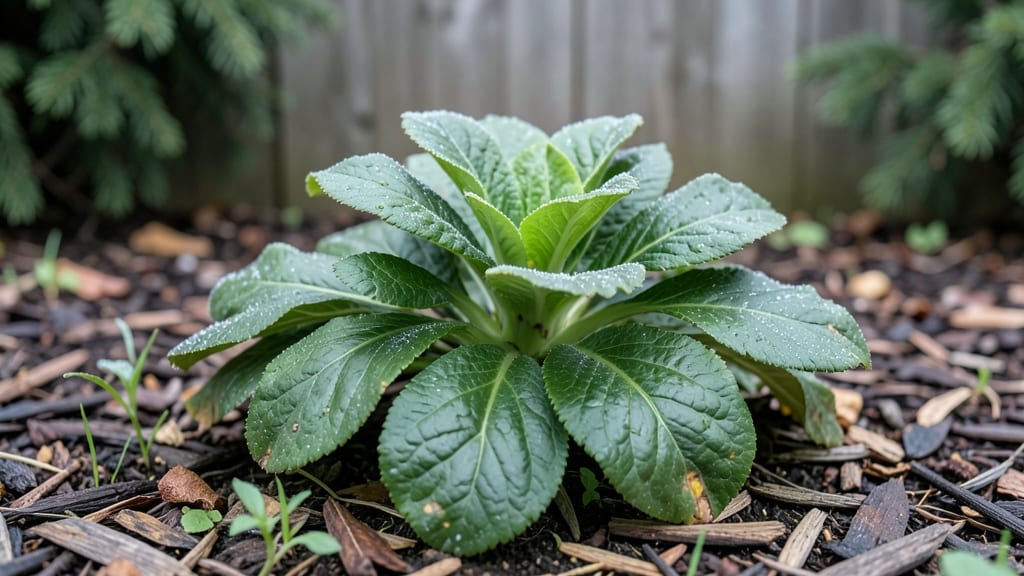
Overwintering plants isn’t just about survival—it’s about setting them up to return stronger than ever next spring. 🌱 I’ve learned that the right prep transforms fragile annuals into hardy survivors, and even tender perennials can bounce back with the right protection.
The key lies in understanding what each plant truly needs: some just need a thick blanket of mulch, while others demand cozy containers or frost-free shelters.
You don’t need fancy equipment—just a few simple supplies like extra mulch, burlap, or even old blankets. For container plants, moving them to a sheltered spot or even indoors near a bright window can make all the difference.
The goal is to mimic what nature does: slow growth, protect roots, and shield leaves from harsh winds. Most plants just need a little help to ride out the cold.
By spring, you’ll see plants that look like they’ve been through a spa retreat, not a winter battle. Leaves stay vibrant, roots stay healthy, and you’ll avoid the heartbreak of losing beloved plants to frost.
The payoff? A garden that starts blooming earlier and thrives longer. Let’s get those plants prepped for their cold-weather nap.
Whether you’re in a snowy zone or a mild winter region, these techniques adapt easily. The same principles work for everything from hardy herbs to delicate tropicals—just tweak the timing and protection level. Here’s how to make it work for your space and climate.
📚 In This Guide
- What you need
- Instructions
- Tips and common mistakes
- Wrapping up and next steps
What you need
- ● Cold-hardy plant varieties: Choose perennials, shrubs, or veggies like kale, spinach, or lavender (check your USDA hardiness zone!).
- ● Organic mulch: 2–4 inches of straw, shredded leaves, or wood chips (avoid fresh grass clippings).
- ● Burlap or frost cloth: Enough to cover medium-sized plants (1–2 plants per 3’x4’ sheet).
- ● Garden twine or stakes: For securing frost cloth (10–20 feet, depending on plant size).
- ● Watering can or hose: For deep-watering before frost (aim for 1 inch per week).
- ● Pruners or shears: Sharp, clean tools for trimming dead foliage (sterilize with rubbing alcohol).
- ● Row covers or cold frames: For extra insulation (great for tender perennials like artichokes).
- ● Thermometer: Soil or air thermometer to monitor temps (aim to keep roots above 20°F).
- ● Compost or slow-release fertilizer: Lightly amend soil in early spring before new growth.
- ● Plant markers: Label varieties to avoid confusion after dormancy.
Instructions for overwintering plants: cold-hardy survival tips
Here’s how to protect your plants through winter without losing them to frost.
🌿 Step 1: Identify Cold-Hardy Plants and Their Needs
First, check which plants in your garden are truly cold-hardy—most perennials, shrubs, and some annuals like pansies can survive winter with the right care. I always start by grouping plants by their USDA hardiness zone (find yours online) and their specific cold tolerance. For example, lavender thrives in zones 5-9, while rosemary needs zones 7-10.
Next, observe how your plants react to early frosts. If leaves yellow or wilt but stems stay green, they’re likely tough enough for winter. If stems blacken or plants collapse, they’ll need extra protection. I’ve found that woody plants (like boxwoods or hydrangeas) handle cold better than tender perennials (like coleus or geraniums).
🪴 Step 2: Prepare the Soil and Mulch Heavily
Before the first hard frost, water your plants deeply to ensure their roots are hydrated—this helps them withstand cold temperatures. Then, apply a 4-6 inch layer of mulch around the base, keeping it a few inches away from stems to prevent rot. I use shredded leaves, straw, or pine needles because they insulate the soil while breaking down slowly.
For extra protection in zones 6 and colder, top the mulch with a layer of evergreen boughs or burlap. This creates an air pocket that traps heat and shields plants from wind. Avoid plastic or thick blankets—these can suffocate roots by trapping too much moisture. Instead, focus on breathable, natural materials that mimic a winter snow blanket.
☀️ Step 3: Protect Tender Plants with Shelters
For plants that aren’t cold-hardy, build a simple frame around them using stakes and wire or PVC pipes. Cover the frame with frost cloth or burlap, securing it tightly to prevent wind from tearing it away. I’ve used old bedsheets in a pinch, but frost cloth lasts longer and blocks more cold. Leave the top open slightly to allow moisture to escape—condensation can cause rot.
If you’re overwintering potted plants, move them to a sheltered spot like a garage or under an eave. Group pots together to share warmth, and wrap them in bubble wrap or insulating blankets. Avoid placing them directly on cold concrete—use wooden boards or pallets to create a buffer. Check occasionally to ensure soil stays slightly moist but not soggy.
⏰ Step 4: Monitor and Adjust Through Winter
Every few weeks, peek under shelters or lift mulch to check for signs of life. If you see green stems or buds, your plants are still active and need protection. I’ve seen plants revive even after looking completely dead—don’t give up too soon! If snow accumulates, brush it off woody plants but leave it on perennials, as it provides extra insulation.
Watch for ice dams or heavy snow that could break branches. Gently shake off excess snow or prop up weak stems with small stakes. In late winter, as temperatures rise, gradually remove covers to harden off plants. Start by uncovering them for a few hours a day, then increase exposure over 1-2 weeks to prevent shock. This slow transition helps plants adjust to spring conditions.
Tips & tricks for perfect overwintering plants
Here's what I've learned after years of keeping my garden alive through harsh winters—these tricks make all the difference between plants that survive and ones that thrive.
Zone Knowledge is Everything: Don't guess about your hardiness zone! Use the USDA zone map to determine which plants will naturally survive your winter conditions. For example, lavender in zone 5 might need extra protection, while boxwoods will handle it with just mulch. I've lost plants before by assuming they were tougher than they really were—always double-check. In Step 1, when you're identifying your plants, take 5 minutes to look up each variety's specific zone requirements.
Mulching Depth Matters: That 4-6 inch mulch layer in Step 2 isn't just decoration—it's insulation. I've seen plants freeze through when mulch was too thin, especially in zones 6 and colder. For extra protection, add a second layer of evergreen boughs (like pine or spruce) on top of your mulch. This creates an air pocket that can make a 10°F difference in soil temperature. Just remember to keep mulch a few inches away from stems to prevent rot.
Shelter Secrets: When building shelters in Step 3, think about airflow. I've had plants rot because I sealed them too tightly—always leave a small opening to prevent condensation buildup. For potted plants, group them together and use wooden boards instead of concrete to create a buffer. I've saved many plants this way during sudden freezes, especially when temperatures drop below 20°F.
Monitoring is Non-Negotiable: That 1-2 week hardening off period in Step 4 is crucial, but so is your winter monitoring. I've seen plants that looked dead in January come back to life in March—don't give up! Every few weeks, lift your mulch or peek under shelters to check for signs of life. Green stems or buds mean your plants are still active and need protection. And remember, snow is your friend—leave it on perennials as it provides excellent insulation.
Pro Tips for Over Winter Plants
- Here's what I've learned after years of keeping my garden alive through harsh winters—these tricks make all the difference between plants that survive and ones that thrive.
- Zone Knowledge is Everything: Don't guess about your hardiness zone!
- Mulching Depth Matters: That 4-6 inch mulch layer in Step 2 isn't just decoration—it's insulation.
Frequently asked questions
Got questions about keeping your plants thriving through winter? You’re not alone! Here are some of the most common concerns—plus straightforward answers to help your cold-hardy greens survive (and even thrive) the chill.
When should I start preparing plants for winter?
Begin 6–8 weeks before the first frost in your zone (check the USDA Plant Hardiness Zone Map). This gives roots time to harden off, and it’s the perfect window to mulch, prune, or move tender plants to a sheltered spot. Pro tip: Monitor local forecasts—early freezes can sneak up fast!
Can I overwinter plants in containers?
Just bury pots in the ground (or wrap them in bubble wrap) to insulate roots, and move them to a sunny, sheltered spot (like a garage or under eaves). For extra protection, add straw or leaves as mulch. Warning: Avoid freezing water in saucers—drain them before cold snaps!
What if my overwintered plants look sad in spring?
Don’t panic! Yellowing leaves often mean nutrient depletion—fertilize lightly with half-strength compost tea in early spring. Stunted growth? Check for compacted soil or pests (like slugs) and aerate gently. Most plants bounce back with patience (and a little TLC)!
Are there any plants that can’t overwinter outdoors?
Yes! Avoid tender perennials like geraniums, fuchsias, or tropicals—they’ll freeze. Instead, dig up bare-root plants (like asparagus or rhubarb) and store them in cool, dry sand until spring. For container plants, move them indoors before temps drop below 30°F (-1°C).
Can I overwinter plants in the ground year after year?
Many can! Perennials like lavender, rosemary, and Russian sage thrive for decades with proper care. Just mulch heavily (4–6 inches), prune dead foliage in late winter, and avoid disturbing roots. Exception: Some bulbs (e.g., dahlias) need digging and storing—check their specific needs!
Wrapping up and next steps
Overwintering plants is all about strategic planning and care—not magic! 🌱 With the right techniques, you can extend your garden’s life, save money, and enjoy fresh greens well into the colder months.
Whether you’re protecting tender perennials, mulching bulbs, or using greenhouses, your efforts will reward you with vibrant, resilient plants when spring arrives.
Ready to put these tips into action? Start small—pick one or two plants to overwinter this season and track your success. Before you know it, you’ll be a pro at beating the chill! 🌡️✨