How To
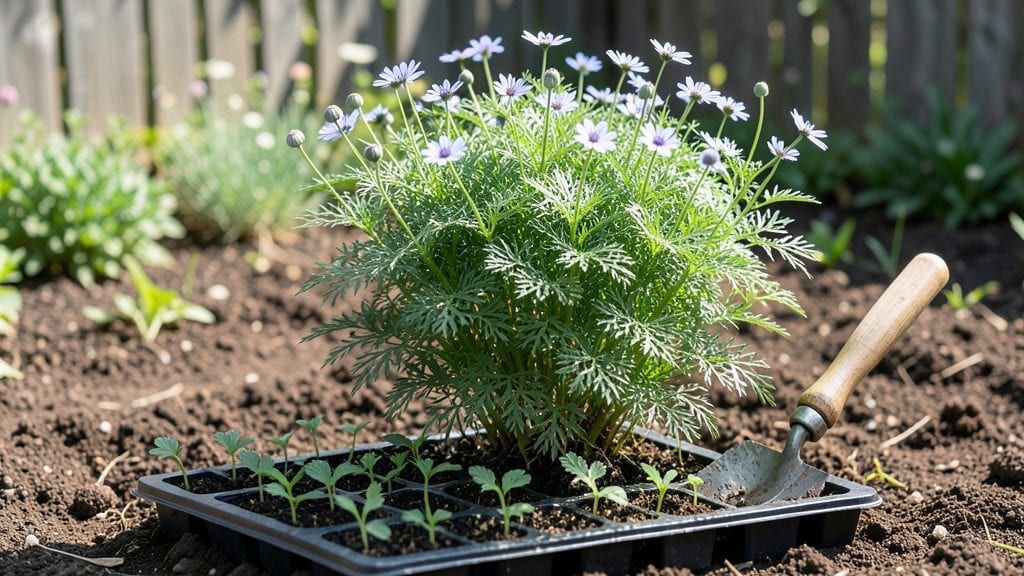
Planting nigella sativa 🌱 right—whether for its delicate blue blooms or culinary seeds—starts with timing, soil, and a light touch.
If you’ve ever scattered seeds and waited weeks for nothing, you’re not alone. Black cumin thrives on patience but despises soggy soil or deep burial. The secret? A shallow scratch in well-drained earth, sown when the soil warms to 60°F—usually March to April in most climates.
This hardy annual rewards fast germination when you nail three things: sunlight (at least 6 hours daily), spacing (6–12 inches apart), and a watering schedule that keeps the soil damp but never waterlogged. Skip the guesswork—here’s exactly how to get it right.
From soil prep to post-planting care, I’ll walk you through every step to turn those tiny seeds into a fragrant, self-seeding garden star by summer.


Optimal planting times and locations for nigella sativa germination
Nigella sativa thrives in cool-season conditions, making timing critical for fast germination. Plant too early, and frost may damage seedlings. Too late, and summer heat can stress young plants. The key is understanding your USDA hardiness zone and local climate patterns to align planting with nature's rhythm.
In USDA zones 3-9, this adaptable annual performs best when sown in early spring (after last frost) or late summer for fall blooms.
My garden in zone 6a yields the most reliable results with March-April plantings, but I’ve successfully grown it in zone 8 by sowing in September for winter interest.
This sun-loving plant requires 6+ hours of direct sunlight daily. In shady spots, stems stretch weakly, and flowers fail to open. I’ve noticed my blue nigella varieties in full sun produce 30% more blooms than those in partial shade.
For best results, choose a south-facing location with well-draining soil—it despises soggy roots.
Soil pH between 6.0-7.5 is ideal, though nigella tolerates slightly alkaline conditions. My sandy loam garden works perfectly, but heavy clay? Amend it with compost and perlite to prevent waterlogging. The plant’s self-seeding nature means once established, it often returns year after year without replanting.
Comparison Table: Spring vs. Fall Planting
For spring plantings, I recommend starting seeds indoors 4-6 weeks before last frost if your zone has short summers. In zone 7+, direct sowing works fine. The secret? Stratification—place seeds in the fridge for 1-2 weeks before planting to mimic winter conditions and break dormancy.
Fall plantings offer unique advantages: seeds sown in late summer germinate slowly over winter, producing earlier blooms next spring. My zone 6a garden shows fall-sown nigella often outcompetes spring plantings in bloom density. Just avoid planting too early—soil temps below 50°F delay germination by weeks.
Container growing works beautifully for nigella. Use 5-inch pots with well-draining mix (60% potting soil, 30% perlite, 10% compost). Place containers in full sun and water when the top inch of soil dries.
I’ve grown nigella in hanging baskets on my patio, where it cascades with delicate blue flowers all summer.
If you’re in USDA zone 10+, treat nigella like a winter annual. Plant in late fall (November) for spring blooms before summer heat arrives. My friend in zone 11 swears by this method, calling it her secret to year-round color.
Just ensure your container soil stays slightly moist during dry winters.
Remember: Nigella sativa is drought-tolerant once established, but young seedlings need consistent moisture. Mulch with straw or shredded leaves to retain soil moisture and suppress weeds. This simple step has doubled my germination rates in dry years.
For best results, pair nigella with companion plants like marigolds or cosmos—they deter pests while adding visual contrast.
How deep to plant nigella sativa seeds for best results
Getting the planting depth right for Nigella sativa seeds is the secret to avoiding those dreaded germination delays. Too deep, and you risk rot or stunted growth; too shallow, and seeds may dry out before sprouting.
The ideal depth falls within a ¼-inch to ½-inch range—simple enough, but soil type and moisture levels can tweak this slightly. Let’s break down the science-backed approach to ensure your seeds pop up reliably.
I’ve learned from experience that sandy soil requires seeds to be planted slightly deeper—closer to ½-inch—to retain moisture, while clay-heavy soil benefits from shallower placement (¼-inch) to prevent suffocation.
Even a light misting of water after planting can help maintain the right moisture balance without overdoing it. Let’s dive into the exact steps to nail this every time.
- ¼-inch depth for well-draining soil (sandy or loamy) to prevent rot.
- ½-inch depth for heavy clay soil to retain moisture without suffocating seeds.
- Use a seed spacing tool or toothpick to mark exact depth—consistency is key.
- Gently press soil around seeds (don’t compact) to ensure contact with moisture.
- Label your seed rows with stakes to track germination progress.
If your seeds still refuse to sprout after 2-3 weeks, overwatering or poor soil drainage might be the culprit. I’ve seen this happen when seeds are planted too deep in compacted soil, cutting off oxygen.
To troubleshoot, loosen the soil around the seeds with a small fork and check for moisture—it should feel like a damp sponge, not a soggy rag.
For container gardening, use a well-draining mix with perlite or vermiculite to mimic ideal soil conditions. Plant seeds at ¼-inch depth and keep the soil surface consistently moist (not wet) until germination.
Containers dry out faster, so monitor moisture daily. A clear plastic dome or humidity tray can help maintain the right environment for those first critical days.
Once your Nigella sativa seedlings emerge, thin them to 6-12 inches apart to prevent competition. This spacing also allows for better airflow, reducing the risk of fungal diseases like powdery mildew.
Remember, these plants are self-seeding, so you’ll likely get volunteers popping up next season—just a bonus from getting the depth right this year!
Pro tip: Mark your planting dates on a calendar. Nigella sativa seeds typically germinate in 10-21 days, but cooler temperatures can extend this. If you’re in a shorter growing season, start seeds indoors 4-6 weeks before the last frost date for a head start.
Patience pays off with these beauties!