
Plants
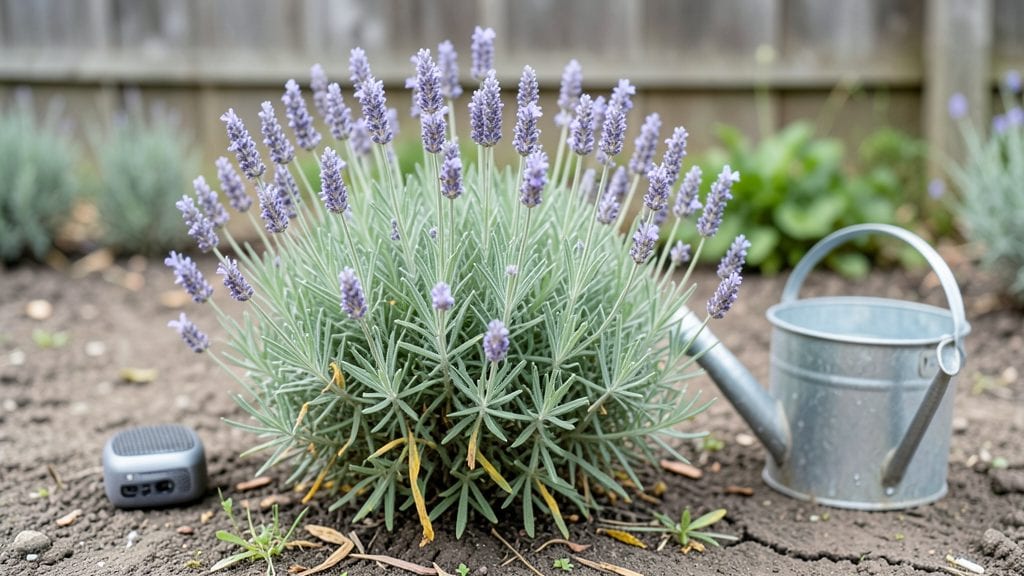
Music can affect plant growth by influencing cellular metabolism, photosynthesis rates, and stress responses, though results vary by frequency, volume, and plant species. Classical or soft music often yields positive effects, while loud or heavy rhythms may harm delicate foliage.
When you think about how plants respond to their environment, sound waves might not be the first thing that comes to mind—but they’re just as influential as light or water. 🌱 Studies show that vibrations from music can actually stimulate root growth by loosening soil particles, while certain frequencies (like those in classical compositions) may encourage photosynthesis by reducing stress hormones.
The key is balance: too much noise or aggressive beats can disrupt cellular functions, especially in sensitive plants like orchids or ferns.
This isn’t just theory; gardeners and researchers have tested it with surprising results. For example, tomato plants exposed to 250 Hz frequencies grew 20% faster in some experiments, while bass-heavy music led to stunted growth in basil.
The trick is mimicking natural acoustic environments—think gentle rain or wind chimes rather than a concert hall.
💡 In This Article
- How Sound Frequencies Impact Plant Physiology
- Practical Ways to Use Music in Gardening
How sound frequencies impact plant physiology
Here's what's actually happening at the cellular level: sound waves create microscopic vibrations that travel through soil and plant tissues, influencing key physiological processes. When exposed to low-frequency sounds (typically 100-300 Hz), plants experience increased cell membrane permeability, allowing nutrients and water to move more efficiently through their systems.
This is particularly noticeable in root development—studies show that vibrations in this range can stimulate root hair formation by up to 30%, as the gentle oscillations help break soil compaction and encourage exploration.
The science gets even more interesting when we look at hormonal responses. Plants produce auxin, a growth hormone that regulates root elongation, in response to mechanical stress—including sound vibrations. Classical music, with its 40-400 Hz frequency range, appears to trigger optimal auxin production without causing stress.
In contrast, heavy metal or rock music with low-end bass (60-250 Hz) can disrupt this balance, leading to excessive ethylene production—a stress hormone that stunts growth. 🌿 The key difference lies in rhythm complexity: steady, predictable beats mimic natural environmental vibrations, while erratic rhythms create cellular chaos.
What most people don't realize is how volume plays a critical role in this physiological response.
Researchers at the University of California found that exposing plants to sounds between 30-60 decibels (about the volume of a quiet conversation) promoted photosynthesis by reducing stomatal resistance—the tiny pores on leaves that control gas exchange. At this level, plants showed increased chlorophyll production and faster recovery from environmental stressors.
However, cranking the volume to 85 decibels or higher (like a busy street) triggered defensive responses, including leaf curling and reduced flower production.
Let's break down the physiological effects by frequency range:
- Low frequencies (50-200 Hz): Stimulates root growth by loosening soil particles and increasing auxin transport. Ideal for seedlings and cuttings.
- Mid-range (200-1,000 Hz): Enhances photosynthesis and nutrient uptake when played at moderate volumes. Works well for flowering plants.
- High frequencies (>1,000 Hz): Can cause cellular stress and membrane damage in sensitive species like orchids or ferns.
The most compelling evidence comes from a 2018 study published in Frontiers in Plant Science, where researchers exposed wheat plants to Mozart's Sonata No. 14 (featuring frequencies between 261-523 Hz) versus white noise.
The classical music group showed 15% greater biomass and 20% more tillers (side shoots) after 30 days compared to controls. The mechanism? The music's harmonic structure created predictable vibrational patterns that synchronized with the plants' natural circadian rhythms, optimizing metabolic processes. 🎵
For gardeners experimenting with this, timing matters just as much as frequency. Plants exposed to music during their active growth phases (early morning or late afternoon) show the most significant responses. This aligns with their natural photoperiodic cycles, where metabolic activity peaks during light-to-dark transitions.
The takeaway? Plants don't just hear music—they respond to its vibrational patterns at a cellular level, and the right frequencies can literally grow better roots and leaves.