
Diseases
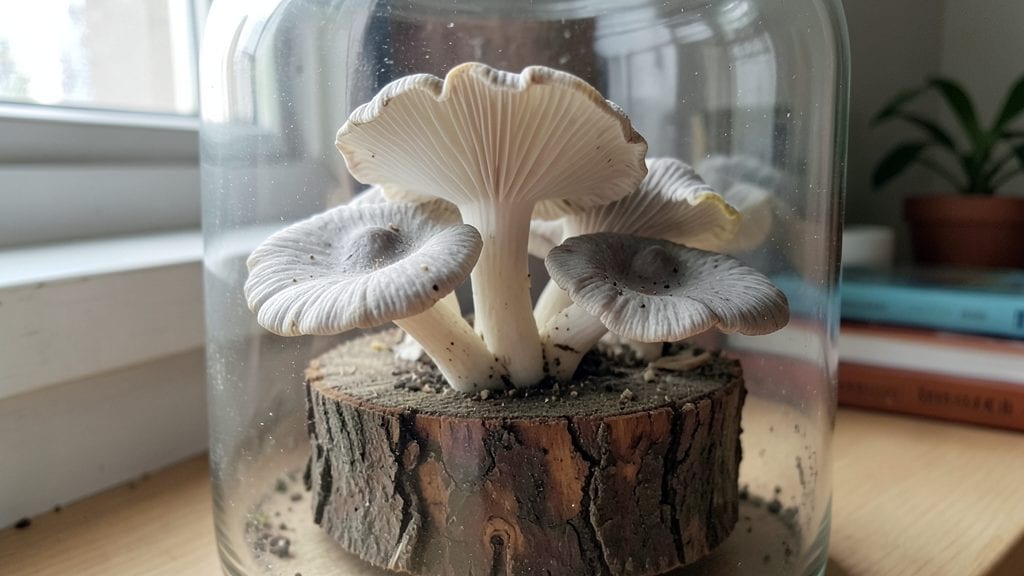
Growing mushrooms indoors as a living plant is like cultivating a tiny, edible forest—no sunlight required. 🌿 I’ve turned my basement corner into a thriving micro-greenhouse where oyster mushrooms grow in just 10-14 days after inoculation, their delicate fronds unfurling like nature’s own art.
The secret lies in mimicking their natural habitat: warm, humid, and dark conditions that feel more like a cave than a kitchen shelf.
Most people assume mushrooms need fancy setups, but you only need sterilized substrate (straw, sawdust, or coffee grounds), a spray bottle, and a sealed container. Oyster mushrooms are the easiest to start—they tolerate cooler temps and fruit faster than shiitake or lion’s mane, making them perfect for beginners.
My first batch grew in a repurposed plastic bin with a damp towel draped over the top, and now I’m hooked on the earthy, woodsy aroma that fills the room when they’re ready to harvest.
You’ll harvest clusters of plump, flavorful mushrooms within weeks, not months, and the process is oddly satisfying—like watching a living organism transform raw materials into something delicious.
The key is keeping humidity high (think 80-90%) and avoiding drafts, which is easier than you’d think with a few simple tools. Even if you’ve killed houseplants before, mushrooms are forgiving—they’ll tell you when something’s wrong by slowing their growth or developing mold.
This method works year-round, whether you’re in a tiny apartment or a sprawling home, and scales from a single tray to a full indoor farm. The best part? No pesticides, no soil, and no sunlight—just pure, satisfying fungal magic. Let’s get those mycelium networks growing!
Root Issues Behind Fungal Growth
When your indoor mushroom plant starts showing unexpected fungal growth—like fuzzy white or black patches—it’s usually a sign that something has gone awry in its environment. Understanding the root causes helps you take corrective action before the problem spirals.
Below, we break down the most common culprits, backed by science, so you can address them with precision.
🌡️ Overly Humid Conditions
Mushroom plants thrive in high humidity, but excessive moisture in the air creates the perfect breeding ground for fungal spores. When humidity levels exceed 80%, spores in the air or soil can germinate rapidly, leading to mold or mildew.
This is especially true if your plant is in a closed terrarium or sealed container without proper ventilation.
- Why it happens: Fungal spores are always present in the air, but they need moisture to activate. High humidity increases the relative humidity (RH) around the plant, making the substrate (soil or growing medium) stay damp longer than ideal.
- Science behind it: Fungi like Botrytis cinerea (gray mold) and Rhizopus stolonifer (black bread mold) thrive in environments where water isn’t evaporating quickly enough. If your mushroom plant’s pot lacks drainage holes or is sitting in a saucer of water, the roots suffocate, and fungal growth accelerates.
- Actionable fix:
- Use a hygrometer to monitor humidity—aim for 60-75% during the day and slightly lower at night.
- Improve airflow with a small fan on low speed (just enough to create a gentle breeze).
- Avoid misting the plant directly; instead, use a humidifier near the plant (not on it) or place the pot on a pebble tray with water for indirect moisture.
💧 Poor Drainage or Waterlogged Soil
Mushroom plants are sensitive to waterlogged roots, which cut off oxygen supply and create anaerobic conditions—ideal for harmful fungi. If your plant’s container lacks drainage holes or you’re overwatering, the soil stays soggy, inviting Pythium or Phytophthora root rot.
- Why it happens: Fungi like Pythium release enzymes that break down plant cell walls in waterlogged soil. Without oxygen, the roots weaken, and the plant becomes stressed, making it more susceptible to infections.
- Science behind it: Healthy mushroom mycelium (the root-like network) requires aerated soil to function. When soil stays wet for more than 24-48 hours, beneficial microbes die off, and pathogens take over.
- Actionable fix:
- Repot your mushroom plant in a container with drainage holes and use a well-draining mix (e.g., 50% peat moss, 30% perlite, 20% coconut coir).
- Water only when the top inch of soil feels dry. Stick your finger in the soil—if it’s damp below 1 inch, wait.
- Add a layer of orchid bark or vermiculite to improve soil structure and prevent compaction.
🍄 Contaminated Growing Medium
Even high-quality soil or substrate can harbor latent fungal spores if it’s not sterilized or properly aged. If you’re using outdoor soil, compost, or old growing medium, it may already contain Trichoderma or other competitive fungi that outcompete your mushroom plant.
- Why it happens: Many fungi are opportunistic, meaning they lie dormant until conditions (like high moisture and warmth) favor their growth. If your substrate wasn’t pasteurized or treated, spores can germinate alongside—or instead of—your desired mushrooms.
- Science behind it: Some fungi, like Aspergillus, produce mycotoxins that inhibit mushroom growth. Others, like Mucor, form fast-growing mats that smother mycelium.
- Actionable fix:
- Use sterilized or pasteurized substrate (e.g., pre-mixed mushroom grow kits or homemade pasteurized hardwood sawdust).
- If repotting, sterilize your tools with rubbing alcohol and wear gloves to avoid transferring contaminants.
- Consider using filter-sterilized water (boiled and cooled) to prevent introducing spores from tap water.
🌡️ Temperature Fluctuations
Mushroom plants prefer stable, cool temperatures (typically 65-75°F or 18-24°C). Sudden temperature swings—like drafts from AC vents or heaters—stress the plant and weaken its defenses, making it easier for fungi to take hold.
- Why it happens: Cold temperatures slow down mycelial growth, while warm conditions speed up fungal reproduction. If your plant is near a window with direct sunlight or a heating vent, the imbalance creates stress.
- Science behind it: Fungi like Fusarium thrive in warmer, moist conditions, while beneficial microbes struggle. A 10°F (-12°C) swing in 24 hours can disrupt the plant’s metabolism, making it vulnerable.
- Actionable fix:
- Place your mushroom plant in a consistently cool, shaded spot (avoid direct sunlight or radiators).
- Use a thermometer to monitor temperature—ideal ranges vary by species, but most indoor mushrooms prefer 60-70°F (15-21°C).
- If using grow lights, keep them 12-18 inches away to prevent overheating.
Pro Tip: 💡 If you spot fungal growth early, isolate the plant immediately to prevent spores from spreading to other houseplants. Remove affected areas with sterilized scissors and treat the soil with a 3% hydrogen peroxide solution (1 part peroxide to 3 parts water) to disinfect.
Fixing Common Indoor Plant Woes
Even the hardiest mushroom indoor plants (like Polyporus or Ganoderma) can struggle when conditions stray from their natural habitat. But don’t worry—most issues have simple fixes. Below, we’ll tackle the most common problems with clear, actionable steps to restore your plant’s health and keep it thriving in low-light spaces.
🍄 Overwatering: Yellowing or Mushy Stems
If your plant’s base feels soggy or stems turn mushy, it’s likely drowning in excess water. Fungal infections like root rot can set in quickly, especially in humid indoor environments.
🔥 Step-by-Step Fix:
- 🚰 Stop Watering Immediately Let the soil dry out completely before watering again. Use your finger to check moisture—if the top 1–2 inches are damp, wait another day.
- 🌱 Repot in Fresh Soil (If Needed) If roots smell foul or look black/mushy, trim away the affected parts with sterilized scissors. Repot in a well-draining mix (add perlite or orchid bark to improve aeration).
- 💨 Improve Airflow Move your plant to a spot with gentle airflow (e.g., near a fan on low speed) to speed up drying.
💡 Prevention Tips:
- Use a pot with drainage holes (even decorative ones—drill them if needed!).
- Water only when the topsoil is bone-dry (stick your finger in to test).
- Avoid sitting the pot in saucers of water—empty excess after 10 minutes.
☀️ Too Much Light: Bleached or Crispy Fronds
While these plants tolerate low light, direct sunlight can scorch their delicate structures. Look for white or brown patches on the caps—this is a sign of sunburn.
🍳 How to Revive:
- 🌿 Move to Indirect Light Place your plant 3–5 feet away from windows or under sheer curtains. East-facing windows are ideal for gentle morning light.
- 🌡️ Gradually Acclimate (If Moving Back Outside) If you’re transitioning your plant to outdoor shade, do it slowly over 1–2 weeks to avoid shock.
✨ Prevention Tips:
- Rotate the pot weekly so all sides get even light exposure.
- Avoid south- or west-facing windows unless filtered heavily.
- Watch for heat buildup near glass—use a thermometer to monitor temps (ideal: 65–75°F).
🕷️ Pest Invasion: Spider Mites or Fungus Gnats
Tiny pests can wreak havoc on your mushroom plant, especially if humidity is high. Spider mites leave webbing, while fungus gnats hover near the soil surface.
👨🍳 Treatment Guide:
| Pest | Solution | Frequency |
|---|---|---|
| Spider Mites | Spray with a mix of 1 tsp neem oil + 1 tsp dish soap in 1 quart water. Isolate the plant for 24 hours. | Repeat every 3–5 days until gone. |
| Fungus Gnats | Let soil dry between waterings. Place yellow sticky traps near the plant. For severe cases, top-dress with sand or cinnamon to disrupt larvae. | Check traps weekly; reapply cinnamon every 2 weeks. |
🎯 Prevention Tips:
- Reduce humidity slightly (aim for 40–60%) with a small dehumidifier or AC.
- Avoid over-fertilizing—pests love nitrogen-rich soil.
- Inspect new plants before bringing them home (quarantine for 2 weeks).
🍂 Slow Growth or Wilting
If your mushroom plant looks lethargic but isn’t diseased, it might be hungry or stressed. Slow growth often stems from poor nutrition or compacted soil.
🥘 Boost Growth in 3 Steps:
- 🌱 Refresh the Soil Gently loosen the top layer of soil and mix in compost or worm castings (10% of the pot’s volume). Avoid heavy fertilizers—these plants prefer gentle feeding.
- 💧 Adjust Watering Water deeply but infrequently. Let the soil dry out completely between sessions to encourage root exploration.
- 🌿 Check Humidity Mist the plant lightly 2–3 times a week or place the pot on a tray of pebbles with water (ensure the pot isn’t sitting in water).
🔥 Pro Tip:
- Feed lightly in spring/summer with a balanced liquid fertilizer (diluted to half strength) every 6–8 weeks. Skip fertilizing in fall/winter.
🌡️ Temperature Stress: Cold Drafts or Heat Spikes
Mushroom plants thrive in stable temperatures. Drafts from AC vents or sudden heat from radiators can cause fronds to curl or dry out.
🔪 Quick Fixes:
- Move the plant away from drafts, vents, or direct heat sources.
- Use a heat mat (on low) under the pot if your home runs cold at night (ideal nighttime temp: 60°F+).
- Group plants together to create a microclimate with more stable humidity.
🌡️ Ideal Conditions Cheat Sheet:
| Factor | Optimal Range | Signs of Stress |
|---|---|---|
| Temperature | 65–75°F (day), 60°F+ (night) | Wilting, curled fronds, slow growth |
| Humidity | 40–60% | Brown tips, dry soil cracks |
| Light | Bright, indirect | Pale caps, stretched growth |
With these fixes, your mushroom indoor plant should bounce back in weeks. The key is consistency—monitor conditions closely, and don’t hesitate to adjust as seasons change. Happy growing! 🌿✨
Frequently asked questions
What’s the best substrate for beginners growing mushrooms indoors?
For absolute beginners, hardwood sawdust or sterilized straw are the easiest substrates to start with. Both are readily available in pre-mixed mushroom grow kits and require minimal prep work. Oyster mushrooms, in particular, thrive on sawdust, while shiitake prefer hardwood blocks. Just ensure your substrate is pasteurized or sterilized to avoid contaminants!
How do I know if my mushroom plant is getting enough humidity?
Mushrooms love 80-90% humidity, but you can’t guess—use a hygrometer for accuracy! If your mushroom caps stay flat or develop brown edges, it’s likely too dry. Try placing your grow tray on a pebble tray with water or use a small humidifier nearby. A simple DIY trick is to drape a damp towel over the container, but avoid soaking the substrate.
Why is my mushroom mycelium growing slowly or not at all?
Slow or stalled mycelium growth usually means one of three things: wrong temperature (keep it between 70-75°F), low humidity (aim for 80%+), or contaminated substrate. Check for mold or weird smells—if you see fuzzy growth, your mycelium may be losing the battle. Try moving to a warmer, more humid spot and ensure your substrate is fresh and sterile.
Can I grow mushrooms indoors year-round, or does it depend on seasons?
You can absolutely grow mushrooms indoors year-round—no seasons required! Indoor environments let you control temperature, humidity, and light, so oyster mushrooms will fruit just as well in winter as they do in summer. The only thing to watch is temperature fluctuations near windows or heating vents. Keep your grow space stable, and you’ll have fresh mushrooms anytime you want!
What’s the fastest mushroom variety for indoor beginners?
Oyster mushrooms are the fastest and easiest for indoor beginners, fruiting in 7-14 days after inoculation. They tolerate cooler temps (down to 50°F) and grow well in sawdust or straw. Lion’s mane and shiitake take longer (3-4 weeks) and need more precise conditions, so start with oysters to build confidence before moving to more challenging varieties!