
Planting
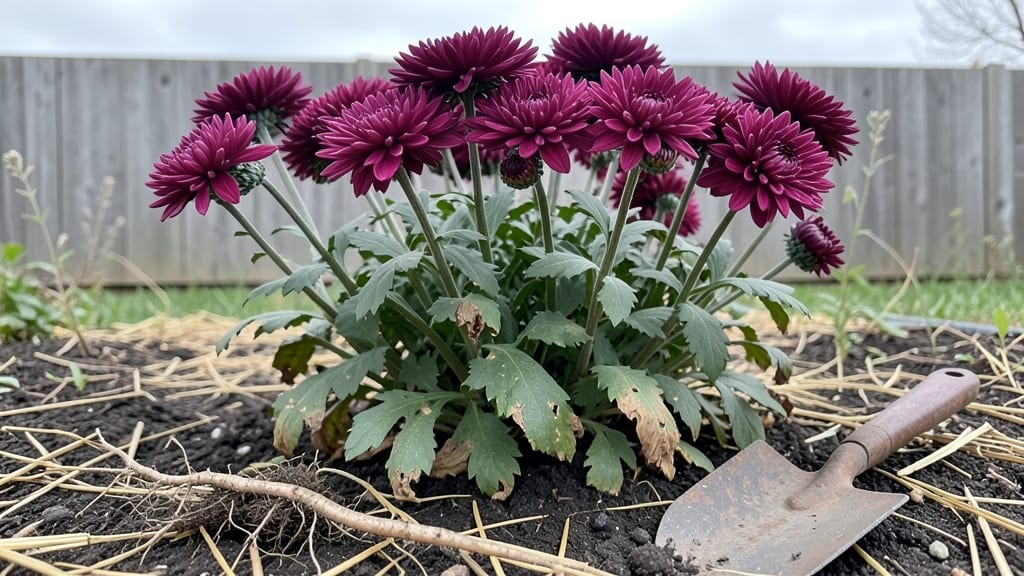
The mums planting season in late summer unlocks stunning fall blooms—but get the timing wrong, and you’ll end up with weak, underperforming plants. 🌼
Nothing beats the vibrant burst of color chrysanthemums bring to fall gardens, but getting the timing right is everything. Plant too early, and they bolt; too late, and frost stunts their growth. The key lies in understanding your USDA zone and adjusting for local frost dates.
Whether you're starting from seeds or transplants, this guide breaks down the exact planting windows, soil prep secrets, and zone-specific tips to maximize blooms. Skip the guesswork and learn how to give your mums the perfect start.
From 6a hardiness to coastal climates, I’ll walk you through the critical steps—so you can enjoy a garden bursting with color from September through frost.


Best months to plant mums by US hardiness Zones (with exact dates)
Timing is everything when planting chrysanthemums (mums), especially since they thrive in cooler temperatures. Whether you're growing annual mums for vibrant fall color or perennial mums that return year after year, your USDA hardiness zone dictates the perfect planting window.
In colder zones like Zone 3-5, you’ll plant earlier than in warmer Zone 9-11 climates. Let’s break down the exact months and dates to maximize your blooms.
Mums are famously fall-blooming plants, but their planting schedule varies dramatically across regions. For example, gardeners in Zone 7 might plant in early September, while those in Zone 10 can wait until late October.
Even within the same zone, high-altitude areas or coastal climates may shift these dates by 2-4 weeks. Adjust for your local frost dates—aim to plant 4-6 weeks before your first frost for the best results.
Annual mums and perennial mums also have different timing needs. Annual mums are typically planted in late summer to early fall for immediate fall color, while perennial mums can be planted in either early spring or early fall, depending on your zone.
Perennials need time to establish roots before winter, so fall planting is ideal in most regions.
Here’s a quick reference for zone-specific planting dates. Use these as a guide, but always check your local frost dates for precision.
The table below outlines the best planting months for mums across USDA Zones 3-11, including adjustments for high-altitude and coastal regions. For example, in Zone 5, you’ll plant in mid-August, while in Zone 9, late October works best.
Always plant annual mums 4-6 weeks before frost to ensure robust blooms.
If you live in a high-altitude area (e.g., Denver or Colorado Springs), shift your planting dates 2-3 weeks earlier due to cooler temperatures. Conversely, coastal climates (like San Francisco or Seattle) may allow you to plant 1-2 weeks later because of milder microclimates.
Monitor your local weather patterns closely, as unexpected early frosts can damage young plants.
For perennial mums, early spring planting is also an option in Zones 5-9. Plant in March or April to give roots time to establish before summer heat. However, fall planting remains the preferred method for most gardeners, as it aligns with the plant’s natural growth cycle.
Always choose healthy transplants with firm stems and vibrant leaves for the best success.
Pro tip: Pinch back your mums 6-8 weeks after transplanting to encourage bushier growth and more blooms. This works for both annual and perennial varieties. Use clean, sharp scissors to snip the top set of leaves, and repeat every 2-3 weeks until early summer.
This simple step can double your flower production!
Now that you know the exact planting windows for your zone, let’s talk about soil prep. Mums prefer well-draining, slightly acidic soil with a pH of 6.0-6.5. Amend your soil with compost or aged manure before planting to provide essential nutrients.
Avoid fresh manure, which can burn young roots. Mulch around the base after planting to retain moisture and suppress weeds.
Remember, the key to stunning mums is consistent care. Water deeply once a week (more in extreme heat), and fertilize every 4-6 weeks with a balanced 10-10-10 fertilizer during the growing season. With the right timing and a little TLC, your garden will burst with color come fall! 🌼
For annual mums, consider container gardening if your zone has early frosts. You can extend the season by bringing pots indoors before the first frost and replanting them in spring.
This trick works especially well for gardeners in Zones 3-5 who love the look of mums but have short growing seasons.
Finally, don’t forget to deadhead spent blooms to encourage more flowers. This simple task keeps your mums looking their best and prolongs the blooming season. With these tips, you’ll have a show-stopping fall display every year—no matter your zone! 🌻
Need a reminder? Bookmark this guide or save it to your gardening journal for next year. Happy planting!