
Diseases
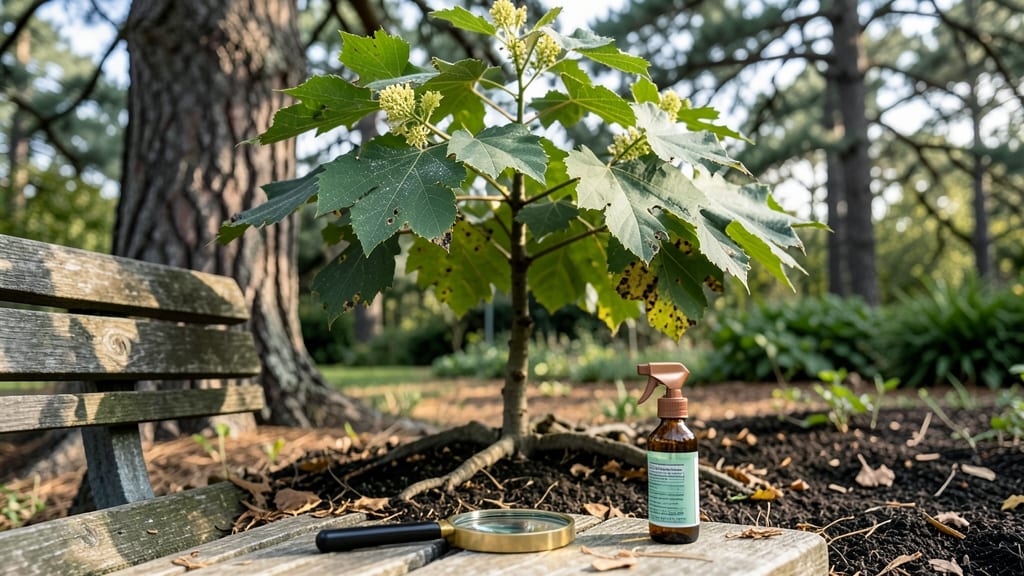
Mulberry plant diseases like anthracnose and powdery mildew can turn your lush trees into sad, spotted shadows—unless you catch them early. 🌿 I’ve watched entire harvests ruined by blackened leaves and stunted berries, but the right moves turn the tide.
The key is knowing what to look for before the fungus spreads unchecked.
Most mulberry diseases start with too much moisture or poor airflow—wet leaves and crowded branches are basically an open invitation for spores. My first year growing mulberries, I ignored the early yellowing until it was too late.
Now I prune aggressively in spring, space plants properly, and water at the base, never overhead. Small changes prevent big headaches.
You’ll spot the difference fast: healthy mulberries burst with deep purple fruit and glossy leaves, while infected ones show powdery white coatings, black spots, or wilting branches.
A simple mix of neem oil and baking soda spray stops powdery mildew in its tracks, and copper fungicide tackles anthracnose before it takes hold. No harsh chemicals needed—just smart timing.
This works for both backyard trees and container-grown mulberries. The secret isn’t just treating symptoms—it’s creating an environment where diseases can’t get a foothold. Let’s get your mulberries thriving again.
Root Causes of Mulberry Ailments
Understanding why mulberry plants fall victim to diseases is the first step in protecting them. These issues rarely appear out of nowhere—they’re usually the result of a mix of environmental stress, poor growing conditions, or microbial invaders.
Let’s break down the key culprits behind mulberry plant diseases and why they strike when they do.
Fungi are the most common and destructive enemies of mulberry plants. They thrive in damp, warm conditions and can spread rapidly if left unchecked. Here’s why they become such a problem:
- Overhead Watering & Poor Airflow 💦 Fungi like Botryosphaeria (causing dieback) and Colletotrichum (anthracnose) love moisture.
When mulberry leaves stay wet for extended periods—especially from overhead irrigation or dense foliage blocking airflow—fungal spores germinate and infect the plant. Actionable fix: Water at the base in the early morning and prune to improve circulation.
- Wounded Bark or Leaves 🔪 Mulberries are susceptible to fungal entry points like pruning cuts, insect bites, or storm damage. Pathogens such as Valsa (canker disease) exploit these openings to colonize the plant’s vascular system. Actionable fix: Sterilize pruning tools with rubbing alcohol and seal wounds with pruning paint.
- Contaminated Soil or Tools 🌍 Fungal spores persist in soil, old mulch, or reused tools. If you’ve had infected mulberries before, spores may linger, reinfecting new plants. Actionable fix: Solarize soil in summer or use fungicidal soil drenches before replanting.
Mulberries are hardy, but extreme or inconsistent conditions weaken their defenses, making them vulnerable to diseases.
- Temperature Swings ❄️☀️ Sudden shifts—like late spring frosts or heatwaves—stress mulberries, reducing their ability to fend off pathogens. For example, Alternaria leaf spot thrives in hot, humid weather after a cold snap. Actionable fix: Use shade cloth in summer and row covers in spring to moderate temperatures.
- Poor Drainage & Waterlogged Soil 💦🌊 Mulberries hate soggy roots. Waterlogged conditions invite Phytophthora (root rot) and Pythium, which suffocate roots and block nutrient uptake. Actionable fix: Plant on slopes or raised beds and amend heavy soil with compost or perlite.
- Nutrient Deficiencies 🍃🚫 A lack of key nutrients (like nitrogen, phosphorus, or potassium) weakens mulberries, making them easier targets.
For instance, yellowing leaves (chlorosis) from iron deficiency can signal stress that opens the door to fungal infections. Actionable fix: Test soil annually and fertilize with a balanced 10-10-10 or organic compost.
Insects don’t just damage mulberries—they create entry points for diseases. Here’s how:
- Sap-Sucking Insects (Aphids, Scale, Mealybugs) 🐜🍯 These pests feed on mulberry sap, weakening the plant and excreting honeydew—a sticky substance that fosters sooty mold (Capnodium). Sooty mold blocks sunlight, further stressing the plant. Actionable fix: Blast off pests with water or use neem oil weekly during outbreaks.
- Borers & Leaf Miners 🐛🍃 Larvae tunneling into stems or leaves create wounds where fungi like Cercospora (leaf spot) can take hold. Actionable fix: Apply kaolin clay or Bacillus thuringiensis (Bt) to deter borers early.
- Root-Feeding Grubs 🪲🌱 Grubs from beetles or Japanese beetles chew on roots, leaving mulberries susceptible to root rot. Actionable fix: Use nematodes (Heterorhabditis bacteriophora) or milky spore bacteria to control grubs.
Sometimes, well-meaning gardening practices backfire. Here’s what to avoid:
- Overcrowding Plants 🏢🌳 Dense mulberry plantings trap moisture and reduce airflow, creating ideal fungal conditions. Actionable fix: Space plants 10–15 feet apart for mature trees.
- Ignoring Pruning Hygiene ✂️🚫 Pruning during rainy seasons or with dirty tools spreads fungal spores. Actionable fix: Prune in dry weather and sterilize tools between cuts.
- Using Infected Propagation Material 🌱🔄 Grafting or planting cuttings from diseased mulberries risks transferring pathogens. Actionable fix: Source certified disease-free cuttings or rootstock.
Where you grow mulberries matters. Regional climate patterns can dictate disease risks:
- Humid Climates 🌧️ Areas with high humidity (like the Southeast U.S.) see more anthracnose and powdery mildew. Actionable fix: Choose resistant varieties like Morus alba ‘Illinois Everbearing’ and use fungicides preventatively.
- Arid or Windy Regions 🌬️🏜️ Drought stress or salt spray (coastal areas) weakens mulberries, making them prone to bacterial leaf scorch. Actionable fix: Mulch heavily and irrigate deeply during dry spells.
- Urban Pollution 🏙️🚗 Air pollution or soil contamination can suppress beneficial microbes, tipping the balance toward pathogens. Actionable fix: Test soil for heavy metals and amend with mycorrhizal fungi to boost plant immunity.
Quick Fixes for Mulberry Plant Ailments
When your mulberry plant starts showing signs of distress—whether it’s yellowing leaves, black spots, or wilting branches—acting fast is key. Below are practical, step-by-step solutions tailored to the most common mulberry plant diseases, along with prevention tips to keep your tree thriving.
Think of this as your emergency first-aid kit for mulberry care!
Fungi thrive in damp, shaded conditions, so pruning and airflow are your best defenses.
🔥 Remove Infected Areas Immediately
- What to do: Use sterilized pruning shears (wipe with rubbing alcohol) to cut off all yellowed, spotted, or mushy leaves/stems.
Dispose of them in a sealed trash bag—do not compost infected plant material. - How deep? Trim at least ½ inch below the affected area to prevent spores from lingering. - Pro tip: 💡 If the disease is severe (like root rot), remove the entire plant to stop spread—mulberry trees are resilient, and new growth will return!
🌡️ Boost Air Circulation & Sunlight
- Space it out: Mulberry trees need 6–8 hours of sunlight daily. If yours is in shade, gradually move it to a sunnier spot (over 1–2 weeks to avoid shock).
- Prune strategically: Thin out dense branches to improve airflow.
Aim for a vase-like shape with open centers. - Avoid overhead watering: Water at the base (not leaves) to keep foliage dry. Use a soaker hose or drip irrigation.
🛡️ Apply Fungicides (When Needed)
- Preventative spray: Mix 1 tsp baking soda + 1 quart water + a few drops of dish soap (as a surfactant).
Spray every 7–10 days during humid months. - For stubborn infections: Use a copper-based fungicide (like Copper Soap) or neem oil spray (1 tbsp neem oil + 1 quart water + a drop of soap).
Reapply every 2 weeks until symptoms fade. - 💡 Pro tip: Test a small branch first—some mulberry varieties are sensitive to strong chemicals!
🌱 Soil & Mulch Adjustments
- Improve drainage: If your soil stays soggy, amend it with compost or perlite to prevent root rot.
- Avoid thick mulch: Keep mulch 2–3 inches away from the trunk and no deeper than 2–3 inches total.
Pests weaken mulberry trees, making them vulnerable to secondary infections. Here’s how to evict the invaders!
🔍 Identify & Isolate Infestations
- Spider mites? Look for tiny webs on undersides of leaves. Wipe leaves with a damp cloth to remove eggs.
- Scale insects? Check for brown bumps on stems/leaves.
Scrape them off with a soft brush (dip in soapy water first). - Borers? Tap on branches—hollow sounds mean larvae are inside. Prune and burn infested wood immediately.
🍳 Homemade Pest Repellents
| Pest | Solution | Frequency |
|---|---|---|
| Aphids | Spray with soapy water (1 tsp mild soap per quart water) | Every 3–4 days until gone |
| Whiteflies | Neem oil spray (1 tbsp neem + 1 tsp soap per quart water) | Weekly until control |
| Japanese Beetles | Kaolin clay spray (follow label) or handpick into soapy water | As needed |
| Borers | Beneficial nematodes (apply to soil) or prune & burn infested wood | Once (preventative) |
👨🍳 Introduce Natural Predators
- Ladybugs (for aphids)
- Parasitic wasps (for scale insects)
- Birds & lizards (encourage with a bird feeder or rock piles)
🌿 Strengthen the Plant’s Defenses
- Fertilize lightly: Use a balanced 10-10-10 fertilizer in early spring to boost immunity.
- Avoid overwatering: Mulberry trees prefer moderate moisture—water deeply 1–2 times per week (adjust for climate).
These are harder to cure but can be managed with strict hygiene and quick action.
🔪 Prune Aggressively
- Cut out all infected leaves/stems down to healthy green tissue. Sterilize tools between cuts with bleach water (1:10 ratio).
- Burn or trash infected material—do not compost.
🛁 Clean Up Debris
- Remove fallen leaves and mulch from around the base. Bacteria and viruses hibernate in organic matter.
- Disinfect tools after pruning with rubbing alcohol.
🌧️ Adjust Watering Habits
- Water in the morning so foliage dries by evening.
- Avoid splashing—use a watering wand with a gentle spray.
💊 Copper-Based Bactericides (Last Resort)
- If blight spreads, use a copper fungicide (like Copper Fungicide) every 10–14 days until new growth appears.
- ⚠️ Warning: Overuse can harm beneficial microbes—rotate with neem oil if possible.
The best "cure" is a strong, disease-resistant tree. Here’s how to prevent problems before they start:
🌡️ Monitor & Act Early
- Inspect weekly for spots, holes, or sticky residue (sign of pests).
- Isolate new plants for 2–4 weeks before introducing them to your garden.
🌿 Choose Disease-Resistant Varieties
- Illinois Everbearing (resistant to mildew)
- Red River (tolerates heat/drought better)
- Akebono (less prone to fungal issues)
🌡️ Soil & Climate Control - Test soil pH (mulberries prefer 6.0–7.0).
Adjust with lime (to raise) or sulfur (to lower). - Plant in well-draining soil—never let roots sit in water. - Mulch correctly: Use wood chips or straw, but keep it loose (not compacted).
🎯 Seasonal Maintenance Checklist
| Season | Task |
|---|---|
| Spring | Prune dead wood, apply neem oil spray, fertilize lightly |
| Summer | Monitor for powdery mildew, water deeply but avoid wetting leaves |
| Fall | Remove all fallen leaves, mulch 2–3 inches thick |
| Winter | Prune lightly (avoid heavy cuts), check for dormant pests |
Final Thought: 🌟 A healthy mulberry tree is your best defense! By staying proactive—pruning, monitoring, and adjusting care—you’ll minimize diseases and enjoy lush, productive trees for years. If in doubt, act fast: the earlier you treat issues, the easier they are to fix!
Frequently asked questions
What are the most common signs of mulberry plant diseases?
Watch for powdery white coatings (powdery mildew), black or brown spots (anthracnose), yellowing leaves (nutrient deficiencies or fungal stress), and wilting branches (vascular diseases like bacterial blight). Early detection is key—check undersides of leaves and new growth weekly.
Can I save a mulberry tree with severe fungal infection?
Yes, but act fast! Prune out all infected branches (down to healthy tissue), apply copper fungicide every 2 weeks, and improve airflow by thinning dense foliage. For root rot, you may need to replace the plant—mulberries recover poorly from deep fungal infections.
How do I prevent mulberry diseases without chemicals?
Start with proper spacing (10–15 feet between trees), water at the base (never overhead), and prune for airflow. Use a neem oil spray (1 tbsp/quart water) every 2 weeks during humid months. Healthy soil with mycorrhizal fungi also boosts natural resistance.
Why does my mulberry plant get powdery mildew every summer?
Powdery mildew thrives in hot, humid conditions with poor airflow—common in summer. To break the cycle, space plants wider, water early in the day, and apply a baking soda spray (1 tsp baking soda + 1 quart water + soap) weekly. Resistant varieties like 'Illinois Everbearing' help too.
Is it safe to compost mulberry leaves with fungal spots?
No—never compost infected plant material. Fungal spores survive composting and can reinfect your garden. Instead, bag infected leaves in a sealed trash bin or burn them (if local regulations allow). Sterilize tools and containers after handling diseased plants.