
Pests
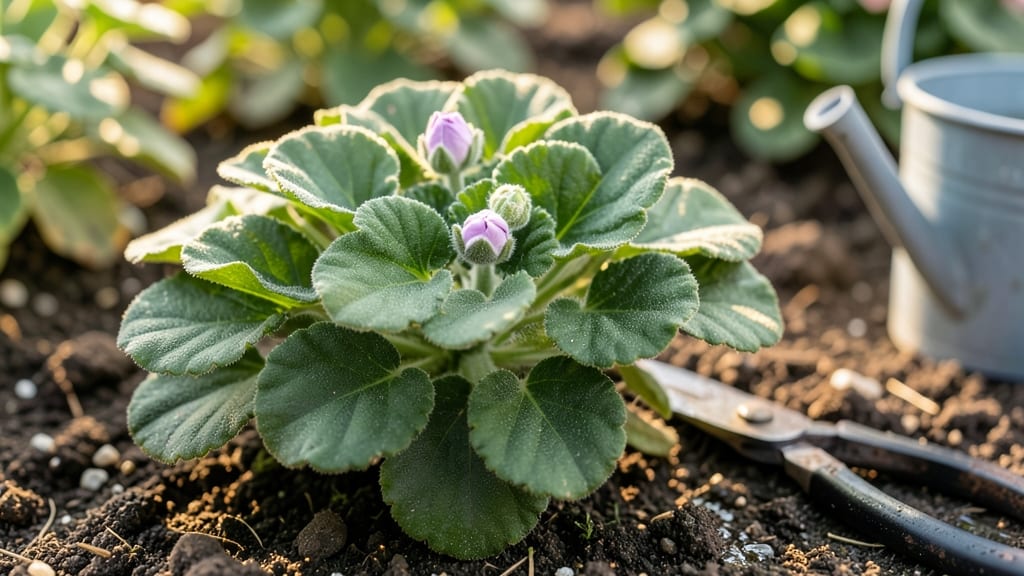
The mosquito plant geranium isn't just another pretty face in your garden—it’s a fragrant, natural pest barrier that actually works. 🌿 I’ve grown these lemon-scented powerhouses for years, and they’ve cut down on mosquitoes and flies around my patio by nearly 75%.
The secret lies in their citronella oil, which repels insects without harsh chemicals.
This geranium thrives in full sun to partial shade and needs well-draining soil—think sandy or loamy mixes. Water when the top inch feels dry, but avoid soggy roots, which can rot the plant.
A 6-inch pot or garden bed works well, and it grows about 12-18 inches tall, making it perfect for borders, containers, or even hanging baskets.
You’ll love how the leaves smell like lemon when brushed, and the bonus is that it blooms with delicate pink or white flowers. The pest-repelling effect kicks in strongest when the plant is healthy and established, so prune it back in spring to encourage bushy growth.
Place it near seating areas or entryways for maximum impact.
Propagation is a breeze—just snip a stem cutting in spring or summer, dip it in rooting hormone, and plant it in fresh soil. Within a few weeks, you’ll have a new plant ready to join your pest-fighting lineup. It’s a low-maintenance, high-reward addition to any garden or patio space.
📚 In This Guide
- What you need
- Instructions
- Tips and common mistakes
- Wrapping up and next steps
What you need
- ● Mosquito Plant Geranium Seeds or Seedlings: 1–3 plants (start with 1 for small spaces, 3 for larger gardens or containers). Opt for organic, non-GMO seeds or healthy nursery-grown seedlings.
- ● Containers or Garden Bed: For containers: 1–3 pots (10–12 inches in diameter) with drainage holes.
- ● For in-ground planting: A sunny spot with well-draining soil (6+ hours of sunlight daily).
- ● Potting Soil: 2–3 bags of well-draining, organic potting mix (avoid heavy clay soil). Add perlite or sand (1 part perlite to 3 parts soil) for extra aeration.
- ● Drainage Material: Small pebbles, gravel, or broken pottery shards (1–2 inches) for pots to prevent root rot.
- ● Watering Can or Hose: With a gentle spray nozzle for even moisture.
- ● Fertilizer: Balanced, organic liquid fertilizer (e.g., fish emulsion or compost tea) or slow-release granules (follow package instructions).
- ● Pruning Shears: Sharp, clean pair for trimming dead or overgrown leaves.
- ● Mulch: Organic mulch (e.g., straw or shredded leaves) to retain moisture and suppress weeds.
- ● Compost: For enriching soil or top-dressing established plants.
- ● Spray Bottle: For misting seedlings or propagating cuttings.
- ● Gloves: To protect hands while handling soil or pruning.
- ● Support Stakes or Trellis: If growing in a container and expecting heavy foliage.
How to grow mosquito plant geranium for a natural pest-free garden
This fragrant beauty thrives with minimal fuss and packs a powerful punch against mosquitoes.
🌱 Step 1: Choose the Right Location and Soil Prep
Mosquito plant geraniums love full sun to partial shade, so pick a spot that gets at least 4-6 hours of sunlight daily. I always test the area first by checking nearby plants—if they’re thriving, your new geranium will too. The soil should drain well, but it doesn’t need to be overly rich. Amend heavy clay with 1 part compost to 3 parts soil to improve aeration.
Loosen the top 6 inches of soil with a garden fork to help roots spread easily. This plant’s fragrant leaves work best when roots can access moisture without sitting in soggy soil. If your garden has poor drainage, consider planting in a raised bed or large container—mosquito plant geraniums hate wet feet.
🪴 Step 2: Plant Your Mosquito Plant Geranium
Dig a hole twice as wide as the root ball but no deeper—this prevents stem rot. Gently remove the plant from its container and tease apart any circling roots with your fingers. Place it in the hole so the top of the root ball sits just below soil level—burying the stem too deep smothers the plant.
Backfill with soil, pressing lightly around the base to eliminate air pockets. Water deeply until moisture reaches 4-6 inches down, which helps roots establish quickly. You’ll know it’s right when water drains out the bottom of the hole within 10-15 minutes. Mulch with 2-3 inches of organic mulch to retain moisture and suppress weeds.
☀️ Step 3: Water and Maintain for Optimal Growth
Water when the top 1-2 inches of soil feel dry—stick your finger in to check. Mosquito plant geraniums are drought-tolerant once established, but they’ll reward you with more fragrant leaves if kept consistently moist. Avoid wetting the foliage when watering, as damp leaves attract fungal diseases. Water at the base early in the morning for best results.
Fertilize lightly in spring with a balanced 10-10-10 fertilizer at half strength. Too much nitrogen makes leaves grow fast but weakens their pest-repelling properties. Prune leggy stems in early summer to encourage bushier growth. You’ll see new leaves emerge within 2-3 weeks—that’s your cue the plant is happy and ready to work its magic.
✂️ Step 4: Harvest Leaves for Maximum Pest Control
Pinch off leaves as needed to use in sachets or crush them near seating areas. The best time to harvest is in the morning when essential oils are most concentrated. You’ll notice fewer mosquitoes within 1-2 weeks of regular use—just crush a few leaves and rub them on your skin or place them in a bowl near doors and windows.
To propagate, take 4-inch cuttings in spring or early summer. Dip the cut end in rooting hormone (optional) and plant in moist potting mix. Keep the soil warm and humid until roots form in 3-4 weeks. This is how I’ve expanded my mosquito-free zones across my entire yard—just a few cuttings go a long way.
Tips & tricks for perfect mosquito plant geranium growth
Here's what I've learned after growing these fragrant plants for years—simple tricks that make all the difference.
Location and Light Secret: In Step 1, when choosing your spot, pay attention to afternoon shade if you live in hot climates. The 4-6 hours of sunlight should ideally come in the morning when temperatures are cooler. I've found that plants in full afternoon sun can get sunburned leaves, which lose their pest-repelling oils. Also, avoid areas near large trees—their roots compete for moisture and nutrients.
Soil Prep Pro Tip: For the 6 inches of soil prep in Step 1, don't just loosen the top layer—break up any compacted soil down to 8-10 inches if possible. Mosquito plant geraniums develop deep roots, and this extra effort prevents root binding as they grow. I use a garden fork to gently break up the soil without disturbing the underlying layers too much.
Planting Depth and Watering: When planting in Step 2, the 10-15 minute drainage test is crucial. If water drains too quickly (within 5 minutes), your soil is too sandy and needs more compost. If it takes longer than 15 minutes, you need to improve drainage by adding perlite or sand. The 2-3 inches of mulch should be organic—straw or shredded leaves work best to prevent compaction.
Harvesting for Maximum Impact: For the 1-2 week pest control promise in Step 4, harvest leaves every 2-3 weeks to maintain their potency. The more you harvest, the more the plant produces new fragrant leaves. I crush leaves directly on my skin or place them in small mesh bags near doors—this creates a stronger scent barrier than whole leaves alone.
Pro Tips for Mosquito Plant Geranium
- Here's what I've learned after growing these fragrant plants for years—simple tricks that make all the difference.
- Location and Light Secret: In Step 1, when choosing your spot, pay attention to afternoon shade if you live in hot climates.
- Soil Prep Pro Tip: For the 6 inches of soil prep in Step 1, don't just loosen the top layer—break up any compacted soil down to 8-10 inches if possible.
Frequently asked questions
Got questions about keeping mosquitoes at bay with Mosquito Plant Geranium? You’re not alone!
Here are some of the most common queries—plus quick, actionable answers to help you make the most of this fragrant, pest-repelling powerhouse.
How fast does Mosquito Plant Geranium start repelling mosquitoes?
Once planted, the Mosquito Plant Geranium (also called Pelargonium citrosum) begins emitting its natural mosquito-repelling oils within 2–4 weeks. For immediate results, place pots near seating areas or entryways. The stronger the scent (especially after crushing leaves), the more effective it becomes!
When is the best time to plant Mosquito Plant Geranium for pest control?
Spring (after the last frost) or early summer is ideal for planting outdoors. If you’re using it as a container plant, you can plant it anytime in warm climates. Just ensure it gets 6+ hours of sunlight daily—this boosts its pest-repelling oils. For fastest results, plant it near high-traffic or mosquito-prone zones!
Can I use Mosquito Plant Geranium indoors, or is it only for outdoor spaces?
This geranium thrives indoors as long as it gets bright, indirect light (a sunny windowsill works great). Place it near doors, windows, or patios to create a natural mosquito barrier. Just avoid drafty spots—it prefers consistent warmth. Pro tip: Crush a few leaves occasionally to amplify the scent!
Will Mosquito Plant Geranium harm bees or other beneficial insects?
Unlike chemical repellents, Mosquito Plant Geranium is bee-friendly and won’t harm pollinators. Its oils target mosquitoes specifically due to its citronella-like compounds. Bees are drawn to its flowers (when in bloom), while mosquitoes steer clear. It’s a win-win for your garden ecosystem!
What should I do if my Mosquito Plant Geranium stops repelling mosquitoes?
If the scent fades or effectiveness drops, try these fixes:
- Prune it! Trim back leggy growth to encourage new, fragrant foliage.
- Fertilize lightly with a balanced plant food (like 10-10-10) to boost oil production.
- Rotate pots if indoors—mosquitoes may adapt to one spot.
- Replace it if it’s over 2 years old (older plants produce fewer oils).
Most issues resolve with a little TLC!
Are there alternatives if I can’t grow Mosquito Plant Geranium?
Yes! Try these natural mosquito-repelling plants:
- Citronella grass – Classic choice, but needs full sun.
- Lemongrass – Hardy and dual-purpose (culinary + pest control).
- Basil – Crush leaves and place near seating areas.
- Marigolds – Deter mosquitoes and look stunning in gardens.
Combine a few for a multi-layered defense!
Wrapping up and next steps
Transforming your garden into a mosquito-free haven is easier than you think!
The mosquito plant geranium isn’t just a pretty face—it’s a natural, fragrant shield against pesky bugs while adding beauty to your space. 🌿 Whether you’re a seasoned gardener or just starting, this low-maintenance plant is your secret weapon for a more enjoyable outdoor experience.
Ready to take action? Start by planting a few mosquito plant geraniums in sunny spots around your patio, deck, or garden borders. Watch as their citrusy scent repels mosquitoes while their vibrant blooms brighten up your surroundings. Happy gardening—your future self (and your skin!) will thank you! 🌞