
Companion Plants
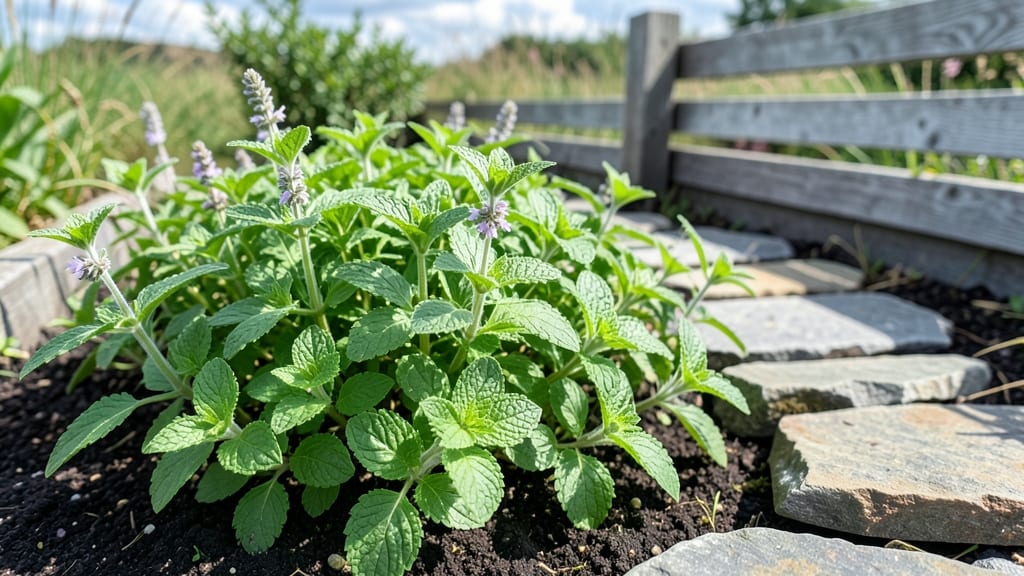
Mice-deterrent plants are my secret weapon against those pesky nibblers ruining my garden beds. 🌱 Last spring, I nearly lost my entire strawberry patch to a family of mice—until I planted a border of peppermint and lavender around the edges.
Within weeks, the mice vanished, and my plants thrived without a single chewed leaf.
The key is understanding what mice dislike: strong scents, fuzzy textures, and plants they can’t digest. Peppermint, lavender, and daffodils top the list because their oils overwhelm a mouse’s tiny nose, while their fuzzy leaves make them uncomfortable to nest in.
Even marigolds and alliums (like garlic chives) work well—they’re not just pretty, they’re functional.
By strategically placing these plants near your garden’s perimeter or around vulnerable spots, you create a natural barrier that mice avoid. Combine them with habitat tweaks—like removing hiding spots and sealing entry points—and you’ll see results within a few weeks.
The best part? No chemicals, just fragrant, low-maintenance plants that double as living pest control.
Works in vegetable gardens, flower beds, and even around sheds or compost bins. If you’ve struggled with mice before, this is the solution you’ve been looking for—no more sneaky midnight snackers ruining your hard work.
What Lures Mice In First
Mice don’t just wander into your garden or home by accident—they’re drawn in by a mix of survival instincts, environmental cues, and even the scent of what they crave most.
Understanding these triggers is the first step to outsmarting them with natural repellents. Here’s why mice become unwelcome guests in the first place.
Mice are opportunistic foragers, and their primary motivation is finding food. In the wild, they rely on seeds, grains, fruits, and even insects, but when natural food sources dwindle—especially in late fall or winter—they turn to human environments for sustenance. Common attractants include:
- Pet food: Left-out kibble or wet food is a mouse magnet. 🐶🍖 Even small crumbs can lure them in.
- Garbage and compost: Organic waste like fruit peels, coffee grounds, or uneaten scraps emit smells that mice can detect from up to 30 feet away.
- Stored grains and pantry staples: Mice can squeeze through tiny gaps to reach flour, cereal, or pet treats.
- Bird feeders: Spilled seeds on the ground create a smorgasbord for rodents.
Actionable fix: Store food in airtight containers, clean up spills immediately, and avoid leaving pet food out overnight.
Mice seek out warm, dry, and secluded spaces to nest—especially during colder months. Your home or garden may offer the perfect conditions:
- Insulation gaps: Mice can slip through holes as small as a dime (about ¼ inch) in walls, attics, or basements.
- Piles of debris: Leaf litter, mulch, or stacked firewood provide hiding spots and nesting material.
- Unsealed entry points: Gaps around pipes, vents, or foundation cracks invite them indoors.
Scientific note: A mouse’s body temperature is 99°F, so they’re always searching for cozy spots to regulate heat. 🌡️
Actionable fix: Seal entry points with steel wool or caulk, and keep firewood elevated and at least 20 feet from your home.
Mice have an extraordinary sense of smell—up to 1,400 times more sensitive than humans’. They use scent trails to navigate, follow other mice, and locate food or water sources. Once one mouse finds a food stash, it leaves pheromone markers to call reinforcements. 🚨
- Urine and droppings: These create invisible trails that other mice follow.
- Food odors: Even faint smells of grease, cheese, or sweet treats can trigger their foraging instincts.
- Plant scents: Some garden plants (like corn or beans) emit aromas that attract mice seeking seeds or moisture.
Actionable fix: Disrupt scent trails with vinegar or peppermint oil (mice hate the smell) and remove food sources promptly.
Mice are highly sensitive to environmental changes. Their behavior shifts based on:
- Temperature drops: As winter approaches, mice seek shelter indoors to escape the cold. A single mouse can reproduce 5-14 times per year, so infestations grow rapidly. ❄️
- Humidity levels: Damp areas (like basements or garages) attract mice because they need constant water to survive.
- Flooding or drought: Natural disasters can force mice to relocate, increasing their presence in human habitats.
Actionable fix: Inspect your home for moisture leaks, use dehumidifiers in damp areas, and trim vegetation away from your foundation to reduce hiding spots.
By recognizing these triggers, you can proactively block access points and eliminate attractants—making your space less inviting to mice. The next step? Introducing mouse-repelling plants to create a natural barrier they’ll avoid.
Natural ways to keep mice away
Mice may be tiny, but they can wreak havoc on your garden, home, and even your health. The good news? You don’t need harsh chemicals or expensive traps to keep them at bay.
By leveraging mice-repelling plants and smart strategies, you can create a rodent-resistant zone that’s both effective and eco-friendly. Here’s how to tackle the problem step by step, whether you’re dealing with an active infestation or just want to prevent one.
Nature’s best defense against mice is a well-placed garden of natural deterrents. These plants emit scents or textures that rodents find unpleasant. Start by identifying high-risk areas—entry points, storage sheds, or garden beds—and surround them with these top picks:
- Mint – Its strong aroma masks smells that attract mice, and its crisp texture makes it uncomfortable for them to nest in.
- Peppermint – Even more potent than regular mint, it’s a favorite for repelling mice due to its overpowering scent.
- Lavender – Mice dislike its floral fragrance, and it doubles as a beautiful, low-maintenance addition to your garden.
- Marigolds – Their pungent smell disrupts mice’s navigation and deters them from entering your space.
- Garlic – Planting garlic cloves or growing garlic plants releases a scent that mice avoid.
- Rosemary – Its woody aroma and dense foliage create a physical and olfactory barrier.
- Catnip – Surprisingly effective, as mice dislike the scent (though cats will love it!).
- Rue – A lesser-known but powerful repellent; its strong odor keeps mice away.
💡 Pro Tip: For maximum effectiveness, plant these in clusters around entry points, along fences, or near storage areas. Combine them with physical barriers like wire mesh for a two-pronged defense.
Even the best plants won’t work if mice can still sneak in. Inspect your home, garage, and shed for gaps, cracks, or holes—mice can squeeze through spaces as small as a dime. Here’s how to close them up:
- Check common entry zones: Doors, windows, vents, pipes, and foundation cracks.
- Use steel wool or copper mesh: Stuff these materials into holes to block access (mice dislike the texture and metal taste).
- Apply caulk or sealant: For small gaps, use a high-quality outdoor sealant to close them off permanently.
- Install door sweeps: A simple but effective way to block gaps under exterior doors.
- Vents and chimneys: Cover them with fine mesh hardware cloth to prevent entry while allowing airflow.
⏰ Quick Fix: If you spot mice activity but can’t seal everything immediately, place burlap sacks filled with dried peppermint leaves near entry points as a temporary deterrent.
Mice are drawn to food, water, and shelter. Eliminate these temptations to make your space less inviting:
| Attractant | Solution |
|---|---|
| Pet food | Store pet food in airtight metal containers and feed pets indoors only. |
| Birdseed | Use bird feeders with built-in trays to catch fallen seeds, or switch to feeders designed to deter rodents. |
| Trash cans | Use lidded trash cans and take out the trash regularly. Avoid leaving compost piles uncovered. |
| Standing water | Fix leaky pipes, clean gutters, and eliminate standing water sources like clogged drains. |
| Clutter | Keep storage areas organized and elevate items off the ground. Mice love nesting in piles of paper, fabric, or cardboard. |
🎯 Prevention Tip: Store firewood at least 20 feet away from your home and elevate it off the ground. Mice use woodpiles as highways to reach your house!
Once you’ve planted your rodent-repelling garden, don’t let it go to seed! Regular maintenance ensures it stays effective:
- Trim overgrown plants: Dense foliage can create hiding spots for mice. Keep plants neat and well-spaced.
- Harvest and regrow: Plants like mint and catnip spread aggressively. Harvest them regularly to control their growth and maximize their scent.
- Rotate plants seasonally: Some plants, like rue, may die back in winter. Supplement with winter-friendly options like wintergreen or winter savory.
- Replenish dried plants: If you notice the scent fading (e.g., dried mint bundles), refresh them with fresh clippings.
🔥 Bonus Hack: Crush a few leaves of your deterrent plants (like mint or garlic) and place them in small fabric pouches near trouble spots. The concentrated scent will amplify their repellent power.
Even with the best strategies, mice can be persistent. Stay vigilant and adjust your approach as needed:
- Set up traps or humane deterrents: If plants alone aren’t enough, use snap traps, electronic repellents, or humane live traps to catch and relocate mice.
- Check for signs of activity: Look for droppings, gnaw marks, or nests. Adjust your plant barrier or sealing efforts based on where you spot them.
- Call a professional: If you’re dealing with a large infestation, don’t hesitate to contact a pest control expert for targeted solutions.
With a little effort and the right mix of natural deterrents and proactive measures, you can create a mouse-free zone that’s as effective as it is beautiful. Your garden—and your peace of mind—will thank you!
Frequently asked questions
Which plants are most effective for keeping mice away?
Top choices include peppermint, lavender, garlic, and rosemary—their strong scents overwhelm mice's sensitive noses. For visual barriers, try marigolds or rue, which mice avoid due to their pungent aroma and prickly leaves. Plant these in clusters around entry points or garden edges for best results.
How quickly will mice leave after planting deterrent plants?
Results vary, but you may see a difference within 1-2 weeks if the plants are mature and scent is strong. For faster action, combine with physical barriers (like steel wool in gaps) and remove attractants (food sources). Young plants take longer to establish their repellent properties.
Can I use dried herbs instead of live plants?
Yes! Bundle dried peppermint, lavender, or rosemary in small cloth sacks and place them near trouble spots. Refresh every 2-3 months for maximum scent potency. This works well for indoor areas or sheds where planting isn't possible.
Will these plants work for indoor mouse problems?
Place potted mint, catnip, or garlic plants near entry points or store them in cupboards. For hidden areas, use sachets of dried herbs. Note: Some plants (like mint) can be invasive—contain them in pots to prevent garden takeover.
What if mice ignore my deterrent plants?
If mice persist, they may have found shelter or food elsewhere. Double-check for gaps, remove attractants, and consider adding physical barriers like wire mesh. For stubborn cases, combine plants with humane traps or call a professional pest control service.