
Container Gardens
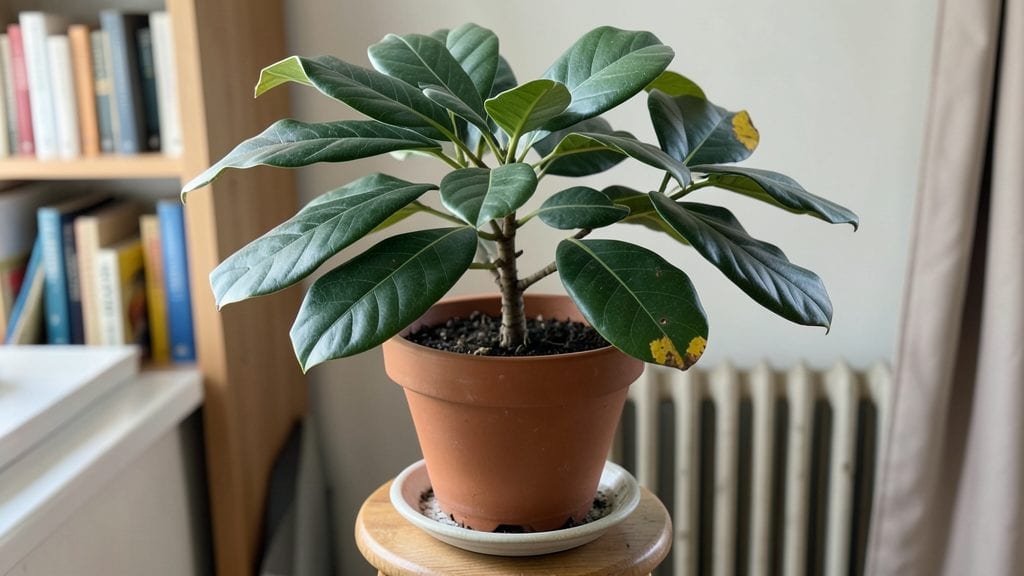
Choosing the right magnolia variety for potted growth
Not all magnolias thrive in containers, but selecting the right dwarf or compact variety can transform your patio into a fragrant paradise. Potted magnolias need shallow root systems and controlled growth habits to avoid becoming root-bound.
The key is choosing varieties bred for container cultivation, like 'Little Gem', 'Black Tulip', or 'Teddy Bear', which stay manageable while delivering stunning blooms.
When selecting a magnolia for pots, prioritize mature size—most container-friendly varieties top out at 8-12 feet tall—and cold hardiness to match your climate zone. Some varieties, like 'Little Gem', handle USDA Zone 7-10 temperatures, while others, such as 'Yulan', prefer milder Zones 6-9.
Always check the bloom season too; early bloomers like 'Jane' (Magnolia × loebneri) burst into flowers in late winter, while late-season varieties like 'Ann' shine in spring.
| Variety | Mature Height | Bloom Season | Cold Hardiness | Best For |
|---|---|---|---|---|
| 'Little Gem' | 10-15 ft | Late spring | Zones 7-10 | Sunny patios, urban balconies |
| 'Black Tulip' | 12-15 ft | Early spring | Zones 6-9 | Partial shade, cooler climates |
| 'Teddy Bear' | 8-10 ft | Mid-spring | Zones 5-9 | Small spaces, beginner gardeners |
| 'Jane' | 10-12 ft | Late winter | Zones 5-9 | Early blooms, cold tolerance |
| 'Yulan' | 15-20 ft | Early spring | Zones 6-9 | Fragrant blooms, larger containers |
For small spaces, 'Teddy Bear' magnolia is my top recommendation. This dwarf variety grows just 8-10 feet tall and produces pink, tulip-shaped blooms in mid-spring. Its compact growth habit makes it perfect for 15-20 gallon containers, and it thrives in USDA Zones 5-9, giving it broad adaptability.
Plus, its glossy green leaves add year-round interest.
If you love early blooms, 'Jane' magnolia is a showstopper. This hybrid variety bursts into pink and white flowers as early as late winter, making it ideal for winter patios.
It’s also highly cold-hardy, surviving down to Zone 5. Pair it with a 20-gallon pot for stability, and place it where it gets morning sun and afternoon shade.
For dramatic color, 'Black Tulip' magnolia delivers deep purple-black blooms that contrast beautifully with its green foliage. This semi-dwarf variety reaches 12-15 feet and prefers partial shade, making it perfect for shady patios or north-facing balconies.
It’s best suited for Zones 6-9 and thrives in well-draining soil with regular moisture.
When shopping for a potted magnolia, always check the root ball size—it should fit comfortably in your container with 2-3 inches of space for root growth. Avoid overpotting, as magnolias hate wet feet.
Instead, opt for a container that’s 10-20% larger than the root ball to allow for 3-5 years of growth before repotting. Use a fast-draining potting mix with perlite or orchid bark to prevent compaction.
One of my favorite underrated picks is 'Little Gem', a Southern magnolia cultivar that stays 10-15 feet tall while delivering classic magnolia blooms in late spring. It’s heat-tolerant and thrives in full sun, making it ideal for southern patios.
Just ensure your pot has adequate drainage—this variety is prone to root rot if left soggy.
For fragrant blooms, 'Yulan' magnolia is a must. Its
Step-by-step potted magnolia care guide for year-round success
Potted magnolias reward you with showstopping blooms and fragrant foliage, but their container-bound life requires seasonal adjustments to thrive. Unlike their in-ground counterparts, potted magnolias face drought stress and root freeze risks, so tailored care is essential.
Whether you're a first-time container gardener or a seasoned pro, these step-by-step routines will keep your magnolia lush and blooming for years.
Your magnolia’s success hinges on three critical factors: watering precision, soil health, and seasonal protection. Overwatering in winter can rot roots, while drought stress in summer stunts growth. The key? Adapt your routine like you would for a houseplant—more frequent checks in heat, less in cold.
Let’s break it down into actionable steps to keep your potted magnolia happy and healthy year-round.
🌱 Spring Care Routine (March-May)
- 💧 Watering: Deep soak every 5-7 days—check soil 2 inches down. Morning watering prevents fungal risks.
- 🌿 Soil Check: Test pH 5.0-6.5. Amend with peat moss if too alkaline. Add compost for nutrients.
- ✂️ Pruning: Trim dead branches and shape lightly after blooms fade. Avoid heavy cuts—magnolias bloom on old wood.
- ☀️ Sunlight: Gradually introduce morning sun (4-6 hours). Protect from hot afternoon rays.
🌡️ Summer Care Routine (June-August)
- 💧 Watering: Increase to every 3-5 days during heatwaves. Use mulch to retain moisture.
- 🌿 Fertilizing: Apply balanced 10-10-10 fertilizer every 6 weeks. Skip if leaves yellow.
- 🌬️ Airflow: Place in partially shaded spots to prevent heat stress. Avoid stagnant air.
- 🪴 Pot Check: Inspect for root-bound signs. Repot if roots circle the pot.
🍂 Fall Care Routine (September-November)
- 💧 Watering: Reduce to bi-weekly. Let soil dry slightly between waterings.
- 🌿 Pruning: Remove diseased leaves and weak branches. Avoid heavy cuts.
- 🌡️ Temperature: Move to sheltered spot if temps drop below 40°F.
- 🪴 Winter Prep: Wrap pot in bubble wrap for insulation.
❄️ Winter Care Routine (December-February)
- 💧 Watering: Water monthly—only when soil is completely dry.
- 🌿 Protection: Cover pot with frost cloth if temps drop below 20°F.
- ☀️ Light: Ensure bright indirect light (e.g., east-facing window).
- ✂️ Pruning: Wait until late winter to prune. Avoid cutting into old wood.
Your potted magnolia’s health depends on consistent soil moisture and seasonal adjustments.
For example, in summer droughts, I’ve seen magnolias wilt dramatically within days if neglected—always monitor soil moisture with your finger. Winter protection is equally critical; I’ve lost potted magnolias to root freeze in uninsulated pots, so never skip the bubble wrap step.
Pro tip: Use a moisture meter to avoid guesswork. I place mine near the pot’s edge to track root zone moisture accurately. For extra insurance, elevate pots on feet to improve drainage and prevent waterlogging. These small tweaks make a huge difference in your magnolia’s longevity.
With this seasonal care guide, your potted magnolia will reward you with vibrant blooms and dense foliage year after year. The key is observation—watch for leaf color changes or bud drop as early warnings. Adjust your routine accordingly, and your magnolia will thrive in its container home.