
Blooming
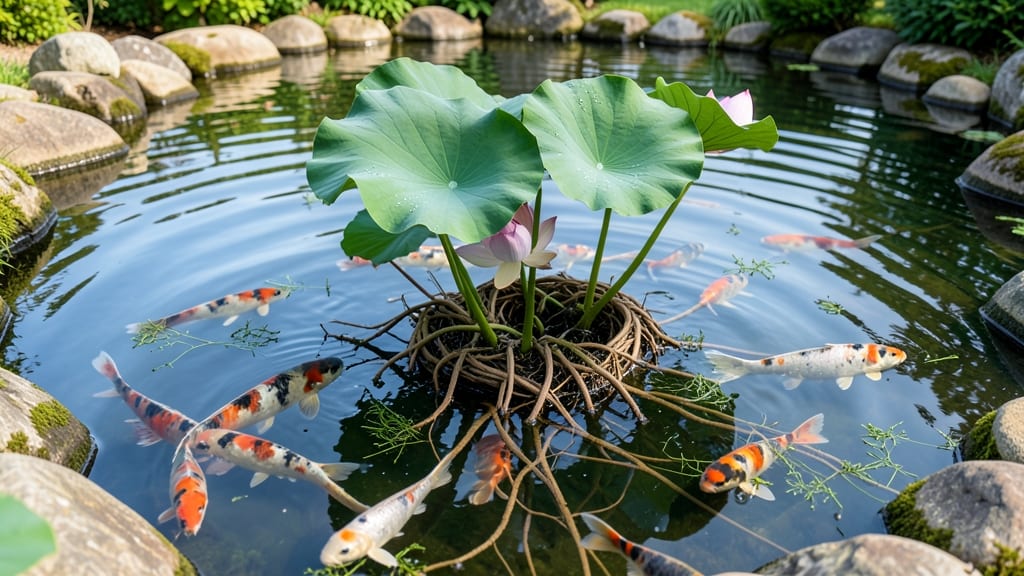
Growing lotus blossoms can transform your garden or pond into a serene, exotic paradise—but their delicate beauty requires precise care. These 10 beginner-friendly tips ensure your lotus thrives year-round, from soil secrets to bloom triggers, even in less-than-ideal climates.
Choosing the Right Lotus Variety for Your Climate
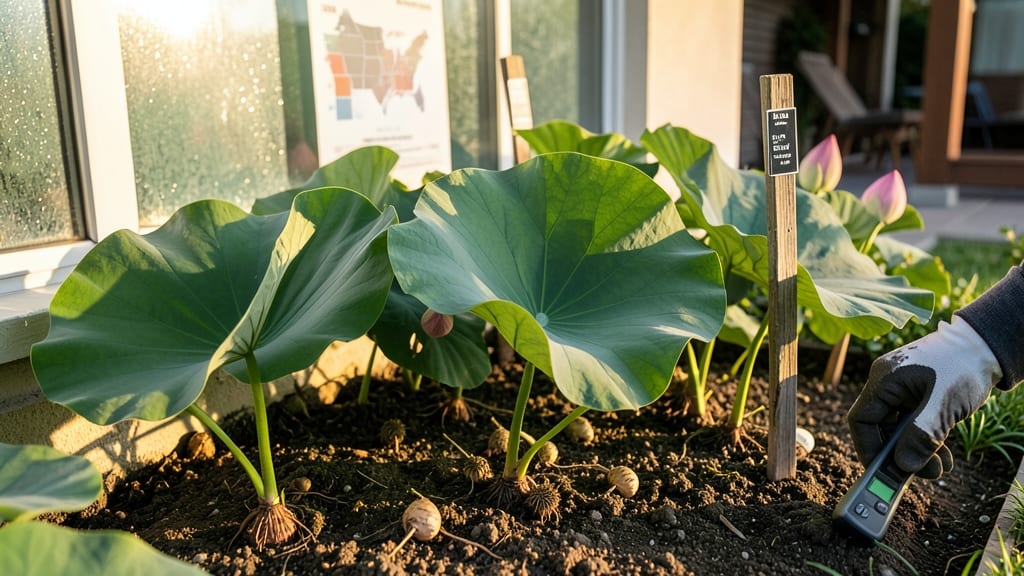
Not all lotus plants are created equal—and selecting the wrong variety for your climate can mean the difference between stunning blooms and wilting disappointment. Before you plant, match your hardiness zone to one of three key lotus types: tropical (Zones 9-11), hardy (Zones 3-8), or intermediate (Zones 5-9).
Tropical lotuses like the Sacred Lotus (Nelumbo nucifera) thrive in warm climates with consistent temperatures above 70°F, while hardy varieties such as the American Lotus (Nelumbo lutea) survive winters as low as -20°F. Intermediate types like Asian Lotus (Nelumbo hexapetala) bridge the gap, tolerating USDA Zones 5-9 with proper winter care. Check your zone first—this single step prevents costly mistakes and ensures your lotus grows strong from the start.
For beginners or gardeners in transitional climates, intermediate lotuses offer the best balance of hardiness and blooms, making them the safest bet for year-round enjoyment without constant fuss. 💚
Perfect Pond Depth and Water Quality for Lotus Roots

Your lotus plant’s roots are the hidden heroes—without the right pond depth (18–36 inches) and crystal-clear water, they’ll struggle to thrive. Unlike other aquatic plants, lotus rhizomes need both anchorage in mud and oxygen-rich water to fuel those iconic blooms.
Start by testing your water’s pH (6.0–7.5) with a simple liquid test kit—lotus roots prefer slightly acidic to neutral conditions. Install a debris filter (like a floating pond skimmer) to catch leaves and sediment before they smother rhizomes, and add a gentle water feature (like a small fountain) to prevent stagnation without chemicals.
This setup is ideal for small backyard ponds or even large containers—giving you stunning lotus blooms without the maintenance of a full lake. 💚
Sunlight Requirements to Trigger Blooming Every Season
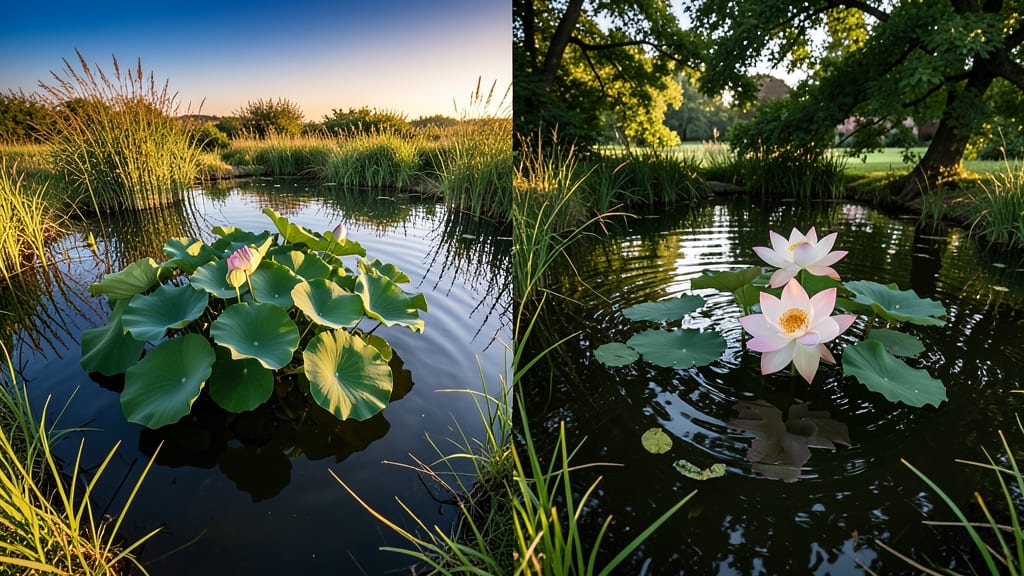
Think your lotus needs 6+ hours of direct sun to bloom? Not always! While full sun (6+ hours) speeds up growth in cooler climates, partial shade (3–4 hours) can actually prolong blooms in hot zones by preventing wilting. This means your lotus can keep flowering longer in summer heat while still thriving.
For tropical lotus varieties, morning sun with afternoon shade prevents stress, while hardy lotus in cooler regions benefits from full sun to build energy for winter dormancy. Observe your plant’s leaves—if they yellow in intense heat, it’s time to adjust shade coverage. Even a simple dappled light setup (like nearby trees) can work wonders.
This flexibility makes lotus blooms possible in diverse settings, from sunny backyards to shaded garden nooks. Perfect for gardeners who want stunning flowers without strict sunlight rules! ✨
Soil Mix Secrets for Container-Grown Lotus Plants
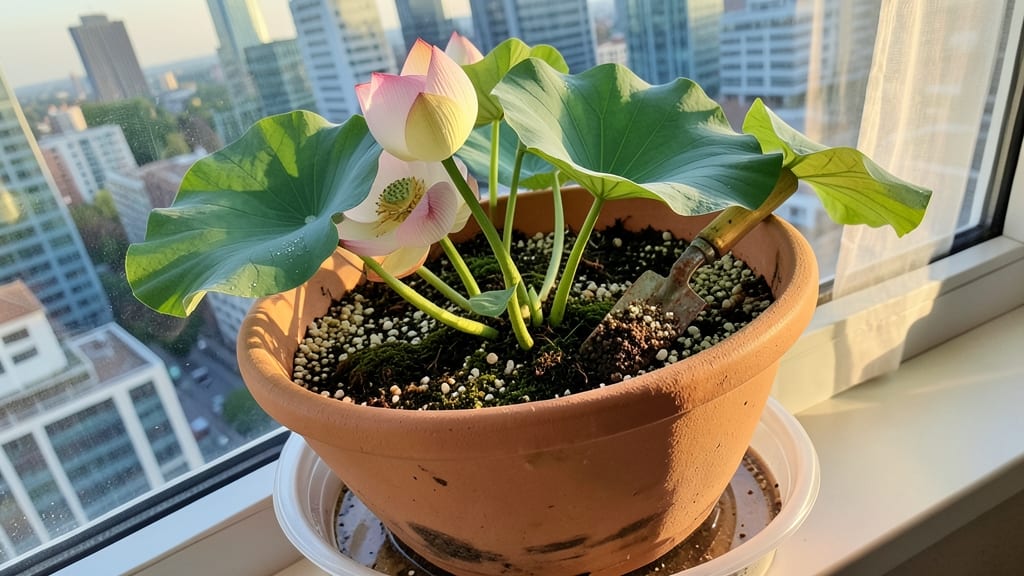
Urban gardeners and small-space lovers, rejoice—you don’t need a pond to grow lotus plants! With the right soil mix, containers can become thriving habitats for these majestic bloomers. The secret lies in mimicking their natural aquatic environment while preventing waterlogged roots.
Start with a 60/40 mix of aquatic soil and perlite—this lightweight combo drains excess moisture while retaining enough humidity. Layer the mix in your container with 1–2 inches of perlite at the bottom for extra drainage, then place your rhizome on top before covering it with soil. This hack keeps roots oxygenated and prevents root rot, the #1 killer of container-grown lotuses.
This method works beautifully in fabric grow bags or deep pots, making it ideal for balconies, patios, or even indoor water gardens. Perfect for beginners or those with limited outdoor space! 🌻
Fertilizing Lotus Plants Without Burning the Roots
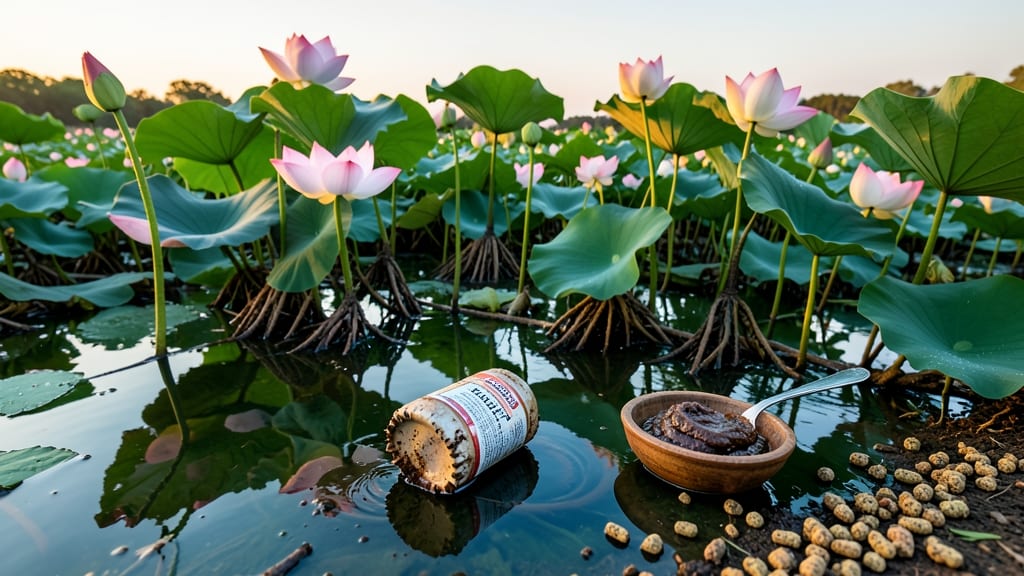
Lotus plants reward patience with stunning blooms, but feeding them wrong can turn your pond into a chemical soup that burns delicate roots. The key is timing and balance—organic fertilizers like fish emulsion in spring and compost pellets in summer provide nutrients without shock, while synthetic options require careful dilution.
Start with a diluted fish emulsion (1 tablespoon per gallon of water) in early spring when new growth emerges, focusing on the water’s surface near the plant. Switch to slow-release compost pellets in summer to feed roots steadily without spikes. Skip fertilization entirely during dormancy (fall/winter) to prevent root damage—lotus plants store energy naturally during this time.
This seasonal approach ensures vibrant blooms without stress, making it perfect for beginners who want low-maintenance results. Your lotus will thrive with the right nourishment at the right time. ✨
Pruning Wilted Leaves and Deadheading Spent Blooms
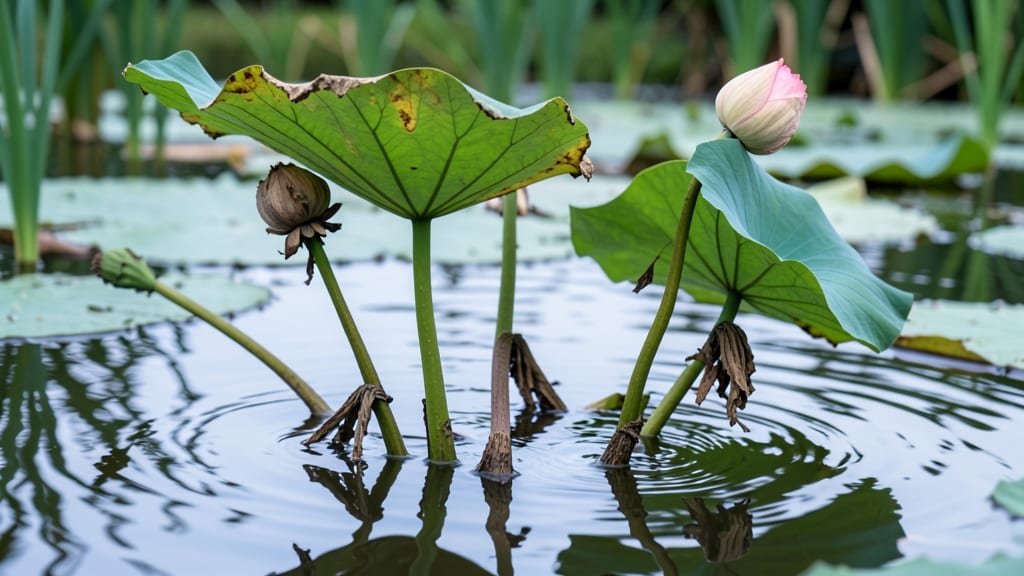
Your lotus plant’s energy isn’t infinite—wilting leaves and spent blooms quietly drain its resources, leaving fewer nutrients for future growth and stunning blooms. The key to keeping it vibrant? Strategic pruning that balances aesthetics with plant health.
Start with the third-leaf rule: Never prune back more than two-thirds of a stem, leaving at least three healthy leaves to fuel photosynthesis. For deadheading, snip just above a leaf node (where leaves meet the stem) to encourage new blooms without sacrificing foliage. Use clean, sharp shears to avoid tearing stems, and remove only the wilted leaves or faded blooms—never healthy growth. This method keeps your lotus focused on producing more flowers, not recovering from stress.
This approach is especially valuable for container-grown lotus plants or those in small ponds, where space is limited. By pruning thoughtfully, you’ll extend the blooming season and keep your lotus looking its best with minimal effort. 🌟
Overwintering Lotus Plants in Cold Climates
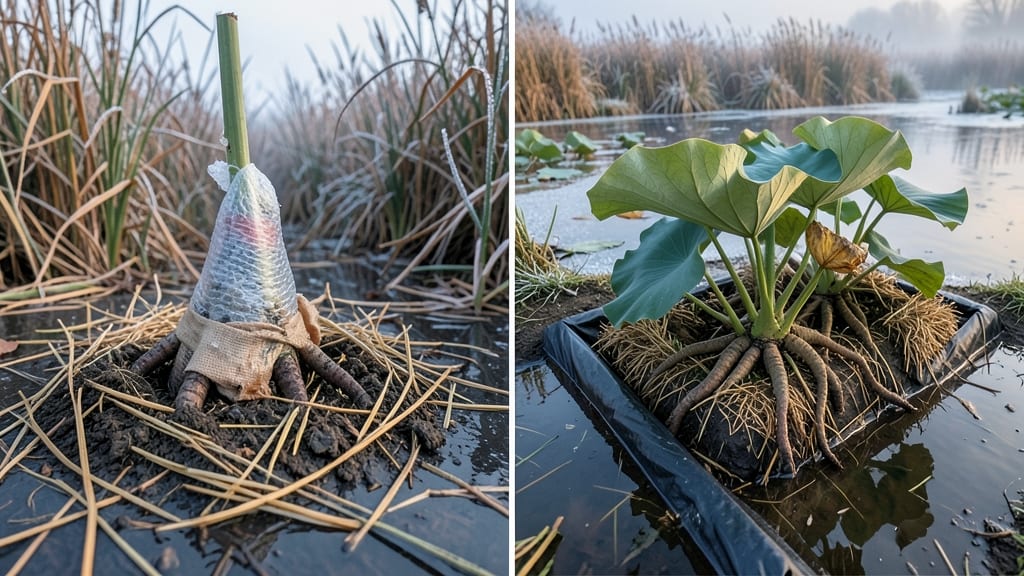
Cold climates don’t have to mean goodbye to your lotus blossoms—hardy varieties like Nelumbo lutea (yellow lotus) and Nelumbo nucifera (sacred lotus) can survive winter with the right prep. The key is protecting their rhizomes from freezing, whether you’re working in-ground or containers.
For in-ground plants, bury rhizomes in 6–8 inches of soil or mulch heavily with straw or leaves after the first frost. If using containers, sink them into the ground and cover with a cloche or upside-down bucket to trap warmth. Alternatively, dig up rhizomes, store them in damp sand in a cool basement, and replant in spring. Water sparingly during dormancy—just enough to keep the soil slightly moist.
This method works wonders for gardeners in USDA Zones 4–6, ensuring your lotus emerges stronger next season. With minimal effort, you’ll enjoy blooms year after year! 🌿
Pest Control for Lotus Plants Without Chemicals
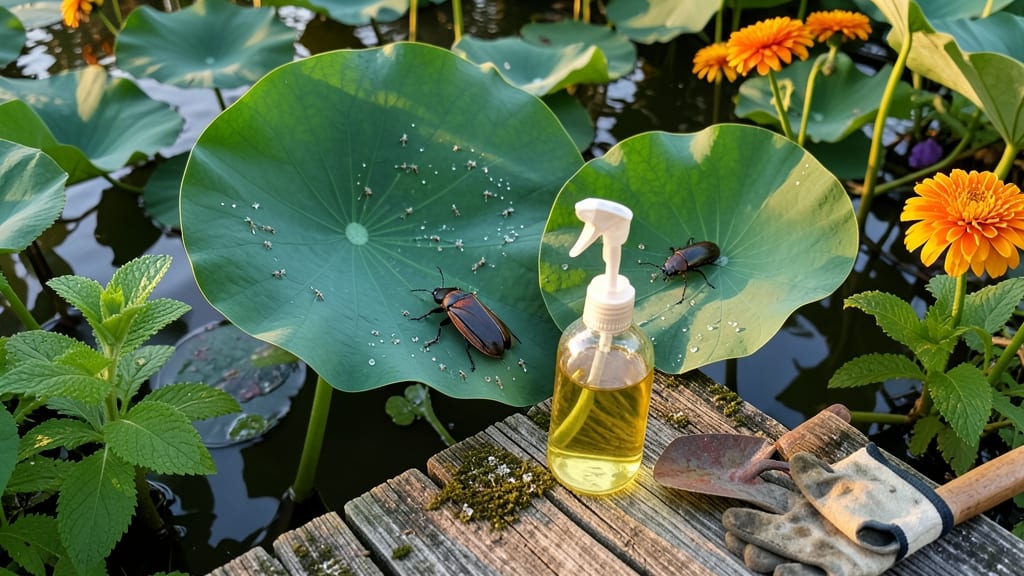
When aphids and lotus beetles start feasting on your prized lotus leaves, chemical pesticides can harm the delicate ecosystem of your pond. Instead, try a three-pronged approach that protects both your plants and the environment—neem oil sprays, companion planting, and gentle manual removal.
Start with a neem oil spray (mix 1 tsp neem oil with 1 quart water and a drop of dish soap) applied early in the morning to avoid harming beneficial insects. For a natural barrier, plant marigolds around your pond’s edge—their strong scent repels pests like aphids and beetles. Finally, use a soft brush to manually remove clusters of pests, especially on the undersides of leaves where they hide.
This method is perfect for eco-conscious gardeners who want to keep their lotus plants thriving without disrupting the natural balance of their pond. 💚
Propagating Lotus Plants from Seeds vs. Rhizomes
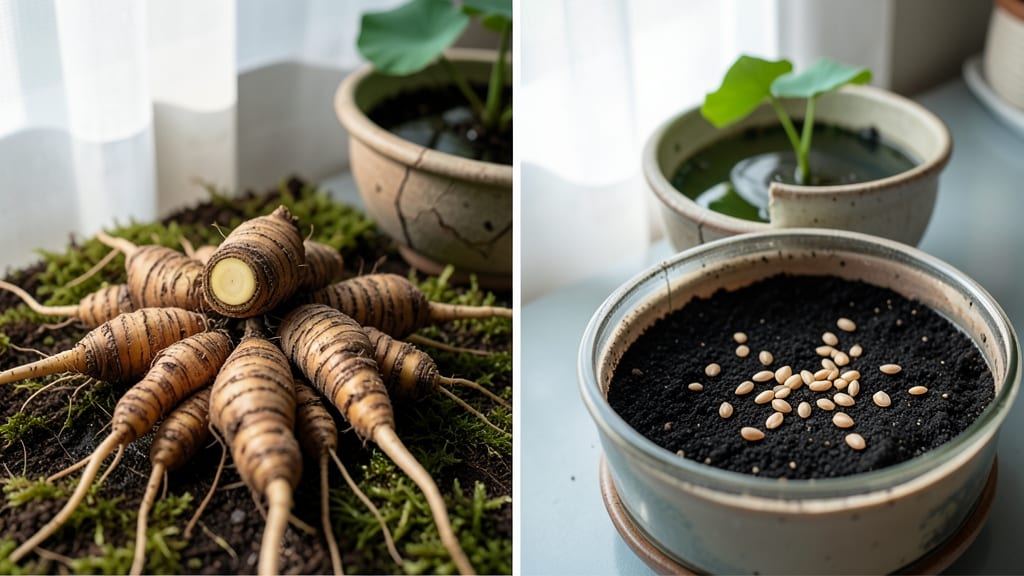
Ready to expand your lotus collection but unsure whether to start with seeds or rhizomes? The choice dramatically impacts your timeline and success rate—rhizomes deliver 90% instant growth, while seeds take patience (and 2 months for just 60% germination).
For quick results, divide healthy rhizomes in early spring, planting each section with at least one eye facing upward. Seeds, however, require warm water (70°F+) and consistent humidity—sprout them in shallow trays before transplanting. Rhizomes are ideal for established gardeners, while seeds let beginners experiment with rare varieties.
New lotus lovers will appreciate seeds for variety exploration, but those craving immediate blooms should stick to rhizomes. Either way, both methods let you multiply your aquatic masterpieces! ✨
Creating a Lotus-Friendly Ecosystem with Fish and Plants

Transform your pond into a thriving self-cleaning ecosystem by pairing lotus plants with koi or goldfish—nature’s built-in algae fighters. These fish graze on excess algae while their waste fertilizes the water, creating a balanced cycle that reduces maintenance and keeps your lotus roots healthy.
For a harmonious setup, add water lilies (to shade the pond) and cattails (to filter nutrients) alongside your lotus. The lotus roots naturally purify the water, while the fish and plants work together to maintain clarity without chemicals. This low-maintenance combo thrives in ponds as small as 3 feet deep, making it perfect for urban gardeners.
Gardeners with limited time will love this zero-chemical approach—just add fish and compatible plants, then enjoy the serene, self-sustaining beauty. ✨