
Companion Plants
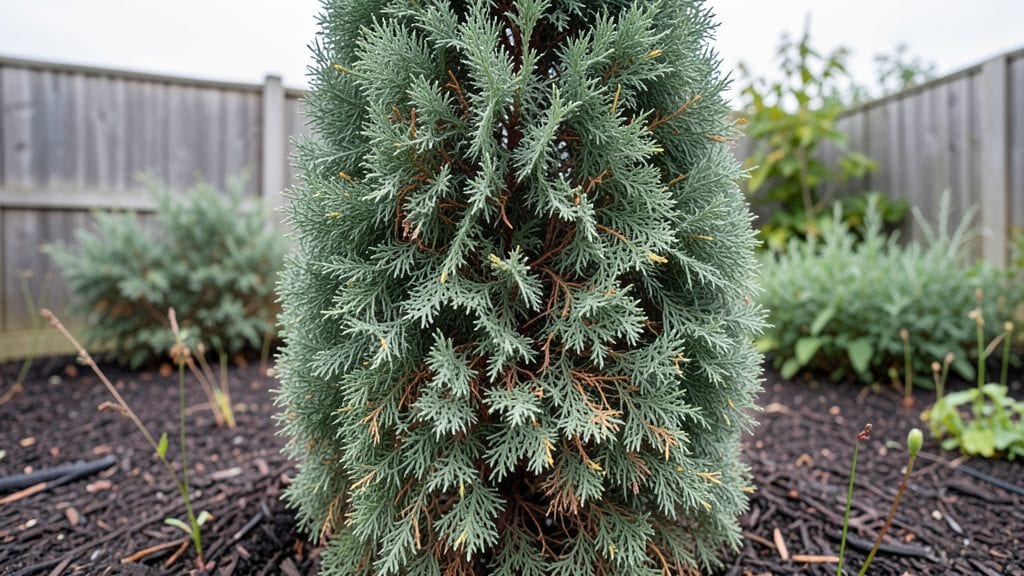
Leyland cypress plants grow into the kind of lush, towering privacy screen that makes neighbors do double takes. 🌲 I planted mine five years ago, and they’ve grown into a dense, fragrant wall that blocks wind, noise, and curious eyes—with almost no effort from me.
The secret isn’t complicated: these trees handle neglect better than most plants handle perfection.
They thrive in full sun but tolerate partial shade, and their soil needs are simple—just well-draining dirt with a little sand or gravel mixed in. Watering’s easy too: deep soaks once a week after the first year, then let nature take over.
The real magic happens in how fast they fill out—within 3-4 years, you’ve got a 15-foot-tall hedge that stays green year-round.
Pruning keeps them looking sharp, but even if you skip it, they’ll grow into a natural fortress. The only real challenge is keeping deer away (they love the new growth), but a simple fence or repellent solves that.
By year five, you’ll have a screen so thick it feels like your own private forest—without the work of maintaining one.
Perfect for fences, property lines, or even as a windbreak. Once established, these trees practically care for themselves, leaving you free to enjoy the shade and solitude they create. Here’s how to get started without overcomplicating it.
📚 In This Guide
- What you need
- Instructions
- Tips and common mistakes
- Wrapping up and next steps
What you need
- ● Leyland cypress plants: Seedlings (3–6 feet tall) – 1–2 per 3–4 feet of space for dense growth
- ● OR Bare-root trees (5–10 feet) – spaced 6–10 feet apart for wider screens
- ● Seeds (if starting from scratch) – requires stratification (cold treatment) for germination
- ● Soil amendments: Well-draining sandy loam or loamy soil (pH 6.0–7.0)
- ● Compost or aged manure (1–2 bags per planting hole) for nutrients
- ○ Sulfur (optional, for acid-loving soil adjustments)
- ● Planting tools: Shovel or tree spade (for digging holes)
- ● Wheelbarrow (for moving soil/amendments)
- ● Garden hose or watering can (with 1–2 gallons per plant capacity)
- ● Pruning shears (sterilized for trimming)
- ● Mulch: Organic mulch (pine straw, wood chips, or cypress mulch) – 2–3 inches deep, keep 6 inches away from trunk
- ● Fertilizer: Slow-release balanced fertilizer (10-10-10 or 12-12-12) – apply in early spring
- ○ Iron sulfate (optional, for yellowing foliage)
- ● Soil tester kit (to check pH before planting)
- ● Tree stakes & ties (for young seedlings in windy areas)
- ● Drip irrigation system (for consistent moisture)
- ● Fungicide (e.g., copper-based) (preventative for fungal diseases)
- ● Plant tags (to track varieties and planting dates)
How to plant and maintain Leyland cypress for a low-maintenance privacy screen
Leyland cypress trees grow fast, stay green year-round, and handle neglect better than most evergreens.
🪴 Step 1: Choose the Perfect Planting Spot
Leyland cypress thrives in full sun—at least 6 hours daily—but tolerates partial shade if your climate is scorching. I always check the mature height (up to 40-60 feet) and space plants 8-12 feet apart for a dense screen. Avoid low spots where water pools—they hate soggy roots.
Test the soil pH with a kit—Leyland cypress prefers 5.0-7.0. If your soil is heavy clay, amend with 2-3 inches of compost mixed into the top 12 inches. The roots grow deep, so don’t skimp on this prep work. I dig a hole twice as wide as the root ball but only as deep—planting too deep suffocates the roots.
🌱 Step 2: Plant with Proper Spacing and Support
Remove the tree from its container and loosen any circling roots gently with your fingers. Place it in the hole so the top of the root ball sits 1-2 inches above ground level—this prevents rot as the soil settles. Backfill with native soil, tamping lightly every 4-6 inches to remove air pockets.
Water deeply right after planting to settle the soil, then mulch with 2-3 inches of shredded bark (keep mulch 6 inches away from the trunk). Stake young trees if your area gets windy—use 2 stakes per tree and a soft tie to avoid girdling the trunk. I’ve seen Leylands lean badly when staked too tightly.
☀️ Step 3: Water Deeply but Infrequently
Leyland cypress is drought-tolerant once established, but young trees need 1-2 inches of water weekly for the first 2 years. Water deeply—so the soil is moist 12 inches down)—rather than frequent shallow watering. This encourages deep root growth. You’ll know it’s right when the top 2 inches of soil feel dry between waterings.
After the first year, reduce watering to every 2-3 weeks unless your summer is unusually hot. Overwatering is the #1 killer—these trees hate wet feet. If your soil drains poorly, consider raised beds or mounding soil around the base to improve drainage.
✂️ Step 4: Prune for Shape and Health
Leyland cypress grows naturally pyramid-shaped, but you can train it into a tighter screen by pruning once yearly in late winter or early spring. Never remove more than 25% of the foliage at a time—this stresses the tree. Use sharp bypass pruners to make clean cuts just above a leaf node, avoiding the old "topping" method that leaves ugly stubs.
Focus on removing dead or crossing branches first. For a hedge look, shear lightly with hedge shears in late spring after new growth appears. I skip heavy pruning in fall—it encourages tender new growth that won’t harden off before winter. Always sterilize your tools with rubbing alcohol between cuts to prevent disease spread.
🌿 Step 5: Protect Against Common Pests
Leyland cypress is susceptible to bagworms and spider mites, but prevention is simple. In early spring, spray with neem oil mixed at 1 tablespoon per gallon of water to deter pests. Check the undersides of branches regularly—bagworms look like little brown cones, and spider mites cause yellow stippling on leaves.
If you spot problems, treat immediately with insecticidal soap. I’ve found that healthy trees with proper spacing rarely get severe infestations. Avoid broad-spectrum pesticides—they kill beneficial insects that keep pests in check. A strong tree is your best defense against pests and diseases alike.
Tips & tricks for perfect Leyland cypress planting
Here's what I've learned after planting and maintaining these hardy evergreens for years—tricks that'll save you time and heartache.
Soil Prep is Non-Negotiable: In Step 1, when amending heavy clay soil, don't just scratch in compost—dig it down 12 inches deep where those deep roots will grow. I've seen Leylands struggle when planted in unamended clay, even with proper spacing. The key is creating a loose, well-draining zone right where the roots will spread. For extra insurance, mix in some sand or perlite if your clay is especially dense.
Staking Secrets: When you're staking young trees in Step 2, use two stakes per tree placed diagonally—not just one on the windward side. I've seen Leylands lean dramatically when staked improperly. Use soft tree ties (not wire) and check them every 3 months—they'll tighten as the tree grows. The goal is to support without strangling.
Watering Wisdom: That 12-inch deep watering in Step 3 is crucial—it encourages roots to grow downward rather than staying shallow. To check moisture, stick your finger 2 inches down; that's where you'll feel the difference between proper hydration and drought stress. In extreme heat, you can increase to 2 inches of water every 5-7 days during the first two years, but never let water pool around the base.
Pruning Pro Tips: When you prune in late winter (Step 4), focus on the outer third of the tree first—this opens up the center for better airflow and sunlight penetration. For a formal hedge look, use handheld hedge shears and make horizontal cuts rather than vertical ones. And here's a secret: the first year after planting, I skip pruning entirely to let the tree establish its natural shape.
Pro Tips for Leyland Cypress Plants
- Here's what I've learned after planting and maintaining these hardy evergreens for years—tricks that'll save you time and heartache.
- Soil Prep is Non-Negotiable: In Step 1, when amending heavy clay soil, don't just scratch in compost—dig it down 12 inches deep where those deep roots will grow.
- Staking Secrets: When you're staking young trees in Step 2, use two stakes per tree placed diagonally—not just one on the windward side.
Frequently asked questions
Got questions about growing Leyland cypress plants? You’re not alone! Here are answers to the most common queries to help you cultivate a lush, low-maintenance privacy screen with confidence.
How fast do Leyland cypress trees grow?
Leyland cypresses are fast growers—expect 3 to 4 feet per year under ideal conditions (full sun, well-drained soil, and regular watering). In just 5–10 years, they can reach 30–50 feet tall, making them perfect for quick privacy solutions. Pro tip: Prune young trees annually to encourage dense growth and prevent overcrowding.
When is the best time to plant Leyland cypress?
The ideal planting window is early spring or fall when temperatures are mild (50–70°F). Avoid extreme heat or frost, as young roots are sensitive. If planting in summer, water deeply 2–3 times per week for the first month to reduce transplant shock. Bonus: Container-grown Leyland cypresses can be planted year-round in mild climates.
How much water do Leyland cypress trees need?
Newly planted Leyland cypresses need 1–2 inches of water per week (including rainfall) for the first year. Once established, they’re drought-tolerant but thrive with deep watering every 1–2 weeks during dry spells. Warning: Overwatering can cause root rot—ensure soil drains well. Pro tip: Mulch around the base (2–3 inches) to retain moisture and suppress weeds.
Are there disease-resistant Leyland cypress alternatives?
Traditional Leyland cypresses are prone to seiridium canker and phytophthora root rot, but hybrid varieties like ‘Leighton Green’ or ‘Hicksi’ offer better resistance. For even tougher options, consider Italian cypress or Thuja (Arborvitae), which handle humidity and pests better. Note: Always choose certified disease-free plants from reputable nurseries.
Why are my Leyland cypress needles turning brown?
Brown needles usually signal overwatering, underwatering, or fungal issues. Check soil moisture—fingers should sink 1–2 inches dry before watering. If fungal diseases (like canker) are suspected, prune infected branches 12 inches below the damage and treat with a copper fungicide. Prevention tip: Space trees for airflow and avoid overhead watering to keep foliage dry.
How close can Leyland cypresses be planted to a house or fence?
Plant Leyland cypresses at least 3–5 feet from structures to prevent root competition and moisture buildup (which can damage foundations). For fences, 6–8 feet away allows room for growth without blocking sunlight or airflow. Remember: These trees can reach 50+ feet wide at maturity—plan accordingly!
Wrapping up and next steps
Growing Leyland cypress plants is a fantastic way to add year-round privacy and beauty to your landscape with minimal effort! Their fast growth, resilience, and low-maintenance nature make them a top choice for homeowners looking to create a lush, green barrier.
Whether you’re a seasoned gardener or just starting out, these evergreens are sure to impress—and your yard will thank you! 🌲✨
Ready to get started? Plant yours today and enjoy the satisfaction of a thriving privacy screen that requires little upkeep. Need help picking the perfect spot or variety? Check out our guide on planting tips or companion plants to maximize your success!