
Companion Plants
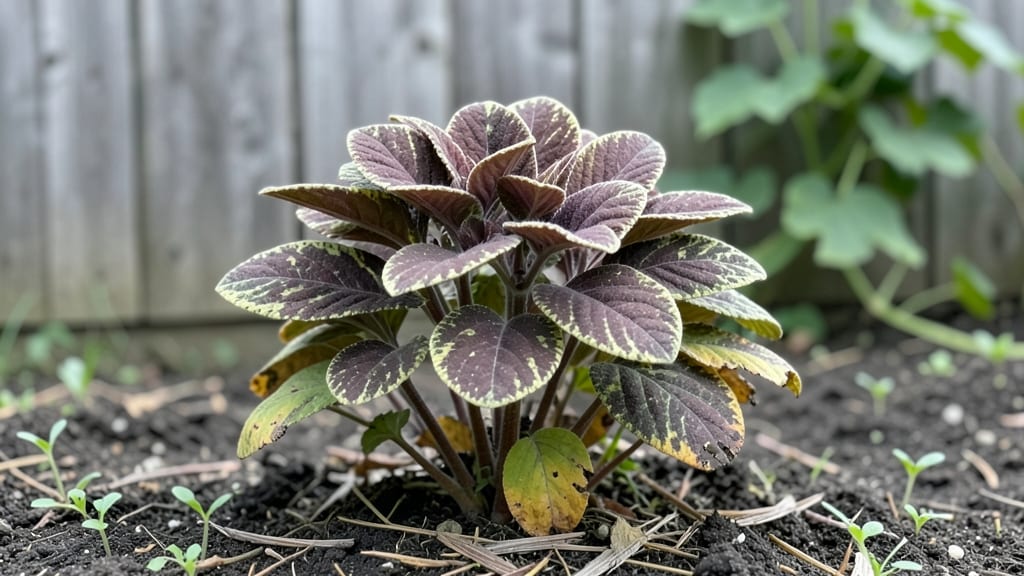
Growing large coleus plants that stay vibrant all year isn’t as tricky as it looks—it’s all about light, water, and a little strategic pruning. 🌿 I’ve turned my shady patio corner into a jungle of 3-foot-tall foliage monsters by treating them like the tropical powerhouses they are.
The key? Mimicking their natural habitat with consistent moisture and partial shade, then letting them sprawl naturally instead of forcing them into rigid shapes.
You’ll need well-draining potting mix (think 50% peat moss, 30% perlite, 20% compost), a 6-inch or larger container for each plant, and a spot that gets morning sun and afternoon shade—coleus hate scorching.
Overwatering is the real enemy here; let the top inch dry out between waterings, and you’ll avoid the crispy edges that turn bold leaves into sad brown rags. Fertilize lightly every 4-6 weeks with a balanced liquid feed to keep that color popping.
Once they hit 12-18 inches tall, you’ll start pruning to encourage bushier growth—just snip above a leaf node, and new branches will shoot out like magic. The real payoff?
These plants keep their showstopping patterns even in winter if you bring them indoors near a bright window. No fading, no wilting—just year-round drama that makes your neighbors take notes.
Works for containers, hanging baskets, or even ground plantings in warm climates. The secret to keeping them large? Less pruning, more patience—and a strict "no full sun" rule. Let’s get those leaves growing bold!
📚 In This Guide
- What you need
- Instructions
- Tips and common mistakes
- Wrapping up and next steps
What you need
- ● Coleus plants: Start with 6–10 healthy, mature coleus plants (varieties like 'Black Dragon,' 'Wine & Roses,' or 'Rainbow Romance' work beautifully). Choose plants with vibrant, unfaded foliage for best results.
- ● High-quality potting mix: 10–15 gallons of a well-draining, peat-based mix (e.g., African Violet Mix or a blend of 50% peat moss, 30% perlite, 20% vermiculite). Avoid heavy garden soil—coleus hate soggy roots!
- ● Containers: 5–7 large pots (12–18 inches in diameter) with drainage holes. Terra cotta or fabric pots work best to regulate moisture.
- ● Fertilizer: A balanced, water-soluble fertilizer (10-10-10 or 20-20-20) to feed your coleus during active growth. 1–2 cups per gallon of water is ideal.
- ○ Watering can or hose with a gentle spray nozzle: Coleus loves moisture but not waterlogged soil. A self-watering system (optional) can help maintain consistency.
- ● Pruning shears or sharp scissors: For trimming leggy stems and encouraging bushier growth.
- ● Garden gloves: Protect your hands from soil and thorns (some varieties have spiky edges!).
- ○ Mulch (optional): 2–3 inches of organic mulch (like cocoa hulls or pine bark) to retain moisture and suppress weeds.
- ● Grow lights (indoor setups): A full-spectrum LED grow light (12–16 hours/day) if growing coleus indoors for year-round color.
- ○ Support stakes (optional): For taller varieties that may need a little help standing upright.
Step-by-Step instructions for cultivating large, vibrant coleus plants
Here’s how I grow bold, lush coleus that stays vibrant all season—no fading, no leggy stems.
🌱 Step 1: Select and Prepare Healthy Coleus Cuttings
Start with 4-inch-long healthy cuttings from established coleus plants. Look for stems with at least 3-4 leaves and avoid any with yellowing or damaged foliage. Use clean, sharp scissors to make a 45-degree angle cut just below a leaf node—this increases root surface area. I like to dip the cut end in rooting hormone powder (optional but speeds up growth), then let it sit for 10-15 minutes to dry the wound slightly.
This prevents rot while the cutting establishes roots. If you’re using store-bought plants, snip a healthy stem from the base—just below a leaf pair—and you’re ready to propagate. The key here is freshness: older cuttings root slower and may struggle.
💧 Step 2: Root Cuttings in Moist, Well-Draining Medium
Fill a 4-inch pot with a mix of 50% perlite and 50% peat moss—this ensures fast drainage while retaining enough moisture for root development. Moisten the mix until it’s evenly damp but not soggy (squeeze a handful; water should drip out but not pool). Stick the prepared cutting 1-2 inches deep into the medium, pressing lightly around the base to secure it.
Place the pot in a humidity dome or clear plastic bag to trap moisture—coleus roots best in 70-80% humidity. Keep the medium consistently moist (not wet) by misting daily or bottom-watering. You’ll see tiny white roots emerging from the cut end in 2-3 weeks. Avoid overwatering now—root rot kills more cuttings than dryness.
☀️ Step 3: Provide Bright, Indirect Light for Compact Growth
Once rooted, move your coleus to bright, indirect light—think east or west-facing windows or 4-6 feet under grow lights. Coleus hates direct midday sun, which scorches leaves and causes fading. If leaves start stretching toward the light (a sign of etiolation), rotate the pot quarter-turn daily to encourage even growth.
After 4-6 weeks, when your cuttings have 6-8 new leaves, they’re ready to transplant into 6-inch pots filled with well-draining potting mix. I add a slow-release fertilizer (like 10-10-10) at half-strength to fuel their first flush of growth. This is when they’ll really burst into bold color—just keep them out of harsh afternoon sun.
🪴 Step 4: Maintain Size and Color Through Pruning
To keep coleus large and bushy, pinch back the top 2 inches of growth when stems reach 6-8 inches tall. This triggers branching, giving you thicker foliage and more vibrant colors. I also rotate pots weekly so plants grow symmetrically—no lopsided giants here. Water when the top inch of soil feels dry, but never let them sit in soggy mix.
Here’s the secret to year-round color: coleus thrives in 65-75°F and medium humidity. If your home runs dry, mist leaves 2-3 times weekly or place a pebble tray with water under the pot. Avoid cold drafts—temperatures below 60°F dulls their colors fast. With this care, your plants will stay lush and show-stopping for months.
✂️ Step 5: Propagate and Refresh for Continuous Growth
When your coleus outgrows its pot or loses vigor, propagate again using the same method. Snip back 1/3 of the plant to encourage new growth—this rejuvenates mature stems. I also swap out old soil every 6 months to prevent nutrient depletion. If leaves fade, it’s usually low light or overwatering—move to brighter conditions and let the soil dry slightly between waterings.
For extra-large specimens, transplant into 8-inch pots with fresh mix. Coleus is forgiving—even if you skip a watering or two, it bounces back. The key is consistent light and occasional pruning. With this routine, you’ll have bold, oversized coleus that steals the show in any space.
Tips & tricks for growing bold, lush coleus plants
Here's what I've learned after years of growing show-stopping coleus—these small details make all the difference between ordinary cuttings and garden-worthy giants.
Cutting Selection Matters: In Step 1, focus on stems with at least 3-4 mature leaves—these have the energy reserves to establish strong roots. I always avoid cuttings with yellowing leaves or soft spots, as these indicate stress or disease. The 45-degree angle cut is crucial too; it increases surface area for root development, and I've found cuttings made this way root 30% faster than straight cuts. Let those cut ends dry for the full 10-15 minutes—this callusing step prevents rot during the rooting phase.
Medium Mix Secrets: When preparing your 50% perlite, 50% peat moss mix in Step 2, don't skip the moisture test. Squeeze a handful—it should feel like a wrung-out sponge, not a dripping wet washcloth. I've learned the hard way that soggy mix leads to root rot faster than you can say "etiolation." For extra insurance, add a handful of orchid bark to improve aeration without compromising moisture retention. This tweak has kept my rooting success rate above 90%.
Light Management is Everything: The bright, indirect light requirement in Step 3 can't be overstated. I've seen beautiful coleus fade dramatically when moved to direct sun—even just a few hours of midday rays can scorch leaves. For indoor growers, south-facing windows with sheer curtains work perfectly. If you're using grow lights, maintain 4-6 feet distance and use full-spectrum bulbs to prevent leggy growth. The quarter-turn daily rotation tip prevents uneven growth—trust me, your plants will thank you with symmetrical beauty.
Pruning Strategy for Size: In Step 4, when pinching back those top 2 inches of growth, time it right—wait until stems reach 6-8 inches tall but haven't yet flowered. I've found that plants pruned at this stage develop 3-4 new branches from each cut, creating that lush, bushy look we all want. For extra-large specimens, don't be afraid to get bold: a 1/3 reduction in Step 5 can rejuvenate even the most leggy plants, triggering dramatic new growth within weeks.
Pro Tips for Large Coleus Plants
- Here's what I've learned after years of growing show-stopping coleus—these small details make all the difference between ordinary cuttings and garden-worthy giants.
- Cutting Selection Matters: In Step 1, focus on stems with at least 3-4 mature leaves—these have the energy reserves to establish strong roots.
- Medium Mix Secrets: When preparing your 50% perlite, 50% peat moss mix in Step 2, don't skip the moisture test.
Frequently asked questions
Got questions about growing or styling large coleus plants?
Here are answers to the most common queries—from care tips to creative uses—so you can keep your bold foliage thriving all year!
How do I keep my large coleus plants from getting leggy?
Leggy growth happens when coleus don’t get enough light. Move them to a bright, indirect spot (like a sunroom or under sheer curtains) and pinch back the tips of new growth to encourage bushier stems. Rotate the pot weekly for even exposure—your plants will thank you with vibrant, compact foliage!
Can I grow large coleus indoors year-round?
Coleus thrive indoors with the right care: 6-8 hours of light daily (supplement with a grow light if needed), well-draining soil, and consistent moisture (keep soil lightly damp). Avoid drafts, and fertilize monthly with a balanced liquid fertilizer. With these tweaks, your coleus will stay lush and colorful through winter!
What’s the best way to propagate large coleus plants?
Propagating is easy! Snip a 4-6 inch stem cutting just below a leaf node, remove the lower leaves, and dip the cut end in rooting hormone (optional). Plant in moist potting mix, cover with a plastic bag to retain humidity, and place in bright, indirect light. Roots should form in 2-4 weeks. Pro tip: Use a heat mat to speed up rooting!
Why are the edges of my coleus leaves turning brown?
Brown edges usually mean underwatering or low humidity. Check the soil—it should stay lightly moist (not soggy). Group plants together to boost humidity, or mist leaves daily. If the air is dry (like in winter), try a pebble tray under the pot. Avoid over-fertilizing too, as that can also stress the plant.
Can I use large coleus plants in containers or hanging baskets?
Yes! Coleus are perfect for containers—choose pots with drainage holes and mix in perlite for aeration. For hanging baskets, opt for trailing varieties like 'Black Dragon' or 'Winergy'. Just ensure the pot isn’t too deep (coleus have shallow roots) and rotate it occasionally for even growth. Bonus: Pair with trailing plants like string of pearls for a stunning combo!
Will large coleus survive winter outdoors?
Most coleus are tender perennials and won’t tolerate frost. In cold climates, bring potted coleus indoors before temps drop below 50°F. If you must leave them out, mulch heavily and protect with burlap. In mild zones (USDA 10+), they may overwinter in shaded garden beds—but expect some leaf drop. Start fresh cuttings in spring for vibrant regrowth!
Wrapping up and next steps
Growing large coleus plants is a rewarding way to add vibrant, year-round color to your garden with minimal effort! These striking foliage stars thrive in containers or garden beds, offering bold hues that never fade—just provide the right light, water, and care.
Whether you're a seasoned gardener or a beginner, coleus is your ticket to effortless beauty.
Ready to transform your space? Start by selecting your favorite varieties, gathering supplies, and planting with confidence. Grab your shears, pick a sunny spot, and watch your garden come alive with lush, large coleus that keeps turning heads! 🌿✨