
Diseases
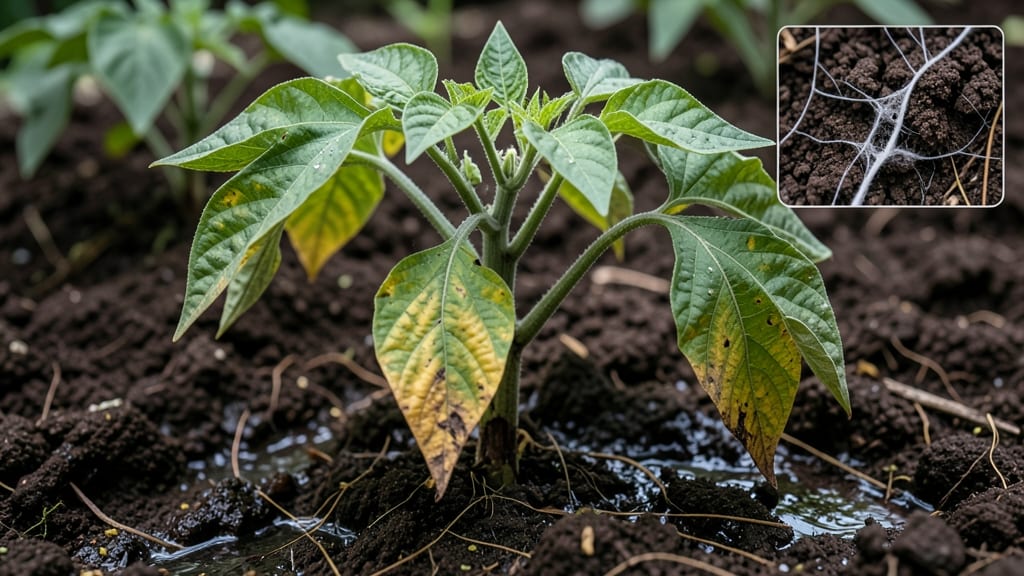
Jalapeño plants are susceptible to diseases that can ruin your harvest if left unchecked. Learn to identify these 10 common jalapeño diseases early, plus organic solutions to protect your peppers and maximize your garden yield.
Bacterial Spot on Jalapeño Leaves
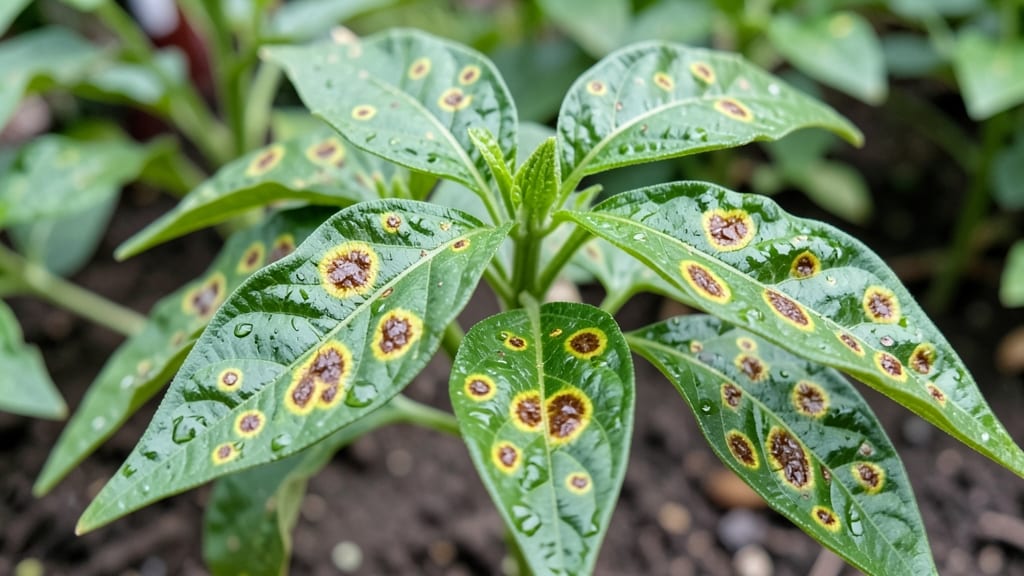
If your jalapeño plants are developing tiny, water-soaked brown spots with yellow halos—especially after heavy rain—you’re likely dealing with bacterial spot, the most aggressive disease in warm climates. This bacterial infection thrives in humidity and spreads explosively when water splashes onto leaves during overhead irrigation.
To stop it, avoid watering leaves (use drip irrigation instead) and remove infected leaves immediately with sterilized pruners. Copper fungicide sprays (applied every 7–10 days) can suppress it organically, while spacing plants improves airflow to slow spread. Since bacterial spot overwinters in plant debris, clean up fallen leaves in fall to prevent next season’s outbreak.
This disease doesn’t just disfigure leaves—it causes fruit blemishes that make peppers unsellable. Gardeners in hot, humid zones (like Florida or Texas) should treat it as a priority, as it can defoliate plants entirely within weeks. 💪
Pepper Anthracnose Fungal Infection
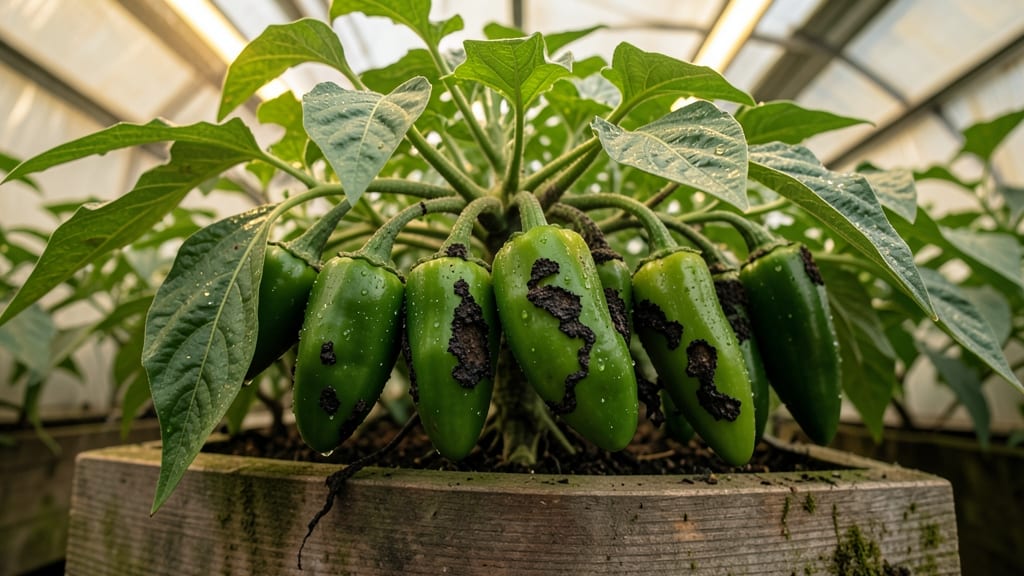
If your jalapeños are growing in hot, humid conditions and you notice dark, sunken patches on the fruit or blackened stems, you’re likely dealing with pepper anthracnose—a stubborn fungal infection that thrives when moisture lingers. Unlike bacterial spot, this disease attacks the fruit and vascular system, leaving behind telltale concentric rings that deepen over time.
Anthracnose spreads through splashing water, contaminated tools, or infected plant debris, making it especially dangerous in greenhouses or densely planted beds. To prevent it, prune lower leaves to improve airflow, avoid overhead watering, and remove infected fruit immediately. Organic growers can use copper fungicides or baking soda sprays (1 tbsp baking soda + 1 quart water + a drop of dish soap) every 7–10 days during humid periods.
This disease is a nightmare for organic gardeners because it resists many chemical treatments, but catching it early with these strategies can save your harvest—and your sanity. 🌟
Powdery Mildew on Jalapeño Stems
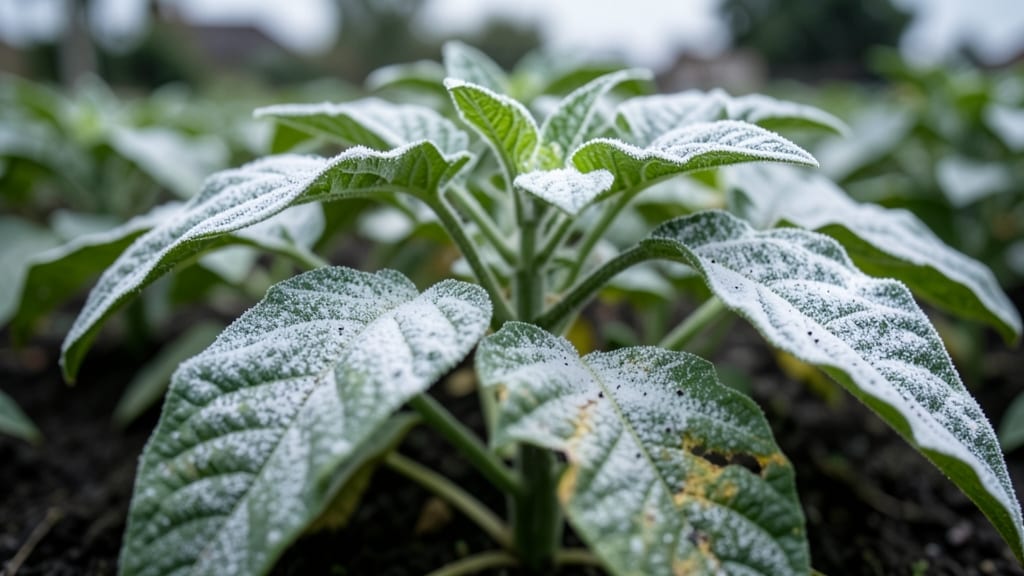
If your jalapeño plants look like they’ve been dusted with baby powder, you’re likely dealing with powdery mildew—a fungal disease that thrives in shaded, crowded gardens with poor airflow. Unlike bacterial spots or anthracnose, this white coating doesn’t just discolor leaves; it smothers them, blocking sunlight and weakening the plant’s ability to photosynthesize.
Look for the telltale white, powdery patches on stems and upper leaves, especially in humid mornings. To treat it, prune infected foliage immediately and space plants 12-18 inches apart to improve airflow. A weekly spray of neem oil or baking soda solution (1 tsp baking soda + 1 quart water + a drop of dish soap) can stop it in its tracks before it spreads.
This disease is particularly tricky for gardeners in urban areas with tight spaces or those who plant jalapeños too closely together. Catching it early means healthier plants and a better harvest—no one wants powdery stems ruining their spicy peppers! ✨
Early Blight in Jalapeño Plants
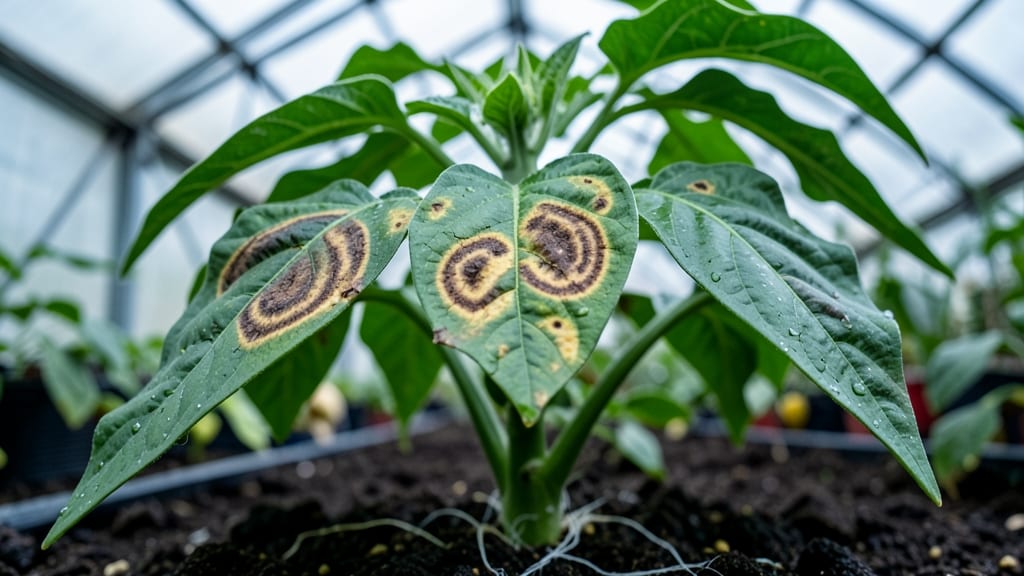
If your jalapeño plants are showing brown, ringed spots starting on the oldest leaves, you’re likely dealing with early blight—a sneaky soil-borne fungus that thrives in warm, wet conditions. Unlike other diseases, this one gives away its presence with those classic concentric rings, making early detection easier if you know what to look for.
To stop it before it spreads, focus on crop rotation (avoid planting nightshades like tomatoes or peppers in the same spot for 3+ years) and improve drainage by amending heavy soil with compost or sand. Prune infected leaves immediately and water at the base—not overhead—to keep foliage dry. Copper fungicides can help, but prevention is your best defense.
This disease is especially tricky for gardeners in humid climates or those reusing beds without sterilization. By acting fast, you can save your plants and protect next year’s harvest. 💪
Verticillium Wilt in Pepper Plants
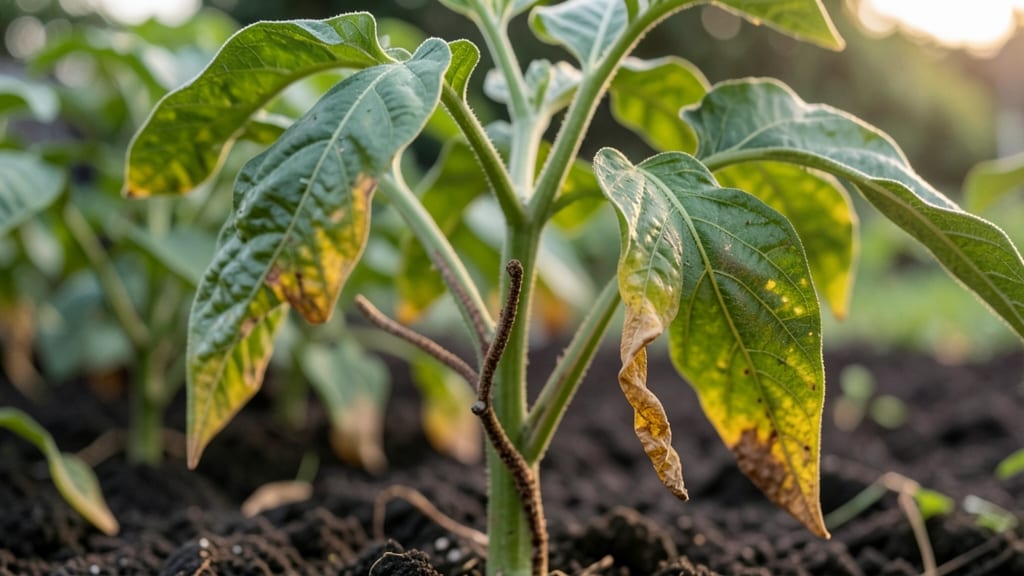
If your jalapeño plants are wilting despite consistent watering, Verticillium wilt might be the culprit. Unlike drought stress, this fungal disease clogs the plant’s vascular system, blocking water and nutrients—often leading to yellowing leaves and stunted growth before the plant collapses.
The key difference? Verticillium wilt causes uneven wilting (older leaves first) and vascular discoloration (brown streaks in stems when cut). Since it thrives in contaminated soil, it’s especially risky in reused garden beds. Remove infected plants immediately and disinfect tools to prevent spread.
This disease is a major threat for long-term gardeners reusing soil without sterilization. If you’ve struggled with mysterious wilting, this could be your answer—act fast to save your harvest! 🌟
Phytophthora Root Rot Symptoms
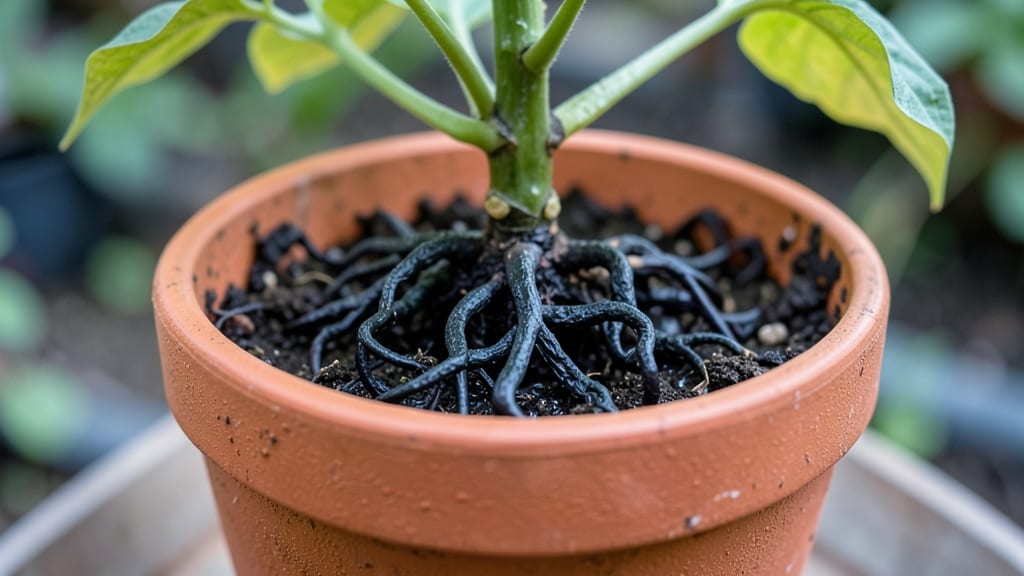
If your container-grown jalapeños are suddenly wilting despite regular watering, Phytophthora root rot might be the culprit. This oomycete pathogen thrives in waterlogged soil, turning roots black and mushy while starving your plants of nutrients—even in containers where drainage seems controlled.
The first sign is stunted growth above ground, followed by leaves turning yellow or brown as roots collapse. Unlike fungal diseases, Phytophthora spreads through moisture on leaves or soil, making it especially dangerous in crowded containers or after heavy rain. Prevent it by ensuring pots have drainage holes and avoiding overhead watering.
Container gardeners and urban growers are most at risk, but this disease can strike any jalapeño in soggy conditions. Catch it early by checking roots during transplanting—healthy roots should be firm and white, never slimy or discolored. 🌱
Alternaria Leaf Spot Damage
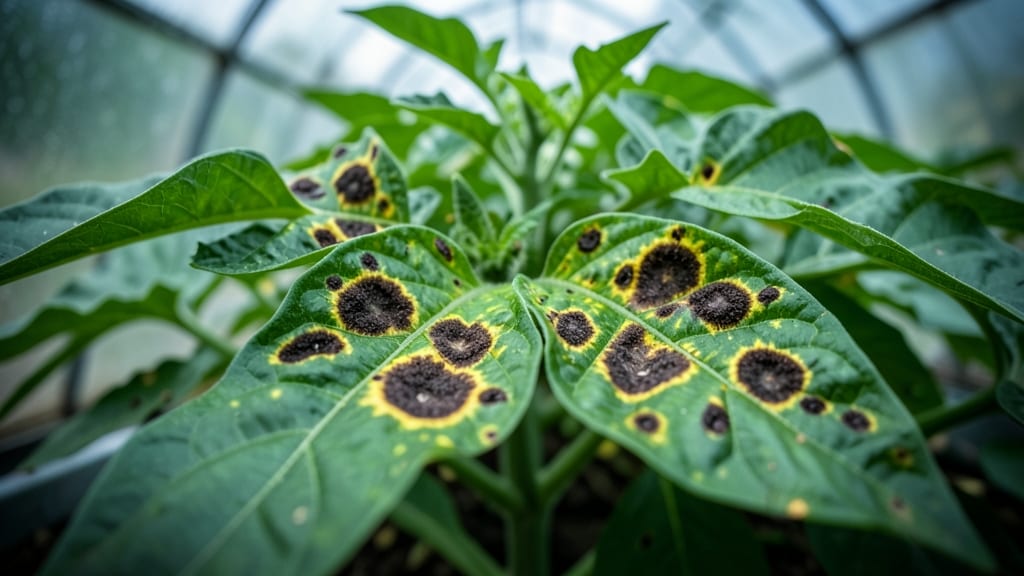
If your jalapeño leaves are covered in large, dark brown spots with yellow borders that seem to spread overnight, you’re likely dealing with Alternaria leaf spot—a fungal disease that thrives in hot, humid conditions and often gets mistaken for anthracnose.
Unlike anthracnose, which creates sunken lesions on fruit, Alternaria appears first on leaves as irregular, expanding patches. The key to stopping it? Prune infected foliage immediately and avoid overhead watering—water plants at the base instead. Copper fungicides or a baking soda spray (1 tsp baking soda + 1 quart water + a drop of dish soap) can help prevent further spread.
This disease is especially tricky for gardeners in southern climates or those growing peppers in crowded beds. Catching it early gives you the best chance to save your harvest before the fungus takes over. 💪
Cucumber Mosaic Virus in Peppers
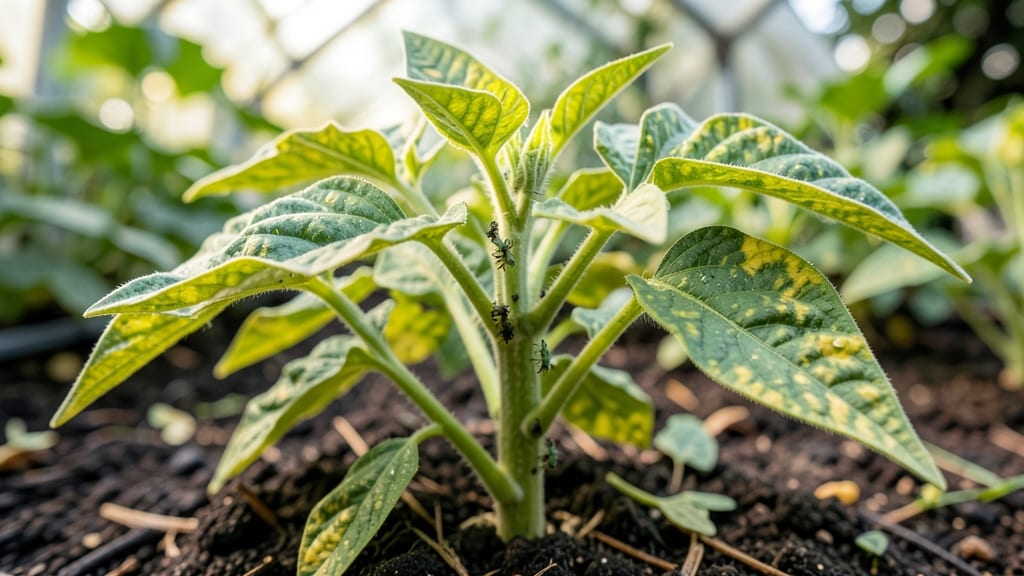
If your jalapeño plants suddenly develop mottled yellow-green leaves and stunted growth, cucumber mosaic virus (CMV) could be the culprit. Unlike fungal diseases, this virus spreads through aphid feeding, making it unique among pepper problems—once infected, plants rarely recover.
Look for crinkled or distorted leaves and possible yellowing patterns along leaf veins. The key to prevention is disrupting aphid activity: use reflective mulch (like aluminum foil) to deter them, and wrap plants in fine mesh barriers during outbreaks. Remove heavily infected plants immediately to stop the spread.
This virus is especially tricky for container growers and those with nearby cucurbit crops (like zucchini). Since there’s no cure, focusing on aphid control is your best defense—think of it as a game of prevention rather than reaction. 💡
Downy Mildew on Jalapeño Foliage
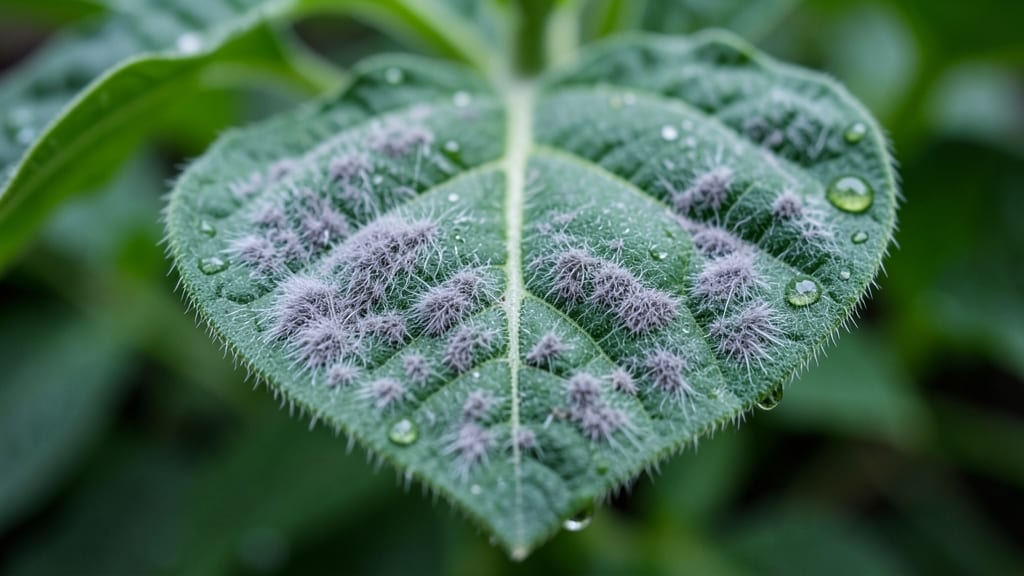
That fuzzy, purple-gray growth lurking on the undersides of your jalapeño leaves isn’t just dirt—it’s downy mildew, a sneaky fungal invader that thrives in cool, damp conditions. Unlike powdery mildew, this pathogen spreads aggressively in temperatures between 60–75°F and high humidity, often going unnoticed until your plants look like they’ve been drained of energy.
Check for yellowing or curled leaves on top while inspecting the undersides for the telltale fuzzy spots. The key to stopping it? Improve airflow by spacing plants 18–24 inches apart and avoid overhead watering—water at the base instead. If caught early, a copper fungicide spray (applied every 7–10 days) can halt its spread before it ruins your harvest.
This disease is especially tricky for gardeners in spring or fall plantings or those using shaded beds. If you’ve noticed stunted growth or weak stems, don’t wait—act fast to save your peppers! 🌟
Fusarium Oxysporum Fungus

If your jalapeño plants suddenly wilt despite healthy soil and watering, Fusarium oxysporum could be the culprit. This relentless soil-borne fungus thrives in reused garden beds where previous hosts (like tomatoes or peppers) left behind microscopic spores—making it a silent threat in contaminated soil.
Look for yellowing leaves, stunted growth, and a blackened stem base that feels mushy when pressed. Unlike wilting from drought, these plants won’t recover—even with water. Since Fusarium spreads through water and tools, sterilize containers, rotate crops every 3 years, and avoid overhead irrigation to starve the spores.
This disease is especially risky for urban gardeners with limited space or organic growers avoiding chemicals. Prevention is your best defense: test soil before planting and use resistant pepper varieties like 'Aristotle' or 'Carolina Wonder' to outsmart the fungus. 💡