
Vegetables
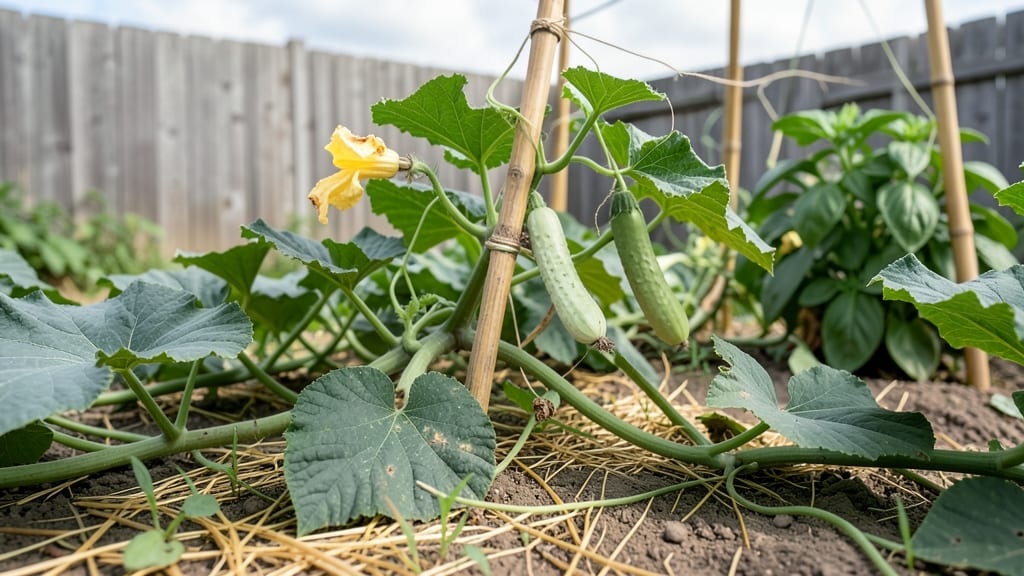
Supporting cucumber plants with trellises turns floppy vines into bushier, high-yielding powerhouses. ✨ I learned the hard way that letting them sprawl leads to crowded plants, rot, and fewer cucumbers—until I tried vertical training. The difference in harvests was shocking.
You’ll need sturdy materials: 3-foot tall stakes for small varieties or 6-foot trellises for long vines, plus soft plant ties or old pantyhose to secure them. Set up supports at planting time to avoid disturbing roots later.
Even in tight spaces, this method works—my balcony now grows more cucumbers than my entire backyard ever did.
What you’ll gain is cleaner, straighter vines with better air circulation, which cuts down on mildew and pests. Fruits stay off the damp soil, ripening faster and tasting sweeter. Plus, you’ll save space for other plants below—my tomatoes and peppers now have room to thrive where cucumbers used to sprawl.
Works for all cucumber types: slicing, pickling, or bush varieties. The key is patience—train vines gently as they grow, and you’ll see the payoff in healthier plants and bigger harvests by midsummer. Ready to transform your patch?
📚 In This Guide
- What you need
- Instructions
- Tips and common mistakes
- Wrapping up and next steps
What you need
- ● Trellis or Support Structure: 1–2 bamboo stakes (5–6 ft tall) (for small gardens)
- ● 1 A-frame trellis (6–8 ft tall, 3–4 ft wide) (for medium gardens)
- ● 1 wall-mounted trellis or netting (8–10 ft long) (for vertical gardening)
- ● 1 roll garden twine or soft plant ties (100–200 ft)
- ● Soil & Fertilizer: 1 5-gallon bucket of well-draining potting mix (or amend garden soil with compost)
- ● 1 slow-release fertilizer (10-10-10 or organic options like worm castings)
- ● Planting Supplies: 2–4 cucumber seeds or seedlings (choose bush or vining varieties)
- ● 1 planting pot or biodegradable seed starter (if starting indoors)
- ● Watering & Maintenance: 1 watering can or hose with a gentle spray nozzle
- ● 1 pruning shears (for trimming excess leaves or vines)
- ● 1 mulch (straw or shredded leaves) to retain moisture and suppress weeds
- ● 1 plant support clip or Velcro ties (gentler on vines than twine)
- ● 1 shade cloth (30–50%) for hot climates to prevent stress
- ● 1 plant food spray (seaweed-based or fish emulsion) for a mid-season boost
Step-by-Step guide to building cucumber trellises for healthier vines
Here’s the no-fail method I’ve used for years to keep cucumbers thriving vertically—less sprawl, more fruit, and zero rot.
🪴 Step 1: Choose and Assemble the Right Trellis Structure
For 4 plants, I use a 6-foot-tall wooden teepee trellis made from 4 vertical stakes (5 feet tall) and 3 horizontal crossbars (3 feet long). Drive the stakes 12 inches apart in a square, then attach the crossbars at 18-inch intervals—this creates a sturdy frame for vines to climb. Avoid flimsy plastic netting; cucumbers get heavy, and weak supports snap under fruit weight.
If you’re short on space, opt for a single 7-foot bamboo stake per plant. Hammer it 6 inches deep into the soil, then tie vines loosely with soft garden twine as they grow. The key is stability—wobbling trellises stress plants and break stems.
🌱 Step 2: Train Vines Early to Encourage Bushier Growth
Once seedlings hit 2-3 true leaves, gently weave the main stem through the trellis or tie it to the stake with twine. I use a figure-eight knot—it’s adjustable and won’t cut into the vine as it thickens. Wait until the plant touches the trellis before securing; forcing it too soon stunts growth.
Here’s the trick: prune side shoots (those little stubs growing from the main stem) when they’re under 6 inches long. Leave 1-2 leaves on each shoot before cutting—this redirects energy upward, producing thicker, more productive vines. Skip this, and you’ll end up with a tangled mess and fewer cucumbers.
☀️ Step 3: Maintain the Trellis for Maximum Airflow and Fruit Quality
Every 7-10 days, check for overcrowding—if vines tangle, gently separate them and retie. Cucumbers need good airflow to prevent powdery mildew, which thrives in damp, shaded spots. If you see yellowing leaves, it’s your signal to thin out growth immediately.
When fruits appear, tie them to the trellis with twine as they grow. This prevents them from touching the soil (where rot lurks) and keeps them straight and uniform. Harvest when cucumbers reach full size but before they turn yellow—overripe fruit saps energy from new growth.
✂️ Step 4: Prune Strategically for Continuous Harvests
After the first harvest, cut back any flowering vines that have already produced fruit. This forces the plant to focus on new shoots rather than seed production. I make the cut just above a leaf node—this ensures the plant keeps growing upward instead of wasting energy on spent blooms.
For bushier plants, pinch off the topmost bud when the main vine reaches the trellis peak. This encourages lateral branching, giving you more fruiting zones. Just don’t go overboard—too much pruning reduces yield, so balance is key.
💧 Step 5: Water and Fertilize for Trellis-Supported Strength
Water at the base of the trellis, not overhead—this keeps leaves dry and reduces disease risk. Aim for 1 inch of water per week, delivered deeply rather than in light sprinkles. Drip irrigation works best, but if you hand-water, soak the soil until it’s damp 6 inches down.
Feed with a balanced fertilizer (10-10-10) every 4-6 weeks to support vigorous growth. I mix it into the soil at planting, then top-dress lightly when vines hit the trellis. Avoid high-nitrogen fertilizers—they boost leaves at the expense of fruit. Look for dark green leaves with a few yellowing ones as a sign it’s time to fertilize again.
Tips & tricks for building sturdy cucumber trellises
Building a cucumber trellis isn't just about assembly—it's about creating an ecosystem that encourages vigorous growth while preventing common pitfalls. Here's what I've learned from years of trial and error in the garden.
Stability is Everything: When assembling your 6-foot wooden teepee or bamboo stakes, drive them at least 6 inches into the soil for maximum stability. I've seen too many trellises collapse under the weight of cucumbers—especially when fruit is heavy and wet. For extra security, consider using metal rebar instead of wood stakes, as they won't rot over time. The goal is to create a structure that won't wobble when you lean on it (yes, you'll want to check on your plants often!).
The Right Twine Makes All the Difference: Soft garden twine is non-negotiable for tying vines. I've tried nylon rope and even old shoelaces, but they cut into the delicate stems as they thicken. The figure-eight knot mentioned in Step 2 is perfect because it's adjustable—you can loosen it as the vine grows without damaging the plant. Pro tip: Keep a small spool of twine in your gardening tool belt for quick adjustments during those 7-10 day maintenance checks.
Pruning Precision Pays Off: When pruning those side shoots under 6 inches, aim for clean cuts just above a leaf node. I use sharp pruning shears sterilized with rubbing alcohol between cuts to prevent disease transmission. The key is patience—wait until those shoots are actually growing before you prune. I've made the mistake of cutting too early, which stunts the plant's upward growth. Remember, you're not just shaping the plant, you're directing its energy toward fruit production.
Watering Wisdom: That 1 inch per week guideline is crucial, but timing matters just as much. Water in the early morning so leaves have time to dry before evening. Wet foliage overnight creates the perfect conditions for powdery mildew, which can devastate your cucumbers. I've found that drip irrigation systems are worth the investment—they deliver water exactly where it's needed without wetting the leaves, and they're more efficient with water usage.
Pro Tips for Support Cucumber Plants
- Building a cucumber trellis isn't just about assembly—it's about creating an ecosystem that encourages vigorous growth while preventing common pitfalls.
- Stability is Everything: When assembling your 6-foot wooden teepee or bamboo stakes, drive them at least 6 inches into the soil for maximum stability.
- The Right Twine Makes All the Difference: Soft garden twine is non-negotiable for tying vines.
Frequently asked questions
Got questions about keeping your cucumber plants happy and productive? Here are some of the most common ones—and their answers—to help you grow like a pro!
How often should I water cucumber plants?
Cucumbers need consistent moisture—about 1 to 2 inches of water per week, especially during flowering and fruiting. Water deeply at the base (not the leaves!) to prevent disease. Mulch around plants to retain moisture and reduce evaporation.
When is the best time to start training cucumbers on a trellis?
Start training vines onto a trellis or support system as soon as they reach 6–12 inches tall. This encourages upward growth, improves air circulation, and prevents soil-borne diseases. Use soft ties or twine to gently guide vines—never force them!
What should I do if my cucumbers aren’t climbing the trellis?
If vines are stubborn, try these fixes:
- Prune lower leaves to reduce weight and encourage upward growth.
- Check for pests (like aphids or cucumber beetles) that may weaken plants.
- Ensure the trellis is stable and sturdy—wobbly supports confuse vines!
Can I grow cucumbers without a trellis?
Yes! If you lack space or prefer bush varieties (like Bush Champion), let vines sprawl on the ground. However, trellising still offers better yields, cleaner fruit, and fewer pests. For ground-grown cucumbers, use heavy mulch to protect fruit from rot.
Why are my cucumber leaves turning yellow?
Yellow leaves usually signal overwatering, nutrient deficiency, or disease. Check for:
- Root rot (soil too wet? Reduce watering!).
- Nitrogen deficiency (add compost or balanced fertilizer).
- Powdery mildew (spray with neem oil or baking soda mix).
Wrapping up and next steps
Growing thriving cucumber plants is all about giving them the right support—whether it’s a sturdy trellis, proper spacing, or consistent care. With the right techniques, you’ll enjoy healthier vines, bigger yields, and fewer pests while making the most of your garden space. 🌱
Now that you’re armed with the know-how, roll up your sleeves and get planting! Start small with a single trellis or expand your setup—either way, your future harvest will thank you. Happy gardening! 🌿