
Companion Plants
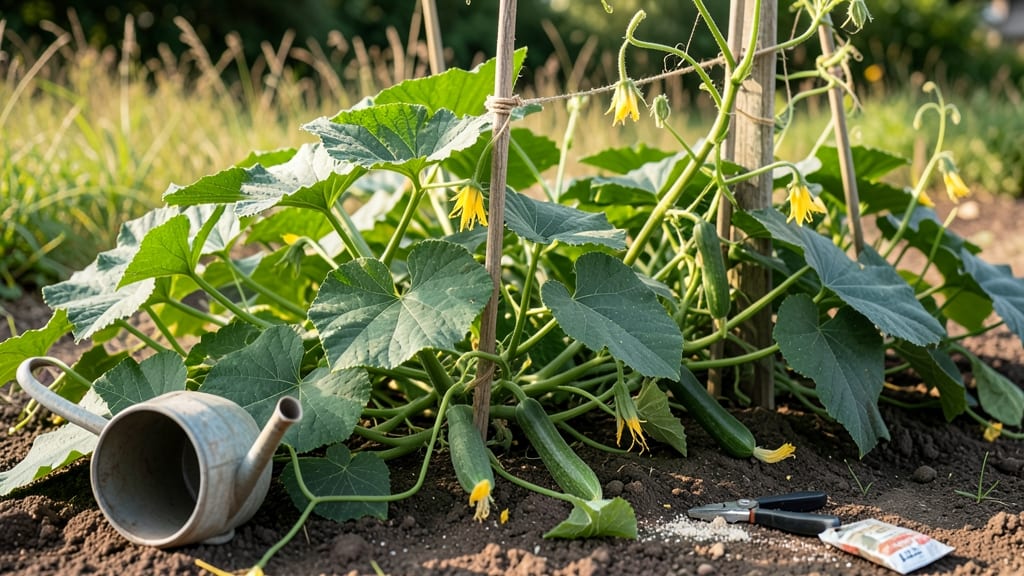
Fast cucumber plant growth starts with the right timing and a few simple tricks that cut weeks off the wait. 🌱 I’ve watched seedlings pop through soil in just 3-5 days—not the usual 7-10—by soaking seeds overnight and using warm soil.
The key is patience in the beginning, but the payoff is vines heavy with fruit by early summer.
You’ll need a sunny spot with at least 6-8 hours of light, well-draining soil, and a trellis or strong fence for those rambling vines. Most gardeners overlook soil warmth—cucumbers won’t germinate well below 60°F—so black plastic mulch or a cold frame helps in cooler climates.
Once sprouted, keep soil consistently moist but never soggy, and watch those first true leaves appear in 7-10 days.
The real magic happens when vines start climbing. Within 3-4 weeks, you’ll see tendrils gripping your trellis and new leaves unfurling daily. Prune aggressively to encourage bushier growth and better airflow, which prevents diseases like powdery mildew.
By week 6, you’ll be harvesting cucumbers—10-12 plants can feed a family all summer if you stay on top of it.
Here’s the secret weapon: companion planting. Pair cucumbers with nasturtiums to deter pests or beans to fix nitrogen in the soil. Avoid planting near potatoes or sage, which stunt growth. With these tweaks, your cucumbers won’t just grow—they’ll explode with productivity, turning your garden into a green machine.
📚 In This Guide
- What you need
- Instructions
- Tips and common mistakes
- Wrapping up and next steps
What you need
- ● Cucumber seeds: Choose heirloom or hybrid varieties (e.g., 'Straight Eight,' 'Lemon Cucumber,' or 'Marketmore'). Aim for 3–5 seeds per plant (or 1–2 seeds per pot if container gardening).
- ● Growing containers or garden bed: For containers: 5-gallon pots or larger (at least 12–18 inches deep) with drainage holes. Use 1–2 plants per container.
- ● For garden beds: Ensure 6–8 feet of space per plant (or trellis space for vertical growth). Soil should be well-draining and rich in organic matter.
- ● High-quality potting mix: A seed-starting mix (for indoor germination) or garden soil amended with compost (for outdoor planting). Avoid heavy clay soil.
- ○ Trellis or support structure: Optional but highly recommended for vertical growth. Use 5–6 foot tall stakes, cages, or netting to save space and improve airflow.
- ● Watering can or hose with a gentle spray nozzle: Cucumbers need consistent moisture—avoid soaking the soil.
- ● Fertilizer: At planting: A balanced fertilizer (10-10-10) or compost tea.
- ● During growth: A low-nitrogen, high-potassium fertilizer (5-10-10) to encourage fruiting.
- ● Mulch: Straw or shredded leaves to retain moisture and suppress weeds.
- ● Grow lights or sunny windowsill: For indoor germination (if starting seeds early).
- ● Seedling heat mat: Speeds up germination by 5–10 days (ideal for cooler climates).
- ● Companion plants: Marigolds, nasturtiums, or beans to deter pests naturally.
- ● Pruning shears: For trimming excess vines or yellow leaves.
- ● pH test kit: To ensure soil pH is between 6.0–6.8 (cucumbers prefer slightly acidic soil).
- ● Row covers: Lightweight fabric to protect seedlings from pests or frost.
Step-by-Step instructions for fast cucumber germination and vine growth
Here's how to get cucumbers sprouting in days and vines thriving in weeks.
🌱 Step 1: Prep Soil and Plant Seeds for Rapid Germination
Fill your 4-inch pots with the 2 gallons of seed-starting mix and moisten it until damp but not soggy—think of a wrung-out sponge. Cucumbers love warmth, so place the pots in a spot where soil stays between 75-85°F. I like to set them on a heating mat during cool nights to speed things up.
Plant 2 seeds per pot just ½ inch deep—any deeper and they’ll struggle to break through. Cover lightly with more mix and gently press down. The key here is consistency: keep the soil evenly moist but never waterlogged. You’ll see those first sprouts in just 3-5 days if conditions are right.
☀️ Step 2: Provide Bright Light Immediately After Sprouting
The moment those first green shoots appear, move them to a south-facing window or under grow lights for 12-14 hours daily. Cucumbers grow fast but need strong light to avoid leggy, weak stems. If your seedlings stretch toward the light with long, pale stems, they’re begging for more intensity—raise the lights or rotate the pots daily.
Watch for first true leaves (the second set after the initial cotyledons). Once they appear, you can thin to the strongest seedling per pot, snipping the weaker one at the base. This prevents competition and gives your winner room to thrive.
💧 Step 3: Water Deeply and Fertilize for Explosive Growth
Water only when the top inch of soil feels dry—cucumbers hate soggy roots but need steady moisture. I use the 1 gallon of liquid fertilizer diluted to half-strength every 2 weeks once the plants have 2-3 true leaves. This jumpstarts vine development and fruit production. Avoid overwatering; yellowing leaves mean you’re drowning the roots.
When vines reach 6 inches tall, give them a trellis or stakes to climb. Cucumbers grow 1-2 feet per week under ideal conditions, so secure them loosely with soft ties. This keeps the plants upright, improves air circulation, and makes harvesting easier.
✂️ Step 4: Prune and Harvest for Continuous Production
Once vines hit 4 feet, prune side shoots to focus energy on fruit-bearing vines. Pinch off any flowers that appear in the first 2 weeks—this delays fruiting until the plant is strong enough to support heavy harvests. You’ll know it’s working when you see male flowers (long stems, no bulb) drop off naturally.
Harvest small cucumbers (under 6 inches) for the best flavor and to encourage more production. Check vines every 2-3 days—ripe cucumbers grow fast and turn bitter quickly. Use a sharp knife or pruners to cut stems cleanly, leaving a ¼ inch of stem attached to the fruit.
🌿 Step 5: Extend the Season with Simple Care
As temperatures drop below 50°F, protect vines with row covers or move pots to a sunny indoor spot near a bright window. Reduce watering slightly but keep soil moist—cucumbers slow down in cooler weather but can still produce for weeks. If frost threatens, harvest everything and let the plants die back naturally.
Here’s the thing—cucumbers reward fast action. The sooner you plant, the sooner you eat. With this method, you’ll go from seed to salad in just 6-8 weeks, and the vines will keep producing all season if you stay on top of pruning and harvesting.
Tips & tricks for fast cucumber germination and thriving vines
Speed is everything when growing cucumbers—here's how to maximize your success without sacrificing quality.
Warmth is Non-Negotiable: That 75-85°F soil temperature range in Step 1 isn't just a suggestion—it's the difference between 3-day sprouts and 2-week disappointments. I've seen germination times cut in half by using a simple heating mat during cooler evenings. For even faster results, place your pots in a warm spot like on top of your fridge (just avoid direct heat sources). The moment seeds sense warmth, they'll start pushing through the soil like they're in a race.
Light Intensity Matters More Than Hours: While the 12-14 hours of light in Step 2 is ideal, focus more on intensity than duration. If your seedlings start stretching toward the light with pale stems, they're starving for photons. I recommend using LED grow lights just 6 inches above the plants—they're more efficient than traditional bulbs and won't overheat your seedlings. Rotate your pots daily so all sides get equal light exposure, preventing that lopsided growth that looks like someone gave your plants a bad haircut.
Fertilizer Timing is Critical: The 2-week interval for that half-strength liquid fertilizer in Step 3 is perfect, but here's the secret: start fertilizing when you see those first true leaves appear, not when you feel like it. This timing ensures your plants have enough energy to develop strong root systems before they start putting energy into vines and flowers. Too early, and you'll burn tender roots; too late, and you'll stunt growth. I like to mix in a little compost tea with my fertilizer for an extra nutrient boost without overdoing it.
Harvesting Frequency Creates Demand: Checking vines every 2-3 days as mentioned in Step 4 isn't just about getting your cucumbers—it's about signaling your plants to produce more. When you harvest regularly, the plant interprets this as "I need more food!" and responds by putting all its energy into producing new fruit. I've seen production double just by being consistent with harvesting. And that ¼-inch stem you leave attached? It helps prevent disease from entering the plant through fresh cuts.
Pro Tips for Cucumber Plants Growth
- Speed is everything when growing cucumbers—here's how to maximize your success without sacrificing quality.
- Warmth is Non-Negotiable: That 75-85°F soil temperature range in Step 1 isn't just a suggestion—it's the difference between 3-day sprouts and 2-week disappointments.
- Light Intensity Matters More Than Hours: While the 12-14 hours of light in Step 2 is ideal, focus more on intensity than duration.
Frequently asked questions
Got questions about growing cucumbers like a pro?
You’re in the right place! Here are answers to the most common queries—from speedy sprouts to troubleshooting woes—so you can grow thriving vines in no time.
How long does it take for cucumber seeds to germinate?
With the right conditions (warm soil, 70–90°F, and moisture), cucumber seeds typically sprout in 3–10 days. Pre-soaking seeds for 6–8 hours can speed this up! If germination takes longer than 2 weeks, check soil warmth and moisture—cucumbers are finicky about both.
Can I grow cucumbers from store-bought cucumbers?
Yes, but with a catch! Only use organic, seedless cucumbers (like Persian or Kirby varieties). Cut near the stem, let the slice dry for a day, and plant it in soil. Store-bought conventional cucumbers are often treated to prevent sprouting.
Why are my cucumber leaves turning yellow?
Yellowing leaves usually signal overwatering, nutrient deficiency, or pests. Check soil moisture—cucumbers hate soggy roots. Look for aphids or powdery mildew on undersides. Boost nitrogen (like compost tea) or adjust watering if leaves feel mushy.
What’s the best companion plant for cucumbers?
Cucumbers thrive with beans, peas, radishes, or marigolds—these plants deter pests and improve growth. Avoid planting near potatoes, sage, or aromatic herbs (like dill), as they can stunt cucumber vines.
Can cucumbers grow in containers?
Use a 5-gallon container minimum with well-draining soil and trellis support. Dwarf varieties (like ‘Bush Champion’) work best. Place containers in full sun (6+ hours/day) and water consistently—containers dry out faster than garden beds.
Why are my cucumbers bitter?
Bitter cucumbers often result from overripe harvests, stress, or uneven watering. Pick them small (6–8 inches) and consistently. If vines are stressed (heat, drought, or poor soil), bitterness spikes. Try shade cloth in peak summer to reduce heat stress.
Wrapping up and next steps
Growing thriving cucumber plants is simpler than you think—with the right materials, techniques, and a little patience, you’ll enjoy fresh, homegrown cucumbers in just a few weeks! 🌱 From fast germination to lush vines, this guide gives you all the tools to succeed, whether you’re a beginner or a seasoned gardener.
Now that you’re armed with knowledge, take the next step—plant those seeds or seedlings and watch your garden transform! Share your progress with fellow gardeners, experiment with companion plants, and savor the satisfaction of homegrown harvests. Happy growing! 🌿