Picking
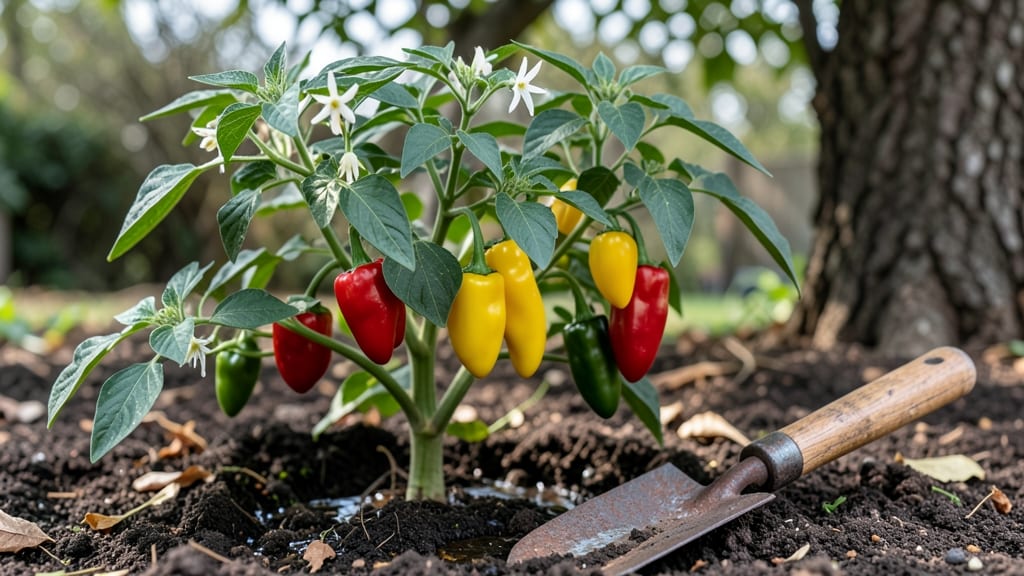
Planting with peppers isn’t just about sticking seeds in dirt—it’s about giving them the exact conditions they crave to burst into productivity from day one. 🌱 I’ve learned that peppers hate crowded spaces and soggy soil, but with the right spacing and depth, they’ll reward you with plump, flavor-packed fruits all season long.
The secret starts with soil that drains like a dream—amend heavy clay with compost—and planting seeds just ½ inch deep, spaced 12-18 inches apart for bell peppers or 18-24 inches for hot varieties.
Most gardeners overlook how much peppers need elbow room, but tight quarters mean stunted growth and fewer peppers. Trust me, your plants will thank you.
Once in the ground, keep soil consistently moist but never waterlogged—peppers despise wet feet. A mulch layer of straw keeps moisture steady and weeds at bay, while morning sun and afternoon shade (in hot climates) prevent fruit from turning bitter.
By midsummer, you’ll be harvesting peppers that put grocery store ones to shame.
Pro tip: Pair peppers with basil to repel pests and onions to deter aphids, but avoid planting near beans or brassicas—they compete for nutrients. Even my black thumb can’t kill these when done right. Let’s get those seeds in the ground!
📚 In This Guide
- What you need
- Instructions
- Tips and common mistakes
- Wrapping up and next steps
What you need
- ● Peppers seeds or seedlings: Choose disease-resistant varieties (e.g., Jalapeño, Bell, Cayenne). Buy 6–12 plants for a small garden or 12+ for larger harvests.
- ● Well-draining potting mix or garden soil: Peppers hate soggy roots! Use a mix with 50–70% compost for containers.
- ○ Containers (optional but handy): 5–7 gallon pots (minimum 12" deep) with drainage holes. Fabric grow bags work too!
- ● Fertilizer: Start with a balanced 10-10-10 or organic compost tea. Switch to low-nitrogen (5-10-10) when flowers appear.
- ● Garden trowel or transplanting spade (for digging holes)
- ● Measuring tape or ruler (to nail spacing—peppers hate crowding!)
- ○ Gloves (optional but highly recommended for handling spicy seeds)
- ● Watering can or hose with a gentle nozzle (peppers prefer deep, infrequent watering)
- ● Mulch (straw or black plastic) (keeps soil moist and weeds at bay)
- ● Warmth: Peppers need soil temps above 60°F (15°C). Use a seedling heat mat if starting indoors.
- ● Sunlight: 6–8 hours of full sun daily. No shade-loving shortcuts here!
- ● pH-balanced soil: Aim for 6.0–6.8 pH. Test your soil or amend with lime (to raise pH) or sulfur (to lower it).
- ● Patience: Peppers take 60–90 days to mature. Plan ahead!
Step-by-step guide for planting peppers like a pro
These tricks ensure your peppers grow strong and productive—no more crowded, weak plants.
🌱 Step 1: Prepare the Soil for Pepper Success
Peppers thrive in well-draining soil with a pH between 6.0 and 6.8. Start by mixing in 2-3 inches of compost into the top 6-8 inches of soil. This adds nutrients and improves drainage—peppers hate soggy roots. I like to work in a handful of aged manure or worm castings for extra fertility. Avoid fresh manure, which can burn tender roots.
Loosen the soil to a depth of 12 inches with a garden fork or tiller. Break up any clumps so roots can spread easily. If your soil is heavy clay, add sand or perlite to lighten it. The goal is soil that crumbles easily when squeezed—like a damp sponge, not a brick.
🪴 Step 2: Plant Transplants at the Right Depth
Peppers need 18-24 inches of space between plants to avoid competition. Dig a hole twice as wide as the root ball but only as deep as the plant’s original soil line. Pressing transplants too deep can suffocate the stem, while planting too shallow leaves roots exposed.
Gently remove the plant from its container and tease the roots apart if they’re circling. Place it in the hole so the top of the root ball sits just below soil level. Fill around the roots with soil, pressing lightly to eliminate air pockets. Water immediately to settle everything—you’ll see soil settle about ½ inch after watering.
☀️ Step 3: Space for Sun and Airflow
Peppers need full sun (6-8 hours daily) and good airflow to prevent disease. Space rows 24-36 inches apart to allow sunlight to reach all plants. If growing in containers, use pots at least 12 inches wide and deep—peppers have deep roots and need room.
Mulch around plants with 2-3 inches of straw or shredded leaves to retain moisture and keep soil temperatures stable. Avoid piling mulch against stems—leave a 2-inch gap to prevent rot. Water at the base, not overhead, to keep leaves dry and reduce fungal risks.
✂️ Step 4: Prune for Stronger Growth
Once plants reach 12 inches tall, remove any suckers (side shoots) that form in the leaf axils. These drain energy from fruit production. Pinch off flowers in the first 2-3 weeks—this lets the plant focus on foliage first. You’ll see thicker stems and more vigorous growth after pruning.
Support tall varieties with stakes or cages when plants hit 18 inches. Tie stems loosely with soft fabric—peppers grow fast, and tight ties can strangle them. Harvest peppers when they reach full color and firmness—this encourages more production.
💧 Step 5: Water and Fertilize for Peak Production
Water deeply 1-2 times per week, aiming for 1 inch of water per week. Let the soil dry slightly between waterings—peppers rot in soggy soil but need consistent moisture. I use drip irrigation to keep leaves dry, which cuts down on fungal issues.
Feed plants every 2-3 weeks with a balanced fertilizer (10-10-10) or tomato/vegetable mix. Stop fertilizing 4-6 weeks before harvest—too much nitrogen late in the season reduces flavor. Watch for yellowing leaves, which may signal overwatering or nutrient deficiencies.
Tips & tricks for perfect pepper planting
Here's what I've learned after years of gardening—these tricks make all the difference between healthy plants and struggling ones.
The Soil Test: Before planting, test your soil's pH with a simple kit from your garden center. Peppers need that 6.0-6.8 range—if yours is off, adjust with lime to raise pH or sulfur to lower it. I've seen peppers struggle in soil that was just slightly acidic or alkaline. The 2-3 inches of compost in the top 6-8 inches of soil is non-negotiable for drainage and nutrients. Don't skip this step—it's the foundation for everything else.
Root Ball Handling: When removing transplants from their containers, gently squeeze the sides to loosen roots if they're circling. I've ruined plants by yanking them out—always tease those roots apart. The ½-inch soil settlement after watering is your cue that you've planted at the right depth. If your soil doesn't settle, you've either packed it too tightly or didn't water enough. Aim for that top of root ball just below soil level—this prevents stem rot while encouraging strong root growth.
Spacing Secret: The 18-24 inches between plants isn't just about avoiding competition—it's about airflow. Crowded peppers develop fungal diseases faster. I've learned this the hard way with my first garden where I crammed plants too close. For container growers, that 12-inch pot minimum is crucial—peppers have deep roots and need room to spread. If you're short on space, consider vertical growing with trellises for bush varieties.
Pruning Timing: Those first 2-3 weeks of pinching off flowers might feel counterintuitive, but trust me—it works. You're teaching the plant to focus on foliage first. I wait until plants hit 12 inches tall before starting, and I always use clean pruners to avoid disease. The suckers in leaf axils are energy vampires—removing them redirects that energy to fruit production. And when you see plants hit 18 inches, it's time to stake them before they topple.
Pro Tips for Planting With Peppers
- Here's what I've learned after years of gardening—these tricks make all the difference between healthy plants and str...
- The Soil Test: Before planting, test your soil's pH with a simple kit from your garden center. Peppers need that 6.0-...
- Root Ball Handling: When removing transplants from their containers, gently squeeze the sides to loosen roots if they...
Frequently asked questions
Got questions about planting with peppers?
You’re not alone! Here are answers to the most common queries to help you grow a thriving pepper garden with confidence.
When is the best time to plant pepper seeds or seedlings?
Peppers thrive in warm soil—wait until after the last frost when nighttime temps stay above 55°F (13°C). For seedlings, transplant them 2-3 weeks after starting seeds indoors (or buy hardened-off plants from a nursery). If your climate is hot early, start seeds 8-10 weeks before
Spacing depends on your pepper variety:
Give them 18–24 inches between rows for airflow and sunlight. Crowding leads to disease and poor fruit quality! Dig a hole twice as deep as the seedling’s root ball but no deeper than the top of the soil line on the stem. Burying too much can cause rot, while planting too shallow may expose roots. Gently firm the soil around the base to eliminate air pockets. Peppers love companions like basil, onions, garlic, spinach, or tomatoes (though avoid planting them too close to fennel or brassicas like cabbage). Avoid planting near potatoes or walnut trees, as they compete for nutrients or release toxins. Use 3–4 feet of separation for tomatoes to prevent disease spread. Common issues and fixes:
Check for blossom end rot (black spots on fruit)—it’s a calcium issue! Add crushed eggshells or lime to the soil. How far apart should I space pepper plants?
How deep should I plant pepper seedlings?
Can I plant peppers near other vegetables? What’s the best companion?
My pepper plants look wilted or have yellow leaves. What’s wrong?
Wrapping up and next steps
Planting peppers with the right spacing and depth sets the stage for a bountiful, healthy harvest—no guesswork required! 🌱 Whether you’re a seasoned gardener or a curious beginner, mastering these simple tricks ensures your plants thrive from seed to spice.
Now that you’re armed with the best techniques, it’s time to roll up your sleeves and get planting—your future salsas, stir-fries, and sauces are waiting!
Ready to take the next step? Start small—try a few pepper varieties in a container or a dedicated garden bed—and watch your confidence (and harvest) grow! 🌶️