Pruning
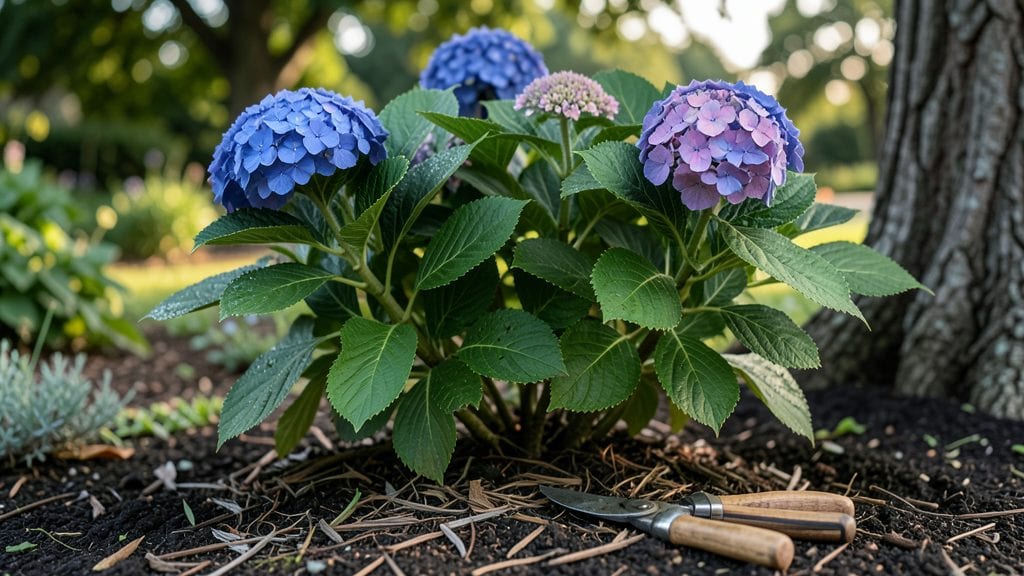
Pruning flowering plants isn't about hacking branches—it's about unlocking season-long blooms by guiding growth the right way. 🌸 I spent years watching my hydrangeas and roses put all their energy into leaves instead of flowers, until I learned the three strategic cuts that transform a plant's performance.
The key isn't timing alone; it's understanding which cuts encourage more blooms, which shape the plant, and when to let nature take over.
You'll need just three basic tools: sharp pruning shears for clean cuts, loppers for thicker stems, and gloves to protect your hands from thorns or rough foliage. Most pruning happens in late winter or early spring, but some plants—like annuals—thrive with regular deadheading throughout the season.
The real magic happens when you prune at the right angle and target the right growth, which I'll show you exactly how to do for roses, hydrangeas, lavender, and more.
After pruning, your plants will reward you with denser foliage, more flowers, and a shape that actually looks intentional. I've gone from struggling with leggy bushes to having neighbors ask for cuttings—all from mastering these three simple techniques.
The best part? You'll spend less time fighting overgrowth and more time enjoying the blooms you worked for.
This works for both perennials that come back year after year and annuals that need a mid-season refresh. Whether you're dealing with a single rose bush or a whole garden bed, the same principles apply. Let's get those shears sharp and those plants blooming like crazy.
📚 In This Guide
- What you need
- Instructions
- Tips and common mistakes
- Wrapping up and next steps
What you need
- ● Bypass pruners – Sharp, clean, and disinfected (7-inch blades work best for most flowering plants). Pro tip: 💡 Replace blades if they’re dull or rusted!
- ● Hand pruners (felco or similar) – For smaller stems (½ inch thick or less). Look for ergonomic grips to reduce hand fatigue.
- ● Loppers – For thicker branches (up to 2 inches). Choose bypass-style (not anvil) to avoid crushing stems.
- ● Pruning saw – For stubborn, woody stems (2+ inches thick). A bow saw or curved blade works best.
- ● Gloves – Heavy-duty, gardening-grade gloves (nitrile-coated for grip and thorn protection).
- ● Disinfectant – 70% isopropyl alcohol or a 10% bleach solution (1 part bleach to 9 parts water) to sterilize tools between cuts.
- ○ Sealing wax or pruning paste – Optional but helpful for sealing large cuts (prevents disease entry).
- ● Extension pole pruners – For high branches (e.g., roses or shrubs). Look for locking mechanisms for stability.
- ● Sharpie or permanent marker – To label cuts if you’re training plants (e.g., espalier).
- ● Bucket or bag – For collecting pruned debris (line with a trash bag for easy disposal).
- ● Knee pads or stool – For comfort if pruning low-growing plants or kneeling for long periods.
- ○ Plant growth regulator (optional) – Like dormant oil or hormone rooting powder if propagating cuttings.
Instructions for pruning flowering plants to extend the season
Here's the method I've used to keep my gardens blooming continuously—no deadheading required.
✂️ Step 1: Deadhead Spent Blooms for Continuous Flowering
Use clean, sharp pruners to snip off faded flowers at the first set of healthy leaves below the bloom. This redirects the plant's energy from seed production to new growth, encouraging more flowers. I always work in the morning when plants are hydrated—it's easier to spot where to cut and reduces stress on the plant.
Look for the small leaf cluster just below the dead bloom—this is your target. Cutting here prevents unsightly stems while stimulating side shoots. For example, with petunias, I make the cut at a 45-degree angle to shed water away from the stem, preventing rot.
✂️ Step 2: Thin Overcrowded Stems for Better Airflow
Remove up to one-third of the oldest stems at the base during late winter or early spring. This opens up the plant, allowing sunlight and air to reach the center where new buds form. I prioritize stems that are woody or crossing others—these compete for nutrients and weaken overall health.
Use your fingers to gently twist stems away from the plant rather than cutting—this minimizes damage to surrounding growth. If cutting is necessary, make clean cuts at a 45-degree angle just above a leaf node. This simple technique prevents water from pooling and keeps the plant looking tidy.
✂️ Step 3: Renew Old Wood to Rejuvenate Mature Plants
In late winter or early spring, cut back one-third of the oldest stems to just above a strong bud or set of leaves. This rejuvenates tired plants like hydrangeas or roses by stimulating fresh growth from the base. I always wait until after the last frost—new growth is frost-sensitive and can't recover if damaged.
Look for stems that are thinner, less flexible, or showing fewer buds—these are the ones to prune. Make your cut just above an outward-facing bud to encourage an open, airy shape. This isn't about drastic changes; think of it as giving your plant a haircut to refresh its energy.
✂️ Step 4: Shape for Balance and Structure
Step back and assess the plant's overall form. Use your pruners to trim long stems that disrupt the natural shape, cutting back to a strong lateral branch or bud. For rounded shrubs, aim for a slightly tapered look—wider at the base, narrower at the top—this mimics natural growth patterns.
I avoid cutting into the center of the plant unless absolutely necessary—this can create a "donut hole" effect where light never reaches. Instead, focus on creating an open framework that allows air to circulate. This isn't about perfection; it's about encouraging the plant's natural growth habits.
Tips & tricks for perfect pruning of flowering plants
These strategic insights will transform your pruning from routine maintenance to a game-changing technique for season-long blooms.
The Timing Factor: Morning is ideal for pruning because plants are fully hydrated, making it easier to identify healthy growth points. I've noticed that cutting in bright morning light also reveals subtle color differences between healthy and stressed foliage—this helps target cuts more precisely. The key is to prune when flowers are spent but before seed pods form, which typically happens in the early morning when blooms are still closed.
Tool Technique: Always use clean, sharp pruners to make precise cuts that heal faster. Dull tools crush stems, creating larger wounds that invite disease. I sterilize my pruners between plants with rubbing alcohol to prevent spreading pathogens. For delicate stems like those on impatiens, I use my fingers to pinch off spent blooms rather than cutting—this reduces damage to tender growth.
Angle Matters: The 45-degree angle mentioned in Step 1 isn't just decorative—it's functional. This angle prevents water from pooling at the cut site, which dramatically reduces the risk of rot. When cutting at this angle, make sure the upper side of the cut faces away from the plant center to encourage outward growth. For woody stems, I use a slight downward angle to direct rainwater away from the cut surface.
Seasonal Strategy: Late winter/early spring pruning (Step 2 and 3) should focus on removing only one-third of oldest stems—never more. This maintains the plant's energy balance while stimulating new growth. I've learned that for tropical plants like hibiscus, which bloom on new wood, aggressive pruning in spring can actually reduce flowering. For these, I limit cuts to just the damaged or crossing stems and avoid heavy pruning until after the first flush of blooms.
Pro Tips for Prune Flowering Plants
- These strategic insights will transform your pruning from routine maintenance to a game-changing technique for season-long blooms.
- The Timing Factor: Morning is ideal for pruning because plants are fully hydrated, making it easier to identify healthy growth points.
- Tool Technique: Always use clean, sharp pruners to make precise cuts that heal faster.
Frequently asked questions
Got questions about pruning flowering plants? You’re not alone—this process can feel tricky, especially when you want to keep those blooms coming! Below, we’ve answered the most common questions to help you prune with confidence and keep your plants thriving.
When is the best time to prune flowering plants?
The ideal timing depends on your plant’s blooming habit. Spring-bloomers (like lilacs or rhododendrons) should be pruned right after flowering to avoid cutting off next year’s buds. For summer- or fall-bloomers (such as roses or mums), prune in early spring to encourage new growth and more flowers later. Always avoid pruning when buds are forming!
How do I know which stems to cut?
Focus on dead, diseased, or crossing branches first—they’re the easiest to spot! For healthy stems, look for leaf nodes (the bump where leaves attach) and cut just above a node at a 45-degree angle. Avoid "heading back" (cutting into old wood) unless your plant is woody like a shrub rose—this can reduce flowering.
What if I prune at the wrong time and my plant stops blooming?
Don’t panic! Most flowering plants are resilient. If you pruned too late (e.g., after buds formed), your plant may take 1–2 seasons to rebound. To help, fertilize lightly in spring with a balanced bloom booster (like 10-10-10) and water deeply to encourage new growth. Next year, time your cuts better!
Can I prune flowering plants too much?
Yes—over-pruning can stress plants, leading to fewer flowers or weak stems. As a rule, never remove more than ⅓ of the plant’s foliage in one session. For example, if your shrub is 3 feet tall, aim to keep it at 2 feet max after pruning. Top-heavy plants (like hydrangeas) can benefit from occasional "thinning cuts" to improve airflow.
Are there any flowering plants I should never prune?
Some plants hate pruning and may never recover. Avoid trimming annuals (like petunias or marigolds) or tender perennials (such as impatiens) unless they’re leggy or diseased. Also, skip pruning orchids or bromeliads—their blooms grow from old growth, and cutting them removes future flowers. When in doubt, research your specific plant!
Still unsure? Snap a photo of your plant and compare it to pruning guides for your species. Happy pruning—and enjoy those vibrant blooms all season long!
Wrapping up and next steps
Pruning flowering plants doesn’t have to be intimidating—it’s all about timing, technique, and a little confidence! 🌸 By mastering the three strategic cuts (deadheading, shaping, and rejuvenation), you’ll unlock longer blooms, healthier growth, and stunning displays all season long.
Remember: sharp tools, clean cuts, and patience are your best allies.
Ready to transform your garden? Grab your pruners and start small—whether it’s a single spent bloom or a row of overgrown shrubs. Your plants (and future blooms) will thank you! 🌿✨