
Propagation
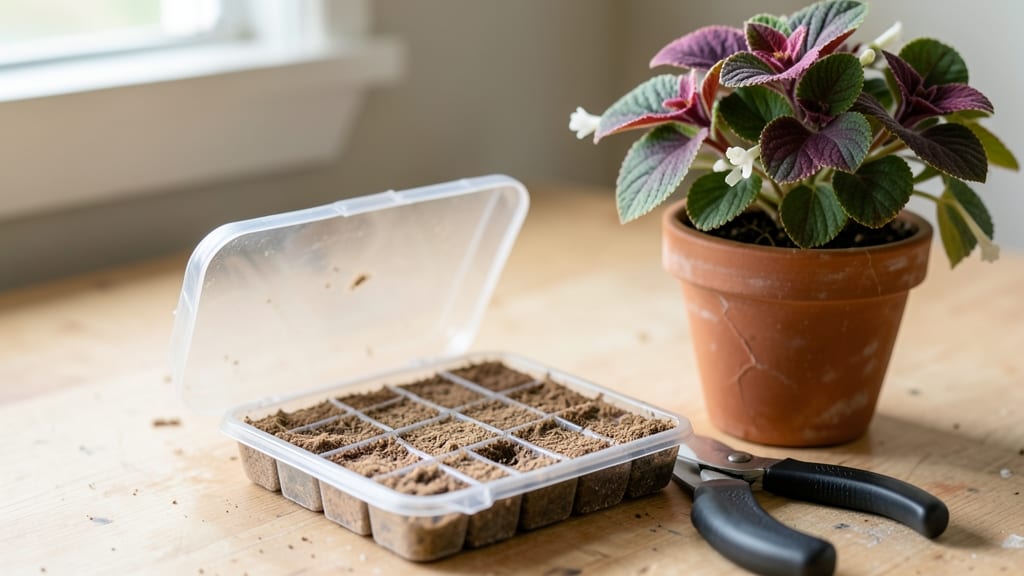
Propagating coleus plants from stem cuttings is the easiest way to multiply your favorite varieties—and it only takes 10 minutes to start. 🌱 I’ve turned a single vibrant plant into a whole garden border using this foolproof method, and the best part?
You don’t need a green thumb to make it work.
The key is choosing healthy stems with at least 4-6 leaves and placing them in water or moist soil. Water propagation lets you watch roots grow in 2-3 weeks, while soil works faster if you keep the cuttings humid.
I’ve even rooted cuttings in damp paper towels when I forgot my propagation station!
Once rooted, your new coleus will burst into bold, patterned foliage within weeks. The plants stay compact, colorful, and perfect for borders, containers, or hanging baskets. Just avoid overwatering—coleus roots rot faster than they grow.
This method works year-round, though spring and summer give the fastest results. Even if your cuttings take longer to root, they’ll reward you with lush, trouble-free growth. Ready to clone your favorite plant?
📚 In This Guide
- What you need
- Instructions
- Tips and common mistakes
- Wrapping up and next steps
What you need
- ● Healthy coleus stem cuttings: 4–6 inches long (with at least 2–3 leaf nodes)
- ● From non-flowering stems (for best results)
- ● Pruning shears or sharp scissors: Clean and sterilized to prevent disease
- ○ Rooting hormone (optional but helpful): Gel or powder to boost root growth
- ● Water (for water propagation method): Room-temperature, filtered or distilled (avoid tap water with chlorine)
- ● Small glass or jar (8–12 oz, clear for visibility)
- ● Potting mix (for soil propagation method): Well-draining, sterile mix (e.g., perlite, vermiculite, or cactus/succulent soil)
- ● Small pots or trays (3–4 inches in diameter)
- ● Plastic bag or humidity dome: To retain moisture (for soil method)
- ● Spray bottle: For misting cuttings (keeps them hydrated)
- ● Grow lights or bright, indirect sunlight (if natural light is limited)
- ● Fertilizer (diluted, balanced liquid fertilizer for post-rooting care)
- ● Label markers (to track varieties if propagating multiple types)
- ● Hydrogen peroxide (3%) for sterilizing tools or cuttings
Step-by-step instructions for propagating coleus plants
Here's the simple, foolproof method I use to multiply my coleus collection every season.
🌱 Step 1: Select Healthy Stems for Cutting
Choose stems that are 4-6 inches long with at least 3-4 leaves—young, non-flowering growth works best. Avoid stems with yellow leaves or brown spots, as these can introduce disease to your new plants. I like to cut just below a leaf node, where the stem meets the leaf, using clean scissors or pruning shears.
Make a clean, diagonal cut about ¼ inch below the node. This angled cut gives the stem more surface area to absorb water or soil, which speeds up root development. If your coleus has started flowering, pinch off those buds—they sap energy from the stem you're trying to propagate.
💧 Step 2: Prepare the Stem for Propagation
Remove the bottom 1-2 leaves from the stem to prevent them from rotting in water or soil. You'll want to leave the top leaves intact—they'll help the cutting photosynthesize while it grows roots. If you're propagating in water, place the stem in a clean glass jar or vase filled with room-temperature water.
For soil propagation, I dip the cut end in rooting hormone powder (optional but helpful) to encourage faster root growth. Then, I make a small hole in the potting mix with a pencil or stick and insert the stem about 1-2 inches deep. Gently firm the soil around the base to eliminate air pockets.
✂️ Step 3: Provide Ideal Conditions for Root Growth
Place your cuttings in a spot with bright, indirect light—direct sun can scorch the leaves, while too little light slows root development. I keep my water-propagated cuttings on a sunny windowsill, changing the water every 3-4 days to prevent bacterial growth. You'll see tiny white roots forming in 1-2 weeks.
If propagating in soil, keep the mix consistently moist but not soggy. I cover the pot with a clear plastic bag to create a humid environment, which speeds up rooting. Remove the bag once you notice new growth from the top leaves—this tells me the cutting has successfully established roots.
🌿 Step 4: Transition to Soil and Encourage Growth
Once roots are 1-2 inches long (for water propagation) or you see new leaf growth (for soil propagation), it's time to transplant. For water-propagated cuttings, gently rinse off any root hairs and plant the entire stem in a small pot with fresh potting mix. Press the soil lightly around the base to secure the plant.
Keep your new plants in the same bright, indirect light for a week to help them adjust. Water when the top inch of soil feels dry, and avoid fertilizing for 4-6 weeks to let the roots establish without competition. You'll notice fresh, vibrant leaves emerging within 2-3 weeks—that's your sign the propagation worked!
Tips & tricks for perfect coleus propagation
These little tricks will help you turn those 4-6 inch stems into thriving plants every time—no green thumb required.
Selection is Everything: I can't stress this enough—choose stems that are 4-6 inches long with 3-4 healthy leaves. The key is non-flowering growth, as flowering stems direct energy to blooms instead of root development. I always avoid stems with yellowing or spotted leaves because those can introduce bacteria to your new plants. Think of it like selecting the best cutting from a fabric bolt—you want the freshest, most vibrant part!
Cutting Technique Matters: That ¼-inch diagonal cut below the leaf node isn't just arbitrary—it creates more surface area for water or soil absorption, which speeds up root growth. Use clean scissors or pruning shears (I disinfect mine with rubbing alcohol between uses) and make the cut at a 45-degree angle. This angled cut also helps prevent the stem from sitting flat on the soil or water, which could lead to rot. Pro tip: If your coleus has flower buds, pinch them off—they'll steal energy from your new plant's root development.
Lighting Secrets: Bright, indirect light is non-negotiable for successful propagation. Direct sun can scorch those delicate new leaves, while too little light slows root growth to a crawl. I place my cuttings on an east-facing windowsill where they get morning sun but gentle light for the rest of the day. For indoor growers without great windows, a simple LED grow light on a timer works wonders—just 12-14 hours of light per day keeps things perfect. You'll know you've got it right when you see those tiny white roots forming in 1-2 weeks.
Water Maintenance: When propagating in water, change it every 3-4 days to prevent bacterial growth. I use room-temperature water because cold water can shock the stems. For soil propagation, keep the mix consistently moist but not soggy—think of it like wringing out a damp sponge. The goal is to maintain humidity around the cutting, which is why I cover soil-propagated cuttings with a clear plastic bag until new growth appears. This creates a mini greenhouse effect that speeds up root development.
Pro Tips for Propagate Coleus Plants
- These little tricks will help you turn those 4-6 inch stems into thriving plants every time—no green thumb required.
- Selection is Everything: I can't stress this enough—choose stems that are 4-6 inches long with 3-4 healthy leaves.
- Cutting Technique Matters: That ¼-inch diagonal cut below the leaf node isn't just arbitrary—it creates more surface area for water or soil absorption, which speeds up root growth.
Frequently asked questions
Got questions about propagating coleus?
You’re not alone! Here are answers to the most common queries to help you grow more of these vibrant plants with confidence.
How long does it take for coleus cuttings to root in water?
Most coleus stem cuttings will develop roots in 2–4 weeks when placed in water. Keep the water clean (change every 3–5 days) and the cutting in bright, indirect light. Once roots reach about 1–2 inches long, they’re ready to transplant to soil!
Can I propagate coleus directly in soil instead of water?
Soil propagation
works well for coleus, especially in humid conditions. Dip the cut end in rooting hormone (optional), then plant it in moist potting mix. Cover with a plastic bag or dome to retain moisture and place in bright, indirect light. Roots typically form in 3–6 weeks.
Why are my coleus cuttings rotting in water?
Rotting usually happens from too much water or bacterial growth. Use clean, room-temperature water and change it every 3–5 days. Avoid overcrowding cuttings in the same container, and ensure the cutting isn’t submerged too deeply—just 1–2 inches should suffice!
When is the best time of year to propagate coleus?
Coleus can be propagated year-round in warm climates, but spring and early summer (when growth is active) are ideal. If you’re in a cooler zone, wait until after the last frost and temperatures stay above 60°F (15°C) for best results.
How do I encourage bushier growth after propagating?
To promote bushiness, pinch back the tips of your new coleus plants when they’re about 6 inches tall. This encourages lateral growth. Also, rotate the plant occasionally for even exposure to light, and fertilize lightly with a balanced houseplant food every 4–6 weeks.
Wrapping up and next steps
Propagating coleus is a rewarding way to expand your plant collection with minimal effort—whether through water or soil! 🌱 With just a few simple steps, you can grow vibrant new plants from cuttings, ensuring your garden stays colorful and thriving.
Now that you’re equipped with the know-how, why not try it today? Grab a healthy stem, follow the steps, and enjoy watching your coleus family grow!
Pro tip: Once your new plants root, share the love by gifting them to fellow plant enthusiasts—double the joy! 🌟