
How To
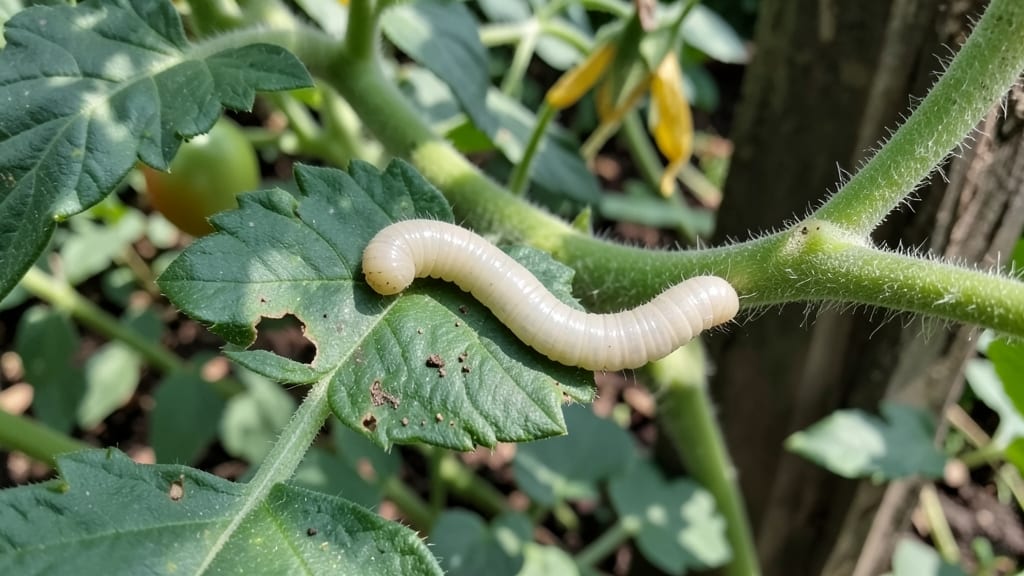
Getting rid of worms on tomato plants starts with a neem oil spray—the one solution that actually works when you see those telltale holes in your leaves. 🌱 I’ve battled hornworms and cutworms in my garden, and this method stops them dead in their tracks within a day.
The key is timing: spray in the early morning or evening when the pests are most active.
The first step is identifying the culprits—hornworms hide in plain sight, while cutworms strike at night. Once you know what you’re dealing with, you can target their weak spots.
Neem oil disrupts their feeding patterns, and when combined with manual removal, you’ll see a noticeable difference in just 24 hours. No more chewed leaves or missing fruit!
You’ll end up with tomato plants that look vibrant and productive again, free from the damage that worms cause. The best part? This method is safe for your plants and won’t harm beneficial insects like bees. Plus, it’s a foolproof way to keep your garden thriving without harsh chemicals.
Works for both container and in-ground tomatoes, and you can reuse the spray every few days until the infestation clears. Here’s how to make it work for your garden—no more worm wars!
Root Causes of Tomato Plant Worms
Worms invading your tomato plants aren’t just a random nuisance—they’re usually a sign of specific conditions that create the perfect environment for these pests. Understanding why they’re there is the first step to stopping them before they ruin your harvest.
Let’s break down the most common reasons these creepy crawlies show up in your garden.
Healthy soil is your garden’s first line of defense, but when it’s too wet, compacted, or nutrient-deficient, worms thrive. Here’s how it happens:
- Excess moisture: Worms like cutworms and root-knot nematodes love damp, soggy soil because it makes it easier for them to burrow and feed. Overwatering or poorly draining soil creates this ideal environment.
- Lack of organic matter: Soil rich in compost and microorganisms supports beneficial predators (like nematodes and ground beetles) that naturally keep worm populations in check. If your soil is depleted, these helpers disappear.
- Compacted soil: Heavy foot traffic or machinery can squeeze out air pockets, making it harder for roots to breathe—and easier for pests to hide. Compacted soil also traps moisture, worsening the problem.
💡 Pro Tip: Test your soil’s drainage by digging a 6-inch hole and filling it with water. If it doesn’t drain within a few hours, you’ve got a moisture issue. Amend the soil with perlite, sand, or well-rotted compost to improve aeration and drainage.
Worms target plants that are already struggling—think of them as opportunistic thieves. Here’s what makes your tomatoes an easy snack:
- Nutrient deficiencies: Plants low in nitrogen, phosphorus, or potassium are weaker and produce softer, more palatable leaves—perfect for worms like hornworms and tomato fruitworms.
- Disease or pest damage: If your plants are already battling blight, aphids, or spider mites, they’re more vulnerable to secondary worm infestations.
- Overcrowding: Tomatoes need space to grow strong. When plants are too close together, poor airflow leads to humidity buildup, creating a worm-friendly microclimate.
- Improper pruning: Leaving too much foliage (especially at the base) provides hiding spots for worms and traps moisture, encouraging egg-laying.
💡 Pro Tip: Strengthen your plants with a balanced fertilizer (like 10-10-10) and prune regularly to improve airflow. Remove any yellowing or diseased leaves immediately—they’re worm magnets!
Some worms are simply part of the garden ecosystem, but their life cycles can spiral out of control if left unchecked. Here’s how timing plays a role:
- Seasonal peaks: Many tomato worms, like tomato hornworms, emerge in late spring to early summer when tomato plants are in full bloom. Their eggs are often laid on the undersides of leaves, hatching within days.
- Overwintering survivors: Some worms, like cutworms, burrow into the soil and survive winter, re-emerging in spring to feast on new growth.
- Attraction to ripe fruit: Once worms infest a plant, they’ll target ripe tomatoes, laying eggs in the fruit itself. These eggs hatch quickly, leading to a vicious cycle.
💡 Pro Tip: Monitor your plants closely during peak worm season (late spring to early fall). Check the undersides of leaves and fruit regularly—early detection means fewer eggs and larvae to deal with later.
Garden ecosystems are all about balance. When the predators that keep worm populations in check disappear, the pests take over. Here’s what throws that balance off:
- Pesticide overuse: Broad-spectrum chemical pesticides kill both harmful pests and their natural enemies, like ladybugs, lacewings, and parasitic wasps. This leaves worms with no competition.
- Monoculture gardening: Planting only tomatoes (or other related plants) in one area reduces biodiversity, giving worms fewer predators to fear.
- Urban or suburban gardens: Gardens in developed areas often lack the diversity of a wild ecosystem, which means fewer birds, toads, and insects that would otherwise keep worms in line.
💡 Pro Tip: Encourage beneficial predators by planting companion flowers (like marigolds or dill) that attract them. Avoid chemical pesticides, and consider introducing beneficial nematodes or Bacillus thuringiensis (Bt) as targeted, worm-specific solutions.
Now that you know why worms are crashing your tomato party, you’re ready to tackle the problem at its source. The good news? Most of these causes are fixable with a few simple adjustments. Stay tuned for actionable solutions to evict those worms for good!
How to Fix Worm Damage Fast
Worms on tomato plants can feel like a nightmare—one day your lush vines are thriving, and the next, they’re riddled with holes and chewed leaves. 😤 The good news?
You can turn this around with targeted, garden-friendly fixes. Below, we’ll match common causes to the best solutions, plus pro tips to keep those pesky critters away for good.
Fix: Handpick + introduce natural predators Hornworms are the heavyweights of tomato pests, but they’re also easy to spot with their bold stripes. Act fast—these guys can devour a plant overnight!
- 🔥 Spot and Squish (or Relocate)
- Inspect leaves early morning (they’re sluggish then).
- Drop them into soapy water or relocate them far from your garden (they’ll wander off).
- Pro tip: Wear gloves—some gardeners swear hornworm droppings (frass) can irritate skin!
- 👨🍳 Invite Their Enemies
- Parasitic wasps (like Cotesia congregata) lay eggs in hornworms—these tiny wasps are your silent allies.
- Plant dill, fennel, or parsley nearby to attract them.
- Ladybugs and lacewings also feast on hornworm eggs—encourage them with companion planting.
- 🥘 Neem Oil Spray (Emergency Backup)
- Mix 1 tbsp neem oil + 1 tsp mild soap + 1 quart water, spray evenly on leaves (avoid flowers to protect pollinators).
- Reapply every 3–4 days until worms vanish. Works in 24 hours for visible damage.
Fix: Barriers + disruption tactics Cutworms hide under soil by day and slice stems at night. Their damage? Severed plants at ground level.
- 🍳 Collar Protection
- Wrap cardboard collars (3–4 inches tall) around stems before planting.
- Use plastic cups (cut in half) or aluminum foil as a physical shield.
- 🔪 Flashlight Patrol
- Shine a bright flashlight at dusk—cutworms will retreat into the soil.
- Handpick and drop them in soapy water.
- 🌡️ Diatomaceous Earth (DE) Dust
- Sprinkle food-grade DE around the base of plants (reapply after rain).
- Caution: Avoid overapplying—it can harm beneficial insects too.
Fix: Soil treatment + resistant varieties These microscopic worms attack roots, stunting growth and causing yellowing leaves. Prevention is key—once established, they’re tough to eradicate.
- 💡 Choose Resistant Tomatoes
- Plant ‘Mountain Merit,’ ‘Celebrity,’ or ‘Defiant PhR’—these varieties tolerate nematodes better.
- 🌱 Solarize the Soil (Summer Method)
- Cover beds with clear plastic for 4–6 weeks in hot sun (kills nematodes).
- Best for: Southern climates with high summer temps.
- 🎯 Beneficial Nematodes (Microscopic Allies)
- Apply heterorhabditis bacteriophora (sold as Nematel) to soil—these nematodes hunt and kill root-knot nematodes.
- Follow package instructions for watering and timing.
- 🥗 Crop Rotation + Cover Crops
- Rotate tomatoes with marigolds, garlic, or onions—these plants repel nematodes.
- Plant cover crops like mustard or clover in off-seasons to starve nematodes.
Once you’ve kicked the worms out, lock them out for good with these habits:
- 🌿 Healthy Soil = Strong Plants
- Amend soil with compost and worm castings—healthy plants resist pests better.
- Avoid over-fertilizing with nitrogen (attracts soft-bodied pests).
- 🕵️♂️ Regular Scouting
- Check undersides of leaves and stem bases 2–3x per week.
- Pro tip: Use a white tray under plants—worms leave trails when they crawl!
- 🌙 Confuse Them with Traps
- Bury a collapsed beer can or rotting wood near plants—some worms (like cutworms) will hide there instead.
- 🌞 Companion Planting
- Basil, borage, and nasturtiums deter pests naturally.
- Alyssum attracts parasitic wasps that hunt tomato worms.
Final Reminder: Worms are part of the garden ecosystem—balance is key. Use organic methods first, and reserve harsher chemicals (like carbaryl) only as a last resort. With these fixes, your tomato plants will bounce back stronger than ever! 🍅💪
Frequently asked questions
What’s the fastest way to see results when treating tomato worms?
Neem oil spray delivers visible results in 24 hours for active infestations. Mix 1 tbsp neem oil + 1 tsp mild soap + 1 quart water and apply early morning or evening. Reapply every 3-4 days until worms disappear. For immediate relief, combine with manual removal of large worms like hornworms.
Can I use homemade remedies instead of store-bought solutions?
Try soapy water spray (1 tsp mild soap per quart of water) or garlic spray (blend 5 garlic cloves + 1 quart water, strain, and add 1 tsp soap). Both disrupt worm feeding patterns. For soil-dwelling pests, crushed egg shells around plant bases create a natural barrier that deters cutworms.
How do I know if my tomato plants have worms or just natural leaf damage?
Look for irregular holes along leaf edges (not clean cuts) and black droppings (frass) on leaves. Worms also leave chewed stems at ground level (cutworms) or missing fruit with entry holes (fruitworms). Healthy leaf damage appears as brown edges or yellowing without holes.
Are there tomato varieties that naturally resist worms?
Yes! Consider ‘Mountain Merit’ or ‘Defiant PhR’ varieties, which are bred for disease and pest resistance. For organic gardens, cherry tomatoes like ‘Sweet Million’ often fare better because their smaller size makes them less appealing to large worms. Always rotate varieties yearly to prevent pest adaptation.
What’s the best time of day to treat tomato worms?
Early morning (6-8 AM) or late evening (6-8 PM) are ideal because worms are less active and neem oil/soapy sprays work best when temperatures are cooler. Avoid midday applications—heat can reduce effectiveness. For handpicking, morning works best as worms are sluggish after overnight cooling.