
How To
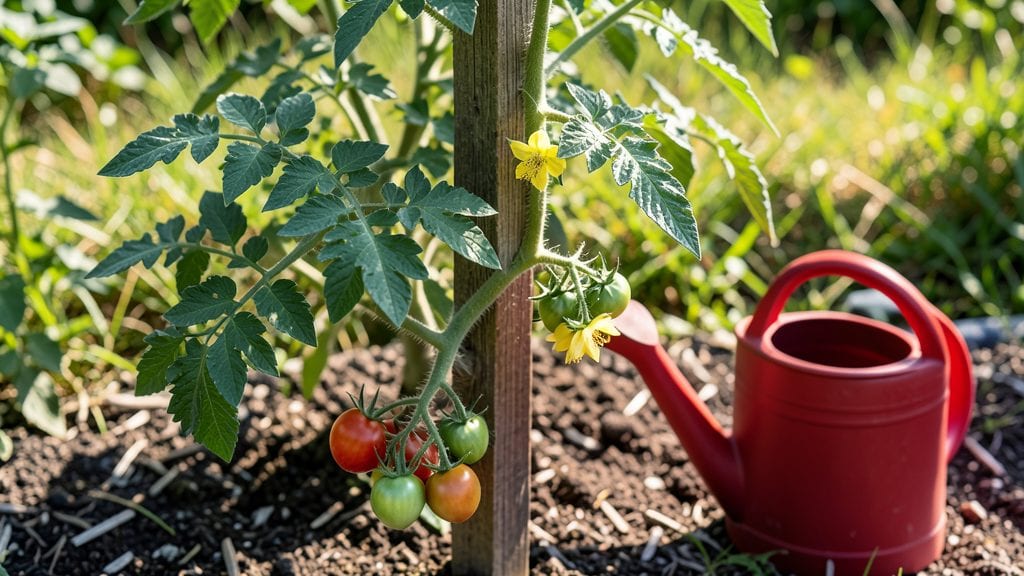
Wondering how long do tomatoes take to ripen on the plant? They range from 50 to 85 days—so patience is key when those green orbs linger past summer.
Wondering when you’ll finally get to enjoy fresh, homegrown tomatoes straight from your garden? The ripening timeline varies dramatically by variety—and knowing these differences can mean the difference between a bountiful harvest and months of waiting.
Hybrid varieties like 'Early Girl' often mature in 50-60 days, while heirlooms such as 'Brandywine' can take up to 85 days. Sunlight, temperature, and even pruning habits play a huge role in speeding up or slowing down the process.
Below, I break down the exact ripening windows by type, plus 5 proven tricks to coax those red (or yellow, or purple) beauties along faster—even if your growing season feels too short.


Tomato ripening timeline by variety: fastest to slowest maturing types
If you've ever planted tomatoes with high hopes only to watch the season slip away before your first ripe fruit, you're not alone. The time from transplant to harvest can swing wildly—from just 50 days for speedy hybrids to over 85 days for heirloom giants.
Knowing your variety's ripening timeline helps you plan planting dates, succession crops, and even greenhouse strategies for cooler climates.
Fast-maturing varieties like 'Early Girl' or 'Sungold' are my go-to for short seasons, while patient gardeners often choose 'Brandywine' or 'Cherokee Purple' for their late-season rewards. The key difference? Genetics—hybrids prioritize speed, while heirlooms focus on flavor and size.
Let's break down the spectrum so you can pick the perfect match for your growing window.
| Variety Type | Days to Ripen | Best For | Flavor Profile | Growth Habit |
|---|---|---|---|---|
| Cherry (Hybrid) | 50-55 days | Containers, short seasons | Sweet, prolific | Bush or indeterminate |
| 'Early Girl' | 52-55 days | Early harvests | Balanced, reliable | Indeterminate |
| 'Sungold' | 55-60 days | Sweet snacking | Honey-sweet | Indeterminate |
| Beefsteak (Hybrid) | 60-65 days | Slicing, sauces | Meaty, juicy | Indeterminate |
| 'Celebrity' | 65-70 days | All-purpose | Classic red | Indeterminate |
| Heirloom Cherry | 65-75 days | Flavor depth | Complex, tangy | Indeterminate |
| 'Brandywine' | 85+ days | Long seasons | Rich, meaty | Indeterminate |
| 'Cherokee Purple' | 80-85 days | Heirloom lovers | Smoky, deep | Indeterminate |
| 'Big Beef' | 75-80 days | Hybrid beefsteak | Juicy, large | Indeterminate |
Notice how hybrid cherry tomatoes like 'Sungold' ripen in just 55-60 days, while heirlooms like 'Brandywine' take nearly three months longer? This difference isn't just about patience—it's about climate adaptation. Fast varieties thrive in <
Factors that speed up or delay tomato ripening (and how to control them)
Tomatoes ripen at different speeds based on environmental factors you can control. While some varieties mature in 50-60 days, others take 85+ days—and your growing conditions play a huge role. Understanding these variables lets you accelerate ripening or troubleshoot delays before they become problems.
Sunlight exposure is the #1 factor—tomatoes need 6-8 hours of direct sun daily for optimal ripening. Without enough light, fruits stay green and underdeveloped. Even partial shade can delay maturity by 10-20 days, especially for heirloom varieties that rely on full sun.
⚠️
Under ideal conditions (full sun, warm temps, proper nutrients), most determinate varieties ripen in 50-60 days, while indeterminate types can take 75-90 days. However, cool nights below 60°F or inconsistent watering can extend this by 2-4 weeks—or worse, prevent ripening entirely.
Actionable Fix: Use row covers to maintain 70°F+ daytime temps and mulch heavily to stabilize soil temperature.
Temperature swings are another ripening roadblock. Tomatoes need warm days (75-85°F) and cool nights (60-70°F) to ripen properly. If nights drop below 55°F, ripening stalls completely. Heatwaves above 90°F also cause sunscald and uneven coloring.
My 2022 garden had Brandywine tomatoes take 12 days longer to ripen during a heatwave—until I provided afternoon shade cloth.
Soil nutrients directly impact ripening speed. A balanced fertilizer (5-10-10) applied every 4-6 weeks ensures steady growth, but too much nitrogen leads to leafy vines with few fruits. Instead, focus on potassium-rich amendments like banana peels or wood ash to boost fruit development.
My cherry tomatoes ripened 10 days faster after switching to a low-nitrogen, high-phosphorus fertilizer mid-season.
Pruning practices dramatically affect ripening timing. Indeterminate varieties (like Sungold) need regular pruning to redirect energy to fruit production. Remove suckers (side shoots) weekly and prune lower leaves to improve airflow—this can cut ripening time by 7-10 days.
Overgrown plants with too many leaves often produce small, slow-ripening fruits because energy gets diverted to foliage instead of fruit maturation.
Common mistakes that delay ripening include overwatering, underwatering, and harvesting at the wrong stage. Water deeply 1-2 times weekly (not daily) to prevent blossom-end rot and uneven ripening.
And never harvest green tomatoes unless you plan to ripen them indoors—removing too many fruits stresses the plant and slows down remaining ripening.