
Plants
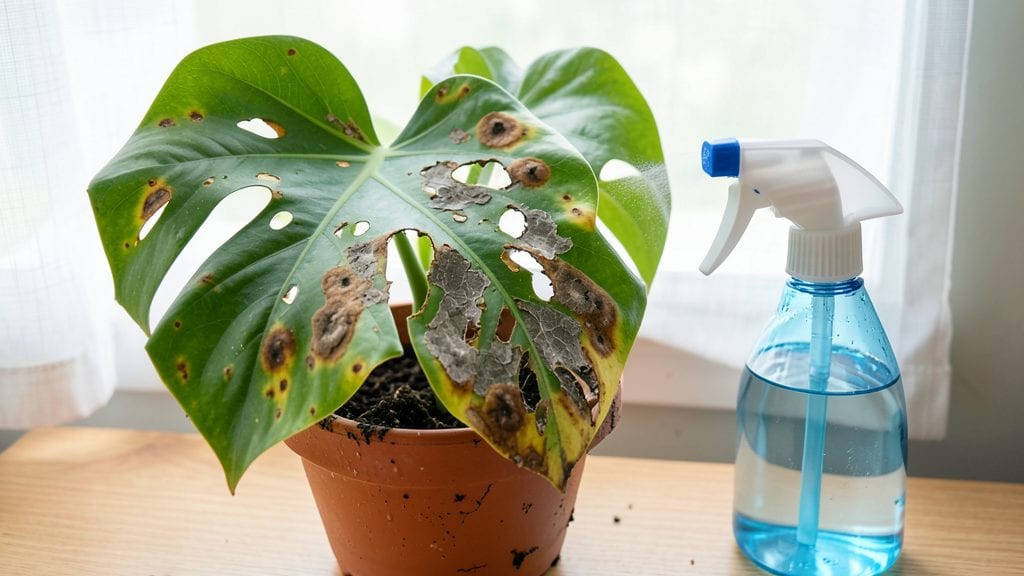
House plant fungus turns lush green leaves into sad, spotted messes faster than you’d think. 🌱 I’ve battled powdery mildew, black spot, and root rot—each one a silent killer if you don’t catch it early.
The good news? Most fungal issues respond to simple fixes once you know what to look for.
Overwatering, poor airflow, and crowded leaves create the perfect fungal party. That white powder? Powdery mildew. Those dark spots? Black spot fungus. And if your soil smells sour, root rot’s already moved in. The key is acting fast—prune infected areas, adjust watering, and give your plant some breathing room.
With the right treatment, you’ll see fresh growth in weeks. Fungicides work for stubborn cases, but often all it takes is better airflow, less water, and a little TLC. Prevention is even easier—just don’t let your plants sit in soggy soil or get too cozy with their neighbors.
Still unsure? Some cases need a pro’s eye. But for most home gardeners, these steps will save your plants—and your sanity. Let’s get those leaves healthy again.
Root Causes Of Plant Fungus
Fungal infections in houseplants aren’t random—they thrive when specific conditions align. Understanding these triggers helps you prevent outbreaks before they start. Below, we break down the primary causes of fungal growth, from environmental factors to plant health, with clear explanations and actionable insights.
Fungi love moisture, and excess water is their favorite breeding ground. When soil stays soggy for too long, fungal spores—like those from Phytophthora or Pythium—germinate and infect roots, stems, and leaves.
- Why it happens:
- Waterlogged soil cuts off oxygen, weakening roots and making them susceptible to rot.
- Poor drainage (e.g., compacted soil, no drainage holes) traps moisture, creating a fungal paradise.
- Overpotting or using heavy, clay pots without aeration worsens the issue.
- Actionable fix:
- Use well-draining soil mixes (add perlite, orchid bark, or sand).
- Water only when the top 1–2 inches of soil are dry—stick your finger in to test!
- Repot if roots are circling or the soil is compacted.
Humidity isn’t the enemy—stagnant, humid air is. Fungi like Botrytis (gray mold) and Powdery Mildew spread rapidly in still, damp environments, especially indoors where airflow is limited.
- Why it happens:
- Central heating/AC creates dry spots but can also trap moisture in corners.
- Grouping plants too closely reduces airflow, letting spores linger.
- Condensation on leaves (from cold windows or overwatering) provides a perfect fungal landing pad.
- Actionable fix:
- Space plants 2–3 feet apart for better airflow.
- Use a fan (on low) to circulate air, especially in winter.
- Wipe leaves with a damp cloth to remove excess moisture.
- Avoid misting—opt for pebble trays with water instead (just don’t let leaves sit in it).
Stressed plants are fungal magnets. When a houseplant is struggling—from nutrient deficiencies, pests, or sudden environmental changes—its defenses drop, making it easy prey for pathogens.
- Why it happens:
- Nutrient deficiencies (e.g., lack of nitrogen, magnesium) weaken cell walls.
- Pest damage (spider mites, aphids) creates entry points for fungi.
- Temperature shocks (draughts, sudden heat/cold) stress plants, inviting infections.
- Transplant shock disrupts root systems, leaving them vulnerable.
- Actionable fix:
- Fertilize regularly with a balanced, water-soluble fertilizer (follow package rates).
- Inspect plants weekly for pests—treat early with neem oil or insecticidal soap.
- Acclimate plants slowly to new environments (e.g., move them gradually to sunnier spots).
- Prune dead/dying leaves to reduce fungal food sources.
Fungi thrive in warm, dark, and damp spots—think the undersides of leaves, inside crowded plant collections, or behind furniture where light doesn’t reach.
- Why it happens:
- Low light slows evaporation, keeping leaves damp longer.
- Warmth (70–85°F) speeds up fungal growth—indoor environments often hit this sweet spot.
- Organic debris (fallen leaves, mulch) provides food for fungi and hides spores.
- Actionable fix:
- Rotate plants to ensure even light exposure.
- Clean up debris—remove dead leaves and fallen petals promptly.
- Use UV sterilizing lamps (for severe cases) to kill spores in the air.
- Avoid placing plants in steamy bathrooms/kitchens unless humidity is controlled.
Even the cleanest plant can get infected from dirty pots, tools, or soil. Fungal spores hitchhike on gardening equipment, new soil, or infected cuttings.
- Why it happens:
- Reusing pots without sterilizing lets old fungal spores reinfect new plants.
- Infested soil (from garden centers or outdoor sources) introduces pathogens.
- Dirty pruning shears can transfer diseases between plants.
- Actionable fix:
- Sterilize tools with 70% isopropyl alcohol or a bleach solution (1 part bleach to 9 parts water).
- Use fresh potting mix—avoid garden soil (it’s often fungus-rich).
- Quarantine new plants for 2–4 weeks before introducing them to your collection.
Fungi don’t discriminate—they jump from infected plants to healthy ones via spores in the air, water droplets, or contaminated hands.
- Why it happens:
- Splashing water during watering carries spores to nearby plants.
- Touching infected leaves and then petting another plant transfers spores.
- Shared grow lights or trellises can spread fungal threads.
- Actionable fix:
- Water at the base (not overhead) to avoid splashing spores.
- Wash hands between handling different plants.
- Isolate infected plants immediately—keep them away from healthy ones.
Fungi need three things to thrive:
- Moisture (water or humidity)
- Warmth (70–85°F)
- Food (organic matter like leaves or roots)
Break the triangle by addressing any two of these factors, and you’ll disrupt fungal growth before it starts. For example:
- Reduce moisture (let soil dry out) AND increase airflow (use a fan).
- Lower humidity (with a dehumidifier) AND remove debris (clean up fallen leaves).
Quick Fixes for Fungal Woes
Fungal infections in houseplants can feel like a silent battle—until it’s too late. But don’t panic! With the right approach, you can reverse the damage and protect your green friends.
Below, we’ve mapped out practical, step-by-step solutions tailored to the most common causes of houseplant fungus. Each fix includes prevention tips to keep your plants thriving long-term.
Fix: Drain, Dry, and Revive Fungus loves soggy soil, so the first step is cutting off its water supply. Here’s how:
- 🔥 Stop Watering Immediately
- Let the top 1–2 inches of soil dry out completely before watering again. Stick your finger in the soil—if it’s damp past your first knuckle, wait.
- 👨🍳 Improve Drainage
- If your pot lacks drainage holes, repot your plant into a container with holes or add a layer of perlite, gravel, or orchid bark to the soil mix.
- Pro Tip: Elevate pots on saucer feet or pebbles to prevent water pooling.
- 🥘 Fungicide Treatment (If Needed)
- Mix 1 tsp baking soda + 1 quart water + a drop of dish soap (as a mild fungicide). Spray affected leaves and soil surface (avoid oversaturating).
- For stubborn cases, use a store-bought fungicide (like Neem Oil or copper-based sprays).
Prevention: ✅ Water only when the topsoil is dry (varies by plant—succulents need less than ferns). ✅ Use well-draining soil mixes (avoid heavy, compacted blends). ✅ Check pots weekly for waterlogged soil—especially in humid climates.
Fix: Boost Airflow & Adjust Conditions Fungus thrives in stuffy, humid corners. Break the cycle with these tweaks:
- 💡 Increase Air Circulation
- Place a small fan (on low) near your plants for 1–2 hours daily to mimic natural breezes.
- Pro Tip: Rotate plants weekly so all sides get airflow.
- 🌡️ Reduce Humidity
- Move plants away from steamy showers, kitchens, or bathrooms.
- Use a dehumidifier or open windows to lower ambient moisture (ideal: 40–60% humidity).
- ✨ Prune & Isolate Infected Leaves
- Snip off yellow/brown spots with sterilized scissors (dip in rubbing alcohol).
- Quarantine the plant until new growth appears healthy.
Prevention: ✅ Group plants loosely—leave space between leaves for airflow. ✅ Mist lightly (or not at all)—many plants prefer dry foliage. ✅ Wipe leaves with a damp cloth to remove dust (prevents fungal spores from latching on).
Fix: Sterilize & Sanitize Fungus spreads via dirty hands, tools, or soil. Break the chain:
- 🔪 Clean Everything
- Wash pots, tools, and trays with soapy water + 10% bleach solution (rinse well).
- Pro Tip: Use rubbing alcohol (70%+) on scissors and pruners between plants.
- 🥗 Replace Contaminated Soil
- Discard old soil and repot with fresh, sterile mix (or bake soil in the oven at 200°F for 30 mins to kill spores).
- 🌱 Quarantine New Plants
- Keep new additions separate for 2–4 weeks to spot early signs of fungus.
Prevention: ✅ Wash hands before handling plants. ✅ Disinfect tools after each use (even for healthy plants). ✅ Avoid overcrowding—fungus spreads faster in tight spaces.
If your plant is beyond saving, act fast to prevent spread:
- 💪 Remove the Plant
- Bag infected leaves/pots in a plastic bag and dispose of them in outdoor trash (not compost).
- 🏡 Clean the Area
- Wipe down shelves, windowsills, and nearby plants with vinegar or hydrogen peroxide (3%).
- 🌱 Start Fresh
- If the root system is healthy, propagate cuttings from uninfected parts in sterile soil.
Prevention: ✅ Inspect new plants for black spots, mold, or mushy stems before bringing them home. ✅ Rotate plants seasonally to avoid hidden fungal buildup in one spot.
- 🌡️ Know Your Plant’s Needs – Research your species’ ideal light, water, and humidity (e.g., snake plants hate humidity; ferns love it). - 🍃 Use Fungicide Preventatively – Spray Neem Oil (1 tsp per quart of water) every 4–6 weeks as a shield. - 🌱 Boost Plant Health – Stressed plants get sick faster.
Ensure proper light, nutrients, and space to build resilience.
Remember: Fungus is beatable—act fast, stay consistent, and your plants will bounce back! 🌱✨
Frequently asked questions
How can I tell if my houseplant has fungus?
Look for white powdery patches (powdery mildew), dark spots with yellow halos (black spot), or mushy stems and roots (root rot). Fungal growth often starts on undersides of leaves or in crowded foliage. Check soil too—sour smells or moldy texture signal trouble.
Can I save a plant with fungus if it's already spreading?
Yes, but act fast! Isolate the plant immediately, prune infected areas with sterilized tools, and adjust care (reduce watering, improve airflow). For stubborn cases, use neem oil or copper fungicide. If roots are rotted, repot with fresh, sterile soil.
Why does fungus keep coming back even after treatment?
Fungus returns when conditions stay ideal—moisture, warmth, and poor airflow. Check your watering habits (soil should dry between waterings), increase airflow with a fan, and clean tools/pots. Rotate plants to prevent hidden fungal buildup in corners.
Is baking soda safe to use on all houseplants?
Most plants tolerate a baking soda spray (1 tsp per quart of water), but avoid sensitive varieties like ferns or orchids. Test on a small leaf first. For acid-loving plants (like azaleas), use a gentler fungicide like neem oil instead.
When should I call a professional for plant fungus?
If your plant is severely rotted, fungus spreads to multiple plants despite treatment, or you suspect soil-borne pathogens (like Phytophthora), consult a plant pathologist. Large collections or valuable plants may also need expert care.