Pests and Diseases
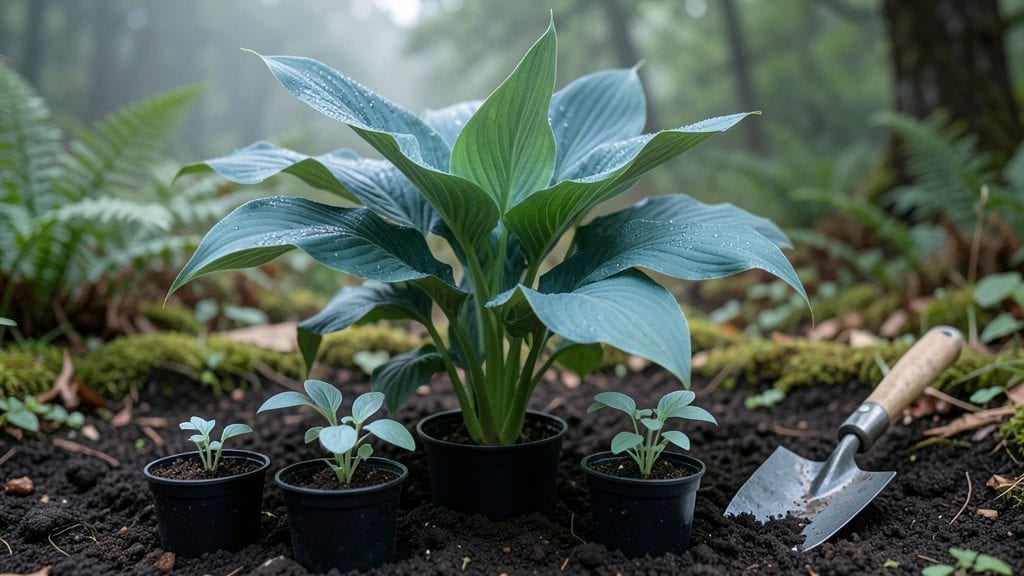
Proper hosta planting distance keeps your shade garden thriving with bold foliage instead of a tangled mess.
Struggling to keep your hostas thriving without them turning into an unruly jungle? The secret lies in spacing—plant too close, and you’ll smother their growth; too far, and your garden will look sparse. Here’s how to get it right for lush, crowd-free foliage that steals the show.
Hosta 🌿 varieties grow at different rates, but even dwarf types need room to breathe. Crowding invites pests, blocks sunlight, and creates the perfect storm for fungal diseases. With the right spacing, you’ll get bigger leaves, fewer slug attacks, and a garden that looks intentional—not cramped.
Below, I break down exact spacing by size, how to adjust for containers, and the one mistake that kills hostas faster than anything else. Let’s make your shade garden the envy of the neighborhood.


Optimal hosta planting distance by variety size
Proper spacing is the foundation of healthy hostas—crowding invites pests, stunts growth, and creates fungal hotspots. But how close is too close? The answer depends entirely on your hosta’s mature size, which can vary from 6-inch dwarfs to 4-foot giants. Planting too tightly now means digging up roots later, while over-spreading creates gaps. Let’s break it down by size category so your hostas thrive without the struggle.
Dwarf hostas like 'Francee' or 'Pandora' max out at 12 inches tall and wide, making them perfect for borders or containers. Medium varieties such as 'Blue Angel' or 'Halcyon' need room to spread 2–3 feet, while giants like 'Guacamole' or 'Sum and Substance' demand 36+ inches of space.
The key? Plant them 1/3 of their mature width apart—this gives roots room to expand while keeping foliage from merging into a single, unruly mass.
Here’s the science: Hostas spread via rhizomes, underground stems that store energy and send up new shoots. When planted too close, these rhizomes compete for nutrients and water, leading to yellowing leaves and stunted growth.
Over time, crowded hostas also trap moisture, creating ideal conditions for slugs and fungal diseases like leaf spot. But spacing them too far apart wastes garden real estate and dilutes visual impact.
Now, let’s get practical. If you’re planting a dwarf hosta like 'Patriot', space them 12–18 inches apart. For medium varieties, aim for 24–30 inches, and give giants 36–48 inches of breathing room.
Pro tip: Measure from the center of each plant’s crown, not the edges, to avoid guessing games later.
Here’s where many gardeners go wrong: They focus only on horizontal spread but forget vertical growth. Taller hostas like 'Francee' (24 inches) need extra depth in the soil to support their foliage. Amend your planting hole with 2–3 inches of compost to encourage root development downward, not just outward.
For container gardening, downsizing is key. A 5-gallon pot can comfortably hold 1 dwarf hosta or 3–4 small cuttings spaced 6 inches apart. Medium varieties need 10+ gallon containers with 12-inch spacing, and giants require 15+ gallon pots with 18-inch spacing.
Always use pots with drainage holes to prevent root rot.
Let’s talk long-term growth patterns. Hostas grow fastest in their first 3–5 years, so initial spacing should account for this burst. For example, a 'Guacamole' might start small but spread 3 feet wide in 3 years.
If your garden is tight, consider edging with pavers or mulch rings to contain rhizome spread without sacrificing aesthetics.
One mistake I see often is planting in rows instead of clusters. Hostas look best in odd-numbered groupings (3, 5, or 7 plants) for a natural, fuller appearance.
Space clusters 18–24 inches apart regardless of variety, and stagger rows to create depth. This mimics their wild growth habits and maximizes visual appeal.
Don’t forget about companion planting. Pair dwarf hostas with low-growing ferns or heucheras to fill gaps, while medium varieties play well with astilbes or coral bells.
Giant hostas make stunning backdrops for bleeding hearts or foxgloves, which won’t compete for space. Always check each plant’s root zone width to avoid underground turf wars.
Finally, adjust spacing based on your soil type. Sandy soils drain quickly, so hostas spread faster—reduce spacing by 20%. Clay-heavy soils slow growth, so increase spacing by 10–15% to prevent overcrowding.
Amend your soil with organic matter (like leaf mold) to strike a balance and encourage steady, predictable growth.
With the right spacing, your hostas will reward you with bold foliage, fewer pests, and easier maintenance. Now, grab your tape measure and let’s get planting—your shade garden will thank you!