Diseases
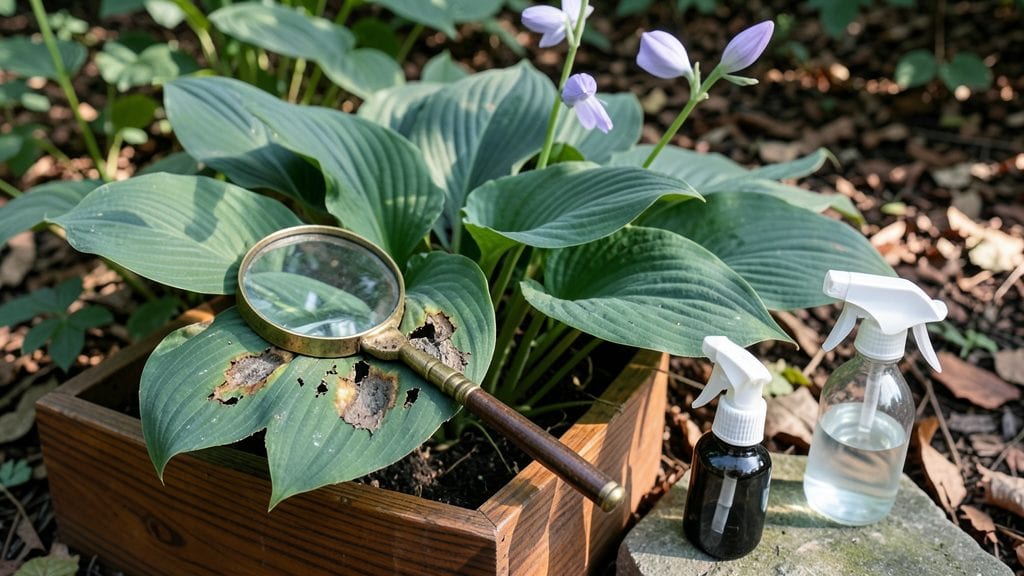
Hosta plant diseases can turn your lush foliage into a sad, spotted mess if you don’t catch them early. 🌿 I’ve seen crown rot turn a thriving hosta into a mushy stump in weeks, and leaf spot create unsightly brown splotches that spread like wildfire.
The key to saving your plants isn’t just treating the symptoms—it’s understanding which fungus is attacking and how to stop it before it ruins your garden.
Most fungal issues start with too much moisture—whether from overhead watering, poor drainage, or soggy soil. Slugs and snails also love munching on weakened hostas, making them more vulnerable to infections. The good news?
Once you recognize the early signs—like yellowing leaves, black spots, or a foul-smelling crown—you can act fast with organic sprays, better watering habits, or even removing the worst offenders to protect the rest of your garden.
By the end of this guide, you’ll know exactly which diseases to watch for, how to tell them apart, and the simplest treatments to keep your hostas looking vibrant.
No more guessing whether to prune, spray, or pull—just clear steps to bring your plants back to life. Let’s get those hostas healthy again!
Whether you’re dealing with a single infected plant or a whole garden under siege, these solutions work for both beginners and seasoned gardeners. The secret is acting before the fungus spreads—so grab your gloves and let’s tackle this head-on.
Root Causes Behind Hosta Ailments
Hostas are beloved for their lush foliage and low-maintenance nature, but even these hardy plants aren’t immune to disease. Understanding why these fungal threats take hold is the first step to prevention.
Below, we break down the key factors that create the perfect storm for hosta diseases—so you can nip them in the bud before they spread.
Fungal pathogens thrive in damp, stagnant conditions, and hostas—especially those planted in heavy clay or poorly draining soil—are prime targets. Here’s why:
- Waterlogged roots create anaerobic conditions, weakening the plant’s defenses and inviting fungal invaders like Fusarium or Phytophthora.
- Overhead watering keeps leaves damp for extended periods, giving pathogens like Rhizoctonia (which causes crown rot) a foothold.
- Thick mulch layers (over 3 inches) can trap moisture against the crown, accelerating rot.
Actionable fix: Amend soil with compost or perlite, avoid mulching too close to the crown, and water at the base in the morning for quick evaporation.
Hostas prefer cool, shaded conditions, but sudden shifts in temperature or humidity can stress them—opening the door to fungal infections.
- Cool, wet springs (ideal for Botrytis blight) combined with stagnant air create a fungal paradise.
- Hot, humid summers (especially above 80°F) weaken hostas, making them susceptible to Alternaria leaf spot.
- Frost damage (even light freezes) can create entry points for Rhizoctonia or Sclerotinia.
Actionable fix: Space plants for airflow, avoid overhead irrigation in humid climates, and protect young hostas from late frosts with row covers.
Healthy soil is a living ecosystem, but when harmful microbes dominate, hostas suffer. Common culprits include:
- Old garden soil harboring dormant Fusarium or Verticillium spores from previous infected plants.
- Improperly composted organic matter (e.g., diseased leaves or manure) that reintroduces pathogens.
- Overuse of synthetic fertilizers disrupting beneficial microbes, leaving hostas vulnerable.
Actionable fix: Test soil before planting, solarize infected beds in summer, and use sterilized potting mix for container hostas.
Wounds from pests (slugs, snails, deer) or mechanical injury (pruning cuts, hail) create entry points for fungi.
- Slug/snail trails leave slime that traps moisture, accelerating Botrytis (gray mold).
- Deer browsing tears leaves, exposing tissue to Alternaria or Septoria spores.
- Improper pruning (cutting too close to the crown) invites Rhizoctonia infections.
Actionable fix: Use copper barriers for slugs, prune with sterilized tools, and apply a fungicidal spray (like neem oil) to wounds.
Dense plantings trap moisture and limit sunlight, creating the perfect conditions for fungal blooms.
- Shaded, tightly packed hostas slow drying, prolonging leaf wetness and encouraging Phytophthora root rot.
- Dead or decaying foliage (left over winter) harbors Sclerotinia spores, which spread via wind or water.
Actionable fix: Thin out hostas to 12–18 inches apart, remove debris, and prune for better airflow.
pH extremes or nutrient deficiencies weaken hostas, making them easier targets.
- Acidic soil (pH < 6.0) increases Fusarium activity, while alkaline soil (pH > 7.5) stresses roots, inviting Phytophthora.
- Nitrogen deficiency (yellowing leaves) signals poor health, attracting Alternaria.
- Excess phosphorus can disrupt microbial balance, favoring pathogenic fungi.
Actionable fix: Test soil pH (ideal: 6.5–7.5) and amend with lime (to raise pH) or sulfur (to lower it) as needed. Use a balanced fertilizer (10-10-10) to avoid imbalances.
Quick Fixes for Fungal Foes
Fungal diseases can turn your lush hosta leaves into a sad, spotted mess—but don’t panic! With the right approach, you can revive your plants and prevent future outbreaks. Below, we’ve mapped out practical solutions for each common hosta disease, along with prevention tips to keep your garden thriving.
Fix: While slime mold doesn’t harm hostas, it’s unsightly. Remove it manually with a hose or stiff brush to prevent it from spreading to other plants.
Prevention:
- 💡 Avoid overhead watering—keep foliage dry to discourage spores.
- 🌡️ Improve airflow by spacing plants properly (12–18 inches apart).
- ✨ Mulch with coarse materials (like pine bark) to reduce humidity near the soil.
Fix:
- 🔥 Prune infected leaves with clean, sharp shears—sterilize tools between cuts (rubbing alcohol works).
- 🍳 Apply a fungicide (copper-based or neem oil) every 7–10 days until new growth appears.
- 👨🍳 Remove and destroy debris—don’t compost infected leaves!
Prevention:
- 🎯 Water at the base (early morning) to keep leaves dry.
- 🌿 Space plants to allow sunlight and airflow.
- ✨ Rotate fungicides if using chemical treatments to avoid resistance.
Fix:
- 🔪 Trim rusty leaves immediately—they’re spore factories!
- 🥘 Spray with neem oil or sulfur fungicide (follow label rates).
- 🔄 Reapply every 2 weeks until symptoms fade.
Prevention:
- 💡 Choose rust-resistant varieties (e.g., ‘Halcyon’ or ‘Francee’).
- 🌡️ Avoid nitrogen-heavy fertilizers—they encourage soft, susceptible growth.
- 🎯 Clean up fallen leaves in autumn to starve overwintering spores.
Fix:
- 🍳 Blast leaves with water (early morning) to wash off spores.
- 🥘 Use a baking soda spray (1 tsp baking soda + 1 quart water + a drop of dish soap) weekly.
- 🔄 For severe cases, apply potassium bicarbonate or sulfur fungicide.
Prevention:
- 🌿 Plant in full shade (powdery mildew loves humidity + partial sun).
- 💡 Space hostas 18+ inches apart for airflow.
- ✨ Mulch with straw to reduce soil moisture near leaves.
Fix:
- 🔪 Dig up severely infected plants—they won’t recover.
- 🥘 For early stages, reduce soil moisture and apply a fungicide (e.g., copper or fosetyl-aluminum).
- 🌱 Repot healthy hostas in fresh, well-draining soil mixed with perlite.
Prevention:
- 💡 Plant hostas in raised beds or mounds to improve drainage.
- 🌡️ Avoid overwatering—let soil dry slightly between waterings.
- ✨ Test soil pH (aim for 6.0–7.0)—acidic soil worsens rot.
Fix:
- 🔥 Remove all infected leaves—burn or bag them (don’t compost!).
- 🍳 Apply a fungicide (e.g., chlorothalonil) every 10–14 days.
- 👨🍳 Disinfect tools between cuts to prevent spread.
Prevention:
- 🎯 Prune for airflow—thin out crowded foliage.
- 🌿 Water at the base (never overhead).
- ✨ Use drip irrigation to keep leaves dry.
- 🔥 Sterilize tools between plants—use 70% isopropyl alcohol.
- 🌡️ Monitor humidity—aim for below 70% in hosta beds.
- 🎯 Rotate fungicides if using chemicals to prevent resistance.
- ✨ Plant companion plants like ferns or astilbes to improve airflow.
With these targeted fixes, your hostas can bounce back—and stay disease-free for seasons to come! 🌿✨
Frequently asked questions about hosta plant diseases
What are the first signs my hosta has a fungal infection?
Watch for yellowing leaves, dark spots (often with halos), or a mushy stem. Early symptoms include leaf edges turning brown or crispy, and a foul odor from the crown. Act fast—fungi spread quickly in damp conditions.
Can I save a hosta with crown rot?
Only if caught early! Dig up the plant, trim away mushy roots, and replant in sterile, well-draining soil with perlite. For severe cases, remove it entirely to prevent spread. Pro tip: Water at the base (never overhead) to avoid future rot.
Why do my hostas keep getting powdery mildew?
This thrives in humid, shaded conditions with poor airflow. Thin out crowded plants, space them 18+ inches apart, and water in the morning. A baking soda spray (1 tsp per quart of water) helps, but prevention is key—mulch with straw, not thick organic matter.
Are chemical fungicides safe for hostas?
Yes, but use them as a last resort. Copper-based sprays or neem oil are organic options. For severe infections, fungicides like chlorothalonil work, but always follow label instructions. Rotate treatments to avoid resistance—don’t rely on one product long-term.
How do I prevent diseases when buying new hostas?
Inspect plants for spots, discoloration, or soft stems before purchasing. Avoid soggy pots and choose healthy-looking specimens with firm leaves. Quarantine new hostas for 2 weeks in a separate area to monitor for symptoms. Sterilize tools after handling them!