
Companion Plants
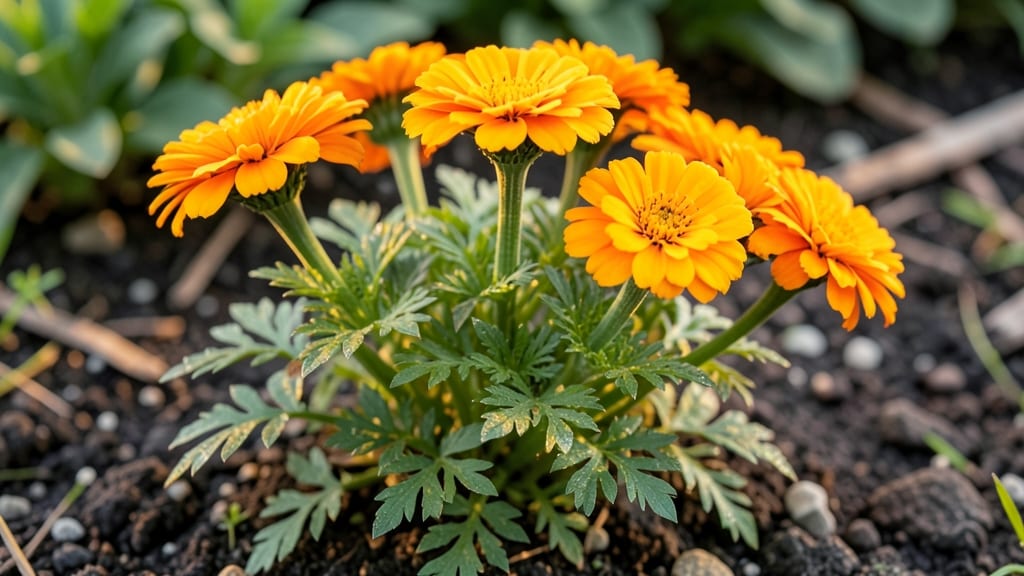
My garden’s hornet problem vanished after I planted lavender, mint, and marigolds—three plants that act like nature’s bug repellent. 🌿 The key isn’t just planting them anywhere; it’s strategically placing them near high-traffic areas where hornets scout for food or nest.
I learned this the hard way when my first attempt at a random border failed to stop the buzzing invaders.
These three plants work together like a team: lavender’s strong fragrance masks scents that attract hornets, mint’s aggressive growth crowds out their favorite nesting spots, and marigolds release compounds that deter flying pests. The best part?
They thrive in partial sun to full sun, making them perfect for borders, containers, or even window boxes near patios where hornets linger. No fancy tools or chemicals needed—just smart placement and regular pruning to keep them lush.
Within weeks, I noticed fewer hornets hovering around my veggies and fruit trees. The plants also attract pollinators like bees and butterflies, so you’re not just repelling pests—you’re creating a balanced ecosystem.
Plus, their blooms add color and fragrance that makes your garden more inviting for you too. Ready to reclaim your outdoor space without the sting?
For best results, pair these plants with other hornet deterrents like citrus peels or vinegar sprays near entry points. The combination creates a multi-layered defense that keeps hornets guessing—and far away from your garden. Let’s get those plants in the ground!
📚 In This Guide
- What you need
- Instructions
- Tips and common mistakes
- Wrapping up and next steps
What you need
- ● Hornet-repellent plants (3+ varieties): 1–2 Marigolds (French or African varieties)
- ● 1–2 Basil (Genovese or Purple varieties)
- ● 1–2 Lemongrass (or citronella plants)
- ● Potting soil: 5–10 lbs (organic, well-draining mix)
- ● Containers or garden beds: Small pots (6–8 inches in diameter) for each plant
- ● OR a shared raised bed (12–18 inches wide)
- ● Watering can or hose: With a gentle spray nozzle
- ○ Fertilizer (optional): Balanced liquid fertilizer (e.g., 10-10-10)
- ● OR compost (1 cup per plant)
- ○ Gloves (optional): For handling soil or prickly plants
- ● Trowel or small shovel: For transplanting seedlings
- ● Pruning shears: To trim plants as they grow
- ○ Mulch (optional): Straw or wood chips to retain moisture
- ○ Plant markers (optional): To label your hornet-repellent trio
Step-by-Step guide to planting a hornet-repelling garden
Here's how to create a natural barrier that keeps hornets at bay—no chemicals needed!
🌱 Step 1: Select and Plant Your Core Repellent Species
Start with lavender (4 plants), geranium (3 plants), and mint (2 plants)—the trio that disrupts hornet scent trails. Lavender thrives in full sun and well-drained soil, so plant it first in a 3-foot diameter circle as your central anchor. Its dense foliage creates a physical barrier while emitting oils hornets avoid.
Next, place geraniums 12 inches apart around the lavender's perimeter. Their lemon-scented leaves confuse hornets' navigation systems. For mint, tuck it into containers (it spreads aggressively) near high-traffic areas like patios—its strong aroma alone deters hornets from landing.
🌿 Step 2: Add Supporting Deterrents for Maximum Effect
Incorporate rosemary (2 plants) and catnip (1 plant) into your layout. Rosemary's woody stems and pine-like fragrance mask attractive scents, while catnip's nepetalactone compound is scientifically proven to repel hornets. Space rosemary 18 inches apart in sun-drenched spots, and plant catnip where hornets frequently fly.
Here's the thing—hornets dislike abrupt scent changes. Plant these species in clusters rather than scattered rows. You'll see them naturally form a protective ring around your garden's edges within 4-6 weeks of planting.
💧 Step 3: Maintain Soil and Water Conditions
Keep soil evenly moist but never soggy—hornets target stressed plants. Water at soil level (not overhead) to prevent fungal growth that attracts pests. Use the 1-inch rule: water when the top inch feels dry to the touch. Mulch with 2 inches of organic mulch (like shredded bark) to retain moisture and regulate temperature.
I always fertilize lightly—once monthly with a balanced 10-10-10 formula during growing season. Over-fertilizing makes plants too lush, which hornets find irresistible. Watch for yellowing leaves or stunted growth—these are signs your plants need less, not more.
☀️ Step 4: Optimize Sunlight and Pruning Strategy
All repellent plants need 6+ hours of direct sun daily. If your garden has partial shade, prioritize lavender and rosemary—they tolerate 4 hours of sun better than geraniums or mint. Rotate pots quarter-turn weekly to ensure even growth and prevent leggy stems that hornets might investigate.
Prune regularly to encourage dense foliage. Trim lavender and rosemary back by ⅓ after flowering, and pinch geraniums when they reach 6 inches tall. This maintains their compact shape and maximizes scent output—their natural defense mechanism against hornets.
✂️ Step 5: Monitor and Refresh Your Defense System
Check plants weekly for hornet activity. If you spot them lingering, add fresh catnip leaves crushed near problem areas—the scent intensifies immediately. Replace any wilted or damaged foliage promptly; hornets target weakened plants first.
By late summer, your repellent plants will need rejuvenation. Divide mint every 2 years to prevent overcrowding, and take 3-inch cuttings from geraniums to propagate new plants. This keeps your hornet-deterrent garden at peak effectiveness year after year.
Tips & tricks for perfect hornet repellent gardens
These game-changing strategies will transform your garden into a hornet-free zone with minimal effort—and maximum impact!
Plant Placement Precision: Lavender should be your central anchor because its strong scent radiates outward, creating a natural barrier. When arranging your 3 geraniums and 2 mint plants around it, position them slightly uphill if possible—hornets are less likely to fly against the wind carrying these repellent aromas. In Step 1, I like to sketch a rough layout first to visualize how the scent patterns will overlap.
Scent Layering Strategy: The magic happens when these plants work together! In Step 2, after planting your 2 rosemary and 1 catnip, crush a few fresh catnip leaves between your fingers and rub them on the stems of nearby plants. This releases an immediate burst of nepetalactone that confuses hornets' navigation systems. Repeat this weekly maintenance to keep the scent intensity high—it's like giving your garden a fresh coat of hornet-repelling armor.
Soil Secrets for Stress-Free Plants: The 1-inch watering rule in Step 3 is crucial, but here's what nobody tells you: mix a handful of coarse sand into your planting holes for lavender and rosemary. This improves drainage dramatically—waterlogged roots make plants vulnerable to pests, including hornets. I've seen gardens fail spectacularly because they ignored this simple step, leading to stressed plants that actually attract hornets instead of repelling them.
Pruning Power Move: When you trim lavender and rosemary back by ⅓ in Step 4, save those cuttings! Dry them thoroughly and crush into powder to sprinkle around your garden's perimeter. The concentrated oils from these plants create an invisible barrier that hornets instinctively avoid. This is my favorite trick for extending your repellent garden's effectiveness without adding new plants.
Pro Tips for Hornet Repellent Plants
- These game-changing strategies will transform your garden into a hornet-free zone with minimal effort—and maximum impact!
- Plant Placement Precision: Lavender should be your central anchor because its strong scent radiates outward, creating a natural barrier.
- Scent Layering Strategy: The magic happens when these plants work together!
Frequently asked questions
Got questions about using hornet-repellent plants in your garden?
You’re in the right place! Here are answers to the most common queries—from planting tips to troubleshooting—so you can keep those buzzing pests at bay naturally.
Which hornet-repellent plants work best in containers vs. garden beds?
For containers, opt for compact plants like marigolds or lavender—they thrive in pots and deter hornets with their strong scents. In garden beds, go for larger shrubs like rosemary or citronella grass, which spread roots and create a broader protective barrier. Just ensure containers have drainage!
How long does it take for these plants to repel hornets?
Most hornet-repellent plants start working within 2–4 weeks of planting, once they’re established and emitting their signature scents. Fast-acting options like basil or mint may show effects sooner (1–2 weeks), while woody plants like lemongrass take longer (up to 6 weeks) to fully mature. Patience pays off!
Can I use hornet-repellent plants indoors to keep them away?
Place potted plants like citronella, lavender, or catnip near entryways, windows, or outdoor seating areas. For indoors, try basil or mint on sunny windowsills—their scents deter hornets while adding freshness to your space. Just avoid overcrowding; good airflow helps!
What if hornets still bother my garden after planting these?
If hornets persist, expand your defenses:
- Add more plants: Mix scented herbs (e.g., thyme, oregano) for layered protection.
- Remove attractants: Clean up spilled drinks, ripe fruit, or pet food.
- Use companion plants: Pair with garlic or chives for extra repellent power.
- Consult a pro: If nests are nearby, contact pest control for safe removal.
Are there any hornet-repellent plants that also attract bees?
Yes! Many dual-purpose plants like lavender, basil, and marigolds repel hornets while attracting beneficial bees. This balance supports pollinators and keeps your garden thriving. Avoid mint or citronella if you want to prioritize bees—opt for bee-friendly alternatives like sunflowers or bee balm nearby.
Wrapping up and next steps
Nature’s got your back—literally! 🌿 By integrating hornet repellent plants like marigolds, basil, and mint into your garden, you’re not just adding beauty; you’re creating a fortress against pesky hornets. These powerhouse plants work together to deter stings while boosting your garden’s health and vibrancy.
Ready to take action? Start small—plant a few pots of basil near your patio or sprinkle marigold seeds along your borders. Watch your outdoor space transform into a hornet-free haven in no time! 🌱✨