
Companion Plants
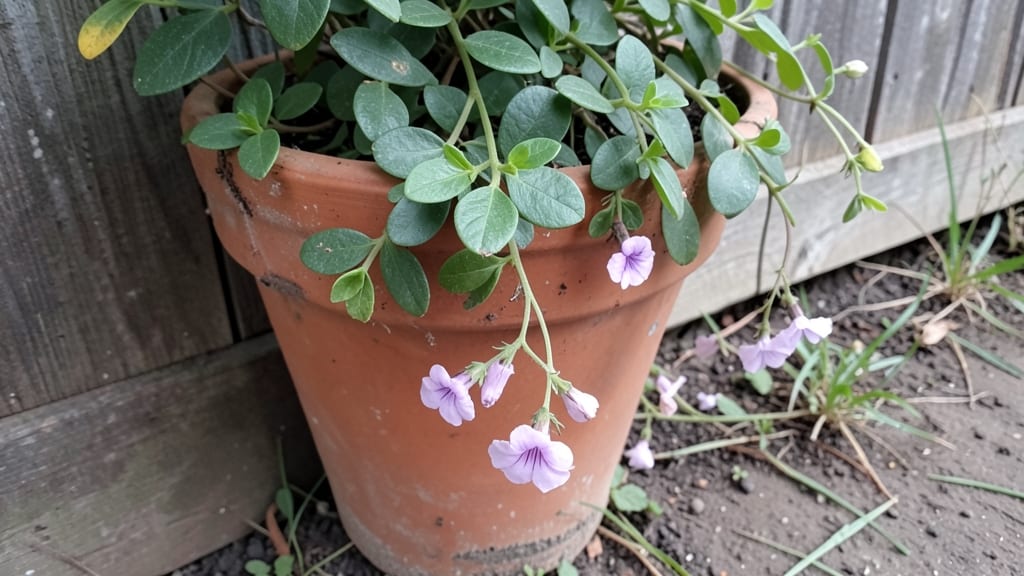
Hanging vinca plants bring effortless color that thrives even when you forget to water them. 🌿 I’ve grown them in baskets for years—they’re the only plants that seem to forgive my occasional neglect while still producing those cheerful purple, pink, or white blooms all season long.
The secret to their success is simple: bright light, well-draining soil, and a little pruning to keep them bushy. Most people assume vincas need constant attention, but they’re actually one of the most low-maintenance plants for hanging baskets.
A 10-inch basket with a few inches of drainage works perfectly, and they’ll spill over with vibrant foliage in just a few weeks.
You’ll end up with a cascading display that blooms from spring until frost, with minimal effort. The flowers stay bright even in heat waves, and the glossy leaves add texture that makes any patio or balcony feel instantly polished.
Once established, they handle drought like a champ—just don’t let them dry out completely the first year.
Works just as well in containers as hanging baskets, and they pair beautifully with trailing plants like sweet potato vine or ferns. Here’s how to keep them thriving all season without the fuss.
📚 In This Guide
- What you need
- Instructions
- Tips and common mistakes
- Wrapping up and next steps
What you need
- ● Hanging vinca plants: 1–3 plants (depending on pot size—Vinca minor or Catharanthus varieties work best).
- ● Hanging baskets or containers: 10–14" diameter (with drainage holes!). Plastic, fabric, or ceramic work—just ensure they’re lightweight for easy hanging.
- ● High-quality potting mix: 1 bag (look for a well-draining blend with perlite or orchid bark—avoid garden soil!).
- ● Slow-release fertilizer: 1 packet (12–14 months) or liquid fertilizer (balanced 10-10-10 or 20-20-20).
- ○ Moss or sphagnum liner (optional but helpful): 1 sheet (retains moisture and prevents root rot).
- ○ Peat moss or coconut coir (optional): 1 small bag (for extra moisture retention in hot climates).
- ● Gloves: 1 pair (to protect hands from prickly stems).
- ● Trowel or small shovel: 1 (for planting and mixing soil).
- ● Scissors or pruners: 1 (sterilized, for trimming dead foliage or roots).
- ● Watering can with a rose attachment: 1 (gentle watering prevents soil erosion).
- ● Hanging hardware: Hooks, chains, or brackets (match your container’s weight and style).
- ○ Mulch (optional): Pine bark or gravel (to suppress weeds and regulate soil temp).
Step-by-step instructions for growing hanging vinca plants
Here's how to keep your vinca blooming nonstop with minimal fuss—drought-tolerant and thriving.
🪴 Step 1: Choose the Right Hanging Baskets and Soil Mix
Start with 8-12 inch diameter hanging baskets that have built-in drainage or add a liner with drainage holes. I like the ones with a removable liner because they make repotting easier later. Fill each basket halfway with a mix of one part potting soil and one part perlite or orchid bark—this ensures excellent drainage while holding enough moisture for vinca's shallow roots.
Don't skip the drainage layer. Place a 1-2 inch layer of coarse gravel or styrofoam pebbles at the bottom before adding the soil mix. This prevents roots from sitting in stagnant water, which vinca absolutely hates. The soil should feel like a slightly damp sponge when squeezed—not dripping wet.
🌱 Step 2: Plant Vinca Cuttings or Transplants
If using cuttings, take 4-inch long healthy stems from an established vinca plant and remove the lower leaves, leaving just a few at the top. Dip the cut end in rooting hormone powder to encourage faster root growth. For transplants, gently remove the plant from its nursery pot and tease apart the roots if they're tightly bound.
Place 3-5 plants per basket, spacing them evenly around the edges. The roots will spread outward, creating a lush, cascading effect. Press the soil gently around each plant to eliminate air pockets, but don't compact it too tightly. Water thoroughly right after planting so the soil settles and the roots make contact with the mix.
☀️ Step 3: Position for Sunlight and Water Regularly
Vinca thrives in full sun to partial shade, with at least 4-6 hours of direct sunlight daily. Place your baskets where they'll get morning sun and afternoon shade if your climate is extremely hot. You'll notice the leaves stay vibrant green and the flowers bloom continuously if the light is right.
Water every 2-3 days during the growing season, allowing water to run through the basket until it drains completely from the bottom. In hotter months, you may need to water daily, but never let the soil stay soggy. Vinca is drought-resistant, but it won't bloom as prolifically if it's constantly dry. Check the soil by sticking your finger 1 inch deep—if it feels dry, it's time to water.
✂️ Step 4: Prune and Fertilize for Continuous Blooms
Pinch back leggy stems in early spring to encourage bushier growth. I like to trim back about one-third of the plant right after the first flush of blooms to promote a second, even more abundant flowering. Deadhead spent blooms regularly to keep the plant looking tidy and encourage more flowers.
Feed your vinca with a balanced liquid fertilizer every 4-6 weeks during the growing season. Use half-strength fertilizer to avoid burning the roots. You'll see a noticeable boost in blooms and foliage health within a few weeks. In fall and winter, reduce watering and fertilizing since growth slows down.
⏰ Step 5: Overwinter Care for Year-Round Beauty
Bring vinca baskets indoors or to a sheltered spot before the first frost. They can handle light freezes but won't survive prolonged cold. Place them in a bright, cool location with 50-60°F temperatures and reduce watering to once every 10-14 days. You'll notice the growth slows, but the plants stay green and healthy.
In late winter, when you see new growth starting, resume regular watering and fertilizing. This is the time to refresh the soil if it's looking depleted. With proper overwintering, your vinca will reward you with vibrant blooms all year long, making it one of the easiest and most rewarding hanging plants to grow.
Tips & tricks for perfect hanging vinca plants
These simple tricks will help you keep your vinca thriving and blooming beautifully all year long.
Basket Selection: Choose baskets with 12-inch diameter for the best balance of root space and cascading effect. The removable liner makes repotting easier and helps prevent soil compaction over time. If you don't have removable liners, use coconut coir liners—they're eco-friendly and provide excellent drainage. Remember, vinca's shallow roots need room to spread outward rather than downward.
Soil Mix Matters: The 1:1 ratio of potting soil to perlite or orchid bark is key for vinca's success. Perlite prevents soil compaction while still holding enough moisture for those shallow roots. Pro tip: Add a handful of worm castings to your soil mix at planting time—it gives your vinca a gentle nutrient boost without the risk of burning that comes with chemical fertilizers.
Watering Wisdom: When watering every 2-3 days during growing season, let the water run through completely until it drains from the bottom. This ensures roots aren't sitting in stagnant water. In hotter months, check soil moisture by sticking your finger 1 inch deep—if it feels dry, water immediately. Morning watering is best as it gives foliage time to dry before evening, reducing disease risk.
Pruning Strategy: When you trim back one-third of the plant after the first flush of blooms, focus on removing leggy stems rather than just the top growth. This encourages bushier growth from the base. For spent blooms, pinch them off at the base rather than cutting—this prevents unsightly stubs and encourages more flowers to form from lower buds.
Pro Tips for Hanging Vinca Plants
- These simple tricks will help you keep your vinca thriving and blooming beautifully all year long.
- Basket Selection: Choose baskets with 12-inch diameter for the best balance of root space and cascading effect.
- Soil Mix Matters: The 1:1 ratio of potting soil to perlite or orchid bark is key for vinca's success.
Frequently asked questions
Got questions about keeping your hanging vinca plants thriving? You’re not alone—these beauties are easygoing but still need a little TLC! Here are some of the most common questions (and answers) to help you grow confidently.
How often should I water my hanging vinca plants?
Water when the top inch of soil feels dry—usually once a week in summer or every 10–14 days in cooler months. Let excess water drain to avoid soggy roots, and reduce watering in winter. Drought-resistant doesn’t mean drought-proof!
Can hanging vincas survive winter outdoors?
In USDA Zones 8–11, vincas thrive year-round outdoors. For colder zones (7 or below), bring them indoors or wrap pots in burlap for protection. If frost hits, trim back damaged growth in spring—they bounce back fast! Pro tip: Mulch pots for extra insulation.
What pests commonly attack hanging vincas, and how do I treat them?
Watch for aphids, spider mites, or whiteflies—they love vincas! Blast off pests with a strong spray of water, or use neem oil (mix 1 tsp per quart of water) for stubborn infestations. Healthy plants resist pests better, so fertilize lightly in spring.
Why aren’t my vincas blooming as much as they used to?
Over-fertilizing (especially with high-nitrogen feeds) can reduce blooms. Instead, use a balanced, low-nitrogen fertilizer (like 10-10-10) every 4–6 weeks in spring/summer. Deadhead spent flowers to encourage more blooms, and ensure they get 6+ hours of sunlight daily.
Are there drought-resistant alternatives to vincas?
If vincas aren’t your style, try these low-maintenance, drought-tolerant hanging plants:
- Lantana – Vibrant clusters, loves heat
- Petunias – Classic blooms, thrives in baskets
- Sedum (Stonecrop) – Succulent-like, nearly indestructible
- Begonias – Shade-tolerant, colorful foliage
Wrapping up and next steps
Hanging vinca plants bring effortless charm and resilience to any garden, thriving in heat, drought, and even low-light spots with their vibrant blooms. Whether you’re a seasoned gardener or just starting, their low-maintenance nature makes them a perfect addition to balconies, patios, or window boxes. 🌸
Ready to transform your space? Start by selecting your favorite variety, gathering the right supplies, and following the simple steps to plant and care for them.
With a little love (and minimal effort!), you’ll enjoy year-round color that’s as tough as it is beautiful. Grab your vincas today and get growing!