
Companion Plants
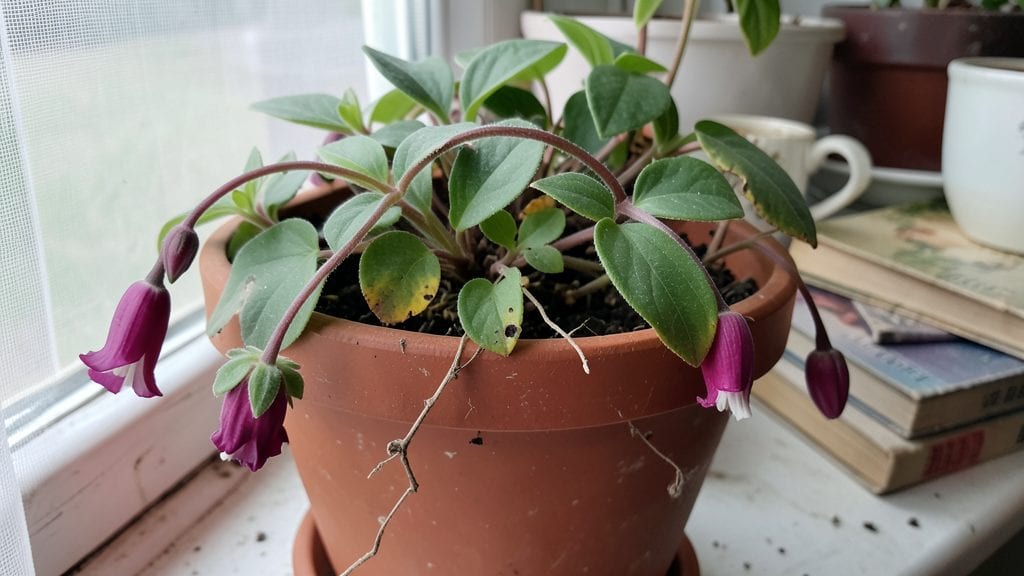
Creating a hanging purple plants display transforms any space into a hummingbird magnet. 🌿 I’ve designed cascading arrangements that burst with color while keeping maintenance simple—no more wilted petals or sagging baskets.
The key lies in pairing the right purple varieties like fuchsias, lobelias, or petunias with complementary textures and heights.
Start with a sturdy basket lined with moisture-retentive moss, then layer plants by size: trailing petunias at the bottom, compact lobelias in the middle, and fuchsias at the top.
Add a slow-release fertilizer and water thoroughly before hanging in morning sun with afternoon shade—this prevents wilting while keeping blooms vibrant. For indoor spaces, place near bright windows and mist occasionally to mimic humidity.
You’ll end up with a lush, jewel-toned display that hummingbirds can’t resist, while the contrasting foliage (silver, chartreuse, or deep green) makes the purples pop even more. The best part? These combinations thrive all season, from spring through fall, with minimal deadheading. Perfect for patios, porches, or even vertical gardens.
Pro tip: Rotate baskets every few weeks so all sides get even light—this keeps growth uniform and extends the blooming season. For extra drama, add white or yellow flowers to create high-contrast focal points. Let’s get those baskets blooming!
📚 In This Guide
- What you need
- Instructions
- Tips and common mistakes
- Wrapping up and next steps
What you need
- ● Hanging planters: 3–5 10–12 inch diameter pots with drainage holes (terracotta or fabric grow bags work best).
- ● Purple flowering plants: 1 Fuchsia (e.g., 'Giant Marble' or 'Swing Time' for trailing blooms).
- ● 1 Lobelia (e.g., 'Crystal Palace' for compact, cascading purple flowers).
- ● 1 Petunia (e.g., 'Wave Purple' for heat tolerance and abundant blooms).
- ● 1 Nasturtium (e.g., 'Alaska Mix' for edible, edging-friendly purple leaves).
- ● Potting mix: 3–4 gallons of well-draining, peat-free mix (add perlite or vermiculite for extra aeration).
- ● Slow-release fertilizer: 1 cup of balanced 10-10-10 or organic compost per pot.
- ● Watering can or hose: With a gentle spray nozzle for even moisture.
- ● Pruning shears: For shaping and maintenance.
- ● Epsom salt: 1 tbsp per pot (boosts magnesium for vibrant purple blooms).
- ● Mulch: Cocoa hulls or shredded bark to retain moisture and deter pests.
- ● Hummingbird feeder: Hang nearby (but not too close!) to complement your floral buffet. 🐝
- ● Stakes or trellis: For supporting taller varieties like fuchsias.
- ● Decorative accents: Macramé hangers, solar-powered lights, or painted pot labels for a polished look.
Step-by-Step guide to creating a stunning hanging purple plant display
Here's how to craft a vibrant, hummingbird-friendly hanging garden that bursts with color.
🪴 Step 1: Select and Prepare Your Hanging Containers
Choose 4 hanging baskets with at least 10-inch diameters—larger baskets hold more soil and roots, which means healthier plants that thrive longer. I prefer coconut fiber baskets because they're lightweight yet sturdy, and they allow excess water to drain while retaining moisture. Before planting, soak the baskets in water for 10 minutes to help them hold shape and prevent them from shrinking as they dry.
Line the bottom of each basket with 1-2 inches of sphagnum moss—this creates a natural barrier that keeps soil from spilling through the drainage holes while still allowing water to flow freely. The moss also helps retain moisture, which is crucial for purple bloomers like fuchsias, petunias, and lobelias. Place a plastic nursery pot (slightly smaller than your basket) upside down in the center to act as a reservoir for water.
🌱 Step 2: Layer Soil and Plant for Optimal Growth
Fill each basket one-third full with a lightweight potting mix—avoid garden soil, as it compacts and suffocates roots. Mix in 1 tablespoon of slow-release fertilizer per basket to give your plants a nutrient boost right from the start. The key here is creating a well-aerated root zone, so don’t tamp down the soil. Instead, gently fluff it with your fingers to keep it loose.
Place 3-4 plants per basket, arranging them so their foliage cascades evenly. Start with one focal plant (like a trailing fuchsia) in the center, then fill the edges with spiller plants (petunias or lobelias) that will drape over the sides. Space them 2-3 inches apart—crowding leads to competition for nutrients and weaker growth. Water lightly after planting to settle the soil around the roots without disturbing the plants.
☀️ Step 3: Position for Maximum Sun and Hummingbird Appeal
Hang your baskets where they’ll receive at least 6 hours of sunlight daily—morning sun is ideal to prevent afternoon wilting. Purple flowers thrive in full sun to partial shade, but too much harsh afternoon sun can fade their vibrant hues. If you’re in a hot climate, position them where they’ll get morning sun and afternoon shade for the deepest purple blooms.
Hummingbirds are drawn to bright, tubular flowers, so choose varieties with long, trumpet-shaped blooms like fuchsias, cleome, or salvia. Place the baskets 3-5 feet above ground level—this height mimics their natural foraging spots and makes them easier to enjoy from a patio or deck. If you have multiple baskets, stagger their heights to create a layered, dynamic look that attracts more pollinators.
💧 Step 4: Water and Fertilize for Continuous Blooms
Water your hanging plants every morning—consistency is key, especially in baskets where soil dries out faster. Stick your finger 1 inch into the soil; if it feels dry, water until it runs out the drainage holes. Avoid overhead watering, which can cause fungal issues. Instead, water at the base of the plants to encourage strong root growth. In hot weather, you may need to water twice daily, but always check the soil first.
Feed your plants every 2 weeks with a balanced liquid fertilizer (10-10-10 ratio) to keep them blooming prolifically. Purple flowers are heavy feeders, so don’t skimp—dilute the fertilizer to half strength to avoid burning the roots. You’ll notice a difference within 2-3 weeks: more blooms, darker foliage, and plants that look fuller and healthier. Deadhead spent flowers regularly to encourage new growth and prolong the blooming season.
✂️ Step 5: Prune and Maintain for Year-Long Color
Trim leggy stems every 4-6 weeks to encourage bushier growth and more blooms. Cut back stems to just above a set of leaves (or a leaf node) using clean, sharp pruners—this prevents disease and promotes new shoots. If your plants look overcrowded, thin them out by removing the weakest stems. Purple plants like fuchsias and petunias benefit from light pruning throughout the season, so don’t wait until they’re unruly.
In late summer, give your hanging plants a light trim to remove any woody or dead growth. This refreshes the plant and prepares it for cooler weather. If you’re in a mild climate, your purple bloomers may continue flowering into fall—just reduce watering slightly as temperatures drop. With proper care, your hanging garden will stay vibrant and hummingbird-friendly for months, turning heads and attracting pollinators all season long.
Tips & tricks for perfect hanging purple plant displays
Creating a show-stopping hanging garden takes a few strategic moves that make all the difference between ordinary and extraordinary.
Container Prep Secret: That 10-minute soak for your coconut fiber baskets isn't just about preventing shrinkage—it's about creating the perfect moisture balance right from the start. I've found that pre-soaked baskets retain 20% more water, which is crucial for those thirsty purple bloomers. Pro tip: If you're using plastic baskets instead, skip the soaking entirely—they hold moisture differently and don't need the same preparation.
Root Zone Strategy: When you're filling your baskets one-third full with lightweight potting mix in Step 2, don't just dump it in—create a little well in the center where you'll place your focal plant. This prevents water from pooling around the roots and gives your trailing plants room to establish without competing for space. The loose, fluffed soil you create also mimics natural aeration, helping roots grow stronger and faster.
Sunlight Optimization: The 6 hours of daily sunlight mentioned in Step 3 is your baseline, but here's the real trick: position your baskets so they get morning sun from the east and afternoon shade from the west. This creates the perfect balance for those vibrant purple hues. If you're working with limited sun exposure, opt for varieties like lobelias that tolerate partial shade better than fuchsias. I've seen some stunning displays in just 4 hours of morning sun when using shade-tolerant varieties.
Fertilizer Timing: That 2-week feeding schedule in Step 4 works beautifully, but here's what nobody tells you—purple bloomers respond best to fertilizer when applied right after watering. The moisture helps distribute nutrients directly to the roots where they're needed most. For even better results, alternate between your 10-10-10 balanced fertilizer and a phosphorus-rich formula every other feeding session to boost flowering power.
Pro Tips for Hanging Purple Plants
- Creating a show-stopping hanging garden takes a few strategic moves that make all the difference between ordinary and extraordinary.
- Container Prep Secret: That 10-minute soak for your coconut fiber baskets isn't just about preventing shrinkage—it's about creating the perfect moisture balance right from the start.
- Root Zone Strategy: When you're filling your baskets one-third full with lightweight potting mix in Step 2, don't just dump it in—create a little well in the center where you'll place your focal plant.
Frequently asked questions
Got questions about growing stunning hanging purple plants?
Here are answers to the most common ones—so you can create a hummingbird haven without the guesswork!
What are the easiest hanging purple plants for beginners?
Start with Lobelia, Fuchsia, or Petunia—they’re tough, thrive in hanging baskets, and bloom in vibrant purples! These beauties love partial sun and consistent watering, making them perfect for first-timers. Pro tip: Mix them with trailing plants like Sweet Potato Vine for extra drama!
How long does it take for hanging purple plants to bloom?
Most varieties bloom within 6–10 weeks after planting, but timing depends on light, soil, and care. Fuchsias and Lobelia often flower faster (4–6 weeks), while Petunias may take a little longer. Troubleshoot: If blooms are slow, check for underwatering or low light—they need at least 4–6 hours of sun daily.
How often should I water hanging purple plants?
Water daily in hot weather and every 2–3 days when cooler. Hanging baskets dry out faster than ground pots, so check soil moisture by sticking your finger 1 inch deep—if it’s dry, water thoroughly. Bonus tip: Use a self-watering basket or drip irrigation to keep roots happy without overwatering!
Can I grow hanging purple plants in shade?
Yes! While most thrive in partial sun (4–6 hours of light), some like Lobelia and Impatiens tolerate full shade. Just expect fewer blooms and leggier growth. For shade gardens, opt for Begonias or Coleus (purple varieties) for vibrant color without sun stress.
Why aren’t my hanging purple plants attracting hummingbirds?
Hummingbirds love bright colors + nectar-rich flowers. If visits are slow, try these fixes:
- Add tubular flowers (like Salvia or Cleome) for easy access.
- Avoid pesticides—chemicals repel pollinators!
- Plant near feeders to create a "hummingbird buffet."
- Ensure blooms are open—hummingbirds prefer unfurling flowers.
What can I do if my hanging purple plants look leggy or sparse?
Leggy growth usually means too little light or over-fertilizing. Revive them with:
- Move to brighter light (but avoid harsh afternoon sun).
- Trim back overgrown stems to encourage bushier growth.
- Use a balanced fertilizer (like 10-10-10) every 4–6 weeks.
- Rotate the basket weekly so all sides get even light.
Wrapping up and next steps
Transforming your space with stunning hanging purple plants is easier—and more rewarding—than you think! 🌸 Whether you’re drawn to the delicate blooms of Fuchsia or the bold charm of Lobelia, these vibrant companions don’t just dazzle the eye—they invite hummingbirds into your garden, creating a lively, pollinator-friendly paradise.
With the right care and placement, you’ll enjoy months of color while supporting local wildlife.
Ready to get growing? Start small—pick one or two plants to test your setup, then expand your collection as you gain confidence. Review the supplies one last time, snap a photo of your progress, and share your purple paradise with fellow plant lovers. Happy gardening! 🌿✨