
Plants
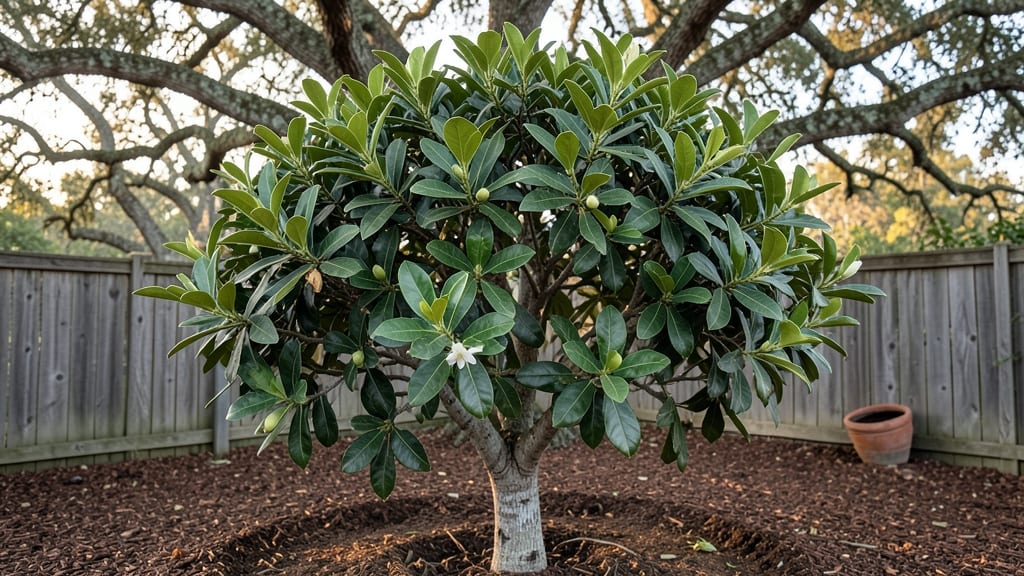
Yellowing grapefruit plant leaves don’t mean your citrus tree is doomed—they’re actually your garden’s secret weapon. 🌿 That sharp citrus scent isn’t just for your kitchen; it naturally repels pests like aphids and mites while keeping your tree healthy.
The key is understanding what those leaf colors really mean before reaching for treatments.
Most leaf problems start with simple fixes: overwatering, nutrient gaps, or too much sun. I’ve seen grapefruit trees recover from yellowing in just two weeks by adjusting watering to 1-2 times per week (depending on heat) and adding a balanced citrus fertilizer.
The real game-changer? A neem oil spray—it clears fungal spots and deters pests without harsh chemicals.
You’ll know you’re on the right track when new leaves emerge glossy and vibrant green, signaling the tree’s returning strength. The citrus scent alone keeps pests at bay, but pairing it with proper care turns those leaves into a pest-repelling powerhouse for your entire garden.
Let’s diagnose and fix those leaves before they warn you of bigger trouble.
This works for both potted grapefruit trees and in-ground plants, whether you’re in Zone 9-11 or a cooler microclimate with winter protection. The same principles apply—just tweak watering and sunlight based on your climate. Here’s how to keep those leaves thriving year-round.
Root Causes Of Leaf Trouble
Your grapefruit plant’s leaves are its lifeline—when they start looking less than vibrant, it’s usually a cry for help from the roots up. Understanding why these issues arise is the first step to bringing your citrus tree back to full, glossy glory.
Let’s break down the most common culprits, from environmental stressors to hidden pests, with actionable science behind each.
Grapefruit plants are drought-tolerant citrus trees, but too much love (in the form of water) can drown their roots. When soil stays soggy for too long, oxygen can’t reach the roots, leading to:
- Yellowing leaves (chlorosis): A classic sign of root suffocation. The plant struggles to absorb nutrients like iron and manganese, even if they’re present in the soil.
- Mushy, black roots: Fungal infections like Phytophthora thrive in waterlogged conditions, rotting roots and cutting off nutrient flow.
- Leaf drop: The plant sheds leaves to conserve energy, thinking it’s in a survival scenario.
Why it happens: Grapefruit trees prefer well-draining soil with a pH of 6.0–7.0. Clay or compacted soil traps water, while overzealous watering (especially without checking soil moisture) turns the root zone into a swamp. Container-grown plants are especially vulnerable because pots can’t drain excess water as effectively as in-ground soil.
Pro tip: Stick your finger 2 inches into the soil—if it’s damp, wait. If it’s bone-dry, water deeply but only until excess drains out. 💡 Add perlite or sand to heavy soil to improve aeration.
Grapefruit plants are sun worshippers, but too much direct heat (or sudden shifts) can scorch their leaves, while too little light weakens their structure. Here’s how each extreme plays out:
🔥 Sunburn (Too Much Light)
- Brown, crispy patches on leaf edges or surfaces, often on the side exposed to harsh afternoon sun.
- Leathery or curled leaves: The plant’s way of reducing surface area to limit water loss.
Why it happens: Intense sunlight (especially in hot climates or during summer) can overheat leaves faster than the plant can photosynthesize. Young leaves are particularly sensitive. Reflective surfaces (like white walls or pavement) amplify UV rays, turning leaves into accidental solar panels.
🌑 Light Deficiency (Too Little Sun)
- Pale, yellow-green leaves (etiolation): The plant stretches toward light, making leaves thin and weak.
- Leggy growth: Long, sparse stems with few leaves as the plant searches for sunlight.
Why it happens: Grapefruit trees need 6–8 hours of direct sunlight daily. Shade from buildings, trees, or even dense foliage reduces chlorophyll production, stunting growth. Indoor plants or those in north-facing windows rarely get enough light.
Pro tip: If moving your plant, 🌿 acclimate it gradually to full sun over 1–2 weeks. For indoor plants, use a grow light 12 inches away for 14 hours/day. ✨ Mulch with straw to protect roots from extreme heat while keeping soil cool.
Tiny invaders and microscopic enemies can turn your grapefruit plant’s leaves into a buffet. Here’s how they strike:
🐜 Sap-Sucking Pests
- Scale insects: Brown, waxy bumps on leaf undersides or stems. Leaves turn yellow and sticky (from honeydew).
- Spider mites: Tiny red dots on leaves, followed by fine webbing. Leaves develop bronze or silver speckles.
- Aphids: Clusters of green/black bugs on new growth. Leaves curl and distort.
Why it happens: These pests pierce leaves to feed on sap, disrupting nutrient flow. They thrive in dry, hot conditions (mites) or crowded plants (scale). Weakened trees (from stress or poor care) are easier targets.
🍄 Fungal Infections
- Citrus greasy spot: Oily, dark spots with yellow halos. Leaves may drop prematurely.
- Powdery mildew: White, powdery coating on leaves, often in shaded or humid areas.
Why it happens: Fungi spread via spores in moist air or wounded leaves. Overhead watering (which keeps foliage wet) or high humidity (above 70%) creates the perfect breeding ground. Poor air circulation (from dense planting) traps spores against leaves.
Pro tip: 🔥 Blast pests off with a strong stream of water, then treat with neem oil (1 tsp per quart of water). For fungi, ✨ apply copper fungicide and prune affected leaves. 🌿 Space plants 6+ feet apart to improve airflow.
Even the richest soil can fall short if your grapefruit plant isn’t getting the right balance of nutrients. Leaf symptoms often point to specific deficiencies:
| Symptom | Likely Deficiency | Why It Happens | ||||||||||||
|---|---|---|---|---|---|---|---|---|---|---|---|---|---|---|
| Yellow leaves with green veins (chlorosis) | Iron (Fe), Manganese (Mn), or Zinc (Zn) | These micronutrients are essential for chlorophyll but become unavailable in alkaline soil (pH >7.0). Grapefruit trees also need chelated iron for uptake. | ||||||||||||
| Purple or red leaf undersides | Phosphorus (P) | Phosphorus helps energy transfer in cells. Deficiencies often occur in cool soils or when nitrogen (N) levels are too high, outcompeting P absorption. | ||||||||||||
| Yellowing between veins, weak growth | Nitrogen (N) | Nitrogen is the building block of chlorophyll. Leached away by overwatering or frequent heavy rains, it’s also vulnerable in sandy soil. | ||||||||||||
| Small, dark green leaves | Potassium (K) | Potassium regulates water and nutrient movement. Deficiencies weaken the plant’s osmotic balance, making it prone to stress. |
| Pest | Fix It | Frequency |
|---|---|---|
| Aphids/Mites | Spray with neem oil solution (1 tbsp neem oil + 1 tsp mild soap per quart of water). | Every 5–7 days for 2 weeks. |
| Caterpillars | Handpick larvae or use BT (Bacillus thuringiensis) spray. | Repeat after rain. |
| Scale Insects | Scrape off with a soft brush or soak in soapy water for 10 mins. | Weekly until gone. |
- Prevent Reinvasion
- Introduce predator insects (like ladybugs or lacewings) to your garden.
- Quarantine new plants for 2 weeks before adding them to your collection.
✨ Prevention Tips:
- Inspect leaves weekly (especially undersides) for early signs.
- Avoid over-fertilizing—soft new growth attracts pests.
- Prune regularly to improve airflow (pests love crowded, damp foliage).
Signs: Sudden leaf drop, wilting, or leaves turning black.
🔪 Emergency Stabilization:
- Check for Root Rot
- Gently remove the plant from its pot and inspect roots. Healthy roots are white; rotten roots are mushy and brown.
- Solution: Trim black roots with sterilized scissors, repot in fresh soil, and reduce watering.
- Adjust Light Conditions
- Too much sun? Leaves scorch and drop.
- Too little? Leaves turn yellow and fall.
- Solution: Move to bright, indirect light (east or north-facing windows are ideal).
- Stabilize the Plant
- Prop up wilting stems with a small stake.
- Avoid fertilizing until new growth appears (stressed plants can’t handle nutrients).
🎯 Prevention Tips:
- Acclimate gradually if moving outdoors (harden off over 1–2 weeks).
- Monitor temperature swings—grapefruit plants dislike cold drafts (<50°F) or heat waves (>90°F).
- Use a self-watering pot if you’re prone to forgetting watering schedules.
- Prune Dead Growth – Cut back damaged leaves/stems with clean shears.
- Repot if Needed – If roots are circling or soil is compacted, upgrade to a 1–2 inch larger pot.
- Fertilize Lightly – Use a half-strength citrus fertilizer every 4–6 weeks in spring/summer.
- Monitor & Adjust – Keep a plant journal to track watering, light, and responses.
💡 Final Pro Tip: Grapefruit plants are resilient—even if they look sad, they often bounce back with the right care. Patience is key! If all else fails, propagate a cutting from healthy stems to start fresh. 🌱🍊
Frequently asked questions
Why are my grapefruit plant leaves turning yellow?
Yellowing leaves usually signal overwatering or nutrient deficiencies like iron or nitrogen. Check soil moisture—water only when the top 1-2 inches are dry. For chlorosis (yellow with green veins), use chelated iron or a citrus-specific fertilizer. Most cases improve within 2-3 weeks of adjusting care.
How do I know if my grapefruit leaves have pests?
Look for tiny webs (spider mites), sticky residue (aphids), or brown bumps (scale insects). Inspect leaf undersides first. For mild infestations, spray with neem oil solution (1 tbsp neem + 1 tsp soap per quart of water). Repeat every 5-7 days until pests disappear.
Can I use grapefruit leaves for anything besides repelling pests?
Crushed leaves make a natural citrus-scented mulch that deters ants and slugs. You can also steep dried leaves in hot water for 10 minutes to create a refreshing herbal tea (remove leaves before drinking). Just avoid using leaves from chemically treated plants.
Why are my grapefruit leaves curling?
Curling often means underwatering, but check for pests first (mites cause similar symptoms). Water deeply when soil is dry, and increase humidity for indoor plants. If the curl is accompanied by brown edges, it could also signal sunburn—move to partial shade for a few days.
How often should I fertilize my grapefruit plant?
Feed every 4-6 weeks during spring/summer with a balanced citrus fertilizer (6-6-6 ratio). Reduce to every 8-12 weeks in fall/winter. Always water before fertilizing to prevent root burn. Over-fertilizing causes leaf burn and attracts pests.