
Companion Plants
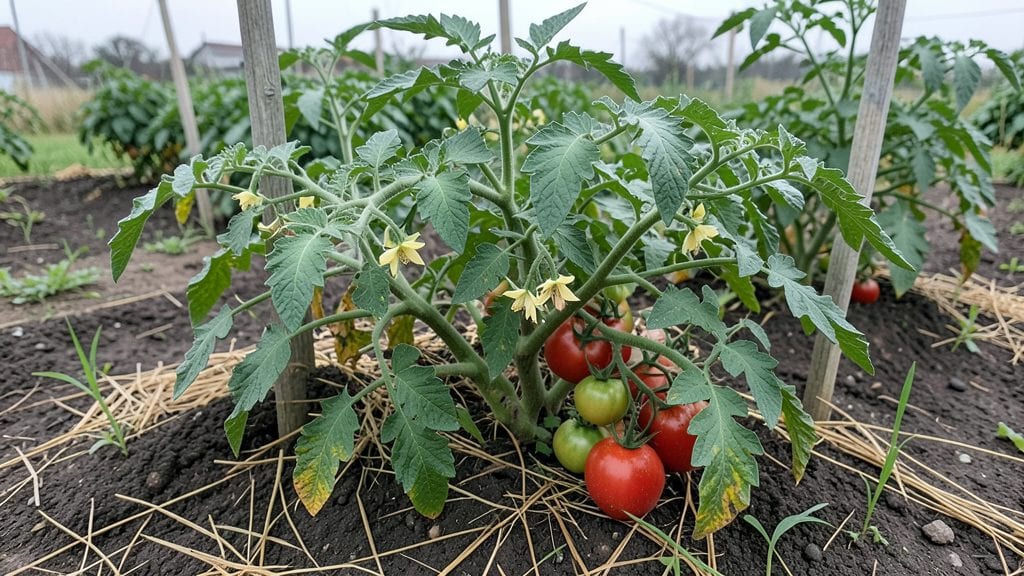
Growing giant tomato plants that produce juicy, 10-pound fruits isn’t just possible—it’s within reach if you pick the right varieties and give them the space they crave. 🌱 I’ve grown beefsteak tomatoes that weighed in at nearly a pound each, and the secret starts with selecting heirlooms like ‘Brandywine’ or ‘Cherokee Purple’ that are bred for massive size.
These aren’t your average grocery-store tomatoes; they’re the kind that make your neighbors green with envy when you pull them from the vine.
The real magic happens in the soil and support system. You’ll need deep, nutrient-rich soil mixed with compost, plus a 10-foot-tall cage or trellis to keep those vines from toppling over.
I’ve seen gardeners skip the extra support and end up with sprawling, unmanageable plants that struggle to hold their own weight. A sturdy frame isn’t just helpful—it’s essential for those monster fruits to develop properly.
Think of it as giving your tomatoes a five-star hotel stay instead of a cramped motel.
By mid-summer, you’ll be harvesting tomatoes so heavy they’ll make your hands ache when you lift them. The flavor? Rich, sweet, and packed with juice that rivals anything you’ve ever tasted. These aren’t just big—they’re bursting with flavor in a way store-bought tomatoes can’t match.
The key is patience: giant tomatoes take longer to mature, but the payoff is worth every extra week of waiting.
Whether you’re a backyard gardener with a sunny patch or a container gardener with a balcony, this method scales. Just adjust your support system and container size—even a 5-gallon bucket can grow a small but mighty tomato plant if you choose the right variety.
Here’s how to set it up for success from day one.
📚 In This Guide
- What you need
- Instructions
- Tips and common mistakes
- Wrapping up and next steps
What you need
- ● Tomato Seeds or Seedlings: Choose heirloom varieties like 'Big Beef,' 'Brandywine,' or 'Cherokee Purple'—they’re known for their massive size!
- ● Quantity: 3–6 plants (space them out for optimal growth).
- ● Growing Containers or Garden Beds: Containers: 5-gallon pots or fabric grow bags (minimum 18" deep).
- ● Garden beds: Well-draining soil, at least 24" deep, with full sun (6–8+ hours/day).
- ● High-Quality Soil: Mix 60% potting soil, 30% compost, and 10% perlite or vermiculite for aeration.
- ● pH level: Aim for 6.0–6.8 (test with a soil kit if unsure).
- ● Fertilizer: Balanced 10-10-10 fertilizer for early growth.
- ● Switch to low-nitrogen, high-phosphorus (5-10-10) when flowering/fruiting begins.
- ○ Optional: Add compost tea or fish emulsion for a nutrient boost.
- ● Support Structures: Tall cages (6–8 ft) or trellises—giant tomatoes need serious support!
- ● Soft twine or Velcro ties to secure vines gently (avoid harming stems).
- ● Watering Supplies: Drip irrigation or a soaker hose (keeps soil consistently moist).
- ● Avoid overhead watering to prevent disease.
- ● Pruning Tools: Sharp pruning shears or bypass pruners (sterilize with rubbing alcohol).
- ● Mulch: Straw or wood chips to retain moisture and suppress weeds.
- ● Shade Cloth: For hot climates (30–50% shade during peak sun).
- ● Growth Regulators: Like seaweed extract to boost fruit set.
- ● Companion Plants: Basil, marigolds, or onions to deter pests naturally.
Step-by-step instructions for growing giant tomatoes
Here’s how to cultivate those legendary 10-pound tomatoes—starting with the right foundation.
🌱 Step 1: Select and Prepare Heavy-Feeder Soil
Giant tomatoes demand nutrient-rich soil that won’t compact. Mix 50% premium potting mix with 50% compost (from your 5-gallon bag) to create a loose, airy blend. Avoid garden soil—it’s too dense and drains too quickly. I like to add a handful of worm castings (from your 1-pound bag) for extra microbial activity.
Fill a 5-gallon container (or larger) with this mix, leaving 2 inches at the top for watering. Tap the pot gently to settle the soil, but don’t pack it down—roots need room to spread. The soil should feel like a damp sponge, not mud.
☀️ Step 2: Plant Strong Transplants and Stake Immediately
Use your 4 heirloom tomato seedlings (like ‘Cherokee Purple’ or ‘Brandywine’) and plant them deep—bury ⅔ of the stem below soil level. This encourages extra roots to form along the buried stem, which supports heavier fruit. Space plants 18 inches apart in containers or 3 feet apart in the ground.
Drive your 6-foot bamboo stake (from your supplies) 4 inches deep next to each plant. Secure the main stem with soft plant ties (from your 5-pack) to prevent wind damage. Giant tomatoes need full sun (6+ hours daily)—place them where they’ll get morning sun and afternoon shade in hot climates to prevent sunscald.
💧 Step 3: Water Deeply and Fertilize Weekly
Water deeply twice weekly—soak the soil until it’s 6 inches wet, then let it dry slightly before the next watering. Use the drip irrigation kit (from your supplies) to deliver water at the base, avoiding wet leaves (which spread disease). Giant tomatoes hate inconsistent moisture—let them dry out, and they’ll split or crack.
Feed every 7-10 days with liquid tomato fertilizer (from your 1-gallon bottle), mixing it at half-strength to avoid burning roots. I also sprinkle crushed eggshells (from your 1-pound bag) around the base monthly for calcium—this prevents blossom-end rot, a common issue with heavy fruit.
✂️ Step 4: Prune and Train for Maximum Yield
Prune suckers (the small shoots between the main stem and branches) weekly—remove them with your fingers or clean pruners. Keep only the largest, strongest suckers to encourage upward growth. For indeterminate varieties, pinch off the top growth after the first flower cluster to redirect energy into fruit production.
Weave the main vine around the bamboo stake as it grows, securing it with soft plant ties every 12 inches. This keeps the plant upright and prevents the heavy fruit from snapping stems. When fruits reach golf-ball size, remove any small, green tomatoes—this forces the plant to focus energy on fewer, larger fruits.
🌿 Step 5: Protect and Harvest for Juicy Perfection
Cover plants with floating row covers (from your supplies) if temperatures drop below 50°F—giant tomatoes won’t set fruit in cool weather. Remove covers when flowers appear to allow pollination. Hand-pollinate if needed by gently shaking the plants or using a small brush to transfer pollen between flowers.
Harvest when tomatoes are fully colored but still slightly firm—this ensures peak flavor and prevents cracking. Use pruning shears to cut stems cleanly, leaving a ½-inch stub. Store ripe tomatoes at room temperature (not the fridge) to maintain sweetness. With this method, you’ll harvest juicy, beefsteak-sized tomatoes by mid-summer.
Tips & tricks for perfect giant tomato plants
Growing tomatoes that weigh in at 10 pounds isn't just about following steps—it's about mastering the little details that make all the difference. Here's what I've learned after growing these monsters myself.
Soil Science: The 50-50 mix of premium potting mix and compost isn't just random numbers—it's about creating the perfect air-to-water ratio. I like to add an extra handful of worm castings (from your 1-pound bag) right at planting time. These tiny powerhouses boost microbial activity, which helps your plants absorb nutrients more efficiently. Think of them as nature's fertilizer boosters that work underground where you can't see them.
Staking Strategy: That 6-foot bamboo stake isn't just for show—it's the secret to supporting those massive fruits. Drive it 4 inches deep for stability, but here's the trick: angle it slightly away from the plant. This creates a natural arc that distributes the weight of heavy tomatoes more evenly. I also weave the vine around the stake in a spiral pattern rather than straight up—this helps prevent stem breakage when those fruits get really heavy.
Watering Wisdom: The "deeply twice weekly" rule is crucial, but timing matters just as much. Water in the morning so the foliage has all day to dry out, preventing fungal diseases. I've found that using your drip irrigation kit not only delivers water right where the roots need it but also helps maintain consistent moisture levels. The key is to soak until the soil is 6 inches wet—you can check this by sticking your finger in the soil. If it comes out clean, you're not watering deeply enough.
Pruning Payoff: Those weekly sucker removals might seem tedious, but they're what turns good tomatoes into giant ones. When you remove suckers, you're directing all the plant's energy toward fewer, larger fruits. Here's my secret: only keep suckers that are growing at a 45-degree angle or less from the main stem. Steeper suckers will compete with your main fruit production. Also, pinch off the top growth after the first flower cluster—this forces the plant to put all its energy into ripening what's already there rather than growing more leaves.
Pro Tips for Giant Tomatoes Plants
- Growing tomatoes that weigh in at 10 pounds isn't just about following steps—it's about mastering the little details that make all the difference.
- Soil Science: The 50-50 mix of premium potting mix and compost isn't just random numbers—it's about creating the perfect air-to-water ratio.
- Staking Strategy: That 6-foot bamboo stake isn't just for show—it's the secret to supporting those massive fruits.
Frequently asked questions
Got questions about growing giant tomatoes?
You’re not alone—these towering vines come with unique challenges and rewards! Here are answers to the most common queries to help you cultivate those record-breaking fruits with confidence.
How long does it take for giant tomato plants to produce fruit?
Giant tomato varieties like ‘Big Beef’ or ‘Mammoth’ typically take 80–100 days from transplanting to harvest, depending on your climate and growing conditions. Start seeds indoors 6–8 weeks before the last frost for an early jumpstart. Patience is key—these plants need time to establish strong roots and vines before they reward you with those massive fruits!
What’s the best temperature range for giant tomato plants?
Giant tomatoes thrive in warm but not scorching conditions:
- Daytime: 70–85°F (21–29°C) – ideal for flowering and fruiting.
- Nighttime: Above 55°F (13°C) to prevent blossom drop.
- Avoid: Temperatures above 90°F (32°C) for prolonged periods, which can cause sunscald or poor fruit set.
Can I grow giant tomatoes in containers? If so, what size pot do I need?
Yes! Giant tomatoes can thrive in containers, but size matters. Aim for a minimum 5-gallon pot (18–24 inches deep) per plant, with trellis or cage support to manage their weight. Larger pots (7+ gallons) reduce watering needs and improve stability. Use a well-draining potting mix rich in compost, and fertilize regularly with tomato-specific nutrients. Just ensure your container has drainage holes to prevent root rot.
What pests or diseases should I watch for with giant tomato plants?
Giant tomatoes are susceptible to the same pests and diseases as smaller varieties, but their size makes them targets for:
- Pests: Hornworms, aphids, and whiteflies (handpick or use neem oil).
- Diseases: Blight (early/fungal), verticillium wilt, and blossom end rot (caused by calcium deficiency or uneven watering).
Are there any companion plants that help giant tomatoes grow bigger?
Pair giant tomatoes with:
- Basil: Repels pests and improves flavor.
- Marigolds: Deter nematodes and attract pollinators.
- Avoid: Fennel or brussels sprouts (they compete for nutrients).
Wrapping up and next steps
Growing giant tomato plants is a rewarding adventure that blends patience, care, and a dash of creativity! 🌱 With the right companion plants, soil prep, and pruning techniques, you can cultivate those jaw-dropping, 10-pound beauties right in your backyard.
Remember, consistency is key—whether you’re staking, fertilizing, or troubleshooting pests, every effort contributes to that sweet, sun-ripened payoff.
Ready to take the next step? Start small—pick a sunny spot, gather your supplies, and plant those seeds or seedlings this season! Before you know it, you’ll be sharing (or bragging about) your monster tomatoes with neighbors. Happy growing! 🍅✨