
Companion Plants
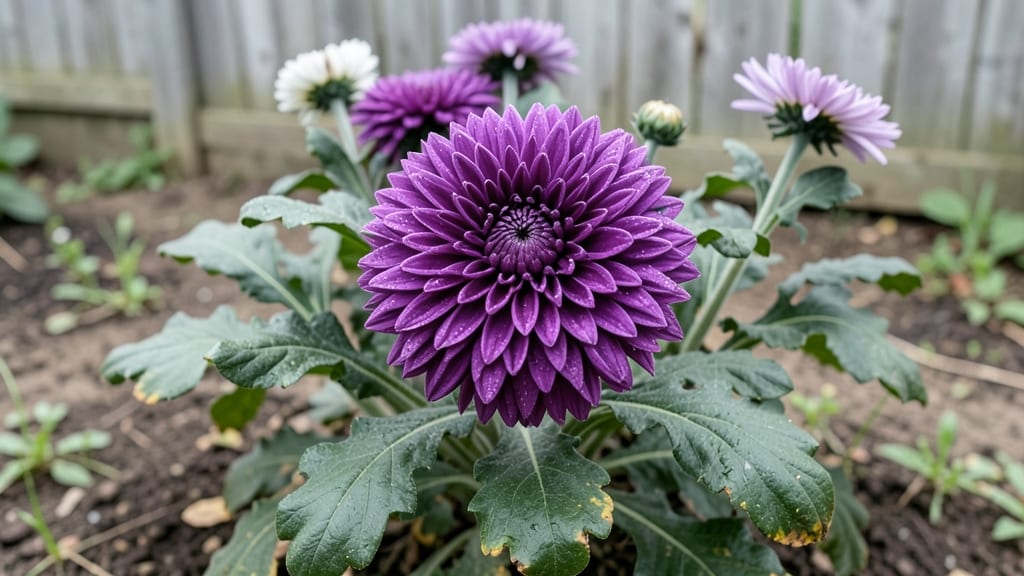
Those giant chrysanthemum plants turn heads with their dramatic blooms that dwarf most garden flowers—these sun-loving powerhouses need the right start to reach their full potential. 🌻 I’ve grown them for years, and the secret to their bold presence isn’t luck—it’s matching their needs with smart soil prep, strategic spacing, and a little extra care during their growth spurt.
The foundation begins with well-draining, nutrient-rich soil mixed with compost, and planting in full sun (at least 6 hours daily). These giants need 18-24 inches of space between plants to avoid crowding, which stunts their growth. Water deeply twice a week once established, but avoid soggy roots—they hate wet feet.
By mid-summer, you’ll see those massive blooms forming, and with regular deadheading (snipping spent flowers), they’ll keep producing until frost. A balanced fertilizer every 4-6 weeks keeps them thriving, and a light pruning in early spring encourages bushier growth. The payoff? A garden centerpiece that outshines everything else.
Here’s the kicker: these plants reward patience. With proper winter prep (cutting back stems and mulching), they’ll bounce back stronger each year. Perfect for borders, containers, or cutting gardens—just give them room to shine.
📚 In This Guide
- What you need
- Instructions
- Tips and common mistakes
- Wrapping up and next steps
What you need
- ● Giant Chrysanthemum Plants: 3–5 tubers or rooted cuttings (choose varieties like 'Korean Giant' or 'Pacific Giant' for bold blooms).
- ● Well-draining soil: 10–15 bags of garden loam mixed with compost (50/50 ratio).
- ● Organic fertilizer: 1 lb of balanced 10-10-10 or fish emulsion (for nutrient-rich growth).
- ● Mulch: 5–10 cubic feet of straw or wood chips (to retain moisture and regulate soil temp).
- ● Garden trowel or spade (for planting and soil prep).
- ● Gloves (heavy-duty for handling tubers and soil).
- ● Watering can or hose with nozzle (gentle watering is key!).
- ○ Stakes or cages (optional, for tall varieties to prevent flopping).
- ● Pruning shears (for shaping and deadheading).
- ● Full-sun location: At least 6–8 hours of direct sunlight daily (chrysanthemums love basking!).
- ● Spacious planting area: Giant varieties need 2–3 feet of space between plants.
- ● Patience: Tubers take 60–90 days to bloom—plan ahead for fall color!
- ● Test your soil’s pH (6.0–7.0 is ideal)—amend with lime or sulfur if needed.
- ● For extra drama, pair with sunflowers or ornamental grasses as companions!
- ● Water deeply 2–3 times per week (drought-stress = fewer blooms).
Step-by-Step instructions for growing giant chrysanthemums
Here’s how to coax those bold, statement-making blooms from sturdy stems—no guesswork, just proven techniques.
🌱 Step 1: Select and Prepare Healthy Starter Plants
Choose mature chrysanthemum plants with thick, dark green stems and multiple buds forming at the base. Avoid leggy or yellowing specimens—they won’t recover. I inspect each plant for aphids or powdery mildew before bringing them home, as these pests spread like wildfire once established.
Trim back any damaged foliage with clean, sharp pruners, leaving only healthy stems with 3-4 leaves per shoot. This encourages fresh growth and redirects energy toward root and flower development. Plant in well-draining soil—chrysanthemums despise soggy roots, which lead to root rot and stunted growth.
☀️ Step 2: Plant in Full Sun with Proper Spacing
Sink each plant into the ground until the top of the root ball sits level with the soil surface. Giant chrysanthemums need plenty of elbow room—space them 2-3 feet apart in rows 3 feet apart for optimal airflow and sunlight penetration. Crowding invites fungal diseases and weak stems that can’t support heavy blooms.
Dig a hole twice as wide as the root ball but only as deep—chrysanthemums resent being buried too deep. Amend the planting hole with 1 cup of balanced 10-10-10 fertilizer mixed into the backfill soil. Water deeply right after planting to eliminate air pockets and encourage root spread.
💧 Step 3: Water Deeply and Maintain Consistent Moisture
Keep the soil evenly moist but never waterlogged—chrysanthemums need 1-1.5 inches of water weekly, delivered at the base of the plant, not overhead. I water in the early morning to allow foliage to dry before evening, which prevents fungal spores from taking hold.
Mulch around the base with 2-3 inches of organic mulch (like shredded bark) to retain moisture and suppress weeds. Avoid piling mulch against stems—this traps moisture and invites rot. You’ll know your watering is right when the soil feels damp 2 inches down but not soggy.
✂️ Step 4: Prune for Stronger Stems and Larger Blooms
Pinch back the top sets of leaves when plants reach 12 inches tall to encourage bushier growth. This forces the plant to produce secondary stems, which support more blooms. Use clean pruners and make cuts just above a leaf node—never tear stems, as this invites disease.
Remove any spent blooms as they fade to redirect energy toward new flowers. I also trim back overly leggy stems in early summer to maintain a compact shape. The goal is sturdy stems that can hold 6-inch-wide blooms without flopping.
🌿 Step 5: Fertilize and Protect Through Bloom Season
Feed plants every 4-6 weeks with a low-nitrogen fertilizer (like 5-10-10) to promote flowering over leafy growth. Apply fertilizer after watering to prevent root burn. I also side-dress with compost tea monthly for a gentle nutrient boost without risk of overfeeding.
Watch for Japanese beetles—they devour chrysanthemum petals in seconds. Handpick them early in the day when they’re sluggish, or spray with neem oil as a preventive measure. Deadhead faded blooms daily in peak season to extend the flowering period by 2-3 weeks.
Tips & tricks for perfect giant chrysanthemum growth
Here's what nobody tells you about growing these showstopping blooms—tricks that'll turn your garden into a floral masterpiece.
Plant Selection Wisdom: When choosing your chrysanthemum plants in Step 1, look for those with thick stems and multiple buds—these are the plants that'll deliver the 6-inch-wide blooms we're after. I've learned the hard way that leggy plants with sparse buds will never recover their structure, no matter how much you prune later. Confidence comes from starting with the right genetic material.
Soil Science Matters: The well-draining soil requirement in Step 1 is non-negotiable. I've seen chrysanthemums wither within weeks when planted in heavy clay. Amend your garden soil with compost or perlite if needed to achieve that perfect drainage. The key is creating an environment where roots can breathe while holding enough moisture for consistent growth.
Pruning Precision: In Step 4, when you're pinching back those top sets of leaves at 12 inches tall, make your cuts just above a leaf node using clean pruners. I can't tell you how many times I've seen gardeners tear stems instead of making clean cuts—this creates open wounds that invite disease. Think of it as giving your plant a fresh haircut rather than a messy shave.
Fertilizer Timing: The 4-6 week feeding schedule in Step 5 is crucial for balancing growth and flowering. I've found that applying fertilizer after watering prevents root burn, and using a low-nitrogen 5-10-10 blend ensures we're promoting blooms over leafy growth. Too much nitrogen early in the season will give you lush foliage but tiny flowers.
Pro Tips for Giant Chrysanthemum Plants
- Here's what nobody tells you about growing these showstopping blooms—tricks that'll turn your garden into a floral masterpiece.
- Plant Selection Wisdom: When choosing your chrysanthemum plants in Step 1, look for those with thick stems and multiple buds—these are the plants that'll deliver the 6-inch-wide blooms we're after.
- Soil Science Matters: The well-draining soil requirement in Step 1 is non-negotiable.
Frequently asked questions
Got questions about growing giant chrysanthemum plants? You’re not alone! Here are answers to the most common queries—from planting tips to troubleshooting—so you can confidently add these showstoppers to your garden.
When is the best time to plant giant chrysanthemums?
Plant them in early spring (after the last frost) or late summer (6–8 weeks before the first frost). This gives roots time to establish before extreme temperatures. For container growing, you can plant anytime, but ensure they get 6+ hours of sun daily.
How often should I water giant chrysanthemums?
Water deeply 1–2 times per week, depending on your climate. Let the top 1–2 inches of soil dry out between waterings. Overwatering can cause root rot, so well-draining soil is key. Mulch around the base to retain moisture and suppress weeds.
What pests or diseases should I watch for?
Common issues include:
- Japanese beetles: Handpick or use neem oil.
- Powdery mildew: Improve airflow and spray with fungicide if needed.
- Aphids: Blast off with water or use insecticidal soap.
Prevent problems by removing dead blooms and avoiding overhead watering.
Can I grow giant chrysanthemums in containers?
Choose a large pot (18+ inches wide) with drainage holes and use a well-draining potting mix. Dwarf varieties (like ‘Mammoth’ or ‘Ruby Mound’) work best. Place containers in full sun and fertilize monthly during the growing season.
Why aren’t my chrysanthemums blooming?
Blooming depends on light, nutrients, and timing. Ensure they get full sun and pinch back stems in early summer to encourage bushier growth. Lack of fertilizer (especially phosphorus) or overcrowding can also delay flowers. Try a balanced 10-10-10 fertilizer in late summer.
Wrapping up and next steps
Giant chrysanthemums are the perfect statement-makers for sunny gardens—easy to grow, stunning in bloom, and packed with year-round interest. Whether you’re a seasoned gardener or just starting, these bold beauties reward patience with show-stopping color and resilience.
Now that you’re armed with the right tips, roll up your sleeves—pick a sunny spot, grab your gloves, and let these giants transform your outdoor space! 🌻
Ready to dive in? Start with just one plant this season, experiment with varieties, and watch your garden come alive with drama and charm.