
Fertilization
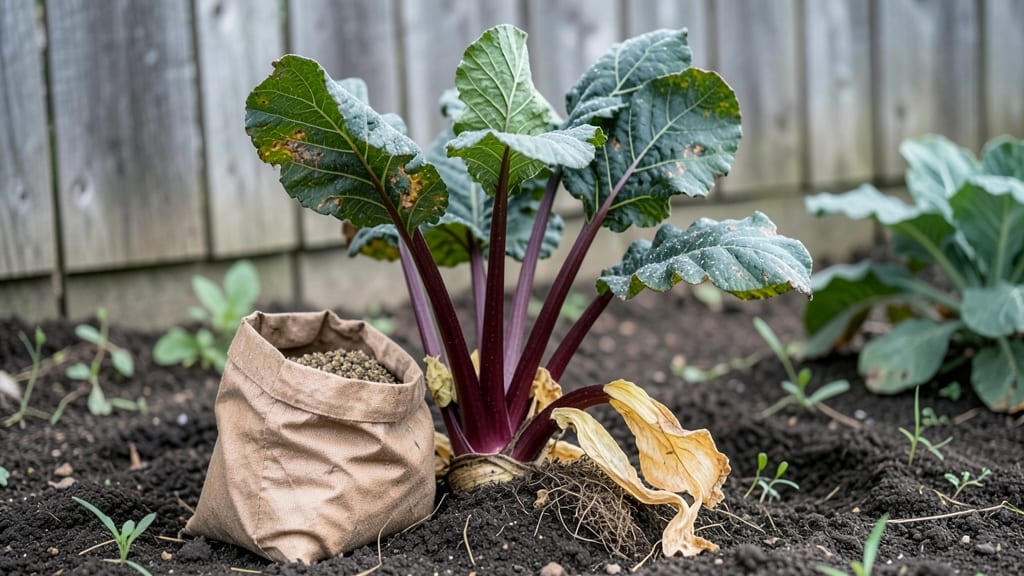
Fertilizing rhubarb plants 🌱 is the secret to bold, crisp stalks—but get it wrong, and you’ll end up with bitter leaves or no harvest at all.
Rhubarb thrives when fed correctly, but over-fertilizing can ruin their harvest—here’s the science-backed guide to maximizing growth without common mistakes.
Most gardeners focus on nitrogen for leafy greens, but rhubarb needs a balanced approach to avoid leggy stalks or weak roots. The key? Light feeds in spring, a mid-season boost, and zero fertilizer in fall.
In this guide, I’ll walk you through the best fertilizers, the exact timing to apply them, and how to spot when your rhubarb is begging for more—or screaming for less.
Best fertilizer types for rhubarb plants and when to apply them
Rhubarb thrives with the right fertilizer, but too much can lead to leafy growth at the expense of edible stalks. The key is using a balanced approach with moderate nitrogen and seasonal timing.
Unlike leafy greens, rhubarb prefers low-to-moderate nitrogen to avoid excessive foliage. Organic options like compost or aged manure work well, while synthetic fertilizers offer precise nutrient control.
Timing matters most—spring and early summer are critical for feeding rhubarb, but fall and winter applications should be avoided. Over-fertilizing in late summer can stimulate tender new growth that won’t survive frost.
For established plants, a light feeding in spring followed by monthly maintenance during active growth keeps stalks plump and productive.
Rhubarb’s ideal soil is rich but not overly fertile. A pH between 6.0 and 7.0 ensures nutrients are available, while well-draining soil prevents root rot. Test your soil before fertilizing—amended soil often needs less fertilizer than depleted ground.
For new plantings, a light application at planting helps establish roots without shocking the plant.
Here’s how organic and synthetic fertilizers compare for rhubarb, including application timing and nutrient ratios:
For organic gardeners, compost and aged manure are my top picks. Work 2-3 inches of compost into the soil at planting, then top-dress annually in early spring.
Fish emulsion is another organic option, but use it sparingly—dilute to half strength to avoid nitrogen overload. The goal is stalk production, not lush leaves.
Avoid high-nitrogen fertilizers like lawn fertilizers, which encourage leafy growth at the cost of edible stalks. Rhubarb’s ideal ratio is low-to-moderate nitrogen (N), with balanced phosphorus (P) and potassium (K). A 10-10-10 or 5-10-10 synthetic fertilizer works well when applied every 6-8 weeks during the growing season.
Timing is everything. In spring (March-April), apply a light fertilizer as new growth emerges. Skip fertilizing in late summer (August-September) to harden off stalks before frost. For established plants, a fall application of bone meal (3-15-0) promotes root health without stimulating late growth.
Watch for signs of over-fertilization, like yellowing leaves or stunted stalks. If you see excessive leaf growth with few stalks, reduce nitrogen and
Step-by-step guide to fertilizing rhubarb for maximum yield
Fertilizing rhubarb plants correctly is the secret to juicy stalks and healthy foliage. Unlike many vegetables, rhubarb doesn’t need heavy feeding—just the right nutrients at the right time. Overdoing it leads to leafy growth instead of stalks, so let’s focus on precision.
Start by testing your soil pH (ideal: 6.0-6.8) to ensure your rhubarb can absorb nutrients efficiently.
Once you’ve confirmed your soil is ready, the next step is choosing the right fertilizer type and timing. Rhubarb responds best to balanced fertilizers (like 10-10-10 NPK) or organic options such as composted manure.
Avoid high-nitrogen fertilizers, which promote leaves over edible stalks. Let’s break down the process into clear, actionable steps to maximize your harvest.
How to Fertilize Rhubarb for Maximum Yield
- Step 1: Test your soil pH using a kit or send a sample to your local extension office. Aim for a pH of 6.0-6.8—rhubarb struggles in acidic or alkaline soil.
- Step 2: Apply a 1/2 cup of balanced fertilizer (like 10-10-10) around the drip line of established plants in early spring (March-April) when new growth appears.
- Step 3: Reapply the same amount every 4-6 weeks during the active growing season (April-June). Stop fertilizing by mid-summer to avoid late-season growth before winter.
- Step 4: Water deeply after fertilizing to help nutrients penetrate the soil. Avoid fertilizing if rain is forecasted within 24 hours to prevent runoff.
- Step 5: Monitor your plants for nutrient deficiencies. Yellowing leaves may signal nitrogen deficiency, while stunted stalks could mean phosphorus or potassium lack. Adjust your fertilizer blend accordingly.
- Step 6: In fall and winter, skip fertilizing entirely. Rhubarb enters dormancy, and feeding can encourage weak growth before frost.
For organic gardeners, use composted manure or worm castings instead of synthetic fertilizers. Work these into the soil at planting and top-dress lightly in spring. Organic options release nutrients slowly, reducing the risk of over-fertilization. Always water thoroughly after applying to activate nutrients.
Watch for signs of over-fertilization, like burnt leaf edges or excessive leafy growth. If you notice these, flush the soil with water and reduce future applications.
Rhubarb is a perennial, so consistent, moderate feeding pays off for years—literally! With the right approach, you’ll enjoy bold, crisp stalks for decades.
Pro tip: Mulch around your rhubarb plants with straw or shredded leaves to retain moisture and regulate soil temperature. This also helps prevent soil-borne diseases and keeps weeds at bay, making your fertilizing efforts even more effective. Happy growing!