
Planting
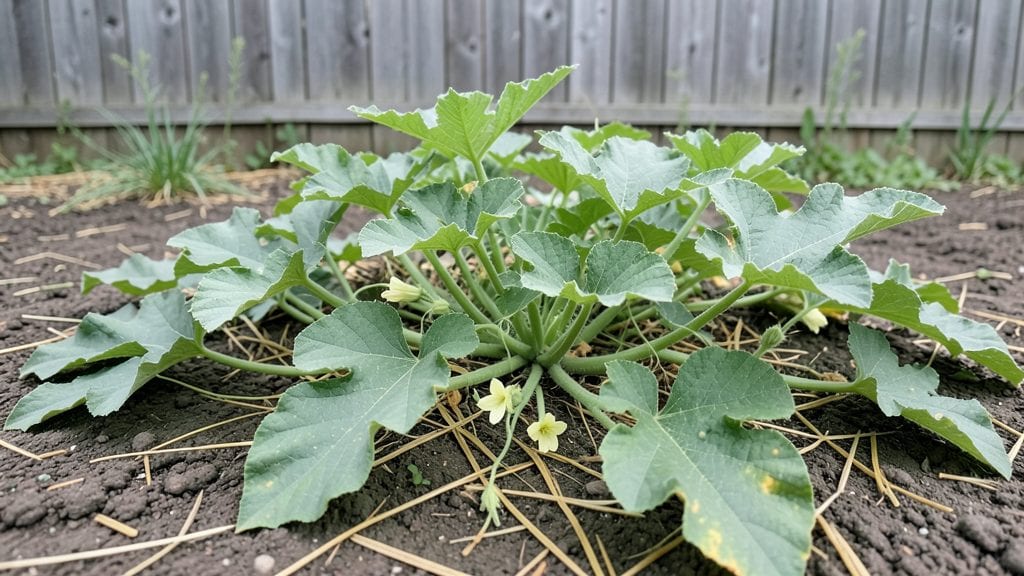
This early watermelon plant can turn your summer into a sweet success—just 60 days after sowing, some varieties deliver juicy rewards while others linger. ✨ The secret lies in choosing the right types and timing your plantings perfectly.
These early varieties pack a punch with shorter vines and smaller fruits, making them ideal for small spaces or cooler climates. Think varieties like 'Sugar Baby' or 'Early Moon and Star'—they germinate quickly in warm soil and deliver sweet, manageable melons before traditional types even think about flowering.
The key is planting after your last frost when soil hits 70°F, and using black plastic mulch to speed up warming.
You'll be harvesting your first melons by mid-summer instead of waiting until August. The fruits stay crisp, sweet, and perfect for slicing—no need to wait for the heat of high summer.
Just give them consistent water, some trellis support if needed, and watch those vines spread with explosive growth once they get going.
Works best in zones 4-10 with proper timing, and even cooler regions can try them in containers for a head start. Here's how to make it happen without the usual long wait.
📚 In This Guide
- What you need
- Instructions
- Tips and common mistakes
- Wrapping up and next steps
What you need
- ● Early-maturing watermelon seeds: Choose fast-germinating varieties like 'Sugar Baby', 'Black Diamond', or 'Crimson Sweet' (1–2 seed packets, ~50–100 seeds).
- ● Seed-starting soil or potting mix: Lightweight, well-draining blend (1–2 bags, 10–15 cubic feet).
- ● Biodegradable seed-starting pots or peat pellets: 2–3 inch diameter (10–20 units).
- ● Garden soil (or raised bed mix): Rich in organic matter (enough to fill your planting area).
- ● Compost or balanced fertilizer (5-10-10): For nutrient boost (1–2 bags).
- ● Watering can or hose with gentle spray nozzle: For consistent moisture.
- ○ Row covers or plastic mulch: To warm soil and speed germination (optional but helpful in cooler climates).
- ○ Sturdy stakes or trellis (optional): For vining varieties (4–6 feet tall, 2–4 units).
- ● Trowel or small hand shovel: For transplanting seedlings.
- ● Gloves (gardening or work gloves): To protect your hands.
- ● Measuring tape or ruler: For spacing plants (3–6 feet apart).
- ○ Pruning shears (optional): For trimming excess vines or dead leaves.
- ● Spray bottle (small): For misting seeds during germination.
- ● 🌞 Sunlight: Full sun (6–8 hours daily) for seedlings and mature plants.
- ● 💧 Water source: Consistent access to water (avoid soggy soil).
- ● 🌡️ Warm soil temps: Ideal germination occurs at 70–90°F (21–32°C)—wait until soil warms or use a heat mat.
- ● 📅 Timing: Start seeds indoors 2–4 weeks before last frost or direct-sow after soil temps reach 75°F (24°C).
Step-by-step instructions for planting fast-germinating watermelon varieties
Here’s how to get your watermelon seeds sprouting in just 3-5 days and growing strong for a summer harvest.
🌱 Step 1: Choose and Prepare the Right Seeds and Soil
Pick a fast-germinating variety like ‘Sugar Baby,’ ‘Black Diamond,’ or ‘Crimson Sweet’—these sprout reliably in 3-5 days when conditions are right. Soak your seeds overnight in lukewarm water to soften the outer shell and speed up germination. This is the moment that matters: soaked seeds will sprout faster and more evenly.
Use the 3 gallons of potting mix you’ve got, but don’t use garden soil—it’s too dense and may harbor diseases. Mix in 1 tablespoon of Epsom salt per gallon of soil to boost magnesium, which helps watermelons grow strong vines. Fill your containers with this mix and moisten it until it’s damp like a wrung-out sponge.
💧 Step 2: Plant Seeds at the Correct Depth and Temperature
Watermelon seeds need warmth to germinate—aim for soil temperatures of 80-90°F. If your garden soil isn’t warm enough yet, use black plastic mulch or a seedling heat mat to keep it cozy. Plant seeds 1 inch deep and 6 inches apart in rows spaced 5-6 feet apart to give vines room to sprawl.
Cover the seeds lightly with soil, then water gently with a spray bottle to avoid displacing them. Keep the soil consistently moist but not soggy—watermelon seeds rot if they’re waterlogged. Place a clear plastic dome or row cover over the seeds to trap heat and humidity, which speeds up germination.
☀️ Step 3: Provide Warmth and Light for Fast Sprouting
Watermelon seeds need full sun (6-8 hours daily) to germinate quickly, but they also need warmth. If you’re planting early, use a grow light or place the seeds near a sunny window. You’ll see tiny sprouts push through the soil in just 3-5 days—that’s your signal everything is working.
Once sprouts appear, remove the plastic cover immediately to prevent damping-off, a fungal disease that attacks young seedlings. Keep the soil moist but not wet, and watch for the first true leaves (the second set after the initial seed leaves) to appear. This ensures your plants are strong and ready for transplanting.
🪴 Step 4: Thin Seedlings and Support Vines for Growth
When seedlings are 2-3 inches tall, thin them to the strongest one per spot, leaving 18-24 inches between plants. Use scissors to snip weak seedlings at the base—don’t pull them, or you’ll disturb the roots of the remaining plants. This step is crucial: overcrowded watermelons compete for nutrients and produce smaller fruit.
Install trellises or use cattle panels to support vines if space is limited. Watermelons are heavy, so vines need support to keep fruit off the ground. Water deeply at the base of the plant, avoiding the leaves to prevent fungal diseases. You’ll know your plants are thriving when they produce large, yellow male flowers first, followed by female flowers with tiny watermelons forming at the base.
⏰ Step 5: Monitor and Harvest for a Fast Summer Crop
Watermelons need 70-85°F soil temperatures and 1-2 inches of water per week once established. Check the soil with your finger—if the top inch is dry, it’s time to water. You’ll see tendrils forming on the vines, which signal the plant is ready to climb or spread.
Harvest when the tendril nearest the fruit turns brown and dries up, and the watermelon sounds hollow when tapped. Fast varieties like ‘Sugar Baby’ ripen in just 60-70 days, so keep an eye out for these signs. Once harvested, store in a cool, dry place for up to 2 weeks to enjoy your summer bounty.
Tips & tricks for perfect early watermelon planting
Speed matters when you're racing the season to get those fast-germinating watermelon varieties sprouting in record time. Here's what I've learned to make sure your seeds don't waste a single day.
Soaking Secret: That overnight soak in lukewarm water isn't just helpful—it's essential for breaking through those tough seed shells. Use a bowl of water that feels warm but not hot to the touch, and let those seeds soak for exactly 12 hours. After soaking, drain them completely before planting to prevent mold. I've seen seeds sprout in just 2 days when soaked properly, compared to 5-7 days when dry-planted.
Temperature Matters: Watermelon seeds need soil temperatures between 80-90°F to germinate quickly. If your outdoor soil isn't warm enough yet, create a mini greenhouse effect by placing your planted containers in a sunny spot and covering them with clear plastic wrap. You can also use a seedling heat mat set to 85°F underneath your containers. I've had seeds sprout in 3 days using this method when outdoor temperatures were still cool.
Lighting Strategy: Those 6-8 hours of full sun are non-negotiable for fast germination, but if you're planting early indoors, supplement with grow lights. Position lights about 6 inches above your containers and keep them on for 12-14 hours daily. I use LED grow lights because they're energy-efficient and don't generate much heat that could dry out your soil. The combination of proper lighting and warmth is what gets those seeds popping in just 3-5 days.
Moisture Management: After planting, keep that soil consistently damp like a wrung-out sponge—never soggy. I use a spray bottle to water gently after planting to avoid displacing seeds, then switch to a watering can with a fine rose attachment once sprouts appear. The key is maintaining even moisture without waterlogging, which can cause seeds to rot before they even sprout. A humidity dome helps maintain that perfect moisture level while trapping warmth.
Pro Tips for Early Watermelon Plant
- Speed matters when you're racing the season to get those fast-germinating watermelon varieties sprouting in record time.
- Soaking Secret: That overnight soak in lukewarm water isn't just helpful—it's essential for breaking through those tough seed shells.
- Temperature Matters: Watermelon seeds need soil temperatures between 80-90°F to germinate quickly.
Frequently asked questions
Got questions about kickstarting your early watermelon plant journey? You’re not alone! Here are answers to the most common queries to help you grow confidently.
When is the best time to plant watermelon seeds for an early harvest?
For a fast-growing watermelon, start seeds indoors 2–3 weeks before your last frost date or sow directly in warm soil (60–90°F) 2–3 weeks after the last frost. Use black plastic mulch to warm the soil faster and speed up germination. Aim for a 70–90-day variety if you want an early harvest!
Can I plant watermelon seeds too early if the soil is still cold?
Absolutely not! Watermelon seeds won’t germinate in cold soil (<50°F) and may rot. Wait until the soil is consistently above 60°F at least 1 inch deep. If you’re eager, use a seedling heat mat or plant in raised beds with row covers to create a cozy microclimate.
What are some fast-growing watermelon varieties for early planting?
Look for early-maturing hybrids like ‘Sugar Baby’ (70 days), ‘Crimson Sweet’ (80 days), or ‘Early King’ (75 days). These varieties thrive in warm climates and deliver sweet, ripe fruit faster than traditional types. Check your local nursery for region-specific recommendations!
My watermelon seeds aren’t sprouting—what’s wrong?
Common culprits: cold soil, overwatering (seeds need moisture but not soggy conditions), or old seeds (plant fresh seeds within 1–2 years). Try pressing a seed gently—if it’s hard, it’s viable. For stubborn seeds, use a seed starter kit or try direct sowing in a warm spot like near a south-facing wall.
Can I grow watermelons in containers or small spaces?
Yes! Choose compact varieties like ‘Tiny Tim’ or ‘Black Diamond’ (both under 50 days). Use a 5-gallon container with well-draining soil and place it in full sun. Just ensure the container is large enough for vines to sprawl—consider a trellis if space is tight!
Wrapping up and next steps
Growing an early watermelon plant is a rewarding way to enjoy fresh, homegrown fruit by summer—especially with fast-germinating varieties like Sugar Baby or Crimson Sweet! 🌱 With the right soil, sunlight, and care, you’ll be savoring juicy slices in no time.
Now that you’re armed with tips and answers, it’s time to roll up your sleeves and plant those seeds.
Start by marking your calendar for 2-4 weeks before your last frost date—and don’t forget to share your progress with fellow gardeners! Happy planting, and may your harvest be sweet and plentiful. 🍉✨