
Blooming
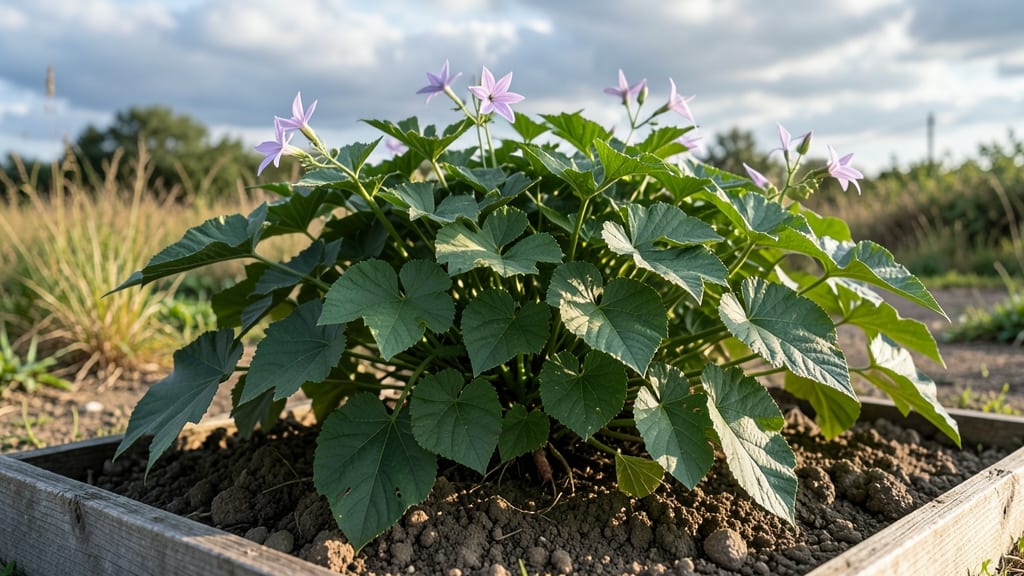
Sweet potato plants do bloom under ideal conditions, producing delicate yellow or orange flowers that resemble morning glories. These blooms appear 90-120 days after planting and signal the plant is healthy, though edible tubers develop regardless of flowering.
Sweet potato flowers aren't just pretty—they're a clear sign your plant is thriving! 🌸 These trumpet-shaped blooms typically unfold in late summer, especially when daytime temperatures stay between 75°F and 85°F with 12+ hours of sunlight.
The flowers themselves aren't edible, but they attract pollinators that can actually boost your harvest by improving tuber development. What's fascinating is how sensitive these plants are to light cycles: shorter days in fall often trigger flowering, while too much shade or nitrogen-heavy soil can delay or prevent blooms entirely.
While the flowers themselves aren't part of the edible harvest, their presence indicates the plant is putting energy into both above-ground growth and below-ground storage. This dual focus is why gardeners often see larger tubers on flowering plants—though the flowers won't make your sweet potatoes sweeter!
For best results, I recommend side-dressing with compost when flowers appear to maintain that balance between blooms and harvest.
💡 In This Article
- Sweet Potato Flower Characteristics and Growth Conditions
- Can You Eat Sweet Potato Flowers? Care Tips for Blooming Plants
Sweet potato flower characteristics and growth conditions
The flowers of sweet potato plants are delicate, trumpet-shaped blooms that typically measure about 2-3 inches long, with petals ranging from pale yellow to vibrant orange. These flowers emerge from leaf axils on long, slender stems and resemble morning glories in both shape and color intensity.
The blooms open sequentially, with each flower lasting only 1-2 days before wilting, creating a continuous display during peak flowering season. 🌸 What's particularly striking is how the flowers' color can vary based on the specific cultivar—some varieties produce near-white petals, while others develop deep copper hues.
The flowering cycle is tightly regulated by photoperiodism, meaning these plants respond to daylight length. Most sweet potato varieties require 12-14 hours of daylight to initiate flowering, which typically occurs when days begin shortening in late summer.
Temperature also plays a crucial role: optimal bloom production happens when daytime temperatures stay between 75°F and 85°F, while nights remain above 60°F. When temperatures exceed 90°F or drop below 55°F, flowering often gets delayed or completely suppressed.
This sensitivity explains why gardeners in warmer climates sometimes see earlier blooms compared to those in cooler regions.
Environmental factors like sunlight exposure and soil fertility dramatically influence bloom production. Sweet potato plants need full sun (6-8 hours daily) to develop flowers, though partial shade can still produce blooms—just fewer of them.
Soil fertility matters too: while excessive nitrogen promotes leafy growth at the expense of flowers, balanced fertilization with phosphorus and potassium encourages blooming. I've found that adding 1-2 inches of compost around the base when flowers appear helps maintain that perfect balance between above-ground blooms and below-ground tuber development. 💫
Interestingly, the presence of flowers doesn't directly correlate with tuber sweetness or size, though healthy flowering plants often produce larger yields. This is because the plant's energy gets divided between both reproductive (flowers) and vegetative (tubers) growth.
Some gardeners even remove flowers to redirect energy toward tuber production, though this isn't necessary for home gardens where aesthetic appeal matters. The key is maintaining consistent moisture—letting the soil dry completely between waterings can stress the plant and reduce both flowering and tuber quality.
One fascinating aspect of sweet potato flowers is their role in pollinator ecosystems. The trumpet shape and vibrant colors attract bees and hummingbirds, which can indirectly benefit your harvest by improving cross-pollination of nearby plants.
In commercial settings, some growers even plant sweet potatoes near other crops to boost pollination rates. The flowers' fragrance, though subtle, adds another sensory layer to the gardening experience—especially in late summer when their sweet, almost honey-like aroma fills the air. 🌿