
Companion Plants
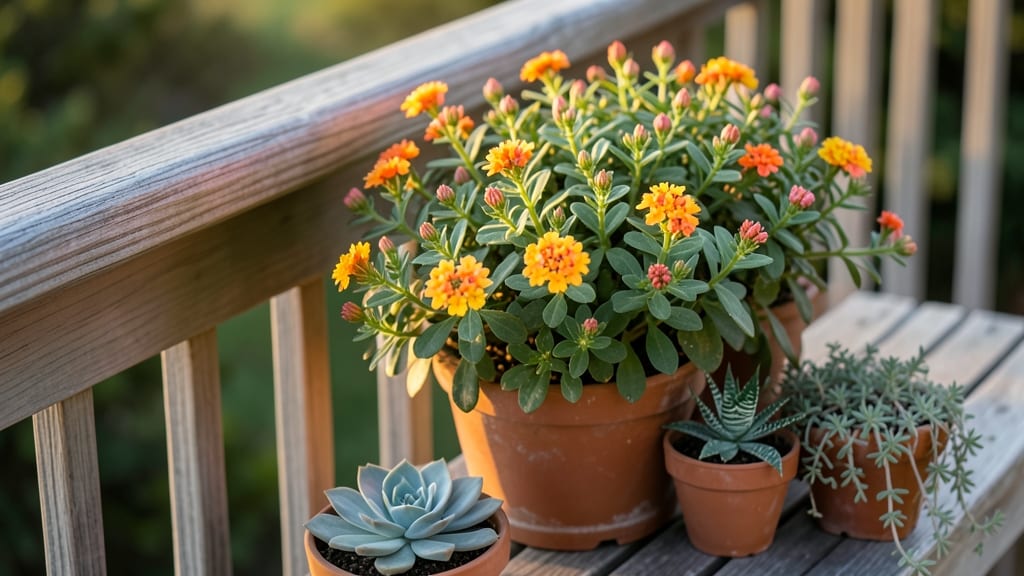
Deck rail plants transform bare metal into lush, living privacy screens that need almost no upkeep. 🌿 I learned the hard way that choosing the wrong plants means wrestling with overgrowth or sad, leggy vines—but the right selection turns your deck into a cozy retreat without the maintenance headache.
Look for plants that thrive in narrow spaces, handle wind, and stay compact. Trailing ivy, dwarf boxwood, and creeping jenny are foolproof picks that cascade beautifully over rails while staying manageable.
Most need just 6-12 inches of space behind the railing and 3-4 hours of sun—no fancy soil or fertilizing required.
By late summer, you’ll have a dense, green curtain that softens the view of neighbors or the street below. The best part? These plants stay vibrant through winter, so your deck never loses its charm—just a little seasonal color shift from green to frosty hues.
Works for any deck material, from wood to metal, and scales from small balconies to sprawling backyards. The key is starting with the right plants—here’s how to pick the perfect ones for your space and climate.
📚 In This Guide
- What you need
- Instructions
- Tips and common mistakes
- Wrapping up and next steps
What you need
- ● Deck Rail Plants: 10–20 Lonicera sempervirens (Coral Honeysuckle) or Jasminum officinale (Jasmine) vines (depending on rail length).
- ○ 5–10 Pittosporum tobira (Japanese Pittosporum) or Ilex crenata (Boxwood) shrubs for structure (optional for fuller coverage).
- ● Soil & Amendments: 5–10 gallons of well-draining potting mix (or garden soil amended with compost).
- ● 1–2 bags of slow-release fertilizer (10-10-10 or organic option).
- ● 1–2 cups of perlite or sand (to improve drainage for container plants).
- ● Tools & Hardware: 1 hand trowel or spade (for planting).
- ● 1 pruning shears (for trimming and shaping).
- ● 1 measuring tape (to space plants evenly).
- ● 1 garden hose or watering can (with a fine spray nozzle).
- ● 1–2 plant ties or soft garden twine (to secure vines initially).
- ○ Optional: 1 container or planter (if not planting directly into the ground).
- ● 1 mulch (to retain moisture and suppress weeds).
- ● 1 drip irrigation kit (for automated watering).
- ● Prerequisites: Access to full sun to partial shade (6+ hours of sunlight for vines like honeysuckle).
- ● A stable deck rail (capable of supporting plant weight; avoid thin or brittle materials).
- ● Basic knowledge of plant spacing (check tags for specific needs—typically 12–24 inches apart).
How to select and plant deck rail plants for privacy
Here's the straightforward approach I've used to create lush, low-maintenance privacy screens along decks.
🌱 Step 1: Choose the Right Plants for Your Climate
Start by selecting plants that thrive in your USDA hardiness zone. Evergreen shrubs like boxwood, holly, or dwarf arborvitae provide year-round coverage, while deciduous options like hydrangeas or potentilla add seasonal interest. I always check the mature height—aim for 3-6 feet tall to match most deck railings without overpowering the space.
For full sun areas, opt for drought-tolerant varieties like Dwarf Fountain Boxwood or Emerald Green Arborvitae. In shadier spots, try Inkberry Holly or Dwarf Gardenia. The key is matching light exposure to the plant's natural habitat—this prevents leggy growth and ensures dense foliage.
🪴 Step 2: Prepare the Planting Area
Clear the deck railing area of any debris or weeds using the hand trowel. Dig holes that are twice as wide as the plant's root ball but only as deep—planting too deep suffocates roots. I space plants 3-5 feet apart depending on their mature width, which gives them room to fill in without competition.
Loosen the soil at the bottom of each hole with the trowel to encourage root spread. Mix the 2 cubic yards of topsoil with 1 bag of slow-release fertilizer to give plants a nutrient boost right away. This prevents transplant shock and promotes faster establishment.
💧 Step 3: Plant and Water Thoroughly
Remove each plant from its container and gently tease apart the roots if they're circling. Place the plant in the hole so the top of the root ball sits 1 inch below soil level—this helps prevent moisture loss. Fill the hole with the amended soil, pressing lightly to remove air pockets.
Water each plant deeply until the top 6 inches of soil feels moist. Use the garden hose with adjustable nozzle to apply water slowly at the base. Avoid wetting the foliage, as this can encourage fungal diseases. Mulch around the base with 2 bags of shredded bark mulch to retain moisture and suppress weeds.
☀️ Step 4: Provide Ongoing Care for Establishment
Water newly planted deck rail plants every 2-3 days until they're established, which typically takes 6-8 weeks. Check soil moisture by sticking your finger 1 inch deep—if it feels dry, it's time to water. Once established, most deck rail plants only need 1 inch of water per week, especially drought-tolerant varieties.
Fertilize in early spring with the remaining ½ bag of slow-release fertilizer to support new growth. Prune lightly in late winter to shape plants, but avoid heavy pruning—this can stimulate unwanted growth that disrupts the privacy screen. I always use the bypass pruners for clean cuts and disinfect them with rubbing alcohol between cuts to prevent disease spread.
⏰ Step 5: Monitor and Maintain Year-Round
Inspect plants monthly for pests like spider mites or aphids, which thrive in sheltered deck areas. Treat infestations early with a hose spray or insecticidal soap to avoid damage. In winter, evergreens may need extra protection from drying winds—apply a thin layer of mulch around the base to retain moisture.
Watch for signs of overcrowding as plants mature. If gaps form, consider adding a few more plants or allowing some to fill in naturally. With minimal pruning needs, these plants will create a beautiful, low-maintenance privacy screen that enhances your outdoor space year after year.
Tips & tricks for perfect deck rail plant privacy screens
Between us, creating a lush privacy screen along your deck doesn't have to be complicated—just strategic. Here are the key insights I've learned after years of perfecting my own deck rail plantings.
Climate Matching is Everything: I can't stress enough how important it is to match plants to your microclimate. In Step 1, when selecting your 3-6 feet tall evergreens or deciduous options, pay attention to your deck's specific light conditions. A Dwarf Fountain Boxwood might thrive in your sunny spot while struggling in shade, where an Inkberry Holly would excel. Take note of how sunlight moves across your deck at different times of day—this will determine which plants will grow densely rather than stretch out leggy.
Root Ball Prep Makes All the Difference: In Step 2, when you're preparing those holes twice as wide as the root ball, don't skip the soil loosening at the bottom. I've seen too many plants struggle because the roots couldn't spread properly. Use your hand trowel to create a loose, almost spongy layer at the bottom of each hole—this gives roots room to establish quickly. Pro tip: If your soil is particularly compacted, mix in some of that 2 cubic yards of topsoil with a little sand to improve drainage.
Watering Wisdom for New Plants: The every 2-3 days watering schedule in Step 4 is crucial during those first 6-8 weeks of establishment. Here's what I do: I water deeply until that top 6 inches of soil feels moist, then I check again the next morning. If the top inch still feels damp, wait another day. This prevents overwatering while ensuring roots get properly hydrated. And remember—water at the base, not the leaves, to avoid fungal issues that can plague sheltered deck areas.
Pruning Strategy for Long-Term Success: When it comes to pruning in Step 4, think of it as sculpting rather than cutting back. Light pruning in late winter helps maintain shape without stimulating excessive new growth that could disrupt your privacy screen. I always clean my bypass pruners with rubbing alcohol between cuts—this simple step prevents disease spread that can weaken your plants. For evergreens, a very light trim in early spring keeps them looking their best without sacrificing density.
Pro Tips for Deck Rail Plants
- Between us, creating a lush privacy screen along your deck doesn't have to be complicated—just strategic.
- Climate Matching is Everything: I can't stress enough how important it is to match plants to your microclimate.
- Root Ball Prep Makes All the Difference: In Step 2, when you're preparing those holes twice as wide as the root ball, don't skip the soil loosening at the bottom.
Frequently asked questions
Got questions about deck rail plants?
You’re not alone! Here are some of the most common queries—plus quick, actionable answers to help you get started with confidence.
What are the best deck rail plants for low-maintenance privacy?
For minimal pruning and year-round coverage, opt for Bamboo (e.g., Fargesia), Boxwood, or Holly (Ilex). These stay dense, grow tall, and require trimming only 1–2 times per year. Ligustrum is another top pick—it’s fast-growing and handles pruning like a champ!
How long does it take for deck rail plants to provide full privacy?
Most deck rail plants reach 6–10 feet tall in 3–5 years, depending on the species. Faster growers like Bamboo or Ligustrum can hit privacy height in as little as 2–3 years with proper care. Patience pays off—just mulch well and water consistently!
Can I use deck rail plants as a temporary solution while waiting for a fence?
Bamboo, Arborvitae, or Privet grow quickly and can fill gaps in 1–2 years. Just space them 3–5 feet apart for a seamless look. Pro tip: Use temporary lattice or trellis while they establish to speed up the process!
What’s the best way to prevent deck rail plants from overcrowding or spreading?
Install a root barrier (HDPE plastic, 2–3 feet deep) for invasive types like Bamboo. For clumping plants (e.g., Boxwood), prune annually to shape and thin out. Monitor soil moisture—overwatering can encourage sprawl. Mulch with wood chips to suppress weeds and regulate growth.
Are there non-woody alternatives for deck rail plants?
Yes! Try Evergreen Ferns (e.g., Dryopteris) or Ornamental Grasses (e.g., Pennisetum) for soft, textured privacy. While they won’t block views completely, they add height, movement, and zero pruning. Pair them with taller shrubs for a layered effect!
Wrapping up and next steps
Deck rail plants are the perfect solution for adding lush, year-round privacy to your outdoor space with minimal effort.
Whether you choose evergreen shrubs, climbing vines, or fast-growing grasses, these low-maintenance options bring beauty, texture, and a touch of nature to your deck—without the hassle of constant pruning. 🌿
Ready to transform your deck? Start by assessing your space, selecting a few plants that suit your climate and style, and planting with confidence. Before you know it, you’ll have a serene, private oasis that feels like a retreat—no green thumb required!