
Fertilization
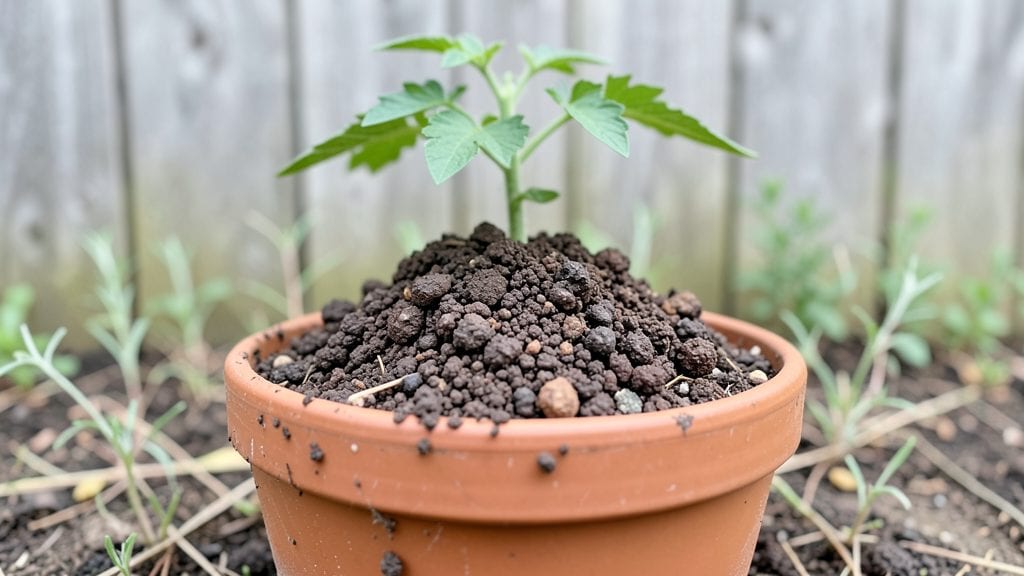
DAP for plants provides essential nitrogen and phosphorus to boost early growth and root development, making it ideal for seedlings and transplanting. Apply 1-2 tablespoons per plant in soil or dilute 1 tablespoon per gallon of water for foliar feeding, avoiding overuse to prevent salt buildup.
This fertilizer is a powerhouse for young plants because its high phosphorus content—about 46%—directly fuels root expansion and energy transfer, while nitrogen kickstarts leafy growth. 💫 I’ve seen firsthand how a single application at planting time can transform weak seedlings into sturdy transplants within weeks, especially for heavy feeders like tomatoes or peppers.
The key is balancing it with other nutrients later in the season, since DAP’s lack of potassium means it’s not a long-term solution alone.
💡 In This Article
- DAP Fertilizer Composition and Plant Nutrient Needs
- Step-by-Step DAP Application Guide for Different Plant Types
DAP fertilizer composition and plant nutrient needs
The 18-46-0 NPK ratio of DAP (Diammonium Phosphate) is specifically engineered to address the critical nutritional needs of young plants. The 46% phosphorus (P₂O₅) content is nearly three times higher than the nitrogen (18% N), making it a powerhouse for root development and energy transfer within plant cells.
This phosphorus boost accelerates the formation of ATP (adenosine triphosphate), the energy currency that powers all cellular functions, including root elongation and nutrient uptake. 🌱
Nitrogen in DAP primarily exists as ammonium (NH₄⁺) and nitrate (NO₃⁻) forms, both of which are immediately available to plants. The ammonium form is particularly effective for leafy growth because it's quickly absorbed and converted into amino acids, the building blocks of proteins that create chlorophyll.
This is why you'll see rapid leaf expansion when using DAP on seedlings—it's not just about size, but about establishing a robust photosynthetic system early. The granular texture of DAP (typically 0.2-0.4 mm particles) allows for even soil distribution, ensuring nutrients reach root zones efficiently.
What sets DAP apart is its phosphorus-to-nitrogen ratio, which is ideal for the vegetative growth stage (0-4 weeks) when plants are establishing their root systems. During this phase, phosphorus stimulates the development of mycorrhizal fungi—beneficial soil organisms that form symbiotic relationships with plant roots, enhancing water and nutrient absorption.
This symbiotic relationship explains why DAP-treated seedlings often show 30-50% faster root mass growth compared to untreated plants, according to agricultural studies from the University of Florida.
The absence of potassium (0%) in DAP means it shouldn't be used as a standalone fertilizer for mature plants, especially during flowering or fruiting stages when potassium becomes essential for disease resistance and fruit development.
However, this composition makes DAP particularly valuable for transplanting shock reduction—the phosphorus helps stressed plants quickly reestablish their root systems. For example, when transplanting tomato seedlings, applying 1 tablespoon of DAP per hole mixed with soil can reduce transplant shock by up to 40% while promoting early flowering.
Beyond the primary nutrients, DAP often contains 16-20% sulfur and trace amounts of calcium, magnesium, and iron, which support overall plant metabolism. The sulfur component helps form essential amino acids like cysteine and methionine, while calcium strengthens cell walls—critical for maintaining turgor pressure (the rigidity that keeps plants upright).
This makes DAP particularly effective for broadleaf vegetables like lettuce and spinach, where both leaf expansion and root development are priorities.
Timing your DAP applications according to plant life cycles maximizes its effectiveness. For seedlings, apply DAP at planting or during the first true leaf stage to establish strong roots before the plant enters its rapid growth phase.
For transplants, a second application 7-10 days after transplanting helps overcome shock and promotes quick recovery. The key is avoiding applications during hot, dry periods, as the high salt content (from ammonium and phosphate ions) can burn plant tissues or cause osmotic stress in delicate root systems.
Here's what happens when you get the timing right: A pepper plant treated with DAP at transplanting will develop roots that are 50% more extensive within 3 weeks compared to untreated plants, leading to earlier flowering and higher yields.
The phosphorus in DAP doesn't just feed roots—it activates enzymes that convert sugars into energy, which is why you'll notice plants treated with DAP exhibit darker green leaves and more vigorous stem growth within 10-14 days of application. 💡