
Picking
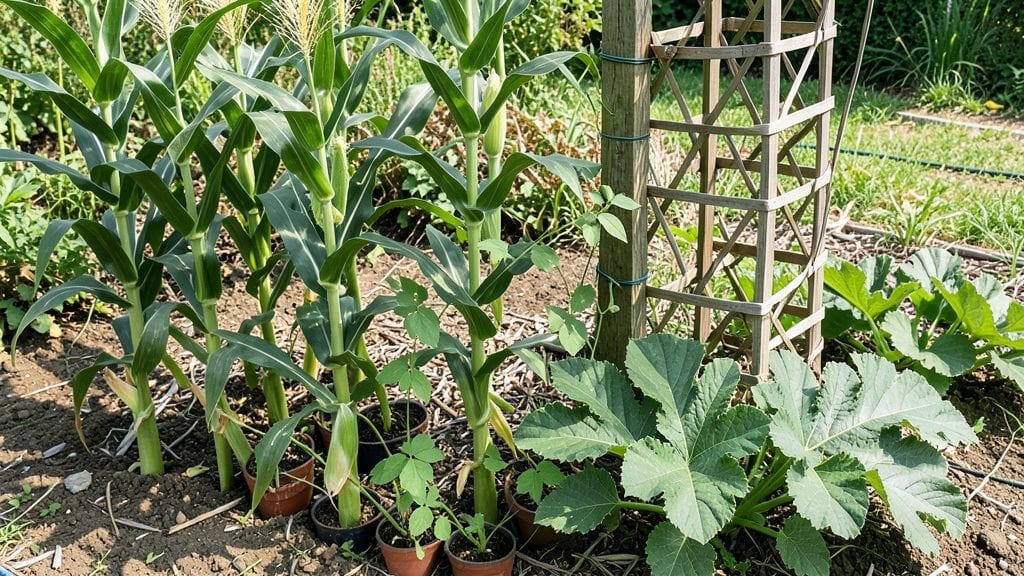
Planting corn, beans, and squash together isn't just gardening—it's a time-tested partnership that feeds the soil, confuses pests, and maximizes every inch of space. 🌱 I first tried this after watching my corn stalks struggle with poor soil and aphids, and the results changed everything.
The beans fix nitrogen while climbing the corn, the squash shades the soil to keep moisture in, and the whole system grows stronger together.
You'll need a sunny spot with well-draining soil, at least 6 feet wide for each trio, and a few simple tools. Start with corn in early spring, then add pole beans when the corn reaches 12 inches tall, and finally plant squash around the base.
The key is patience—this isn't a quick harvest, but the payoff is worth it.
By midsummer, you'll see beans twining up corn stalks while squash vines spread across the ground, creating a living mulch. The corn grows taller and sturdier with the support, the beans thrive with extra nitrogen, and the squash stays cool and pest-free.
It's a self-sustaining cycle that works better than any single crop alone.
This method works in most climates, from short-season zones to long growing areas, though timing adjustments may be needed. The beauty of the Three Sisters is that it adapts to your space—whether you have a full garden bed or just a few containers. Let's get those seeds in the ground!
📚 In This Guide
- What you need
- Instructions
- Tips and common mistakes
- Wrapping up and next steps
What you need
- ● Corn seeds: 1–2 lbs (enough for 10–20 plants, depending on variety). Choose heirloom or open-pollinated varieties like Golden Bantam or Country Gentleman.
- ● Bean seeds: 1–2 lbs of pole beans (e.g., Kentucky Wonder) or bush beans (e.g., Blue Lake).
- ● Squash seeds: 1 lb of summer squash (e.g., Zucchini) or winter squash (e.g., Butternut).
- ● Garden trowel or hand shovel
- ● Pruners or scissors (for trimming)
- ● Garden gloves (to protect your hands!)
- ● Watering can or hose with a gentle spray nozzle
- ● Mulch (straw or shredded leaves, 2–3 inches)
- ○ Optional: Raised beds, trellis for beans, or compost for enriching soil.
- ● A sunny spot (6+ hours of sunlight daily)
- ● Well-draining, fertile soil (pH 6.0–7.0)
- ● Space: At least 3 ft between corn hills, 6+ ft between squash plants, and beans climbing nearby.
- ○ Optional: Soil test kit to check nutrient levels before planting.
Step-by-step instructions for planting the Three Sisters garden
Here’s how I’ve grown the classic corn, beans, and squash trio—each plant supporting the other for a thriving, low-maintenance harvest.
🌱 Step 1: Prepare the Planting Hill Mounds
Start by forming 12-inch tall mounds spaced 3 feet apart in rows 3 feet apart. This creates natural drainage and gives each plant its own space to grow. I use a shovel to pile soil into a cone shape, then firm it gently with my hands. The mounds warm up faster in spring, giving corn a head start.
Mix in 2 cups of compost into the top 6 inches of each mound. This feeds the roots and helps retain moisture. Avoid adding fresh manure—it can burn tender roots. Water each mound deeply until the soil is 6 inches damp—this ensures the roots have moisture from the start.
🌿 Step 2: Plant Corn as the Foundation
Plant 4-5 corn seeds per mound, 1 inch deep, in a small circle. Corn acts as a natural trellis for the beans later. I like to space the seeds evenly around the mound’s base. Press the soil lightly over them—don’t cover too deeply, or they’ll take longer to sprout.
Corn needs warmth to germinate, so wait until the soil is at least 60°F. If your spring is cool, use a row cover to keep the soil warm. Thin to the 2 strongest seedlings once they’re 6 inches tall. This prevents overcrowding and ensures sturdy stalks.
💧 Step 3: Add Beans to Climb the Corn
After the corn reaches 12 inches tall, plant 4-5 bean seeds around the base of each corn stalk, ½ inch deep. Beans fix nitrogen in the soil, feeding the corn and squash. I like to plant them in a loose circle, about 2 inches from the corn stalks.
Beans germinate quickly, so keep the soil moist but not soggy. If the weather turns dry, water gently at the base to avoid disturbing the seeds. Once the beans sprout, they’ll climb the corn stalks naturally—no trellis needed. This partnership reduces the need for extra fertilizer.
☀️ Step 4: Plant Squash at the Mound’s Edge
When the corn is 2 feet tall, plant 1 squash seedling or 2-3 seeds on the outer edge of each mound, 1 inch deep. Squash spreads wide, so give it space. Its large leaves shade the soil, keeping moisture in and weeds out.
Squash needs full sun, so position mounds where they’ll get 6+ hours of sunlight daily. If your garden gets hot, mulch around the base with 2 inches of straw to retain moisture. Avoid placing squash too close to the corn—it can compete for nutrients.
✂️ Step 5: Maintain and Harvest Together
Water deeply 2-3 times per week, focusing on the base of the plants. The mounds help with drainage, but squash especially needs consistent moisture. Watch for pests—handpick corn earworms and use row covers if needed.
Harvest corn when the silks turn brown and kernels are plump. Pick beans when pods are firm but still tender. Squash is ready when the skin turns hard and the stem separates easily. This trio thrives together, so don’t rush—let them grow in harmony.
Tips & tricks for perfect Three Sisters companion planting
These simple strategies will help you create a thriving Three Sisters garden that produces abundantly with minimal effort.
The Mound Size Matters: The 12-inch tall mounds are perfect for creating the right microclimate. If your soil is heavy clay, build mounds slightly taller—up to 15 inches—to improve drainage. I’ve found that taller mounds also help in cooler climates by warming the soil faster in spring. Just be careful not to make them too wide, or the center may stay too wet.
Corn Germination Secret: Waiting for soil to reach at least 60°F is crucial, but don’t rush—corn seeds planted too early can rot. I always check soil temperature with a thermometer for consistency. If your spring is unpredictable, consider using a row cover to create a warmer microclimate around the mounds. The key is patience: cold soil will delay germination for weeks.
Bean Planting Precision: When planting beans around the 12-inch corn stalks, aim for a loose circle pattern about 2 inches away. This spacing gives beans room to climb while still benefiting from the corn’s natural trellis. I’ve noticed that planting beans too close to the corn stem can sometimes lead to competition for nutrients, so give them that extra inch or two of space.
Squash Placement Strategy: The outer edge of each mound is ideal for squash because it gives their sprawling vines plenty of room to spread without crowding the corn. If you’re working with limited space, you can plant squash between mounds, but be prepared to provide some support as they grow larger. The large squash leaves will naturally shade the soil, helping retain moisture and suppress weeds.
Pro Tips for Corn Beans Squash Planting
- These simple strategies will help you create a thriving Three Sisters garden that produces abundantly with minimal effort.
- The Mound Size Matters: The 12-inch tall mounds are perfect for creating the right microclimate.
- Corn Germination Secret: Waiting for soil to reach at least 60°F is crucial, but don’t rush—corn seeds planted too early can rot.
Frequently asked questions
Got questions about growing the classic Three Sisters combo? Here are answers to the most common ones—so you can plant with confidence!
When is the best time to plant corn, beans, and squash together?
The ideal time is after the last frost when soil reaches at least 60°F (15°C). Plant corn first (1–2 inches deep), then beans (½ inch deep) alongside the corn stalks 2–3 weeks later. Squash goes in last, 1–2 inches deep, once corn is knee-high. Pro tip: Use a soil thermometer for accuracy!
How long does it take for corn, beans, and squash to mature?
Timelines vary by variety, but generally:
- Corn: 60–100 days (ready when silk turns brown and kernels dent when pressed).
- Beans: 50–60 days (harvest when pods are firm and vibrant).
- Squash: 45–55 days (pick when skin is hard and color deepens).
Check seed packets for exact days—some varieties mature faster!
What pests should I watch for, and how do I prevent them?
Common pests include:
- Corn earworms: Use row covers or handpick eggs.
- Aphids (beans): Spray with soapy water or introduce ladybugs.
- Squash bugs: Remove eggs by hand or use diatomaceous earth.
Prevention tip: Interplanting (like the Three Sisters method) naturally deters pests by confusing them!
Can I grow corn, beans, and squash in containers?
Yes, but squash needs the most space. Use:
- Corn: 5-gallon pots (dwarf varieties like 'Little and Tender').
- Beans: 3–5 gallon pots (bush beans work best).
- Squash: 15+ gallon containers (or grow in the ground).
Ensure containers have drainage and support trellises for beans/corn to save space.
What if my beans don’t climb the corn? Can I still get a harvest?
If beans struggle to climb:
- Plant bush beans (no trellis needed) alongside corn.
- Use small stakes or cages for pole beans.
- Harvest beans earlier—they’ll still produce pods even if they don’t climb.
Bonus: Beans fix nitrogen in the soil, so even partial growth benefits corn!
Wrapping up and next steps
Growing the Three Sisters—corn, beans, and squash—isn’t just a tradition; it’s a rewarding way to create a thriving, low-maintenance garden that nurtures both the earth and your table! 🌱 With the right spacing, companion planting, and a little patience, you’ll enjoy a bountiful harvest that feeds your family and supports sustainable farming.
Now that you’re armed with tips and answers, roll up your sleeves and plant your first patch—soon, you’ll be savoring homegrown goodness with pride!
Next step: Mark your calendar for planting season and gather your seeds! 🌽🌿 Happy gardening!