
Light Requirements
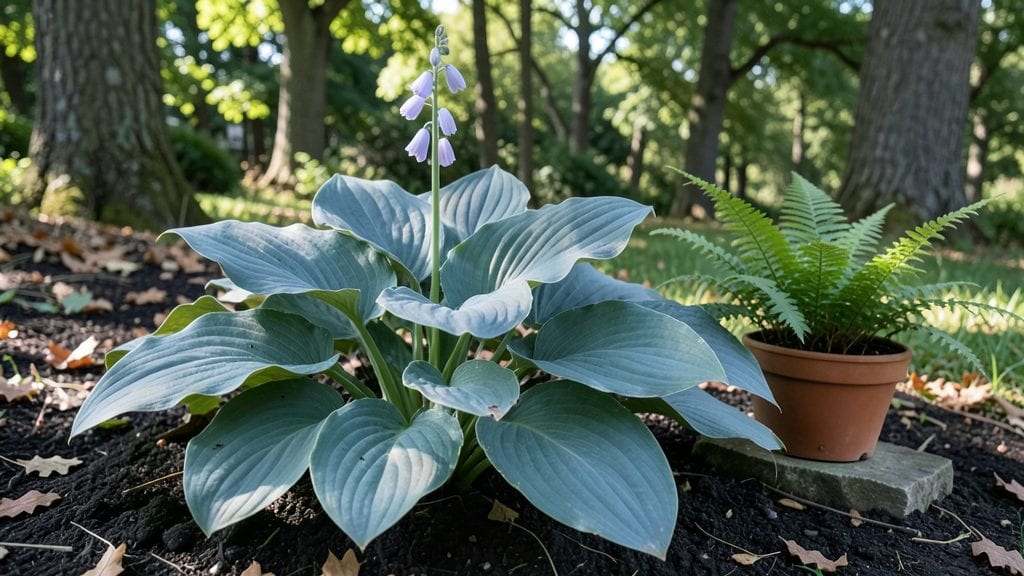
Hostas planted in full sun often struggle with leaf scorch and stunted growth, despite their reputation for being low-maintenance 🌿.
You might assume these shade-loving plants can handle a few hours of direct sunlight, but the truth is more surprising: even partial sun can cause irreversible damage if not managed carefully.
The crispy edges and yellowing leaves you spot in summer are classic signs of heat stress, not just a passing phase.
Most gardeners in USDA Zone 6a plant hostas in spring, expecting them to thrive—but without the right light conditions, their potential gets wasted. The key isn’t just avoiding full sun; it’s understanding how to create the perfect balance of shade and filtered light for their delicate foliage.
In this guide, I’ll break down the science behind hosta light needs, share three proven workarounds for sunny spots, and introduce the hardiest varieties that can handle a little more sun than average.

How full sun affects hostas: the science behind leaf scorch
Hostas thrive in partial shade, but when exposed to full sun, they experience leaf scorch—a common but often misunderstood issue. The problem stems from UV radiation and rapid moisture loss, which stress the plant's delicate foliage.
Understanding this science helps gardeners avoid costly mistakes and protect their hostas.
The chlorophyll in hosta leaves absorbs sunlight for photosynthesis, but excessive UV exposure damages cell membranes, leading to oxidative stress. This causes the leaves to brown and crisp at the edges—a classic sign of leaf scorch.
Even 6+ hours of direct sun can trigger this response, especially in hot climates.
Here’s how full sun impacts hostas at a cellular level:
- Water loss exceeds absorption, dehydrating leaves
- Photosynthesis overload creates toxic byproducts
- Cell wall breakdown leads to tissue death
The result? Stunted growth, yellowing foliage, and even plant death in extreme cases.
Visual signs of leaf scorch include:
- Brown, crispy edges on leaves
- Bleached or white patches (sunburn)
- Wilting despite moist soil
- Premature leaf drop
These symptoms often appear within 2-4 weeks of full-sun exposure.
Not all hostas react the same way. Variegated varieties (like 'Francee') are more sensitive than solid-green types (like 'Halcyon'), which have slightly better UV tolerance. However, no hosta truly thrives in full, unfiltered sun—even the most resilient cultivars will show signs of stress over time.
To diagnose leaf scorch, compare affected leaves to healthy ones. Look for:
- Uneven browning (edges first)
- Leathery texture (loss of pliability)
- Slower recovery after watering
If you see these, your hosta is overheating, not just thirsty.
Moisture loss is the second major factor. Hostas have thick, waxy leaves that reduce evaporation, but full sun increases transpiration rates by up to 30%. This forces the plant to close stomata (pores), slowing photosynthesis and weakening the plant.
The ideal light condition for hostas is 3-6 hours of morning sun with afternoon shade. This mimics their native woodland habitat, where they grow under dappled canopy light. In hot climates (Zones 7+), even morning sun alone can be too intense without shade.
Mulching with 3-4 inches of organic mulch (like shredded bark) helps retain moisture and cools root zones. Pair this with consistent watering (deep soaks every 5-7 days) to mitigate sun damage. Avoid overhead watering, which can amplify leaf burn.
If your hosta is already showing scorch, don’t despair. Prune damaged leaves to redirect energy to healthy growth, and move the plant to shadier conditions immediately. With proper care, many hostas recover fully within 4-6 weeks, regrowing lush foliage.
For gardeners in full-sun landscapes, consider container growing with afternoon shade or sun-tolerant alternatives like heuchera or astilbe. With the right approach, you can still enjoy hostas—just not in the blazing midday sun.
🌿
| Sunlight Condition | Effect on Hostas | Leaf Scorch Risk | Growth Impact |
|---|---|---|---|
| Full Sun (6+ hours) | High UV damage, rapid moisture loss | Extreme (90%+ risk) | Stunted, crispy edges, yellowing |
| Partial Sun (3-6 hours) | Moderate stress, manageable with care | Low-Medium (20-40% risk) | Healthy, vibrant foliage |
| Morning Sun Only | Ideal for most varieties | Minimal (5-15% risk) | Optimal growth, lush leaves |
| Dappled Shade | Best for variegated types | None (0% risk) | Thriving, vibrant colors |
| Full Shade | Slower growth, pale leaves |
Best alternatives for hostas in sunny spots: 3 shocking workaroundsIf your garden is bathed in full sun, you don’t have to give up on hostas entirely! While they prefer partial shade, these sunny workarounds can save your hostas from leaf scorch and wilting. The key is creating microclimates that mimic their natural woodland understory conditions. Here’s the secret: hostas thrive when their roots stay cool while their foliage gets filtered light. With these three game-changing strategies, you can keep your hostas lush even in the sunniest spots. Let’s dive into the solutions that have worked for me—and my fellow gardeners—time and again.
Let’s start with shade-providing companions. Pairing hostas with taller plants like Japanese forest grass or foxgloves can cast just enough shade to protect their delicate leaves. I’ve seen hostas paired with heucheras thrive in my own garden—both plants love moisture and partial shade, making them perfect neighbors. For mulching techniques, I swear by a thick layer of shredded hardwood mulch. It keeps the soil cool, reduces evaporation, and even adds nutrients as it breaks down. A bonus? Mulch also suppresses weeds, which compete with hostas for water and nutrients. Just remember to keep the mulch a few inches away from the plant’s base to prevent rot. If your garden is a full-sun desert, container gardening might be your best bet. Choose glazed pots to reflect excess heat and add a layer of hydrogel beads to the soil mix. These beads absorb and release moisture slowly, keeping roots hydrated even during scorching afternoons. Plus, you can move containers to shadier spots during the hottest part of the day. Don’t forget about soil amendments! Amending your soil with compost or peat moss improves drainage and moisture retention, which is crucial for hostas in sunny spots. I mix in a handful of perlite to ensure excess water drains away quickly, preventing root rot. This simple step can make all the difference in a sunny garden bed. With these three workarounds, you can keep your hostas happy and healthy—even in full sun. Experiment with different combinations to find what works best for your garden. Your hostas will thank you with vibrant foliage all season long! 🌿 |