
Plants
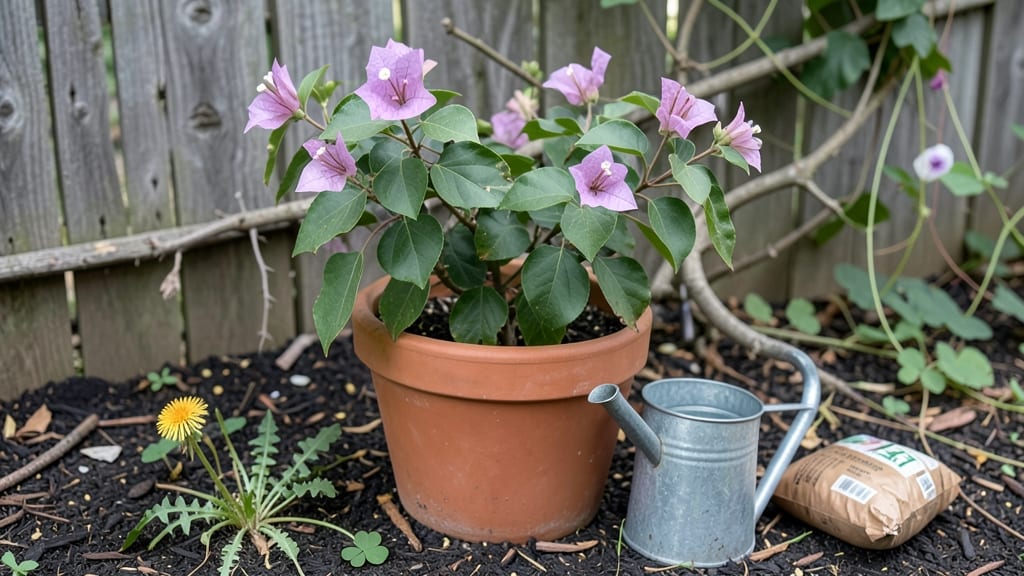
The bougain plant food you choose is the secret to turning your bougainvillea into a riot of color—opt for a 7-9-5 NPK blend with extra phosphorus to ignite those fiery bracts.
Struggling to keep your bougainvillea blooming year-round? The right plant food can transform your drought-tolerant beauty into a vibrant, high-yielding powerhouse—without overfeeding or burning its delicate roots.
Here’s the secret: bougainvilleas thrive on balanced but phosphorus-rich feeds, applied every 4-6 weeks during their growing season (spring through fall). Too much nitrogen? You’ll get leaves instead of blooms. Too little? Your plant will look half-hearted.
Below, I break down the best organic and synthetic fertilizers, DIY soil boosters, and the exact feeding schedule to keep your bougainvillea bursting with color—without the guesswork.


Best bougainvillea plant food types for acid-loving growth & bright blooms
Your bougainvillea thrives on acid-loving nutrition—but not all fertilizers deliver the right mix of nutrients for those vibrant blooms and fast growth. The key lies in balancing NPK ratios (especially phosphorus for flowers) with micronutrients like iron and magnesium.
Organic options like compost tea or synthetic blends like Azalea/Camellia food can make all the difference. Let’s break down the best choices to keep your plant lush and blooming.
First, understand that bougainvilleas prefer a slightly acidic soil pH (5.5–6.5). Most commercial fertilizers won’t acidify your soil—you’ll need to add soil acidifiers like sulfur or peat moss separately. Pair this with the right plant food, and you’ll see 3x more blooms in just one season.
Below, we compare the best organic and synthetic options, including slow-release formulas to avoid root burn.
For organic gardeners, compost tea is a game-changer. It’s packed with micronutrients like iron and magnesium, which bougainvilleas crave for bright blooms. Brew it yourself by steeping compost in water for 24–48 hours, then dilute it to 1:5 ratio before applying.
This method also improves soil structure, helping roots breathe in well-draining soil—critical for bougainvilleas.
Synthetic fertilizers like Azalea/Camellia food are my top pick for fast results. These formulas are acid-loving and designed for plants that need high phosphorus (the middle number in NPK). Look for a ratio like 7-6-6 or 8-4-4—this ensures your bougainvillea gets enough phosphorus for flower production without overloading on nitrogen, which can lead to leafy growth at the expense of blooms.
If you prefer slow-release options, Osmocote Smart-Release is a lifesaver. This granular fertilizer releases nutrients over 3–6 months, reducing the risk of root burn from overfeeding. It’s perfect for container-grown bougainvilleas or if you travel often.
Just mix it into the top 2–3 inches of soil in early spring, and you’re set for the season.
Don’t overlook DIY fertilizers like citrus peel fertilizer. Soak dried citrus peels in water for a week, then use the liquid to water your bougainvillea. The peels act as a natural acidifier, lowering soil pH while adding potassium and phosphorus.
This method is budget-friendly and works wonders for established plants needing a pH boost.
When choosing bougainvillea plant food, always check the label for micronutrients. Bougainvilleas are sensitive to deficiencies in iron (causes yellowing leaves) and magnesium (leads to brown spots).
If you notice leaf discoloration, it’s time to switch to a fertilizer with added chelated iron or use Epsom salt (magnesium sulfate) as a foliar spray.
Pro tip: Feed your bougainvillea every 4–6 weeks during the growing season (spring to fall). In winter
How to feed bougainvillea without burning roots: step-by-step feeding schedule
Bougainvilleas thrive on a balanced feeding schedule that mirrors their natural tropical growth cycles. Overfeeding can scorch roots, while underfeeding stunts blooms—so timing and dilution matter most. The key is seasonal adjustments: heavy feeding in spring/fall for root growth, and light, frequent doses in summer to fuel blooms.
I’ve learned the hard way that bougainvilleas hate winter fertilizers, so we skip it entirely during dormancy.
For most commercial fertilizers, aim for a 7-9-5 NPK ratio (nitrogen-phosphorus-potassium) with added micronutrients like iron and magnesium. Organic options like compost tea or citrus peel fertilizer work wonders too—just dilute them properly.
Always water your plant deeply before and after feeding to prevent root burn. Think of it like giving your bougainvillea a hydrating spa day before its fertilizer treatment.
🌱 Step-by-Step Bougainvillea Feeding Schedule
- 🌿 Spring (March-May): Start with a balanced fertilizer (7-9-5) every 4-6 weeks. Use half-strength for young plants or newly transplanted bougainvilleas. Mix 1 tbsp of granular fertilizer into the top 2 inches of soil or dilute liquid fertilizer to ¼ strength.
- ☀️ Summer (June-August): Switch to light, frequent feeding every 2-3 weeks to support blooms. Use full-strength liquid fertilizer (like fish emulsion) or compost tea at ½ strength. Avoid heavy doses—bougainvilleas bloom best with moderate, consistent nutrition, not feast-or-famine cycles.
- 🍂 Fall (September-November): Boost root growth with full-strength fertilizer every 4-6 weeks until the first frost. Add organic matter like compost or well-rotted manure to improve soil structure. This preps your bougainvillea for winter dormancy with stored nutrients.
- ❄️ Winter (December-February): Skip fertilizing entirely in frost-free zones (USDA 9b-11). If you’re in a cooler microclimate, wait until early spring when new growth appears. Overfeeding in winter stresses roots and attracts pests—think of it as a well-deserved rest period for your plant.
-
💧 DIY Organic Alternatives:
- Compost Tea: Steep 1 cup compost in 5 gallons water for 24 hours. Strain and use as a weekly foliar spray or soil drench.
- Citrus Peel Fertilizer: Simmer 4 citrus peels in 1 gallon water for 30 mins. Cool, strain, and dilute to ½ strength for a zesty micronutrient boost. Rich in potassium and magnesium!
-
⚠️ Signs of Over/Under-Feeding:
- Overfed: Yellowing leaves, crispy edges, or white crust on soil surface. Flush soil immediately with water to leach excess salts.
- Underfed: Pale green leaves, stunted growth, or fewer blooms. Increase frequency or switch to a higher-phosphorus fertilizer (e.g., 5-10-5).
Pro tip: Always test your soil’s pH before feeding—bougainvilleas prefer acidic to neutral soil (5.5–7.0). If your soil is alkaline, amend it with sulfur or pine needles before applying fertilizer.
I once killed a bougainvillea by ignoring this—now I test annually! Use a simple DIY pH kit or send a sample to your local extension office for accuracy.
For container-grown bougainvilleas, halve the fertilizer amounts since roots have limited space. These plants are heavy feeders but also sensitive to salt buildup, so always water thoroughly after feeding. Pair this schedule with regular pruning to encourage bushier growth and more blooms.
With the right feeding rhythm, your bougainvillea will reward you with year-round color that turns heads in your garden. 🌸