
Companion Plants
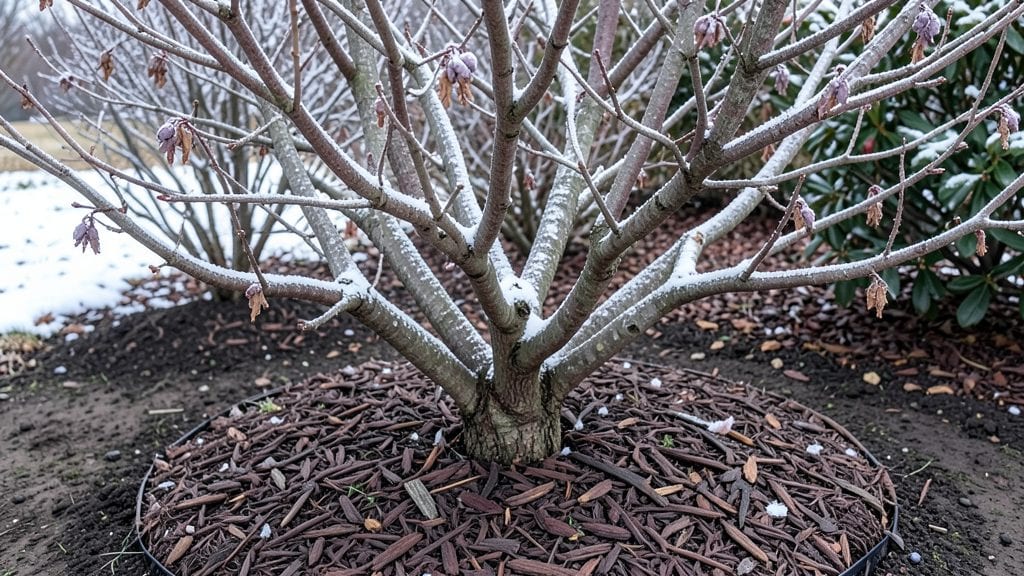
Blueberry plants wintering successfully means avoiding the heartbreak of dead bushes come spring. I’ve lost count of how many times I’ve seen frost-killed canes after a harsh winter—until I learned the right tricks to shield them from deep freezes and drying winds.
The key isn’t just mulch; it’s layering protection the way you’d bundle up for a blizzard: thick, insulating, and strategic.
Start with 3–4 inches of organic mulch (straw or shredded leaves work best) around the base of mature plants, then add a burlap wrap for young bushes or potted varieties.
For zones 3–5, a low tunnel or even a plastic milk jug over canes can raise temperatures by 10–15°F—enough to make the difference between survival and loss. Potted blueberries need extra care: move them to an unheated garage or wrap the container in bubble wrap to prevent root freeze.
You’ll wake up to vibrant green buds in early spring instead of brittle, blackened stems. The plants stay productive for decades when wintered correctly, and the berries? Sweeter than you’ve ever tasted because cold dormancy actually concentrates their flavor.
Just watch for cracked bark or peeling canes—those are red flags for winter stress, and we’ll fix that next.
This works for acid-loving varieties in any zone, from the deep South to the Upper Midwest. The only real mistake? Waiting until after the first freeze to act. Let’s get those bushes prepped before the ground hardens.
📚 In This Guide
- What you need
- Instructions
- Tips and common mistakes
- Wrapping up and next steps
What you need
- ● Mulch: 2–4 inches of organic mulch (straw, shredded leaves, or pine needles). Avoid fresh wood chips—they can compact and harm roots.
- ● Pruning shears: Sharp, sterilized shears (bypass pruners work best) to trim dead or weak growth.
- ● Garden gloves: Heavy-duty gloves to protect hands from thorns and rough mulch.
- ● Burlap or frost cloth: Enough to wrap around young or tender plants (1–2 plants per 3x4 ft sheet).
- ● Stakes or wire mesh: To secure frost cloth if winds are strong in your area.
- ● Watering can or hose: For a final watering before the ground freezes (avoid overwatering!).
- ● Anti-desiccant spray: A light coating of horticultural oil or wax to protect leaves from drying winter winds.
- ● Soil thermometer: To monitor ground temps (ideal for cold-hardy varieties like ‘Duke’ or ‘Jersey’).
- ● Compost or aged manure: A small bag to top-dress soil in early spring for a nutrient boost.
- ● Row covers: For container-grown blueberries in freezing climates (move pots to a sheltered spot).
Instructions for winterizing blueberry plants for cold-hardy survival
Here’s how to protect your blueberry bushes through winter without sacrificing next year’s harvest.
Prune for Winter Dormancy
Prune your blueberry bushes in late fall, just before the first hard frost, to remove dead, diseased, or crossing branches. Focus on opening the center of the plant to improve airflow and sunlight penetration—this prevents fungal diseases like botrytis from taking hold during winter’s damp conditions. Use clean, sharp pruners to make cuts just above outward-facing buds. Avoid heavy pruning; remove no more than one-third of the plant’s total growth to maintain its energy reserves for spring.
I like to prune on a dry day when the soil is slightly damp but not wet—this reduces the risk of spreading pathogens. Cut back any weak or spindly growth that won’t contribute to the plant’s structure. If your blueberries are young, skip pruning entirely this season to encourage root and canopy development. The goal is to shape the plant while preserving its ability to rebound in spring.
Apply a Layer of Organic Mulch
Spread a 3-4 inch thick layer of organic mulch—such as shredded bark, pine straw, or wood chips—around the base of the plant, keeping it 6 inches away from the trunk to prevent rot. Mulch acts as insulation, protecting roots from extreme temperature fluctuations and retaining soil moisture during winter’s dry spells. Choose a mulch with a slightly acidic pH (like pine straw) to mirror blueberries’ natural soil preferences.
Rake the mulch evenly, avoiding piles against the trunk where moisture can accumulate. If you’re in a region with heavy snowfall, add an extra 1-2 inches of mulch for added protection. Over time, this mulch will break down, enriching the soil with nutrients—just what blueberries need to thrive in the following growing season. Avoid synthetic mulches, which can trap too much heat and disrupt the plant’s dormancy cycle.
Protect Tender Varieties with Burlap or Frost Blankets
If you’re growing southern highbush varieties or young plants that aren’t fully cold-hardy, wrap the canes loosely with burlap or frost blankets to shield them from freezing winds and late-season frosts. Secure the material with twine or stakes, leaving the top open to allow some airflow. This method works best for plants in USDA Zones 6 and below, where temperatures can dip below 10°F. Avoid plastic wraps, which can trap moisture and cause rot.
For extra protection, mound a 6-8 inch high ring of soil or mulch around the base of the plant to create a thermal barrier. This technique, called "soil banking," helps insulate roots and prevents heaving—a common issue where frozen soil expands and uproots shallow-rooted plants. If you’re in a windy area, consider adding a temporary windbreak, like a row of evergreen boughs, to reduce desiccation from cold, dry winds.
Water Deeply Before the Ground Freezes
Give your blueberry bushes a deep watering 2-3 weeks before the first hard frost to ensure the soil remains moist through winter. This step is critical for establishing cold-hardy plants, as hydrated soil holds heat better and protects roots from freezing. Water slowly to encourage deep penetration—aim for 1-1.5 inches of water per session. Avoid overhead watering in the weeks leading up to winter, as wet foliage can invite fungal diseases.
Check the soil’s moisture level by inserting your finger 3-4 inches deep; it should feel damp but not soggy. If your region experiences prolonged dry spells in winter, consider installing a drip irrigation system on a timer to maintain consistent moisture without over-saturating the soil. This small investment can make a big difference in root health and plant resilience come spring.
Monitor and Adjust for Late-Winter Thaws
Keep an eye on your blueberry bushes throughout winter, especially during periods of thaw followed by refreezing. If you notice new growth emerging too early—before the last frost date—cover the plant with a lightweight frost blanket to protect tender shoots. Blueberries are particularly vulnerable to late frosts, which can damage flowers and reduce the following year’s yield. Pay attention to your local frost dates and adjust your protection strategy accordingly.
After the last frost, remove any winter coverings gradually to avoid shocking the plant. Start by uncovering it for a few hours each day, increasing exposure over 5-7 days to allow the plant to acclimate. This slow transition helps prevent sunburn and stress, ensuring a smooth transition into the growing season. If you notice any signs of winter damage—like cracked bark or dead branches—prune them out as soon as the plant comes out of dormancy to encourage new growth.
Tips & tricks for perfect blueberry plant winter care
Winterizing blueberries isn't just about survival—it's about setting up next year's harvest for success. Here are the key strategies I've learned from years of protecting my own bushes.
Pruning Precision: When you're pruning in Step 1, focus on creating an open center rather than just removing branches. This airflow improvement is crucial for preventing fungal diseases during winter's damp conditions. I always make my cuts just above outward-facing buds—this ensures new growth will emerge in the right direction come spring. Remember, the goal is to remove no more than one-third of the plant's growth to preserve its energy reserves.
Mulch Application Strategy: For Step 2, the 3-4 inch layer of organic mulch should be spread evenly but kept 6 inches away from the trunk. This spacing prevents rot while still providing insulation. In regions with heavy snowfall, I add an extra 1-2 inches of mulch to create additional protection. The key is to avoid synthetic mulches—they can trap too much heat and disrupt the plant's natural dormancy cycle, which is essential for blueberries to survive winter stress.
Cold-Hardiness Testing: If you're in USDA Zones 6 and below where temperatures dip below 10°F, pay special attention to Step 3's protection methods. I've found that wrapping canes loosely with burlap allows for airflow while still providing protection from freezing winds. The soil banking technique—mounding 6-8 inches of soil or mulch—has saved my young plants from heaving multiple times. For extra protection in windy areas, evergreen boughs make an excellent temporary windbreak.
Watering Timing: The deep watering in Step 4 should happen 2-3 weeks before the first hard frost, but timing varies by climate. I check soil moisture by inserting my finger 3-4 inches deep—it should feel damp but not soggy. This pre-winter watering is critical because hydrated soil holds heat better and protects roots from freezing. For regions with prolonged winter dry spells, consider installing a drip irrigation system on a timer to maintain consistent moisture without over-saturating the soil.
Pro Tips for Blueberry Plants Winter
- Winterizing blueberries isn't just about survival—it's about setting up next year's harvest for success.
- Pruning Precision: When you're pruning in Step 1, focus on creating an open center rather than just removing branches.
- Mulch Application Strategy: For Step 2, the 3-4 inch layer of organic mulch should be spread evenly but kept 6 inches away from the trunk.
Frequently asked questions
Got questions about keeping your blueberry plants thriving through winter? Here are some of the most common concerns—and their answers—to help you prep like a pro!
When should I start preparing my blueberry plants for winter?
Start winterizing your blueberry plants before the first hard frost—typically 4-6 weeks ahead in your region. This gives roots time to harden off, and lets you mulch or prune effectively. If you miss the window, don’t panic! Just focus on protecting the plant from sudden cold snaps with extra mulch or temporary covers.
Do blueberry plants need mulch in winter, and how much?
Yes! Mulch acts like a cozy blanket for your blueberries. Apply 4-6 inches of organic mulch (like straw, pine needles, or shredded leaves) around the base, but keep it away from the stem to prevent rot. Replenish if it decomposes or washes away during winter. Pro tip: Use evergreen boughs over the crown for extra insulation in freezing climates!
Can I prune blueberry bushes in late fall or winter?
Yes, but time it right! Prune after the first hard frost and before new growth starts in early spring. Remove dead, diseased, or crossing branches to improve airflow. Avoid heavy pruning—just shape lightly. Warning: Never prune in deep freeze; cold wood snaps easily!
What if my blueberry plants look dead in spring?
Don’t toss them yet! Blueberries often look dormant but are alive. Check for green buds or slight swelling at the base—signs of life. If branches are brittle, they may have died back, but roots could still be viable. Water lightly and wait; new growth usually appears within 2-4 weeks. If nothing happens, dig up a small root section to test for moisture.
Are there cold-hardy blueberry varieties that need less winter care?
If you’re in Zones 3-5, opt for varieties like ‘Patriot,’ ‘Jersey,’ or ‘Northblue’—they’re bred to handle harsh winters with minimal fuss. Even so, mulching and protection from wind still help. For southern growers (Zones 6-7), watch for late frosts; some varieties need temporary frost cloths.
Will pests or rodents bother my blueberry plants in winter?
Yes, but they’re less active in cold weather. Still, voles or mice might nibble on roots or bark. Wrap the base of young plants with hardware cloth (bury it 6 inches deep) to deter them. Avoid leaving mulch piles near sheds—it attracts pests. A quick check in early spring for chewed bark or tunnels will confirm if critters were busy!
Wrapping up and next steps
Preparing your blueberry plants for winter doesn’t have to be a chore—it’s all about protection, patience, and a little love. 🌱 With the right mulching, pruning, and shelter, your bushes will bounce back stronger in spring, ready to reward you with juicy berries.
Now that you’re armed with the know-how, take action—give your plants that extra care this season, and enjoy the sweet payoff next summer!
Next step: Mark your calendar for early spring to prune and fertilize—your blueberries will thank you!