
Planting
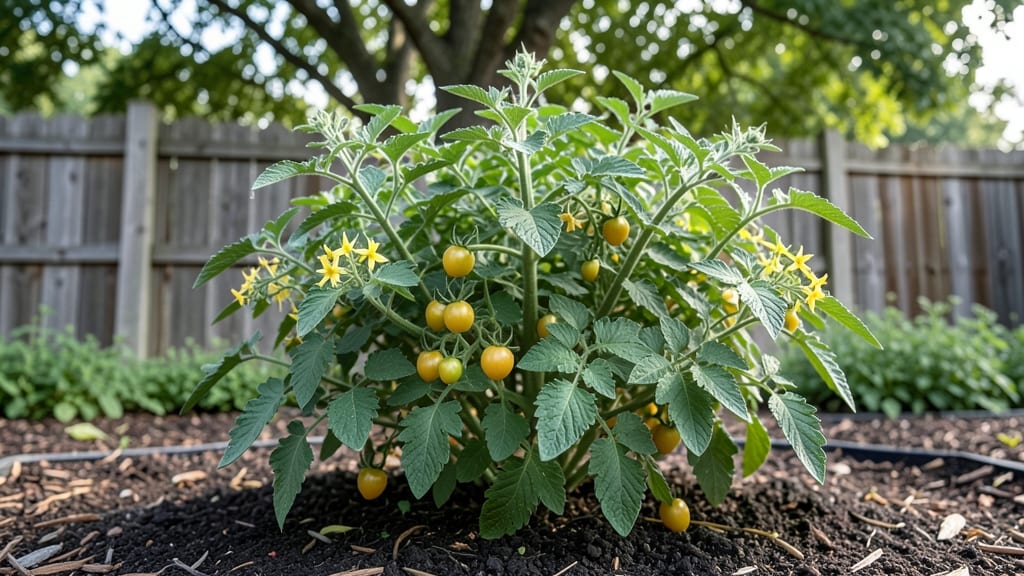
The Blondkopfchen tomato plant delivers jaw-dropping flavor in a tiny footprint—perfect for balconies, containers, or crowded gardens. I fell for this heirloom after my first bite: sweet, buttery, and packed with old-world charm, all from a plant that stays under 3 feet tall and never sprawls.
The secret lies in its compact growth habit, which makes it one of the most productive small-space tomatoes you'll ever grow.
You'll need a 5-gallon container (or deeper for better root growth), well-draining soil mixed with compost, and a spot where it gets 6-8 hours of sunlight daily. Water consistently—about 1 inch per week—but avoid soggy soil, which invites disease.
Prune suckers regularly to keep energy focused on fruit production, and stake or cage the plant early to prevent flopping as those pound-heavy tomatoes develop.
Harvest begins when fruit turns a rich golden-yellow, and the yield will surprise you: 20-30 tomatoes per plant in a single season. The flavor? Buttery-sweet with just enough acidity to balance, and the texture stays firm even when fully ripe.
Save seeds from your best tomatoes—this variety grows true from seed, so you can keep the cycle going year after year.
Watch for common tomato pests like aphids or hornworms, but this variety handles them better than most. If you're in a cooler climate, start seeds indoors 6-8 weeks before last frost or choose disease-resistant varieties if your area has fungal issues.
The payoff? A table bursting with homegrown tomatoes that taste like summer, no matter how small your space.
📚 In This Guide
- What you need
- Instructions
- Tips and common mistakes
- Wrapping up and next steps
What you need
- ● Blondkopfchen tomato seeds or seedlings: 3–5 plants (if starting from seed) or 1–2 healthy seedlings (for transplanting).
- ● Containers or garden bed: Containers: 5-gallon pots or larger (minimum 12" deep and wide per plant). Use fabric pots or self-watering containers for better drainage.
- ● Garden bed: Well-draining soil in a sunny spot (at least 6–8 hours of sunlight daily).
- ● High-quality potting mix: 1–2 bags of organic, well-draining mix (avoid garden soil—it compacts easily!).
- ● Tomato cages or stakes: 3–4 ft tall (for support; Blondkopfchen vines grow 3–4 ft tall but need help!).
- ● Balanced fertilizer: 10-10-10 or organic options like compost or worm castings (follow package instructions).
- ● Watering can or hose with a gentle nozzle: For even moisture without disturbing roots.
- ○ Mulch (optional but recommended): Straw or shredded leaves to retain moisture and suppress weeds.
- ● Pruning shears: For trimming suckers and shaping plants.
- ● Drip irrigation kit: For consistent watering (especially in hot climates).
- ● Epsom salt: A spoonful in water monthly for magnesium boost (great for green, healthy leaves!).
- ● Row covers or shade cloth: To protect young plants from pests or intense sun.
- ● pH test kit: To ensure soil pH is between 6.0–6.8 (Blondkopfchen thrives in slightly acidic soil!).
How to grow Blondkopfchen tomatoes in containers for maximum yield
This dwarf variety thrives in tight spaces while producing pounds of sweet, flavorful fruit per plant.
Select Containers and Prepare Growing Medium
Blondkopfchen performs best in 5-gallon containers with at least 12 inches of depth—this gives their compact roots room to spread while preventing overcrowding. I use fabric grow bags because they allow excess moisture to evaporate through the walls, reducing the risk of root rot that can plague container tomatoes. Avoid plastic pots; they trap heat and encourage fungal growth.
Fill each container with a sterile seed-starting mix blended with 20% perlite for improved aeration. The reason for this blend is simple: tomatoes hate soggy roots, and perlite creates tiny air pockets that keep roots oxygenated. Moisten the mix until it feels like a damp sponge—you should see moisture beads form but no standing water. Tap the container gently to settle the soil without compacting it too tightly.
Plant Transplants at the Right Depth and Stake Immediately
When planting your 4-week-old seedlings, dig a hole deep enough to bury two-thirds of the stem—this encourages stronger root development from the buried portion. Gently press the soil around the base to eliminate air pockets, then water deeply until moisture runs out the drainage holes. Blondkopfchen's compact growth habit means it won't sprawl, but it still benefits from 3-foot bamboo stakes inserted at planting time.
Here's the thing—most gardeners wait to stake tomatoes after they've grown taller. With Blondkopfchen, I tie the main stem to the stake right away using soft plant ties. This prevents wind rock and gives the plant immediate support as it matures. The stakes should be sturdy enough to handle 2-3 pounds of fruit per vine without bending.
Provide Consistent Water and Fertility Management
Blondkopfchen tomatoes need 1-1.5 gallons of water per plant daily during peak summer heat, but the key is consistency. Water deeply in the morning so the soil has time to dry slightly between waterings—this prevents blossom-end rot, a common problem with container tomatoes. I use a soaker hose to deliver water at soil level, which reduces evaporation and keeps leaves dry, minimizing fungal diseases.
Feed plants every 2 weeks with a balanced liquid fertilizer (10-10-10) diluted to half-strength. The reason for the dilution is that concentrated fertilizer burns tender roots, especially in containers where nutrients leach out quickly. Watch for dark green leaves with purple stems—this is a sign of phosphorus deficiency, which you can correct by switching to a 5-10-10 formula for a few feedings.
Prune for Airflow and Fruit Production
Unlike indeterminate varieties, Blondkopfchen benefits from light pruning to improve airflow and direct energy toward fruit production. Remove suckers (the small shoots that form in the leaf axils) when they're no larger than a pencil eraser—this prevents them from competing with the main stem for nutrients. I also trim back any leaves that grow below the first flower cluster, as these shade the fruit and increase humidity around the plant.
This is the moment that matters: when your plants reach 3 feet tall, pinch off the growing tips to encourage bushier growth. You'll see more lateral branches form, each capable of producing 5-7 trusses of fruit. The goal is to create a compact, multi-branched plant that resembles a small shrub rather than a single upright stem.
Harvest and Extend the Season
Blondkopfchen tomatoes ripen 60-70 days after transplanting, and you'll know they're ready when they turn a deep golden-yellow color with a slight give when gently squeezed. Harvest in the morning when sugars are at their peak, and use small pruning shears to avoid damaging the stem. Regular harvesting encourages more fruit production—plants left unharvested will stop setting new blossoms.
To extend the season, move containers to a protected location (like a cold frame or under a row cover) when nighttime temperatures drop below 50°F. Blondkopfchen tolerates cooler temperatures better than most varieties, and you can often coax another 4-6 weeks of production before the first frost. Just be sure to reduce watering as temperatures drop, as cooler soil holds moisture longer.
Tips & tricks for growing Blondkopfchen tomatoes in containers
Growing these compact powerhouses requires a few key adjustments to container gardening basics. Here's what I've learned to maximize yield while keeping plants healthy and productive.
Container Selection Matters: While 5-gallon containers are ideal, don't be tempted to use smaller pots—Blondkopfchen's compact roots still need that 12-inch depth to support heavy fruit production. I've found that fabric grow bags actually outperform traditional plastic pots because they allow excess moisture to escape, which is critical for preventing root rot in containers. The breathability of these bags mimics ground conditions better than plastic, which traps heat and moisture.
Planting Depth Creates Stronger Roots: Burying two-thirds of the stem when transplanting your 4-week-old seedlings might seem counterintuitive, but this technique triggers root growth along the buried portion. The buried stem will develop additional roots that help anchor the plant and access more nutrients from the soil. This is especially important in containers where root space is limited. Just be sure to press the soil firmly around the base to eliminate air pockets that could hinder root development.
Watering Consistency Prevents Common Problems: The 1-1.5 gallons of water per plant daily during peak heat might seem excessive, but this consistency is what prevents blossom-end rot—a common container tomato issue. Watering deeply in the morning gives the soil time to dry slightly between waterings, which creates the optimal moisture balance for fruit development. I've found that using a soaker hose delivers water exactly where it's needed without wetting the leaves, which helps prevent fungal diseases that thrive in damp foliage.
Fertilizer Timing and Type: The 2-week feeding schedule with diluted 10-10-10 fertilizer is crucial, but watch for those telltale signs of phosphorus deficiency—dark green leaves with purple stems. If you notice this, switch to a 5-10-10 formula for a few feedings to correct the imbalance. Remember that concentrated fertilizers can burn tender roots in containers, so always dilute to half-strength. I've had the best results when I fertilize right after watering, which helps prevent salt buildup in the soil.
Pro Tips for Blondkopfchen Tomato Plant
- Growing these compact powerhouses requires a few key adjustments to container gardening basics.
- Container Selection Matters: While 5-gallon containers are ideal, don't be tempted to use smaller pots—Blondkopfchen's compact roots still need that 12-inch depth to support heavy fruit production.
- Planting Depth Creates Stronger Roots: Burying two-thirds of the stem when transplanting your 4-week-old seedlings might seem counterintuitive, but this technique triggers root growth along the buried portion.
Frequently asked questions
Got questions about growing Blondkopfchen tomato plants? You’re not alone! Here are answers to the most common queries—from spacing to pests—to help you grow like a pro.
What’s the best temperature range for Blondkopfchen tomato plants?
Blondkopfchen
thrives in warm weather but can handle cooler temps better than most tomatoes. Plant after the last frost when soil is at least 60°F (15°C). They tolerate light frosts (50°F/10°C) but may slow down if temps dip below 55°F (13°C). Use row covers if early-season chills are expected!
How long does it take for Blondkopfchen tomatoes to produce fruit?
Expect fruit 60–70 days after transplanting (check seed packets for exact days). These compact plants mature faster than larger varieties, so you’ll see cherry-sized tomatoes in 2–3 months with proper care. Patience pays off—early blooms may drop if nights are chilly, but consistent warmth speeds up harvests!
Can Blondkopfchen tomatoes grow in containers, and what size pot should I use?
Their bushy, determinate growth makes them perfect for containers. Use a pot at least 12–18 inches deep with drainage holes. A 5-gallon bucket works well for 1–2 plants. Ensure the pot gets 6+ hours of sun and fertilize every 2–3 weeks for best results.
What pests commonly attack Blondkopfchen tomatoes, and how do I prevent them?
Watch for aphids, hornworms, and whiteflies, which love tender leaves. Prevent pests with:
- Neem oil sprays (organic)
- Row covers for early growth
- Handpick hornworms (they’re easy to spot!)
- Encourage beneficial insects like ladybugs
Are Blondkopfchen tomatoes good for sauces, or are they only for snacking?
While they’re prized for their sweet, cherry-like flavor, Blondkopfchen tomatoes are great for sauces too! Their high sugar content balances acidity, making them ideal for quick simmered sauces or salsas. For richer sauce, blend with a few larger tomatoes. Just avoid overcooking—their delicate sweetness shines best in lightly cooked dishes!
Can I grow Blondkopfchen indoors under grow lights?
Yes, but with adjustments! These plants need 12–16 hours of light daily. Use full-spectrum LED grow lights 6–12 inches above the plants and supplement with a tomato-specific fertilizer (high in potassium). Pollinate by gently shaking plants or using a small brush to transfer pollen. Expect smaller yields than outdoor growth, but it’s doable in sunny windowsills or basements!
Wrapping up and next steps
Growing Blondkopfchen tomato plants is a fantastic way to enjoy bountiful harvests—even in small spaces! Their compact vines and prolific fruit make them perfect for balconies, containers, or cozy gardens. With the right care, you’ll soon be savoring sweet, flavorful tomatoes straight from your own patch.
Ready to dive in? Start by gathering your supplies, then follow the steps to plant and nurture your Blondkopfchen with confidence. Happy gardening—your future tomato feasts are just around the corner! 🌱🍅