
Light Requirements
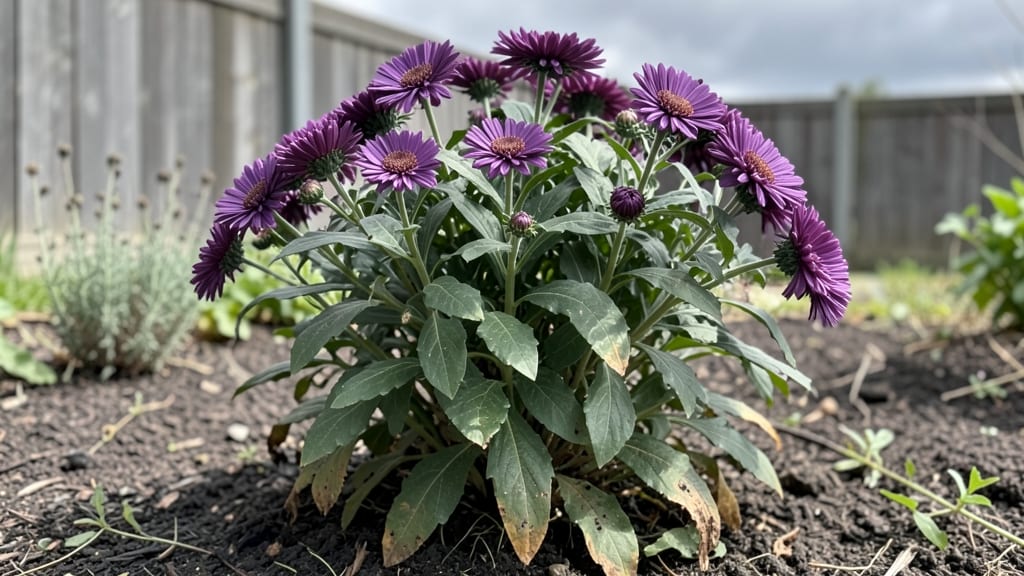
Are mums full sun plants that thrive in bright light but can also handle partial shade, making them one of the most adaptable summer bloomers 🌼.
If you’ve ever wondered why your chrysanthemums look wilted or lack their signature blooms, sunlight might be the culprit—but not in the way you think. While they can bask in full sun, they’re surprisingly adaptable to shade, especially in hotter climates like USDA Zone 6a.
Here’s the secret: mums need at least 6 hours of sunlight for peak blooms, but too much direct heat can scorch leaves. In cooler areas, they’ll tolerate partial shade without sacrificing flowers. Below, I’ll break down how to balance their light needs with watering and soil for the best results.
You’ll learn how to spot sunlight stress, which varieties handle shade best, and how to adjust care for summer blooms that last until fall. No more guesswork—just vibrant, healthy mums all season!

How much sun do mums need: the ideal light spectrum for peak blooms
Mums (chrysanthemums) are often labeled as full sun plants, but their true flexibility makes them one of the most adaptable flowers in your garden. While they thrive in 6+ hours of sunlight, they can also tolerate partial shade, especially in hotter climates like USDA Zones 7-9.
Understanding their light spectrum is key to unlocking vibrant blooms and lush foliage.
The ideal sunlight range for mums spans from 3 to 8 hours of direct sun daily, depending on your region. Too little light leads to leggy stems and sparse flowers, while too much can cause leaf scorch in intense heat.
The secret lies in balancing exposure based on your local climate and mum variety.
Sunlight directly impacts bloom size, color intensity, and even flowering time. For example, full sun exposure produces larger, brighter blooms, while partial shade extends the blooming season in warm areas. This adaptability is why mums are a favorite for containers, borders, and even indoor gardening.
Here’s how sunlight affects mums at different life stages: seedlings need gentle morning sun to prevent burning, while mature plants can handle afternoon shade in scorching climates. The science behind their adaptability lies in their ability to photosynthesize efficiently even in lower light conditions, thanks to their broad leaves.
Regional variations play a huge role in mum sunlight needs. In cooler zones (USDA 3-6), mums can handle full sun all day, but in hotter zones (USDA 8-10), afternoon shade becomes essential. For example, a mum in Phoenix (Zone 9) might wilt in full afternoon sun, while one in Chicago (Zone 5) would thrive in it.
Let’s break down the sunlight spectrum for mums in a clear, actionable table to help you optimize their placement in your garden.
In USDA Zone 5 or colder, mums can bask in full sun without risk, as cooler temperatures prevent leaf burn. However, in Zone 9 and above, afternoon shade (especially between 12 PM and 4 PM) is crucial to prevent heat stress.
Even shade-tolerant varieties like 'Mediterranean Sunset' will reward you with longer bloom times when given the right balance.
If you’re growing mums in containers or urban gardens, prioritize morning sun and afternoon shade. East-facing windows or dappled sunlight from trees work well. For bedding plants, place them where they’ll receive at least 4-5 hours of sun—this ensures compact growth and abundant flowers.
Pro tip: Observe your mums’ leaves for clues. If they’re light green and stretched, they need more sun. If they’re yellowing or crispy, they’re getting too much. Adjust their placement gradually—mums adapt slowly to light changes, so sudden moves can shock them.
For peak blooms, aim for 5-6 hours of sun daily in most regions. This sweet spot delivers the perfect balance of size, color, and longevity.
Whether you’re a beginner gardener or a seasoned pro, mums’ adaptability means you can experiment with their placement—just watch for those telltale signs of stress or satisfaction!
Signs your mums are getting too much or too little sun (and how to fix it)
Your chrysanthemums (mums) might be silently screaming for help if their sunlight exposure is off. Too much sun causes leaf scorch and crispy edges, while too little leads to leggy stems and sparse blooms.
The key is finding that sweet spot—4 to 6 hours of morning sun works best for most varieties, but even shade-tolerant mums need some light to thrive. Let’s decode the signs and fix them without stressing your plants.
Start by observing your mums’ foliage and stems. Yellowing leaves or brown, crispy edges are classic signs of sunburn, while pale, stretched stems indicate light deprivation. Even bloom size shrinks when mums don’t get enough light—expect smaller, fewer flowers if they’re struggling.
The good news? Adjusting their light exposure can turn things around in just a few weeks.
⚠️ callout warning
Mums can handle full sun, but they’re not obligate full-sun plants. Most varieties thrive in 4 to 6 hours of morning sun paired with afternoon shade, especially in hot climates (USDA Zones 7-9). Dark-colored mums (like burgundy or deep red) need more light, while lighter varieties (white, pink) tolerate partial shade better. Overheating in intense afternoon sun causes stress, even for sun-loving types.
If your mums show leaf scorch, move them to a spot with dappled shade or provide afternoon shade using a lightweight shade cloth (30-50% coverage). For leggy stems, gradually increase their light exposure—1-2 extra hours per week prevents shock.
Avoid sudden moves, which can cause transplant stress and set blooming back by 2-4 weeks.
For nutrient deficiencies tied to light issues, amend the soil with compost or balanced fertilizer (5-10-10 NPK). Mums in low light often develop yellow lower leaves due to poor nutrient uptake.
Pair this with morning watering to keep roots hydrated without fungal risks. A mulch layer (2-3 inches) also helps regulate soil temperature and retain moisture.
Pro tip: Rotate containers every few days if growing mums in pots. This ensures even light exposure and prevents one-sided growth. For in-ground plants, prune leggy stems back by 1/3 to encourage bushier, fuller growth. With these tweaks, your mums will bounce back with vibrant blooms in no time.
Remember, mums are forgiving plants—they adapt well to changes if done gradually. Start with small adjustments, monitor their response, and soon you’ll have a bloom-filled display that’s the envy of the neighborhood. Happy gardening!