
Aphids
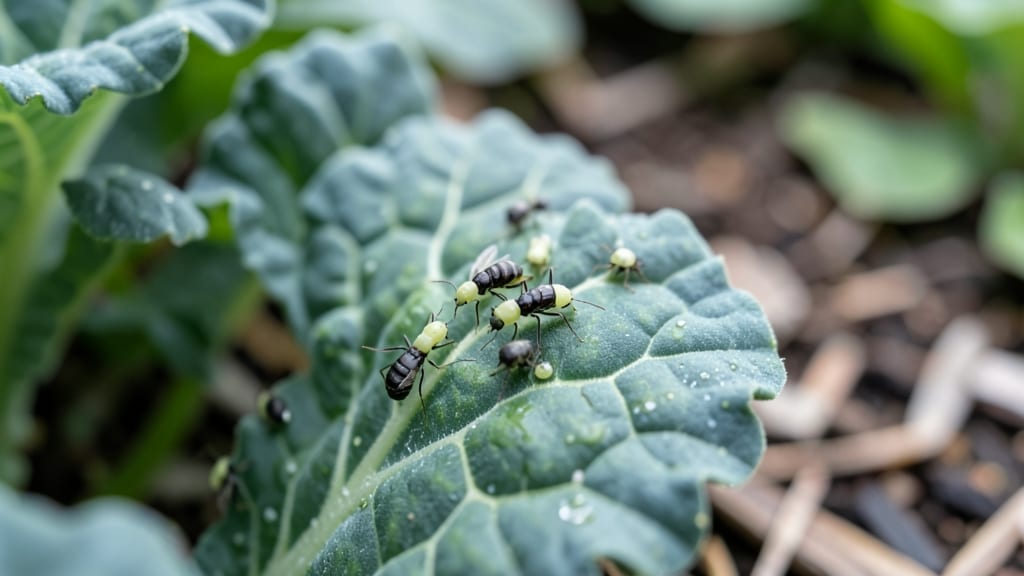
Aphids on kale plants can turn your crisp, vibrant leaves into sticky, curled messes faster than you can say "harvest." 🌱 I learned this the hard way last summer when my backyard kale went from salad-ready to sad in a week—until I discovered this one spray that stops them dead in their tracks.
The secret isn’t some fancy chemical; it’s a mix of kitchen staples and garden powerhouses that works within hours.
Most gardeners panic when they spot aphids, but the real fix starts with understanding why they’re there. Overcrowded plants, fresh new growth, and sticky honeydew are like neon signs for these pests. My solution? A foolproof spray that combines soap, water, and a dash of neem oil—no fancy equipment needed.
You’ll see the aphids drop off almost immediately, and your kale will bounce back with shockingly lush new growth by the next watering.
By the time you’re done, your kale will look like it’s from a farmers’ market, not a pest-ridden patch. The spray is safe for edible plants, works on other brassicas too, and you can make it in 10 minutes with what you already have.
Plus, it’s the first line of defense that keeps aphids from coming back for weeks—no more daily checks for tiny green invaders.
This works whether you’re growing kale in raised beds, containers, or straight in the ground. The same spray even deters future infestations if you apply it every two weeks. Here’s exactly how to mix it, when to use it, and why it actually works—no guesswork, just results.
Why it happens
Aphids don’t just randomly appear on your kale—they’re drawn to specific conditions that make your plants look like an all-you-can-eat buffet. 🍽️ Understanding these triggers helps you eliminate the problem at its source. Let’s break down the science behind why these tiny pests target your leafy greens.
Aphids thrive on plants that are already struggling. When kale is weak, it can’t defend itself effectively, making it an easy target. Here’s why stress invites them:
- Nutrient Deficiencies: Kale deprived of nitrogen, phosphorus, or potassium becomes less resilient. Aphids detect these deficiencies and flock to plants with softer, more vulnerable tissue. - Overcrowding: Dense plantings reduce airflow, creating a humid microclimate that aphids love.
Poor circulation also weakens leaves, making them easier to pierce and feed on. - Water Stress: Both overwatering (which causes root rot and fungal issues) and underwatering (leading to wilting) stress kale. Aphids are drawn to plants with high sugar content—a common byproduct of stress.
Actionable Fix: Ensure your kale gets balanced fertilizer (like a 10-10-10 NPK ratio) and space plants 12–18 inches apart for airflow. Water deeply at the base, not overhead, to avoid fungal issues.
Aphids are sap-sucking insects, and they love the sweet, nutrient-rich liquid found in young, tender kale leaves. Here’s why your plants are so appealing:
- High Sugar Content: Fast-growing kale, especially young shoots, contains more sugars, which aphids detect using their antennae. This is why infestations often start at the growing tips. - New Growth Attraction: Aphids prefer new leaves because they’re softer and packed with easily accessible nutrients.
Pruning or harvesting can actually trigger more aphid activity if not managed properly. - Honeydew Production Feedback Loop: As aphids feed, they excrete sticky honeydew, which attracts ants (their protectors) and sooty mold (a fungal growth that further weakens the plant).
Actionable Fix: Harvest outer leaves regularly to reduce new growth targets. If you notice aphids on young shoots, prune them immediately and drop them in soapy water (not compost).
You might not think of ants as a problem, but they’re often the reason aphids stick around. Here’s how they’re connected:
- Ant-Aphid Symbiosis: Ants farm aphids, protecting them in exchange for honeydew. They’ll even carry aphid eggs to new plants, ensuring a steady food source. - Trail Marking: Ants leave pheromone trails to aphid colonies, reinforcing their presence.
If you see ants crawling on your kale, aphids are likely nearby. - Nest Proximity: Ants build nests in soil or nearby structures, and their trails often lead directly to your garden. Aphids take advantage of this "highway" to spread.
Actionable Fix: Disrupt ant trails with barriers like diatomaceous earth or sticky traps. Spray ants directly with soapy water or a vinegar solution (1:1 ratio) to break their connection to aphids.
Aphids reproduce fast—a single female can give birth to 80 nymphs in a week under ideal conditions. These conditions include:
- Temperature: Aphids multiply rapidly in temperatures between 50–85°F (10–30°C).
Cool springs or warm summers create perfect breeding grounds. - Sheltered Spots: Dense foliage, nearby weeds, or garden structures (like trellises) shield aphids from predators (like ladybugs or lacewings) and wind, which can disperse them. - Weeds as Hosts: Many weeds (e.g., dandelions, clover) are aphid favorites.
They act as a reservoir, allowing pests to reinfest your kale after treatments.
Actionable Fix: Remove weeds within a 10-foot radius of your kale. Use row covers in early spring to block migrating aphids, and encourage natural predators by planting companion flowers like marigolds or yarrow.
Ironically, some gardening practices can attract aphids by disrupting the natural balance:
- Broad-Spectrum Pesticides: Chemicals like neonicotinoids or pyrethroids kill beneficial insects (like predatory wasps) that keep aphid populations in check.
- Synthetic Fertilizers: Overuse of nitrogen-heavy fertilizers can make plants more susceptible to pests by promoting rapid, tender growth.
- Fungicide Use: Some fungicides create an environment where aphids thrive by eliminating their natural fungal predators.
Actionable Fix: Switch to organic, aphid-specific sprays (like neem oil or insecticidal soap) and avoid broad-spectrum pesticides. Use compost or organic fertilizers to build soil health gradually.
Aphids don’t just appear—they travel. Here’s how they find your kale:
- Spring Migration: Many aphids hitch rides on wind currents or insects from nearby fields, forests, or even your neighbor’s garden.
- Alternate Hosts: Some aphid species (like the green peach aphid) start on other plants (e.g., roses) before migrating to brassicas like kale in late summer.
- Rain And Wind: Heavy rains can wash aphids from trees or weeds directly onto your kale, while wind disperses them like tiny, winged seeds.
Actionable Fix: Monitor weather forecasts and treat preventatively before aphids arrive. Use reflective mulch (like aluminum foil) around plants to deter winged aphids from landing.
Quick Fixes for Tiny Leaf Invaders
Aphids may be small, but they can wreak big havoc on your kale plants if left unchecked. The good news? You don’t need harsh chemicals to send them packing.
Below, we’ll tackle the most common causes of aphid infestations and provide practical, organic solutions to restore your kale to its vibrant, pest-free glory.
Aphids love weak, crowded plants because they’re easier to feed on. If your kale is struggling, they’ll move in like uninvited guests at a buffet.
What to do:
- 🔪 Trim the damage: Snip off heavily infested leaves (especially the youngest ones) and drop them in soapy water to kill any aphids. Don’t compost them—they’ll just spread!
- 🌱 Improve airflow: Space plants farther apart (12–18 inches) to reduce humidity and discourage aphids. If growing in containers, ensure they’re not packed too tightly.
- 💪 Boost plant resilience: Feed your kale with compost tea or a balanced organic fertilizer (like fish emulsion) to help it bounce back stronger. Healthy plants repel pests naturally!
💡 Pro Tip: Rotate your crops yearly to starve aphids of their favorite hosts. Aphids often target the same plants season after season!
Aphids adore tender, new leaves—they’re like fast food for them. If you spot clusters on fresh growth, act fast before they multiply.
What to do:
- 👨🍳 Squish the squishers: Early in the morning, when aphids are sluggish, squish them with your fingers (yes, really!). Drop them into soapy water to prevent re-infestation.
- 🥘 Blast them away: Use a strong stream of water from your hose to knock them off leaves. Do this in the early morning or late evening to avoid harming beneficial insects.
- 🍳 Homemade spray attack: Mix 1 tsp mild liquid soap + 1 tsp neem oil + 1 quart water in a spray bottle. Shake well and spray directly on aphids (avoid spraying flowers to protect bees). Reapply every 3–4 days until they’re gone.
⚠️ Warning: Test your spray on a small leaf first—some plants (like kale) can handle it, but others might get leaf burn.
Too much nitrogen (common in fast-release fertilizers) makes plants soft and aphid-magnetizing. If your soil is unbalanced, aphids will throw a party in your garden.
What to do:
- 🌡️ Test your soil: Use a DIY soil test kit (available at garden centers) to check pH and nutrient levels. Kale prefers slightly acidic to neutral soil (6.0–7.0 pH).
- 🎯 Feed the right way: Switch to slow-release organic fertilizers (like worm castings or compost) instead of synthetic nitrogen bombs. Aphids hate tough, well-fed plants!
- 🔥 Add predator-friendly plants: Interplant garlic, chives, or marigolds near your kale—they repel aphids naturally. You can also attract ladybugs and lacewings (aphid predators) by planting dill, fennel, or yarrow.
💡 Pro Tip: Crushed garlic spray works wonders! Blend 1 garlic bulb + 1 tsp cayenne pepper + 1 quart water, strain, and spray on leaves. Aphids hate the smell and will vacate quickly.
If you ignored the early signs and now have a full-blown aphid army, it’s time for emergency measures to save your kale.
What to do:
- 🚫 Quarantine infested plants: Move heavily affected kale at least 10 feet away from healthy plants to prevent spread. Check under leaves daily for new colonies.
- 🕷️ Deploy predator allies: Release ladybugs, lacewings, or parasitic wasps (available at garden stores). These guys eat aphids for breakfast!
- 🍎 Yellow sticky traps: Hang yellow cards coated in petroleum jelly near your plants. Aphids are drawn to yellow and will get stuck fast.
✨ Bonus Move: Companion plant with basil or mint—their strong scents deter aphids while adding flavor to your kitchen!
Once you’ve evicted the aphids, lock the door with these habits: ✅ Inspect new plants before bringing them home (aphids often hitchhike on seedlings). ✅ Remove garden debris (aphids love hiding in dead leaves). ✅ Encourage birds—they love eating aphids (install a bird feeder nearby!). ✅ Rotate crops yearly to disrupt aphid life cycles. ✅ Grow resistant varieties like ‘Winterbor’ or ‘Red Russian’ kale—they’re tougher on pests.
Final Thought: Aphids may be persistent, but with these organic, no-fuss methods, you’ll have your kale thriving in no time—without a single chemical in sight! 🚀🌱
Frequently asked questions
Why do aphids always appear on my kale's newest leaves?
Aphids target tender new growth because it's packed with sugars and nutrients that make it irresistible. The younger leaves have thinner cell walls, which are easier for them to pierce with their mouthparts. This is why you'll often see clusters at the growing tips—it's their preferred "fast food" spot.
Will homemade sprays actually kill aphids or just make them move?
Effective sprays like the soap-neem oil mix don't just repel—they disrupt aphids' waxy outer coating, causing dehydration and death within hours. The key is direct contact: spray until leaves are wet, focusing on undersides where colonies hide. Reapply every 3-4 days for persistent infestations.
Can I still eat kale leaves after treating aphids?
Once you've rinsed treated leaves thoroughly with clean water, they're safe to eat. The soap/neem residue breaks down quickly and won't harm you. For maximum safety, harvest outer leaves first (they're less likely to have residue) and avoid eating leaves you've sprayed directly within 24 hours.
Why do aphids keep coming back even after I treat them?
This usually means you're missing one of three things: hidden colonies (check leaf undersides and stems), nearby weeds hosting aphids, or ants protecting them. Remove all garden debris, treat weeds within 10 feet, and break ant trails with barriers like diatomaceous earth to starve the cycle.
What's the best time of day to treat aphids?
Early morning (before 8am) is ideal—aphids are sluggish from overnight cooling, making them easier to dislodge. Avoid treating in hot sun (sprays can burn leaves) or late afternoon (bees may be active). If using water blasts, evening works too as long as leaves dry completely before night.