
Companion Plants
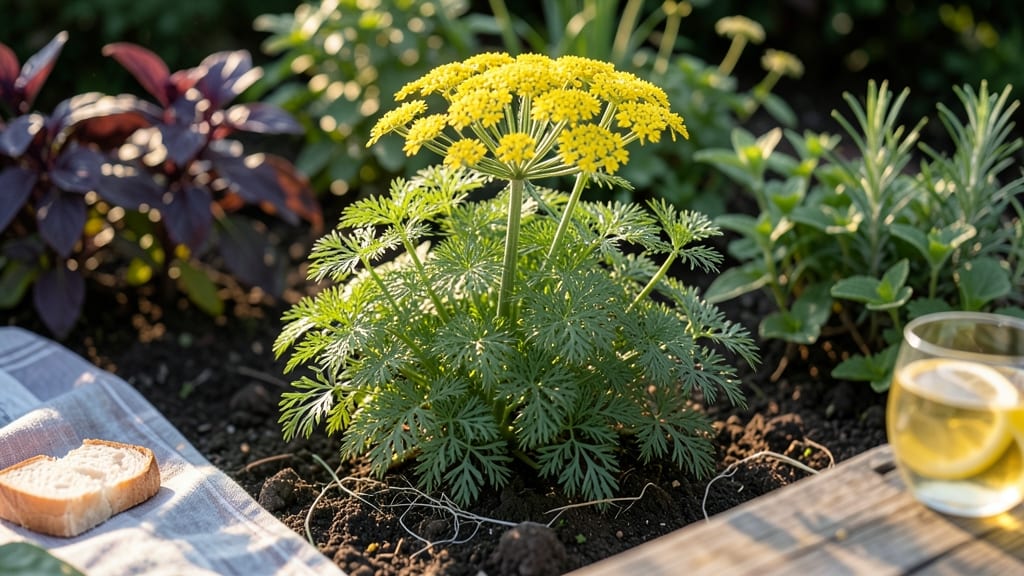
Tired of wasps ruining your outdoor gatherings or stinging your garden? These 10 natural anti-wasp plants create organic barriers that deter stinging pests without chemicals, making your garden both beautiful and functional.
Lemongrass: Citrusy Scent Deters Wasps
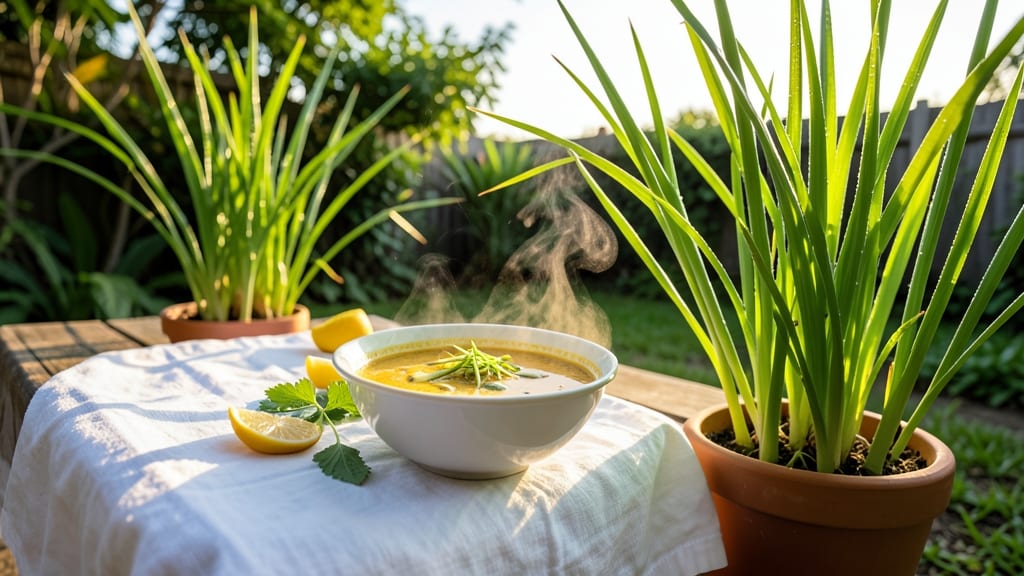
If you’ve ever tried to enjoy a backyard meal only to be swarmed by wasps, lemongrass might be your new best friend. This tropical grass isn’t just for Thai curries—its bold citrusy aroma naturally masks food scents and disrupts wasp navigation, making it a stealthy pest deterrent.
Plant lemongrass in containers near patios, garden edges, or trash bins where wasps linger. It thrives in full sun to partial shade and prefers well-draining soil, though it tolerates drought once established. For extra protection, crush a few leaves to release more scent—wasps will think twice before buzzing by. 🌿
Marigolds: Bright Flowers Repel Flying Insects
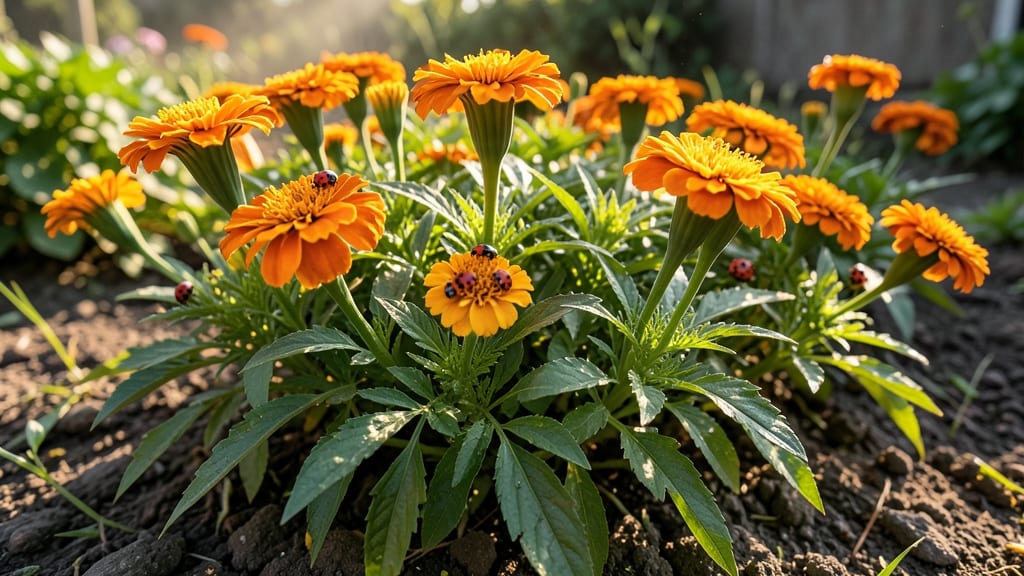
Want a wasp-free garden that also attracts helpful predators? Marigolds are your secret weapon—their pungent foliage disrupts wasp communication while their cheerful blooms lure ladybugs, creating a balanced ecosystem.
These hardy annuals thrive in full sun to partial shade and tolerate poor soil, making them perfect for borders, containers, or mixed beds. Deadhead spent blooms to encourage more flowers, and watch as ladybugs and lacewings move in to feast on aphids and other pests.
Urban gardeners and beginners will love how easy marigolds are to grow—they self-seed readily, saving you time and effort. Plus, their vibrant colors add a pop to any space while keeping wasps at bay. 🌻
Basil: Culinary Herb with Pest-Repelling Properties
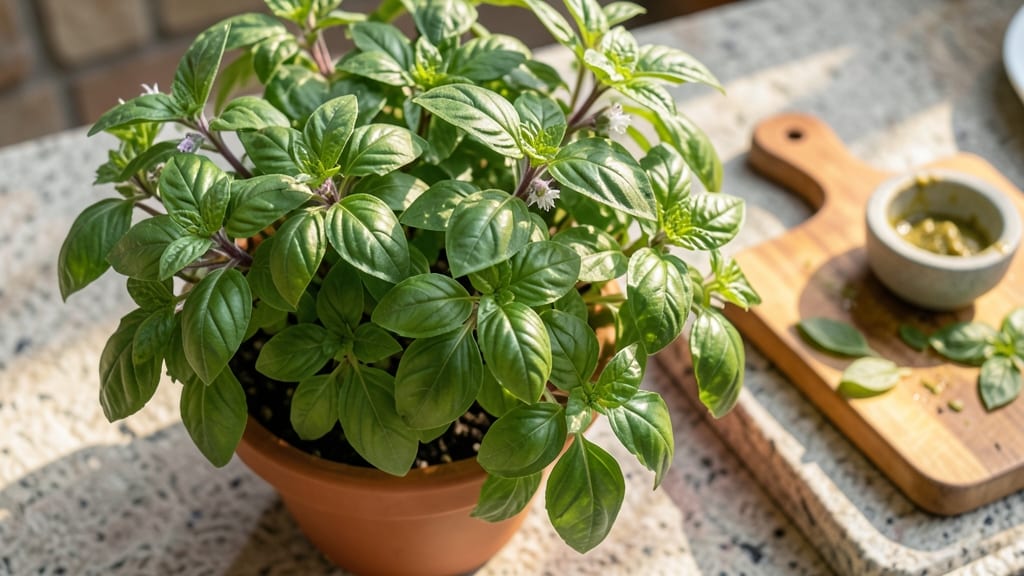
Want a culinary herb that doubles as a wasp deterrent? Sweet basil isn’t just for pesto—its anise-like scent confuses wasps and keeps them buzzing elsewhere. Unlike other pest-repellents, basil thrives in containers, making it perfect for kitchen gardens, patios, or near outdoor dining spots.
Plant basil in full sun (6+ hours daily) and harvest leaves regularly to encourage bushier growth. Its strong aroma works best when brushed against—try placing pots near seating areas or along pathways. Bonus: It’s easy to grow from seed or cuttings, even for beginners.
Urban gardeners and hostess with the most-ess will love this dual-purpose herb. Just avoid overwatering, and you’ll enjoy both fresh basil and a wasp-free zone. 🌱
Catnip: Strong Minty Scent Confuses Wasps
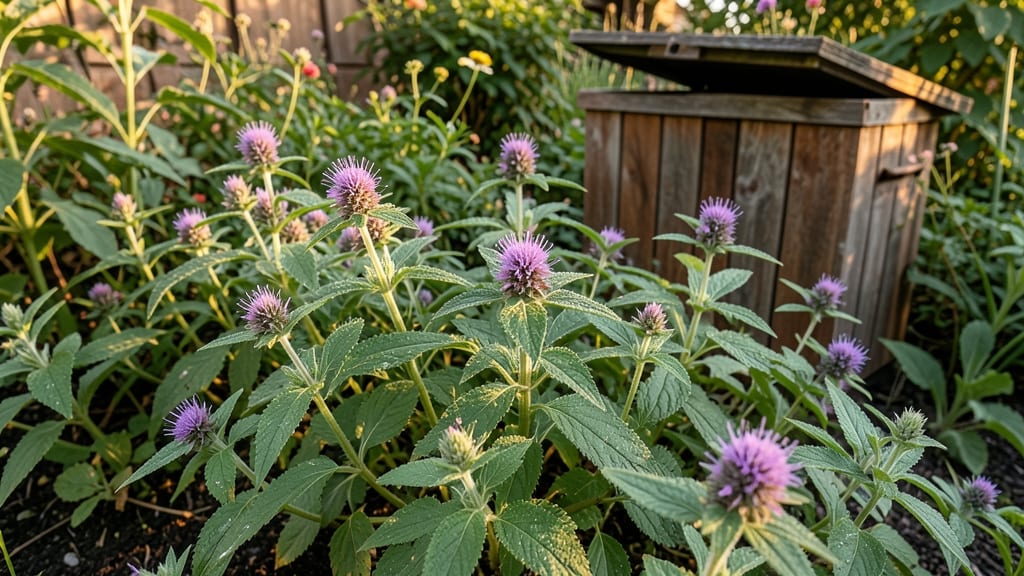
If you’ve ever struggled with wasps swarming around trash bins or lingering in large garden spaces, catnip might be your secret weapon. This hardy perennial produces nepetalactone, a compound that disrupts wasp pheromones, making it one of the most effective natural repellents for these pests.
Plant catnip in sunny areas with well-draining soil, where it can spread into a dense, aromatic patch. Its strong minty scent isn’t just great for repelling wasps—it also attracts cats, so keep it away from feline friends if you’re trying to protect them. For maximum impact, place it near high-traffic zones or trash areas where wasps are most active.
This low-maintenance plant thrives in USDA zones 4-9, making it versatile for most climates. Gardeners with large yards or frequent outdoor gatherings will see the biggest benefits from its powerful deterrent effects. 🌿
Lavender: Calming Fragrance Wasps Hate
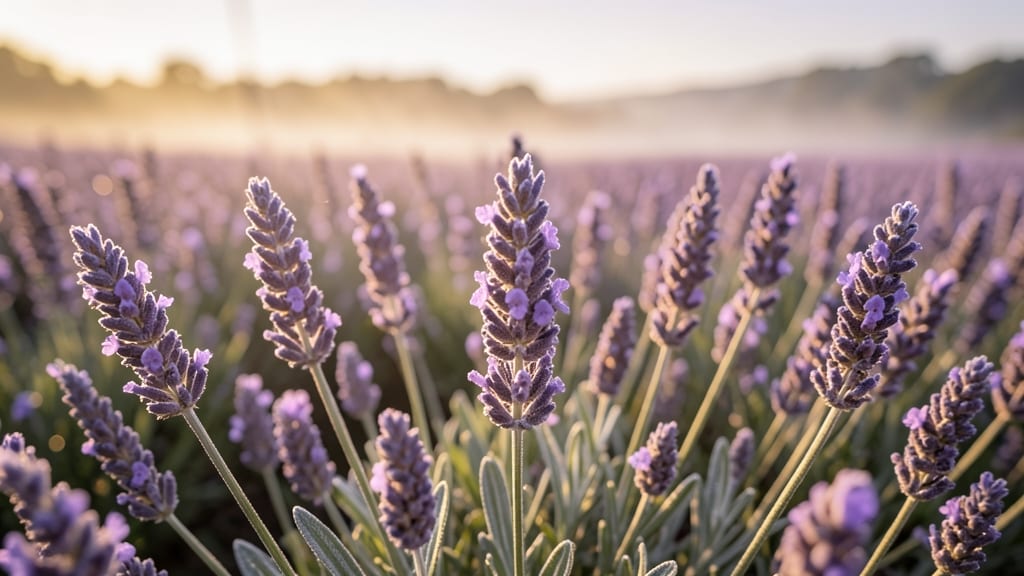
Want to create a peaceful garden retreat where wasps won’t dare linger? Lavender doesn’t just smell heavenly—its delicate floral scent actually masks food odors that attract wasps, making them less aggressive and more likely to fly away. Unlike other repellents that rely on harsh scents, lavender’s fragrance works subtly, creating a serene atmosphere while keeping pests at bay.
Plant lavender in full sun (at least 6 hours daily) and well-draining soil to keep it thriving. Its compact, bushy growth makes it perfect for borders, pathways, or near seating areas—ideal for patios, decks, or garden edges. Prune lightly after flowering to encourage bushier growth and prevent flopping. The more you plant, the stronger the calming effect on wasps.
This is the perfect choice for gardeners who love low-maintenance, fragrant plants that double as pest control. Plus, bees adore lavender, so you’ll still enjoy pollinators without the sting! 🌷
Rosemary: Woody Herb with Strong Aroma
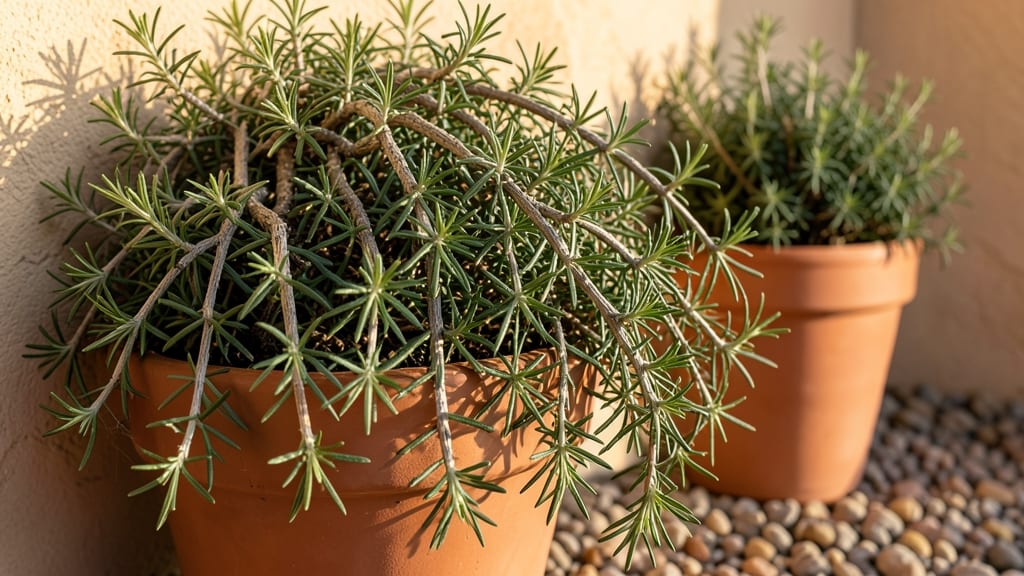
If you love the look of Mediterranean gardens but struggle with wasps, rosemary is your secret weapon. This hardy perennial thrives in drought conditions while emitting a pine-like fragrance that wasps find overwhelming—making it perfect for rooftop containers or sunny borders.
Rosemary’s woody stems and aromatic foliage create a natural barrier against pests while requiring minimal water once established. Plant it in well-draining soil with 6+ hours of sun daily for best results. Prune lightly after flowering to encourage bushier growth, and harvest sprigs for cooking or sachets to maximize its pest-repelling power.
Urban gardeners and drought-prone regions will love rosemary’s resilience—it’s low-maintenance yet stunning, with delicate purple blooms that add texture to any space. 🌻
Geraniums: Scented Blooms Confuse Wasps
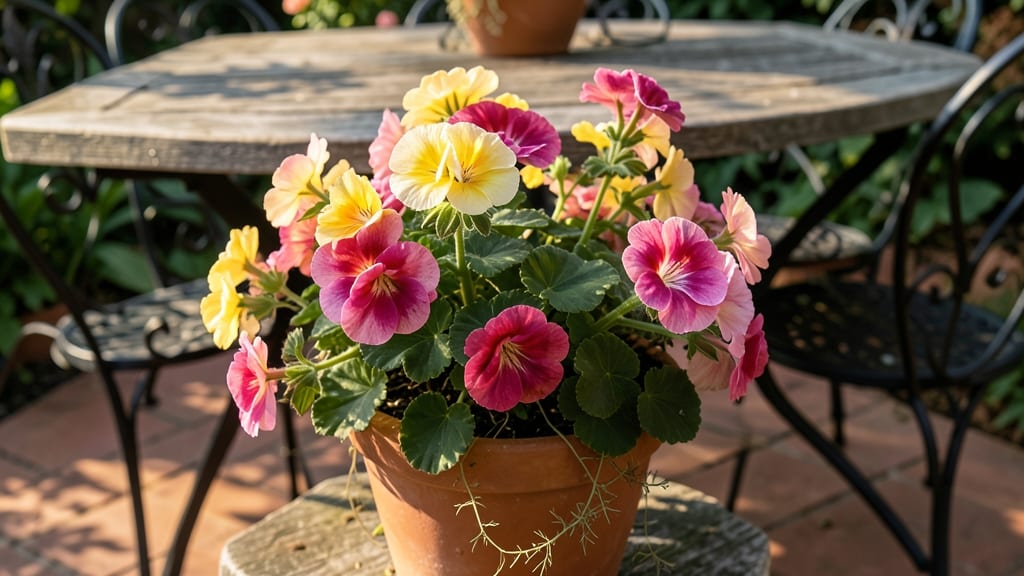
If you love colorful blooms but hate wasps crashing your patio parties, scented geraniums (Pelargonium species) are your secret weapon. Their fragrant, citrusy, or rose-like blooms don’t just smell amazing—they actually disrupt wasp navigation, making them less likely to land near your outdoor space.
These sun-loving annuals thrive in hanging baskets or window boxes, where their cascading flowers create a natural barrier. Plant them near seating areas or dining spaces, and their vibrant colors will also attract bees and butterflies—turning your wasp problem into a pollinator paradise. Just ensure they get at least 6 hours of sun daily and well-draining soil.
Perfect for urban gardeners or small-space enthusiasts, geraniums add beauty while keeping pests at bay—no chemicals needed. 🌻
Mint: Invasive but Effective Wasp Repellent
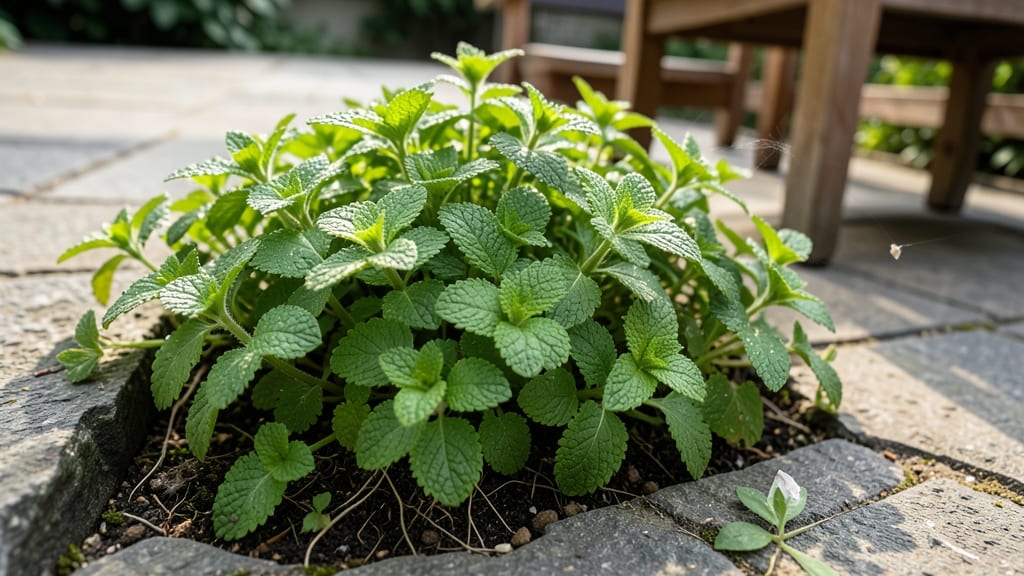
If you’ve ever battled wasps near your patio or entryway, mint might be your secret weapon—but with a twist. Unlike other repellent plants, mint’s overpowering scent doesn’t just mask odors—it actively disrupts wasp pheromone trails, sending them packing. The catch? Its aggressive roots can take over your garden if left unchecked.
To harness its wasp-deterring power without the chaos, plant mint in large containers with drainage holes, placing them near high-traffic areas like doors or picnic tables. Prune regularly to encourage bushier growth, and harvest leaves often to keep the scent strong. For extra protection, pair it with basil or lemongrass in the same pot—a dynamic duo that confuses wasps even more.
Urban gardeners and small-space growers will love this solution, as mint thrives in partial shade to full sun and even tolerates occasional drought once established. Just remember: keep it contained, or you’ll be trading wasp problems for mint invasions! 🌿
Wormwood: Bitter Leaves Deter Wasps
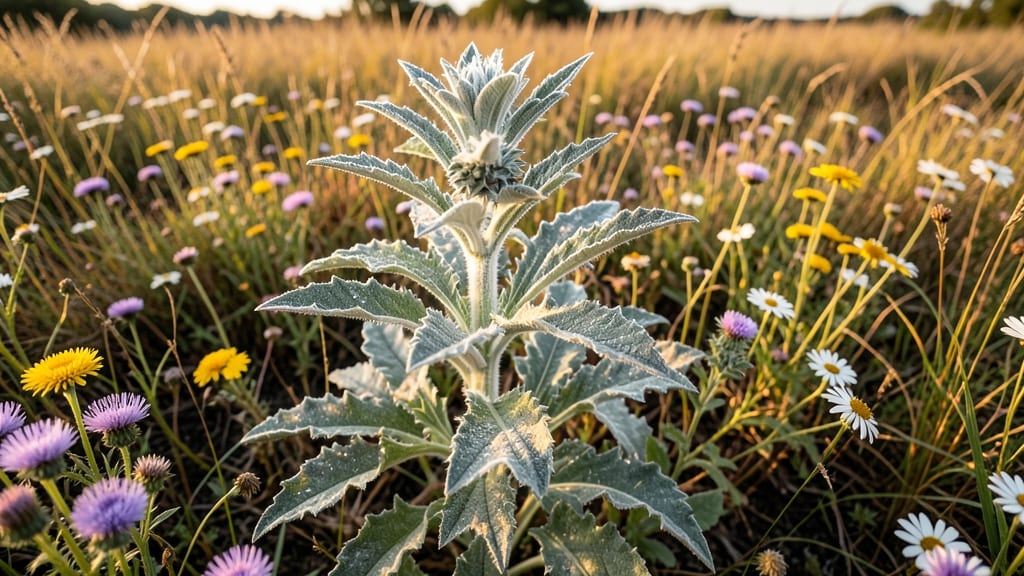
If you’re designing a wildflower garden or naturalistic landscape, wormwood (Artemisia absinthium) is your secret weapon against wasps. Unlike other repellents, its bitter, resinous leaves don’t just mask scents—they actively confuse wasps, disrupting their nesting instincts and keeping them away from your space.
This hardy perennial thrives in poor, well-drained soil and full sun, making it low-maintenance for drought-prone areas. Its silvery-green foliage and yellow flowers add texture, while its strong aroma deters pests without harming pollinators like bees. Plant it in clusters near seating areas or garden edges for maximum effect.
Perfect for gardeners who love native landscapes or pollinator-friendly designs, wormwood blends seamlessly into meadows while keeping wasps at bay naturally. 🌿
Dill: Umbrella-Shaped Blooms Wasps Avoid

If you’ve ever tried to enjoy a picnic only to be swarmed by wasps, dill might just be your secret weapon. This feathery-leaved herb doesn’t just repel pests—its umbrella-shaped yellow blooms create a physical shield that wasps instinctively avoid, making it perfect for vegetable gardens or outdoor dining spots.
Dill thrives in full sun to partial shade and prefers well-draining soil, growing quickly from seed to reach heights of 2–4 feet. The key to its wasp-deterring power lies in its anise-like scent and dense foliage, which disrupts wasp navigation. Plant it near tomatoes, cucumbers, or cabbages to protect your harvest while adding a culinary bonus to your garden.
This dual-purpose plant is especially great for beginner gardeners or those with limited space—just a few dill plants can transform a problem area into a pest-free zone. Plus, you’ll get fresh herbs for soups and salads! 🌻