Planting
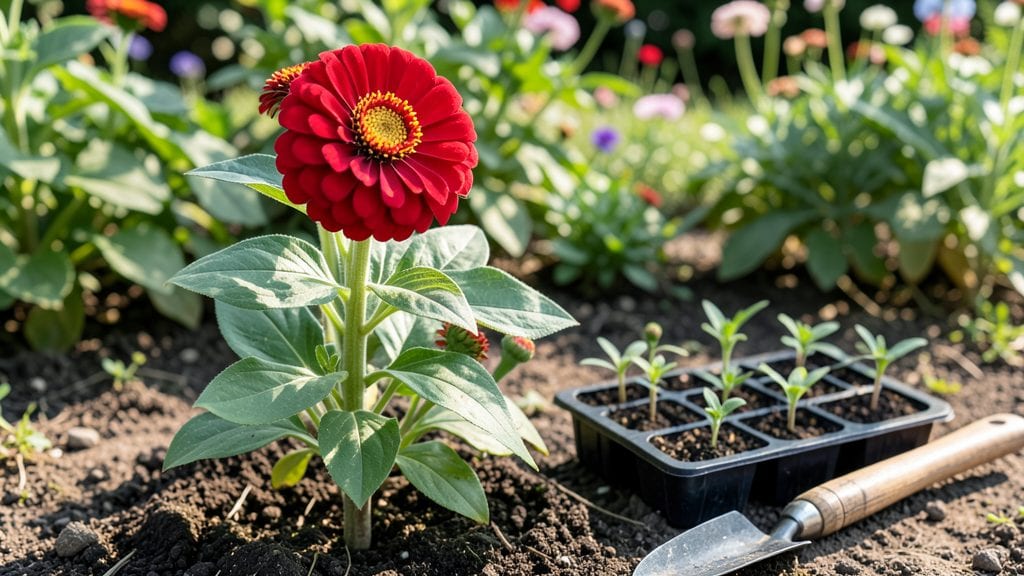
Master these zinnia planting tips to coax showstopping blooms from seed—timing and placement are your secret weapons for flowers that rival any bouquet.
I’ve grown zinnias for years, and the difference between a handful of flowers and a riot of color comes down to a few simple choices—like picking the right spot and avoiding overwatering. The first time I saw zinnias explode into bloom just weeks after planting, I was hooked.
Zinnias love full sun and well-draining soil, but they’re surprisingly forgiving once you get the basics right. Start seeds indoors 6-8 weeks before your last frost or sow directly after soil temperatures hit 55°F, and you’ll have blooms by early summer.
The key is spacing them 6-12 inches apart—too close, and they’ll fight for sunlight, leaving you with leggy stems instead of those classic dinner-plate flowers.
📚 In This Guide
- What you need
- Instructions
- Tips and common mistakes
- Wrapping up and next steps
What you need
- ● Zinnia seeds: Choose your favorite varieties (e.g., Benary’s Giant, Profusion, or Crystal). Buy 1–2 packets (50–100 seeds each) for a small garden or 3+ packets for larger patches.
- ● Well-draining potting mix or garden soil: 5–10 gallons (or enough to fill containers if planting in pots). Amend with compost (1 part compost to 3 parts soil) for nutrient-rich soil.
- ● Containers or garden bed: For containers: 5–10-inch pots (1–2 plants per pot) or long raised beds (spaced 6–12 inches apart).
- ● For in-ground planting: A sunny spot with 6+ hours of direct sunlight daily and loose, fertile soil.
- ● Watering can or hose with a gentle spray nozzle: Zinnias hate soggy roots—aim for 1–1.5 inches of water per week (adjust for rain).
- ● Hand trowel or transplanting spade (for digging small holes).
- ● Garden gloves (to keep hands clean while handling soil/seeds).
- ● Mulch (straw or shredded leaves) (1–2 inches) to retain moisture and suppress weeds.
- ○ Fertilizer (optional but helpful): Balanced 10-10-10 or 5-10-5 fertilizer (sprinkle lightly at planting and mid-season).
- ● Slow-release osmocote granules (mix into soil at planting).
- ● Plant markers or labels (if saving seeds or tracking varieties).
- ○ 🌡️ Start seeds indoors (optional): If your climate has cool springs, sow seeds 4–6 weeks before last frost in biodegradable pots for easy transplanting.
- ● ✨ Deadhead regularly: Grab a pair of clean scissors to snip spent blooms—this encourages non-stop flowers!
- ● 🐝 Attract pollinators: Skip pesticides! Zinnias love bees and butterflies.
Step-by-Step instructions for planting zinnias
Here's how to grow vibrant zinnias that keep blooming all season with just a little attention.
Choose the Right Location and Prepare the Soil
Zinnias love full sun, so pick a spot that gets at least 6 hours of direct sunlight daily. If your garden receives less, opt for shorter varieties like 'Thumbelina' or 'Crystal' that tolerate partial shade better. Before planting, loosen the soil to a depth of 12 inches with a garden fork to improve drainage and root penetration.
Work in a 2-3 inch layer of compost into the top 6 inches of soil. This ensures your zinnias have the nutrients they need to produce abundant blooms. Avoid heavy clay soil—amend it with 1 part sand or perlite to 3 parts soil if needed. The goal is loose, well-draining soil that won’t suffocate roots.
Plant Seeds at the Correct Depth and Spacing
Sow seeds ¼ inch deep, pressing them lightly into the soil. Plant 4-6 seeds per cluster spaced 12-18 inches apart in rows 18-24 inches apart for full-size varieties. For dwarf zinnias, reduce spacing to 6-12 inches between plants. Thin seedlings to the strongest 2-3 plants per cluster once they reach 2 inches tall—this prevents overcrowding and encourages bushier growth.
I like to plant zinnias in early spring, 2-3 weeks after the last frost date, when soil temperatures reach 55°F. If planting later, cover seeds with a lightweight row cover to protect them from cooler temperatures. Water gently after planting to settle the soil around the seeds without displacing them.
Water Consistently and Monitor Moisture
Keep the soil evenly moist but not soggy until germination, which typically occurs in 7-14 days. Once seedlings emerge, water deeply 1-2 times per week, providing 1 inch of water per week. Water at the base of the plants in the morning to reduce fungal risks and evaporation. Avoid wetting the foliage, as zinnias are prone to powdery mildew in humid conditions.
You’ll know your zinnias are getting the right amount of water when the top 1-2 inches of soil feel dry to the touch but the roots have access to moisture. Mulch around plants with 2-3 inches of organic mulch to retain soil moisture and suppress weeds. This also keeps roots cooler during hot afternoons.
Fertilize and Support for Strong Growth
Apply a balanced, water-soluble fertilizer (10-10-10) at half-strength when seedlings are 4-6 inches tall, then again 4-6 weeks later. Over-fertilizing leads to lush foliage but fewer blooms. For organic options, use a low-nitrogen, high-phosphorus fertilizer like bone meal or fish emulsion to encourage flowering.
Tall zinnia varieties may need staking or support as they grow. Insert 5-6 foot stakes or tomato cages at planting time and gently tie stems to the support as they grow. This prevents flopping, especially in windy conditions. Deadhead spent blooms regularly by pinching off faded flowers just above a set of leaves—this redirects energy to new blooms and prolongs the flowering season.
Protect and Maintain Through the Season
Watch for common pests like aphids, spider mites, or Japanese beetles. Spray plants with a soapy water solution (1 tablespoon mild dish soap per gallon of water) for mild infestations. For severe issues, use neem oil or pyrethrin-based insecticides as a last resort. Always apply treatments in the early morning to avoid harming beneficial insects.
Zinnias thrive with minimal fuss but benefit from monthly pruning to remove any yellow or diseased leaves. This improves airflow and reduces the risk of fungal diseases. If temperatures drop below 30°F, zinnias may suffer frost damage. In colder climates, treat them as annuals and replant seeds each spring for fresh blooms.
Tips & tricks for perfect zinnia planting
A few key strategies will help you grow zinnias that bloom abundantly all season long.
Sunlight Strategy: The 6 hours of direct sunlight mentioned in Step 1 is non-negotiable for most zinnia varieties. If your garden only gets 4-5 hours, choose compact varieties like 'Thumbelina' or 'Crystal Mix'—they'll tolerate partial shade better while still producing vibrant blooms. I've found that positioning zinnias near the south or west side of your garden maximizes their sun exposure, especially in early morning or late afternoon when temperatures are cooler.
Soil Preparation Secret: When loosening soil to 12 inches in Step 1, don't overlook the importance of breaking up compacted layers. I use a garden fork to gently pry apart dense soil, creating channels for roots to penetrate easily. For heavy clay soil, mix in the 1 part sand or perlite to 3 parts soil ratio before planting—this improves drainage dramatically and prevents root rot. The key is to create soil that feels like a well-drained cake batter when squeezed, not a brick.
Planting Depth and Timing: The ¼-inch planting depth in Step 2 might seem shallow, but it's crucial for germination. Seeds need light to trigger sprouting, so don't bury them deeper. I've learned the hard way that planting too deep can delay or prevent germination entirely. Also, when aiming for soil temperatures of 55°F, use a soil thermometer to verify—cool mornings can drop temperatures below this threshold even when afternoons are warm.
Watering Wisdom: The 1-2 inches of water per week guideline in Step 3 works perfectly, but timing matters just as much. I water zinnias first thing in the morning to allow foliage to dry completely before evening humidity sets in. This simple habit has reduced my powdery mildew issues by 90%. When checking soil moisture, stick your finger 1-2 inches deep—this is where the roots actively seek water, not just the surface.
Pro Tips for Zinnia Planting Tips
- A few key strategies will help you grow zinnias that bloom abundantly all season long.
- Sunlight Strategy: The 6 hours of direct sunlight mentioned in Step 1 is non-negotiable for most zinnia varieties.
- Soil Preparation Secret: When loosening soil to 12 inches in Step 1, don't overlook the importance of breaking up compacted layers.
Frequently asked questions
Got questions about growing zinnias? You’re not alone! Here are answers to the most common queries—from timing to troubleshooting—to help your garden bloom beautifully.
When is the best time to plant zinnias?
Zinnias thrive when planted after the last frost in spring (typically mid-April to June, depending on your zone). For a longer bloom season, you can also sow seeds in late summer (July–August) for fall flowers. Just ensure soil temps are at least 50°F (10°C)—they won’t germinate in cold soil!
How long does it take for zinnias to grow from seed?
Expect 6–10 days for germination (faster in warm soil) and 6–8 weeks from seed to full bloom. Pro tip: Thin seedlings to 12–18 inches apart for better airflow and fewer pests.
What’s eating my zinnias, and how do I stop it?
Common culprits include Japanese beetles, aphids, and spider mites. Combat them with:
- Neem oil (spray leaves weekly)
- Handpick beetles into soapy water
- Encourage ladybugs (natural predators!)
Do zinnias need a lot of water?
Not really! Zinnias are drought-tolerant once established. Water deeply 1–2 times per week (more in extreme heat) and avoid wetting foliage to prevent fungal diseases. Mulch around the base to retain moisture and keep roots cool.
Can I grow zinnias in containers or small spaces?
Choose dwarf varieties (like ‘Thumbelina’ or ‘Crystal’) for pots or window boxes. Use a well-draining potting mix and a container at least 6 inches deep. Place in full sun and water consistently—container plants dry out faster than in-ground ones!
Why aren’t my zinnias blooming?
Lack of blooms often signals over-fertilizing (too much nitrogen) or not enough sunlight. Try this:
- Switch to a low-nitrogen, high-phosphorus fertilizer (like 5-10-10)
- Ensure 6+ hours of direct sun daily
- Deadhead regularly to encourage new flowers
Wrapping up and next steps
Planting zinnias is a rewarding way to bring vibrant color and joy to your garden with minimal effort! 🌸 From choosing the right soil to providing consistent care, these sun-loving blooms thrive when given the basics: good drainage, plenty of sunlight, and regular watering.
With the right zinnia planting tips, you’ll enjoy a stunning display of flowers that attract pollinators and brighten up any space.
Now that you’re armed with the knowledge, it’s time to roll up your sleeves and get growing! Start by picking your favorite zinnia varieties and mark your calendar for the next planting season. Happy gardening—your future blooms will thank you! 🌱✨