Pruning
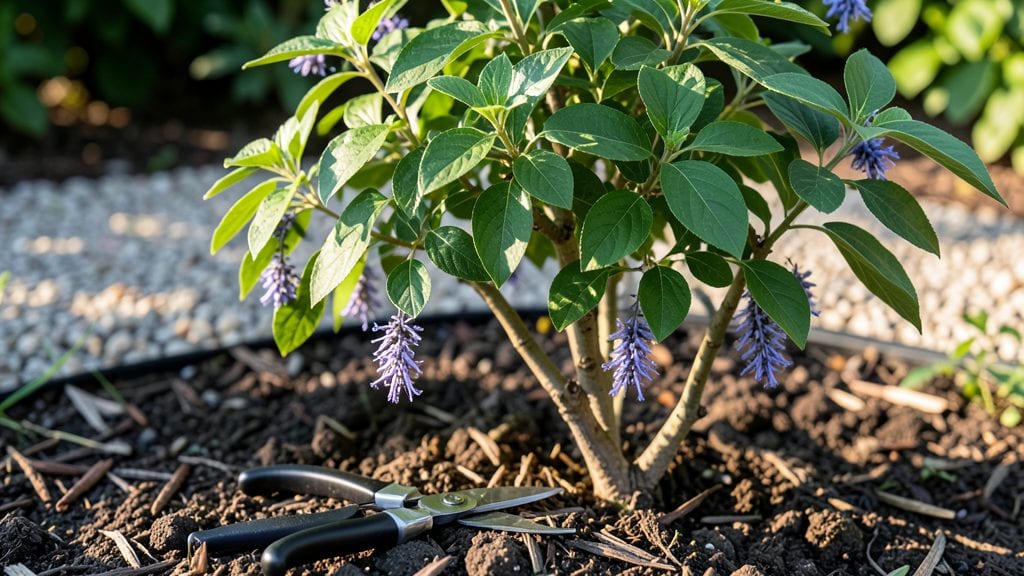
The art of vitex plant pruning isn’t just about tidying up—it’s the secret to unlocking those lush, purple blooms year after year. 🌿 I’ve spent years watching my vitex explode with flowers after a sharp trim, while neglected bushes turn into scraggly shadows of their former selves.
The difference? Timing, technique, and a little strategic cutting.
You’ll need clean, sharp pruners, a ladder (for taller varieties), and a clear morning to work—vitex bleeds sap when cut, so avoid late-day pruning. The best time is late winter or early spring, right before new growth starts.
For rejuvenation pruning, you can also trim back one-third of the oldest wood in late summer, but that’s a bigger project.
Start by removing dead or crossing branches first—they’re the eyesore and the energy drain. Then, cut back last year’s flower stems to just above a leaf node, and shape the plant by thinning out crowded growth.
You’ll see new shoots within weeks, and by summer, your vitex will look like a bushy, blooming cloud instead of a lanky skeleton.
Here’s the kicker: Over-pruning is the #1 mistake—it stresses the plant and cuts back next year’s blooms. And never prune after the first frost—new growth won’t harden off in time.
With the right cuts, your vitex will reward you with vibrant purple blooms from June to October, and neighbors will ask for your secrets.
📚 In This Guide
- What you need
- Instructions
- Tips and common mistakes
- Wrapping up and next steps
What you need
- ● Pruning shears: Sharp, bypass-style shears (4–6-inch blades) for clean cuts on small stems.
- ● Loppers: 1 pair (8–12-inch blades) for thicker branches (½–1½ inches in diameter).
- ● Pruning saw: 1 handheld saw for any branches thicker than 1½ inches.
- ● Gloves: Heavy-duty, cut-resistant gloves (e.g., leather or synthetic blend) to protect your hands.
- ● Disinfectant: 70% isopropyl alcohol or a 10% bleach solution (1 part bleach to 9 parts water) to sterilize tools between cuts.
- ○ Garden twine or burlap: 1 roll (optional) to secure supports for heavy branches.
- ● Pruning sealant: Wound dressing (e.g., tree paint) for large cuts (controversial but some swear by it!).
- ● Ladder or step stool: For tall Vitex plants (6+ feet).
- ● Trash bags or bucket: To collect clippings for composting or disposal.
- ● Notebook & pen: To sketch a quick map of your pruning plan if needed.
- ● Check the weather: Prune on a dry, overcast day or early morning to reduce stress on the plant.
- ● Gather your tools 10–15 minutes before starting to avoid mid-prune scrambling.
- ● Wear long sleeves and pants to protect against thorns or sap.
Step-by-Step guide to pruning vitex for prolific blooms
Here's how I transform my vitex into a lush, flowering powerhouse with a few strategic cuts.
✂️ Step 1: Early Spring Cleanup (Late February to Early March)
Start by removing any dead, damaged, or crossing branches with clean, sharp pruners. I like to make cuts just above a leaf node or outward-facing bud to encourage growth in the right direction. This is also when I thin out the center to improve airflow—vitex hates crowded stems.
Look for branches that are thinner than a pencil or growing inward. These compete with stronger stems for energy and reduce flowering potential. Cut these back to the main trunk or a strong lateral branch. You'll know you're doing it right when you see fresh green leaves emerging from the cuts within two weeks.
✂️ Step 2: Post-Bloom Renewal (Mid to Late Summer)
After your vitex finishes flowering—usually in late summer—it's time for a rejuvenation prune. I cut back about one-third of the oldest stems to the ground. This might sound drastic, but vitex is remarkably resilient and responds with vigorous new growth from the base.
Focus on stems that are 2-3 years old or older, as these produce fewer flowers. Make your cuts at a 45-degree angle about ¼ inch above an outward-facing bud. Avoid cutting into the center of the plant—this creates a "donut" shape that traps moisture and invites disease.
✂️ Step 3: Light Structural Pruning (Fall)
In fall, I do a lighter pass to shape the plant and remove any suckers or watersprouts that appeared during the growing season. These are the thin, upright shoots growing from the base or along the trunk—they divert energy from your main flowering stems.
Use your pruners to make clean cuts at the base of these unwanted shoots. For larger branches, I step back and visualize the plant's natural shape. Vitex grows in a rounded form, so I aim to maintain that silhouette while opening up the center for better light penetration. You'll see new growth emerging from the sides in early spring.
⏰ Step 4: Winter Maintenance (Optional)
If your vitex shows signs of winter damage—like split bark or dead branches—remove these in late winter before new growth begins. I only do this if necessary, as vitex is quite cold-hardy once established. Never prune in winter when the plant is dormant, as this stresses the plant unnecessarily.
For any cuts made in winter, apply a thin layer of pruning sealant to larger wounds over ½ inch in diameter to prevent disease entry. Smaller cuts don't need sealing—they'll heal naturally as the plant wakes up in spring. This is also when I clean up any fallen debris around the base to reduce pest and disease pressure.
🌿 Step 5: Year-Round Monitoring
Throughout the year, keep an eye out for branches that are growing in unwanted directions or rubbing against each other. I make small adjustments as needed to maintain the plant's health and shape. Regular monitoring prevents the need for drastic pruning later.
Watch for signs of stress like yellowing leaves or sparse blooms—these often indicate it's time for a light pruning to stimulate new growth. The key is balance: prune just enough to encourage flowering while maintaining the plant's natural form. With consistent care, your vitex will reward you with longer, more abundant blooms each season.
Tips & tricks for perfect vitex pruning
Mastering the art of vitex pruning takes patience and precision—here's how to avoid common mistakes and maximize those stunning blooms.
Bud Orientation Matters: When making cuts in Step 1 or Step 2, always aim for outward-facing buds. This simple detail ensures new growth will spread outward rather than inward, creating that perfect rounded shape. I've learned the hard way—cutting too close to inward buds creates a tangled mess that blocks sunlight from the center.
Timing is Everything: The two-week window mentioned after Step 1 cuts is critical for verifying you're on the right track. If you don't see fresh green leaves emerging within that timeframe, you may have cut too aggressively or in the wrong direction. This is your plant's way of telling you it's happy with your work!
Tool Sharpness Makes All the Difference: Never use dull pruners—they crush stems instead of making clean cuts. I invest in high-quality bypass pruners for larger branches and clean them with rubbing alcohol between cuts. A sharp tool prevents tearing and reduces the risk of disease entering through jagged wounds.
Don't Fear the Drastic Cut: That one-third reduction in Step 2 might seem extreme, but vitex thrives on this rejuvenation. The plant responds by sending up vigorous new shoots from the base. I've seen vitex bushes double their bloom production after just one aggressive summer prune—it's worth the initial shock to the system!
Pro Tips for Vitex Plant Pruning
- Mastering the art of vitex pruning takes patience and precision—here's how to avoid common mistakes and maximize those stunning blooms.
- Bud Orientation Matters: When making cuts in Step 1 or Step 2, always aim for outward-facing buds.
- Timing is Everything: The two-week window mentioned after Step 1 cuts is critical for verifying you're on the right track.
Frequently asked questions
Got questions about keeping your Vitex plant thriving with the right pruning? Here are answers to the most common ones—so you can trim with confidence!
When is the best time to prune Vitex for maximum blooms?
The ideal window is late winter or early spring (just before new growth starts). This ensures you remove dead wood while encouraging fresh, vibrant blooms for the season. Avoid pruning in fall—it can stunt growth before winter dormancy.
How much can I cut back my Vitex without harming it?
You can safely prune up to ⅓ of the plant’s height in one session. For mature Vitex, aim to shape it into a rounded form by cutting back old, leggy branches to just above outward-facing buds. Never remove more than ⅓ annually—this keeps the plant healthy and blooming.
What should I do if my Vitex isn’t blooming after pruning?
If your Vitex skips blooms, check these fixes:
- Timing: Prune too late? New growth may not mature before winter.
- Sunlight: Vitex needs 6+ hours of full sun daily.
- Fertilizer: Use a balanced, low-nitrogen feed in spring to encourage flowers.
Can I prune Vitex in summer, or will it stress the plant?
Summer pruning is possible but risky. Light trimming (like removing spent blooms) is fine, but major cuts can stress the plant, especially in hot climates. If you must prune in summer, do it early morning or late evening to reduce shock, and water thoroughly afterward.
What’s the difference between pruning Vitex and other shrubs like lilacs?
Vitex and lilacs share some pruning basics, but key differences include:
- Timing: Lilacs bloom on old wood (prune right after flowering), while Vitex blooms on new growth (prune late winter/early spring).
- Shape: Vitex thrives with a rounded, open form; lilacs often need a more formal hedge shape.
- Severity: Vitex handles harder cuts better than lilacs.
Wrapping up and next steps
Pruning your vitex plant isn’t just about keeping it tidy—it’s your secret weapon for stunning, long-lasting blooms! 🌸 By following seasonal timing, the right tools, and gentle techniques, you’ll encourage healthier growth and more vibrant flowers year after year.
Whether you’re a pruning pro or just starting, every trim is a step toward a thriving vitex garden.
Ready to put your new skills to work? Grab your shears and schedule your next pruning session—your vitex will thank you with a burst of color! For extra confidence, bookmark this guide or share it with fellow plant lovers. Happy pruning! ✂️🌿