
How To
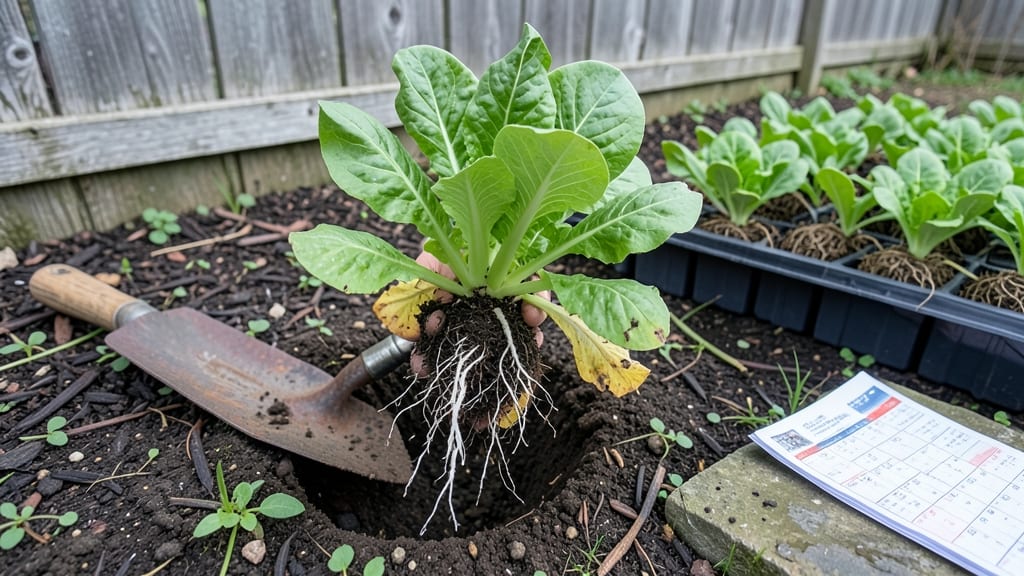
A veggie planting schedule turns guesswork into a predictable harvest. 🌱 I learned the hard way that timing matters more than soil quality—planting tomatoes too early in my zone 5 garden means wilted seedlings by May.
The difference between a thriving garden and a sad one often comes down to knowing when to start seeds indoors, when to set out transplants, and how to stretch seasons.
This schedule works for most of the U.S., but I’ll flag adjustments for cooler zones like mine. You’ll need a calendar, your local frost dates (find them here), and a notebook to track what you’ve planted.
The magic happens in three steps: planning your calendar around frost dates, matching veggies to their ideal planting windows, and using simple tricks like row covers to extend seasons.
By following this, you’ll harvest crisp lettuce in spring, juicy tomatoes in summer, and hardy kale right through fall. No more bolting greens or blighted plants—just a garden that delivers fresh produce when you need it.
The best part? You’ll save money and eat better than any grocery store could offer.
Whether you’re in a warm zone like 8 or a cold one like 3, the core principles stay the same. I’ll show you how to tweak the schedule for your climate and share my go-to tricks for beating early frosts or late springs.
Let’s get those seeds in the ground at the perfect time!
📚 In This Guide
- What you need
- Instructions
- Tips and common mistakes
- Wrapping up and next steps
What you need
- ● Seeds or seedlings: Choose season-appropriate veggies (e.g., lettuce, tomatoes, peppers, carrots, beans). Start with 5–10 plants of each variety.
- ● Organic seeds (non-GMO preferred) for best results.
- ● Garden beds or containers: Raised beds (4' x 8' recommended) or large pots (at least 12" deep).
- ● Ensure proper drainage—holes in containers or well-prepped soil.
- ● High-quality soil: Potting mix (sterile, peat-free if possible) or compost-enriched garden soil.
- ● 1–2 bags (1.5–2 cubic feet each) per bed or large container.
- ● Watering supplies: Hose with adjustable nozzle or watering can (1–2 gallons capacity).
- ○ Drip irrigation kit (optional but helpful for consistency).
- ● Basic hand tools: Trowel (for planting/seeding).
- ● Garden gloves (1 pair, breathable material).
- ● Pruners (for trimming or harvesting).
- ● Fertilizers: Slow-release organic fertilizer (e.g., compost tea or worm castings).
- ● Mulch: Straw or shredded leaves to retain moisture and suppress weeds.
- ● Plant markers: Labels or stakes to track varieties and planting dates.
- ● Shade cloth: For delicate seedlings in hot climates.
- ● Knee pad or stool: For comfort during long planting sessions!
Step-by-step guide to a simple veggie planting schedule
Here's the straightforward approach I use to keep my garden thriving year after year.
🌱 Step 1: Divide Your Season Into Cool and Warm Planting Blocks
First, break your growing season into two simple categories: cool-season crops (like lettuce, spinach, and peas) and warm-season crops (tomatoes, peppers, and beans). Cool-season veggies love temperatures between 40-75°F, while warm-season plants need at least 60°F to thrive. I start by checking my local frost dates—typically the last spring frost and first fall frost mark the boundaries for cool-season planting.
Here's the thing—cool-season crops can handle light frosts, so I plant them 2-3 weeks before the last frost and again 6-8 weeks before the first fall frost. Warm-season crops, on the other hand, go in 2 weeks after the last frost when the soil has warmed up. You'll know it's time when the soil feels 60°F or warmer about 1 inch below the surface.
☀️ Step 2: Plan Successive Plantings for Continuous Harvests
Instead of planting everything at once, I space out my plantings every 2-3 weeks for cool-season crops and every 1-2 weeks for warm-season crops. This ensures a steady supply of fresh veggies all season long. For example, I plant a row of lettuce, then another row in 2 weeks, and another in 2 weeks after that. By the time the first row bolts (sends up a flower stalk), the later rows are just starting to mature.
Real talk: This takes a little planning, but it’s worth it. I keep a simple calendar where I mark the dates for each planting. If I’m growing something like beans or peas, which take 50-60 days to mature, I’ll plant a new row every 2 weeks until about 8 weeks before the first frost. That way, I’m harvesting fresh peas right up until the cold sets in.
⏰ Step 3: Adjust for Your Local Climate and Microclimates
Not all parts of your yard are the same—some spots get sun all day, while others stay shady. I always observe where the sun hits hardest and where it’s cooler or sheltered. For instance, if you have a shady spot, focus on cool-season crops like spinach or kale there. If you’ve got a hot, sunny area, that’s perfect for tomatoes or peppers.
I also pay attention to how my plants perform year after year. If something like basil always struggles in the heat, I’ll switch to planting it in early spring or late summer when temperatures are milder. You’ll start noticing patterns too—like how certain crops thrive in the partial shade of a tree or how others need full sun all day. Adjust your schedule based on what you see working best in your space.
Tips & tricks for perfect veggie planting timing
Here's how to make your seasonal planting schedule even simpler and more successful.
Frost Date Flexibility: Don't stress about exact frost dates—use them as guidelines. I've planted cool-season crops 1 week before the official last frost date and had great success. If you're unsure, check your local extension office's frost predictions or use online calculators that factor in your zip code. The 60°F soil temperature is your real marker for warm-season crops, not just frost dates.
Soil Temperature Test: To check if your soil is ready for warm-season crops, grab a handful and form it into a ball. If it crumbles easily, it's likely 60°F or warmer at 1-inch depth. For cooler soil, try the "finger test"—stick your finger in about 1 inch deep; if it feels warm to your touch, you're good to go. This simple method saves you from guessing.
Microclimate Mapping: Walk your yard and note sun exposure patterns. I mark spots with a spray paint dot: red for full sun (6+ hours), yellow for partial shade (3-6 hours), and green for full shade (<3 hours). This visual map helps me quickly decide where to plant each crop. For example, I always put my basil in the partial shade spots during summer to prevent bolting.
Planting Calendar Hack: Use a free online planting calendar that auto-generates your schedule based on your zip code. I've found that these tools account for local variations better than generic charts. Once you have your dates, write them on sticky notes and place them on your fridge or gardening journal as reminders. This keeps the whole process effortless once you've done the initial setup.
Pro Tips for Veggie Planting Schedule
- Here's how to make your seasonal planting schedule even simpler and more successful.
- Frost Date Flexibility: Don't stress about exact frost dates—use them as guidelines.
- Soil Temperature Test: To check if your soil is ready for warm-season crops, grab a handful and form it into a ball.
Frequently asked questions
Got questions about timing, spacing, or troubleshooting your veggie garden? Here’s what you need to know—no green thumb required!
When is the best time to start planting my veggies?
The ideal time depends on your climate and the veggie! Cool-season crops (like lettuce or spinach) thrive in early spring or fall, while warm-season veggies (tomatoes, peppers) need to go in after the last frost. Check your USDA Plant Hardiness Zone for local guidance.
Can I plant veggies year-round, or do I need to wait for spring?
Many veggies can be planted year-round in mild climates (like Southern California or Florida), but frost-sensitive plants need warmer soil. Use row covers or cold frames in early spring/fall for extra protection. Always check seed packets for specific timing!
How much space should I leave between plants?
Spacing varies by veggie—check seed packets for guidelines! For example, tomatoes need 18–24 inches apart, while carrots can grow just 2–3 inches apart. Overcrowding leads to poor airflow (hello, fungus!) and competition for nutrients.
What if my veggies aren’t growing like they should?
Common issues include poor soil (add compost!), overwatering (let soil dry slightly between waterings), or pests (neem oil or row covers help). If leaves yellow, it might be nitrogen deficiency—try a balanced fertilizer.
Can I plant veggies in containers or small spaces?
Dwarf varieties (like bush beans or cherry tomatoes) thrive in pots. Just ensure containers are at least 6–12 inches deep and have drainage holes. Herbs and leafy greens are great space-savers too!
Still stuck? Drop your question in the comments—we’re happy to help!
Wrapping up and next steps
Creating your own veggie planting schedule doesn’t have to be overwhelming—just follow the seasons, prep your soil, and let nature do the rest! 🌱 Whether you’re a beginner or a seasoned gardener, a little planning goes a long way in growing a thriving, homegrown harvest.
Now that you’re armed with timing tips and troubleshooting tricks, it’s time to grab those seeds and get planting!
Your next step? Start small—pick 1-2 veggies to test the waters, then expand as you gain confidence. Happy gardening, and may your green thumb grow stronger with every season! 🌿