
Planting
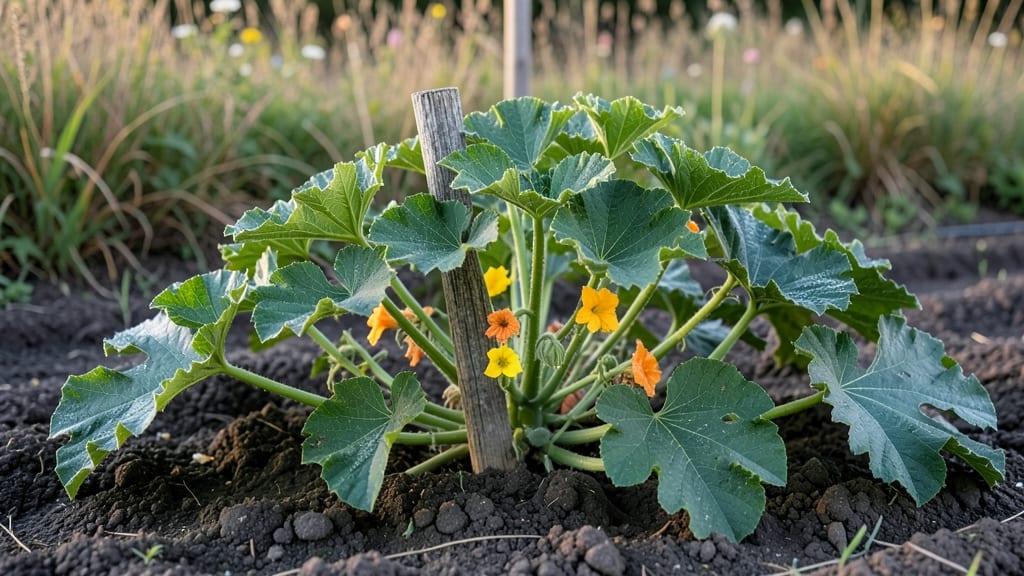
Pumpkin plant buds are the secret to your harvest's success—those tiny green flowers hold the key to bigger, healthier fruit. 🌱 I spent years watching my pumpkins struggle, only to realize I was missing the simple tricks that transform a few flowers into a bounty of vines.
The moment those first buds appear, you’ve got a 30-day window to shape your plant’s future.
Sunlight and water are the foundation, but pruning is where the magic happens. I learned to snip side shoots early, leaving just 3-5 main vines to focus energy on bud development. Too many vines?
The plant spreads itself thin, and those buds never mature. Think of it like giving your pumpkin a spa day—less stress means more flowers, and more flowers mean more fruit.
Once those buds bloom, you’ll see the difference in just 10-14 days. Healthy vines produce clusters of male and female flowers, but only the females (with tiny pumpkins at their base) are worth keeping.
Pollination is the next critical step—hand-pollinate if bees are scarce, and watch as those buds swell into fruit within weeks.
Troubleshooting is half the fun. Yellowing buds? Check your soil—pumpkins hate soggy roots. No flowers at all? More sunlight or a balanced fertilizer might be the fix. This is where patience pays off, and every bud you nurture today turns into a harvest you’ll proudly display next fall.
📚 In This Guide
- What you need
- Instructions
- Tips and common mistakes
- Wrapping up and next steps
What you need
- ● Pumpkin Seeds: Choose heirloom or hybrid varieties (e.g., Howden, Jack Be Little, or Sugar Pie) suited to your climate. Start with 3–5 seeds per plant (thin to 1–2 strong seedlings).
- ● Well-Draining Soil: Mix 50% garden soil, 30% compost, and 20% perlite/sand for optimal drainage. Pumpkins thrive in pH 6.0–6.8.
- ● Container or Garden Bed: Containers: Use 5-gallon buckets or larger (minimum 18" diameter) with drainage holes.
- ● Garden Beds: Allocate 50–100 sq. ft. per plant for sprawling vines.
- ● Fertilizer: Starting: 5-10-10 or 10-10-10 balanced fertilizer (1 tbsp per plant).
- ● Blooming/Fruiting: Switch to high-potassium (e.g., 0-10-10) to boost bud and fruit development.
- ● Watering Can or Hose: With a gentle spray nozzle to avoid damaging tender buds.
- ● Bypass Pruners: Sharp, clean (sterilize with rubbing alcohol between cuts).
- ● Garden Shears: For thicker vines (avoid dull blades—they crush stems).
- ● Gloves: Heavy-duty gardening gloves to protect from thorns and sap.
- ● Trellis or Cage: For bush-type pumpkins (e.g., 3–4 ft. tall wire trellis) to support vines and improve air circulation.
- ● Mulch: Straw or black plastic to retain moisture and suppress weeds.
- ● Hand Lens or Magnifier: To inspect buds for pests/diseases early.
- ● Growth Regulator: Seaweed extract (1 tsp/gallon) to encourage bushier growth.
How to prune pumpkin vines for healthier buds and larger fruit
Here’s my go-to method for shaping pumpkin plants—it’s all about removing the right growth at the right time.
🌿 Step 1: Identify and Remove Weak or Unproductive Vines
Start by scanning your pumpkin vines for weak, spindly stems—these are the ones growing upward instead of outward. They’re competing for energy but rarely produce fruit. Use clean, sharp pruning shears to snip these back at the base, about ½ inch above a leaf node where new growth can sprout.
Focus on vines that are thinner than a pencil or growing straight up without leaves. These are energy drains. You’ll see stronger vines have thicker stems and multiple leaves spaced closely together. Prune on a dry, sunny morning—this reduces stress on the plant and speeds healing.
✂️ Step 2: Prune Male Flowers to Boost Female Bud Development
Male flowers grow on long, thin stems with no fruit at the base, while female flowers have a tiny pumpkin (the bud) at the stem’s base. Once you spot 3-4 female buds, start pruning male flowers to redirect energy. Snip them off just above the leaf node where they attach.
Here’s the thing—male flowers are like the plant’s energy vampires. By removing them, you force the vine to focus on female buds, which grow into fruit. I like to prune males every 2-3 days during peak flowering. You’ll know you’re doing it right when you see more female buds forming within a week.
🌱 Step 3: Thin Overcrowded Vines for Better Airflow
If your pumpkin vines are tangled or growing in dense clusters, airflow suffers—and that’s an open invitation for powdery mildew. Use your shears to trim back excess vines, leaving only the strongest, most productive runners. Aim for 2-3 main vines per plant, each with 3-4 female buds spaced 12 inches apart.
Don’t go overboard—you still want enough foliage to shade the fruit. A good rule of thumb: if two vines are touching, one must go. You’ll notice healthier buds and fewer yellowing leaves after thinning. Prune in the late afternoon to give the plant time to recover before evening.
☀️ Step 4: Encourage Bushier Growth with Strategic Pinching
To make your pumpkin vines bushier (and thus more productive), pinch off the tips of the main vines when they reach 18-24 inches long. This forces the plant to send out side shoots instead of growing tall and leggy. Use your fingers or shears to squeeze the growth tip just above a leaf node.
I do this once the vines are established (after about 4-6 weeks of growth). You’ll see new lateral branches forming within 7-10 days. These side shoots are where most of your female buds will appear. Avoid pinching in hot afternoons—the plant is already stressed, and this adds extra strain.
💧 Step 5: Monitor and Adjust After Pruning
After pruning, water deeply to help the plant recover. Aim for 1-1.5 gallons per plant, soaking the soil until it’s damp 6 inches down. Avoid overhead watering for 24 hours—this prevents fungal spores from settling on fresh cuts.
Keep an eye on your vines for new growth patterns. If you see too many male flowers reappearing, prune them again. If buds start dropping, the plant may be stressed—check for underwatering or pests. A well-pruned pumpkin vine should have plenty of green leaves and firm, developing fruit within 2-3 weeks of your last pruning session.
Tips & tricks for pruning pumpkin vines
Pruning pumpkin vines might seem intimidating, but these tricks will help you maximize your harvest with minimal effort.
Timing is Everything: The 24-hour waiting period after pruning is crucial for preventing fungal infections. Avoid overhead watering during this time, especially if you've made larger cuts. I've found that pruning on a dry, sunny morning gives the plant the best chance to heal quickly. This timing also helps the plant recover before evening, when humidity can promote disease.
Visual Cues for Healthy Growth: When you're pinching tips in Step 4, look for the main vine to be between 18-24 inches long—this is your sweet spot for encouraging bushier growth. The new lateral branches should appear within 7-10 days, but if you don't see them within two weeks, your plant might need more nutrients or sunlight. I always check for these visual cues before deciding whether to pinch again.
Pruning Technique Matters: Always make clean cuts just above a leaf node when removing weak vines or male flowers. This simple technique ensures new growth will sprout from that exact spot. I've ruined multiple pumpkin plants by making jagged cuts that didn't heal properly—don't make my mistake! Use sharp pruning shears and cut at a slight angle to prevent water from pooling on the cut surface.
Monitoring After Pruning: After your deep watering, keep an eye out for the 2-3 week recovery period mentioned in Step 5. You should see more vibrant green leaves and notice fewer yellowing ones as the plant recovers. If you see buds dropping after pruning, check the soil moisture—it might need another deep watering. This monitoring helps you catch stress signals early before they become serious problems.
Pro Tips for Pumpkin Plant Buds
- Pruning pumpkin vines might seem intimidating, but these tricks will help you maximize your harvest with minimal effort.
- Timing is Everything: The 24-hour waiting period after pruning is crucial for preventing fungal infections.
- Visual Cues for Healthy Growth: When you're pinching tips in Step 4, look for the main vine to be between 18-24 inches long—this is your sweet spot for encouraging bushier growth.
Frequently asked questions
Got questions about nurturing those pumpkin plant buds? You’re not alone! Here are answers to the most common curiosities—from pruning puzzles to pest worries—so you can grow a thriving vine and a bountiful harvest.
Why aren’t my pumpkin plant buds turning into flowers?
Pumpkin buds may fail to bloom due to temperature stress (too hot or cold), lack of sunlight (6+ hours/day), or nutrient deficiencies (especially nitrogen or phosphorus). Ensure your plants get consistent water (1–2 inches weekly) and a balanced fertilizer like 10-10-10. If buds drop, check for pests like squash vine borers or aphids.
How soon after pruning can I expect new buds to form?
New buds typically appear within 7–14 days of pruning, depending on growing conditions. Focus on removing suckers (side shoots near the main vine) and yellowing leaves to redirect energy. Avoid heavy pruning late in the season—stop by late summer to allow fruit to mature. Pro tip: Prune in the morning to reduce stress on the plant.
Can I eat pumpkin plant buds like I would squash blossoms?
Pumpkin plant buds
(and their flowers) are edible and delicious—toss them in salads, sauté them with garlic, or stuff them like squash blossoms. Just ensure they’re pesticide-free (organic sprays only!) and harvest them before they open. The buds have a mild, slightly sweet flavor similar to zucchini.
What should I do if my pumpkin buds are covered in bugs?
Common culprits include aphids, cucumber beetles, and spider mites. Start with neem oil or insecticidal soap for light infestations. For severe cases, handpick beetles or use row covers early in the season. Prevention tip: Interplant with marigolds or nasturtiums to deter pests naturally.
Should I prune pumpkin plant buds if I want fewer but larger pumpkins?
Yes! To grow larger, fewer pumpkins, prune aggressively by removing all but 2–3 female flowers per vine (identify them by tiny pumpkins at their base). Focus on keeping the main vine healthy—prune suckers and weak branches. Warning: Over-pruning can stress the plant; balance it with proper watering and fertilization.
Wrapping up and next steps
Growing pumpkin plant buds into thriving, bushy vines with bountiful fruit is all about patience, pruning, and a little know-how! 🌱 By mastering the right techniques—like selective pruning, proper spacing, and timely fertilization—you’ll set your pumpkins up for a massive harvest.
Whether you’re a beginner or a seasoned gardener, every bud you nurture today could turn into tomorrow’s prize-winning gourd.
Ready to take the next step? Start by monitoring your plants weekly, and don’t hesitate to experiment with different pruning styles. Before you know it, your garden will be bursting with healthy vines and plump pumpkins—just in time for the fall season! Happy growing! 🎃✨