
Propagation
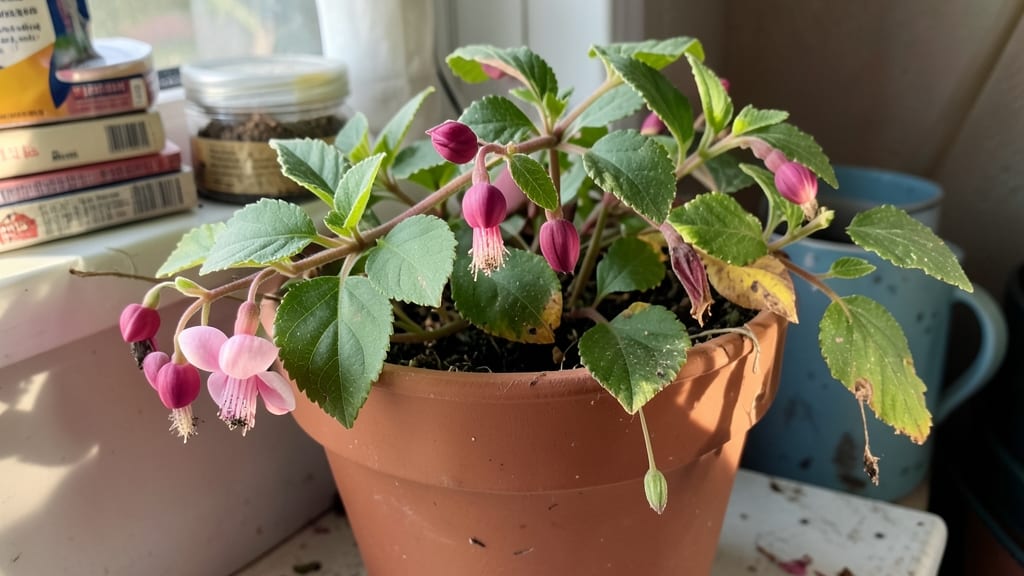
Propagating fuchsia plants from stem cuttings is my favorite way to multiply these dangling, velvety blooms without breaking the bank. 🌿 I’ve turned a single plant into a dozen thriving specimens just by snipping a few stems and letting nature do the rest—no fancy equipment required.
The best time to propagate is in early summer when your fuchsia is actively growing, but you can also try it in spring.
All you need is clean scissors, a jar of water or a small pot with moist soil, and a few healthy stems with at least two sets of leaves. The key is patience—roots will appear in about 3-4 weeks if you keep the cuttings in bright, indirect light.
Once rooted, these new plants will reward you with vibrant, cascading flowers that last from summer through fall. The secret? Avoid overwatering and keep the humidity up by covering the pot with plastic until roots establish.
You’ll know it’s working when fresh green growth appears at the base of your cuttings.
This method works for both trailing and upright fuchsias, and you can even propagate from store-bought plants—just ask for a cutting next time you buy one. Let’s get those stems growing!
📚 In This Guide
- What you need
- Instructions
- Tips and common mistakes
- Wrapping up and next steps
What you need
- ● Healthy fuchsia plant: Choose a mature, disease-free stem with at least 3–4 sets of leaves.
- ● Sharp pruning shears or scissors: Sterilized to prevent infection (rubbing alcohol works!).
- ● Clean water (for water propagation): Room-temperature, filtered or distilled (chlorine-free).
- ● Small glass or jar (for water propagation): Wide-mouth, 8–12 oz (e.g., mason jar or clean vase).
- ○ Rooting hormone (optional but helpful): A gel or powder to speed up root growth (e.g., Clonex or Hormex).
- ● Potting mix (for soil propagation): Well-draining, sterile mix (50% peat/perlite or cactus/succulent blend).
- ● Small pots or trays (for soil propagation): 3–4 inch diameter with drainage holes (or seed trays).
- ● Plastic bag or humidity dome: To retain moisture (cut-off plastic bottle or clear lid).
- ● Spray bottle: For misting cuttings (keeps humidity high!).
- ● Bright, indirect light: East or west-facing window (avoid harsh midday sun).
- ● Warmth: Ideal temperature: 65–75°F (18–24°C).
- ● Patience: Roots take 4–8 weeks to form—consistency is key! 💡
Step-by-step instructions for propagating fuchsia plants
Here's how to grow new fuchsia plants from cuttings—both in water and soil—with minimal fuss.
🌱 Step 1: Select Healthy Stems for Cutting
Choose non-flowering stems that are about 4-6 inches long with at least 3-4 leaves. Look for vigorous, green growth—avoid woody or leggy stems, as they root poorly. Make your cut just below a leaf node (the small bump where leaves attach) using clean, sharp pruners. This ensures the cutting has the energy reserves to grow roots.
Remove the lower leaves, leaving only 2-3 at the top. This reduces moisture loss and prevents rot when the stem is placed in water or soil. Dip the cut end in rooting hormone (optional but helpful for faster results). I like to do this step first thing in the morning—the fresh cut will have the best chance to establish before evening.
💧 Step 2: Root in Water or Soil
For water propagation, place the cutting in a small glass or jar filled with room-temperature water, ensuring only the bottom 1 inch of the stem is submerged. Change the water every 3-4 days to prevent bacterial growth. Set the jar in bright, indirect light—direct sun will overheat the water and stress the cutting.
For soil propagation, use a well-draining mix (like perlite and peat moss) and make a small hole with your finger. Insert the cutting so the bottom 1 inch is buried, then gently firm the soil around it. Water lightly until the soil feels evenly moist but not soggy. Cover the pot with a plastic bag to create humidity, but remove it daily for 10 minutes to prevent mold.
☀️ Step 3: Encourage Root Growth and Transplant
Keep water-propagated cuttings in bright, indirect light until roots reach 1-2 inches long (usually 3-4 weeks). You’ll see tiny white roots forming at the base—this is your cue to transplant. For soil-propagated cuttings, wait until new growth appears (about 4-6 weeks), indicating successful rooting.
When transplanting, handle the roots gently to avoid damage. Use a small pot with drainage holes and light potting mix. Water thoroughly after planting, then place the new plant in dappled shade for a week to help it adjust. Fuchsias love humidity, so mist the leaves occasionally to mimic their natural tropical environment.
🌿 Step 4: Care for New Plants
Once rooted, treat your new fuchsias like mature plants. Keep them in bright, indirect light (they’ll tolerate morning sun but avoid harsh afternoon rays). Water when the top inch of soil feels dry, and fertilize lightly with a balanced liquid fertilizer every 4-6 weeks during the growing season.
Pinch back the tips of new growth to encourage bushier plants. Fuchsias bloom best when they’re slightly root-bound, so avoid repotting too soon. You’ll see flowers in 8-12 weeks, depending on the variety and growing conditions. The first blooms might be smaller, but they’ll reward you with vibrant color and plenty of new cuttings for next time.
Tips & tricks for perfect fuchsia propagation
Between us, fuchsia propagation is one of those gardening skills that seems intimidating until you know the little tricks that make all the difference. Here's what nobody tells you—
Timing Tip: That 10-minute daily air break you get when removing the plastic bag from soil-propagated cuttings is crucial. It prevents mold buildup while still maintaining the humidity these tropical plants love. I set a timer on my phone so I don't forget—consistency is key for successful rooting.
Cutting Selection: Here's what I learned the hard way: Avoid stems with flowers or buds—they'll drain energy from root development. Focus on those vigorous, green stems with at least 3-4 leaves. The leaf node (that little bump where leaves attach) is where roots will emerge, so make your cut just below it using clean pruners. A sharp cut prevents damage that could lead to rot.
Water Propagation: Don't use tap water straight from the faucet—it can contain chlorine that stresses the cuttings. Let it sit out overnight first. And here's a pro move: Use a small glass jar instead of a large container. The smaller surface area means less evaporation, so you won't need to change the water as often. Just remember to refresh it every 3-4 days as instructed.
Soil Mix: The well-draining mix mentioned in Step 2 is non-negotiable. I've tried regular potting soil and ended up with rotten cuttings. Mix equal parts perlite and peat moss for perfect drainage while retaining enough moisture. For soil propagation, keep that mix evenly moist but not soggy—you should be able to squeeze a drop of water from it when gently pressed.
Pro Tips for Propagating Fuchsia Plants
- Between us, fuchsia propagation is one of those gardening skills that seems intimidating until you know the little tricks that make all the difference.
- Timing Tip: That 10-minute daily air break you get when removing the plastic bag from soil-propagated cuttings is crucial.
- Cutting Selection: Here's what I learned the hard way: Avoid stems with flowers or buds—they'll drain energy from root development.
Frequently asked questions
Got questions about propagating fuchsias? You’re not alone! Here are answers to the most common concerns—whether you’re a beginner or just looking to refine your technique.
Can I propagate fuchsias from store-bought plants?
Yes! Many store-bought fuchsias are already propagated from cuttings, so they’ll root just fine. Just avoid using plants treated with growth inhibitors (like those sold in winter). Look for healthy, non-flowering stems with at least 2-3 leaf nodes for best results.
How long does it take for fuchsia cuttings to root?
Patience is key! In water, roots typically appear in 2-4 weeks, while soil propagation may take 3-6 weeks. Keep humidity high and avoid overwatering—rooting slows dramatically in cold or dry conditions. A heat mat (70–75°F) can speed things up!
Should I use water or soil for fuchsia propagation?
Both work, but soil often yields stronger roots faster. Water is easier to monitor, but roots can become weak or rot if left too long. For soil, use a mix of perlite and peat moss to prevent sogginess. Try both methods to see what your climate prefers!
Why are my fuchsia cuttings turning yellow or mushy?
Yellowing or mushy stems usually signal rot or overwatering. If using water, change it every 3–5 days to prevent bacterial growth. In soil, ensure the mix drains well and avoid letting cuttings sit in wetness. Trim any blackened or soft spots immediately and replant in fresh medium.
Can I propagate fuchsias from flowering stems?
Not ideal! Flowering stems are less likely to root because energy goes to blooms, not roots. Snip stems just below a leaf node (where leaves meet the stem) and remove any buds or flowers. Non-flowering, semi-hardwood stems in late spring/early summer root best.
When is the best time to propagate fuchsias?
Aim for late spring to early summer (May–June) when temperatures are warm but not scorching. Avoid winter propagation—cold slows rooting. If you must propagate in cooler months, use a heat mat and keep cuttings in bright, indirect light.
Wrapping up and next steps
Propagating fuchsia plants is a rewarding journey that lets you expand your garden with minimal effort! Whether you choose water or soil, the key is patience, clean tools, and a little love. Once your cuttings root and thrive, you’ll have stunning blooms to share—or keep for yourself.
Ready to grow your collection? Start with just one cutting and watch your fuchsia family flourish! 🌱✨